Not long ago, “citizen detective” meant a neighbor with a scanner and a notebook, maybe a few locals swapping theories over diner coffee. Now it’s a For You Page. It’s a stitched video pointing at a map. It’s a Reddit thread that grows overnight into a living archive. And when a case is active, it can feel like the whole internet’s holding its breath at once.
At Case Radio, we spend a lot of time in the unglamorous places: court records, timelines, transcripts, and the careful language of people who know they’ll be quoted. Social platforms can be powerful tools for awareness and accountability. They can also, very quickly, become a megaphone for misinformation that lands on real people’s front doors.
So let’s talk about what the TikTok sleuth era is actually doing to modern investigations, where it helps, where it harms, and how to engage without becoming part of the problem.
From message boards to megapixels
Online sleuthing didn’t start with TikTok. Forums, Facebook groups, and Reddit communities have been analyzing public cases for years, sometimes decades. What changed is the speed and the scale.
TikTok rewards short, emotionally compelling narratives. That’s not a moral judgment, it’s the math of attention. A 30-second video can reach a huge audience before the official press conference is even done buffering. Reddit, on the other hand, excels at aggregation: documents, screenshots, maps, archived articles, and long-form theories can be collected and cross-referenced like a DIY newsroom.
The result is a new hybrid: a crowd that can move faster than traditional media in sharing and interpreting information, and often with far less friction to publish “updates” that are really guesses. That’s speed of dissemination, not investigative capacity, but the public impact can still be real.
Why it feels persuasive
If you’ve ever watched a creator lay out a timeline with receipts, you know the pull. It can feel methodical, even when it’s speculative. There are a few reasons these videos land so hard:
- Narrative certainty: A clean storyline is comforting in an uncertain, painful situation. Real investigations are messy, slow, and full of dead ends.
- Visual proof vibes: Screenshots, maps, and “enhanced” audio feel like evidence. They’re often just context-free fragments.
- Community reinforcement: Comments and duets can turn a theory into a consensus before anyone asks if it’s true.
- Parasocial closeness: Creators speak directly to the viewer, which can make their confidence feel earned.
Put plainly: it’s easy to mistake good storytelling for good sourcing.
When it helps
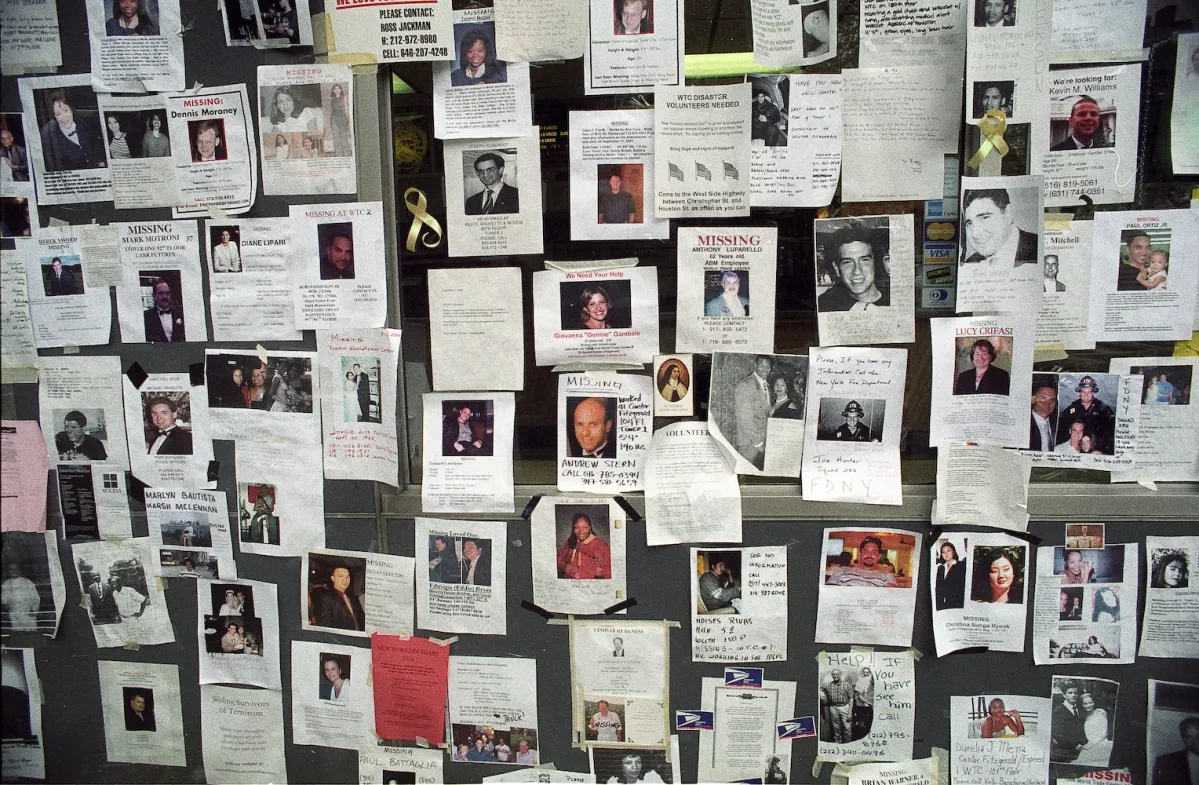
There’s a reason law enforcement agencies now maintain social accounts and why families often turn to platforms in the earliest hours of a disappearance. At its best, social media sleuthing can amplify crucial information and widen the net.
Real benefits we’ve seen
- Rapid awareness: Missing person flyers and vehicle descriptions can circulate widely, especially within relevant geographic areas.
- Tip generation: People who saw something minor might not think it matters until they recognize a detail in a post.
- Public pressure: In some cases, attention can keep a story from quietly evaporating, particularly in communities that feel historically ignored.
- Documentation: Reddit-style aggregation can preserve articles, statements, and timelines that later become useful for journalists and advocates.
The keyword is useful. Awareness isn’t automatically assistance. The difference often comes down to whether content directs people toward verified information and appropriate reporting channels.
Where it goes wrong
The downside of mass participation is that mistakes also scale. In an active case, the public doesn’t just “discuss” consequences. It can create them.
Misinformation hardens into “fact”
A rumor starts as “I heard,” becomes “allegedly,” and then turns into a confident voiceover: “Here’s what happened.” Once a claim is everywhere, corrections tend not to travel as far. And because platforms reward engagement, the most dramatic version of events often wins.
Innocent people get named
This is the part I wish we talked about more bluntly. Online sleuthing has a recurring pattern: a person on the margins of the story gets framed as suspicious, their photos and employer get posted, and suddenly they’re defending their life against strangers. Sometimes it starts with “just a vibe” or “I’m not accusing, but,” and ends with calls to someone’s workplace.
Even when creators avoid explicit accusations, comment sections don’t. “Just asking questions” can function like an accusation when thousands of people are asking them at someone’s job, in their DMs, and on their family’s pages.
Evidence gets contaminated
When would-be investigators show up to a location, trespass, or “recreate” a scene, they can destroy or alter physical evidence. Even digital leads can be compromised when private accounts are accessed illegally, hacked, or coerced into going public, which can change what’s preserved, what’s authentic, and what’s admissible.
Families get retraumatized
There’s a specific cruelty to waking up and seeing a stranger confidently narrate your worst day for clicks, then watching the comment section debate your loved one’s choices like it’s a TV plot. Families often feel they have to monitor content to protect the record, which becomes its own exhausting job.
Investigations become performance
Creators can feel pressure to post daily “updates,” even when nothing’s confirmed. That pressure rewards speculation, not patience. And it can distort what audiences expect from law enforcement, who may be strategically quiet for reasons that don’t fit into a 45-second recap.
It can also do real-world damage in small, practical ways: a search area gets crowded with onlookers chasing content, or a memorial becomes a backdrop for hot takes. Even without bad intent, the ripple effects add up.

The algorithm isn’t your editor
Traditional journalism has flaws, plenty of them, but it also has friction: editors, legal review, corrections standards, and a professional cost for getting it wrong. Social media has a different kind of accountability, and it’s often backwards. The content that performs best isn’t necessarily the content that’s most accurate, most cautious, or most humane.
On TikTok, a creator who says “We don’t know yet” risks being scrolled past. On Reddit, a comment that starts with “I work in law enforcement” can gain authority without verification. On every platform, engagement can turn into credibility by sheer repetition.
That doesn’t mean creators can’t do responsible work. It means the system doesn’t naturally reward it, which is why audiences have to learn to slow themselves down.
True crime and active cases
We’re living in an era where true crime is also a fandom language. People talk in episode arcs, twists, and “theories,” even when the story’s unfolding in someone’s real neighborhood.
This is where the intersection gets tricky. A docuseries invites you to binge a case with a beginning, middle, and end. An active investigation doesn’t. When audiences carry the expectations of entertainment into an unfolding case, they sometimes treat uncertainty like a puzzle meant to be solved publicly.
It’s not wrong to be curious. It’s human. The ethical line is whether our curiosity turns victims and witnesses into content prompts instead of people.
How to follow responsibly
If you’re reading this, you probably care about justice. Most people engaging with these platforms do. Here are practical ways to stay informed while minimizing collateral damage:
Do
- Prioritize primary sources when available: official statements, court filings, verified press conferences, and reputable local reporting.
- Share official tip lines instead of speculative threads. If you post about a case, include the agency’s contact information.
- Keep names out when someone hasn’t been publicly identified by authorities as a suspect or person of interest.
- Think locality: boosting a flyer in the relevant region can be more helpful than broadcasting theories worldwide.
- Leave room for uncertainty. “We don’t know” isn’t boring. It’s honest.
Don’t
- Don’t dox: addresses, workplaces, family members, and private accounts aren’t investigative tools.
- Don’t contact potential witnesses to interrogate them. If you have a real tip, send it to the proper channel.
- Don’t treat “body language analysis” as proof. Grief and shock don’t follow a script.
- Don’t post unverified audio enhancements or “cleaned up” clips as fact. These can be wildly misleading.
- Don’t show up at search sites, memorials, or private property for content.
Extra caution with minors
If a child or teen is involved, raise your standards, not your volume. Even when a name or photo is “out there,” resharing can multiply harm: harassment at school, long-term digital footprints, and strangers treating a minor like a character. When in doubt, don’t share identifying details, and follow the family or agency’s lead.
What pros are adapting to
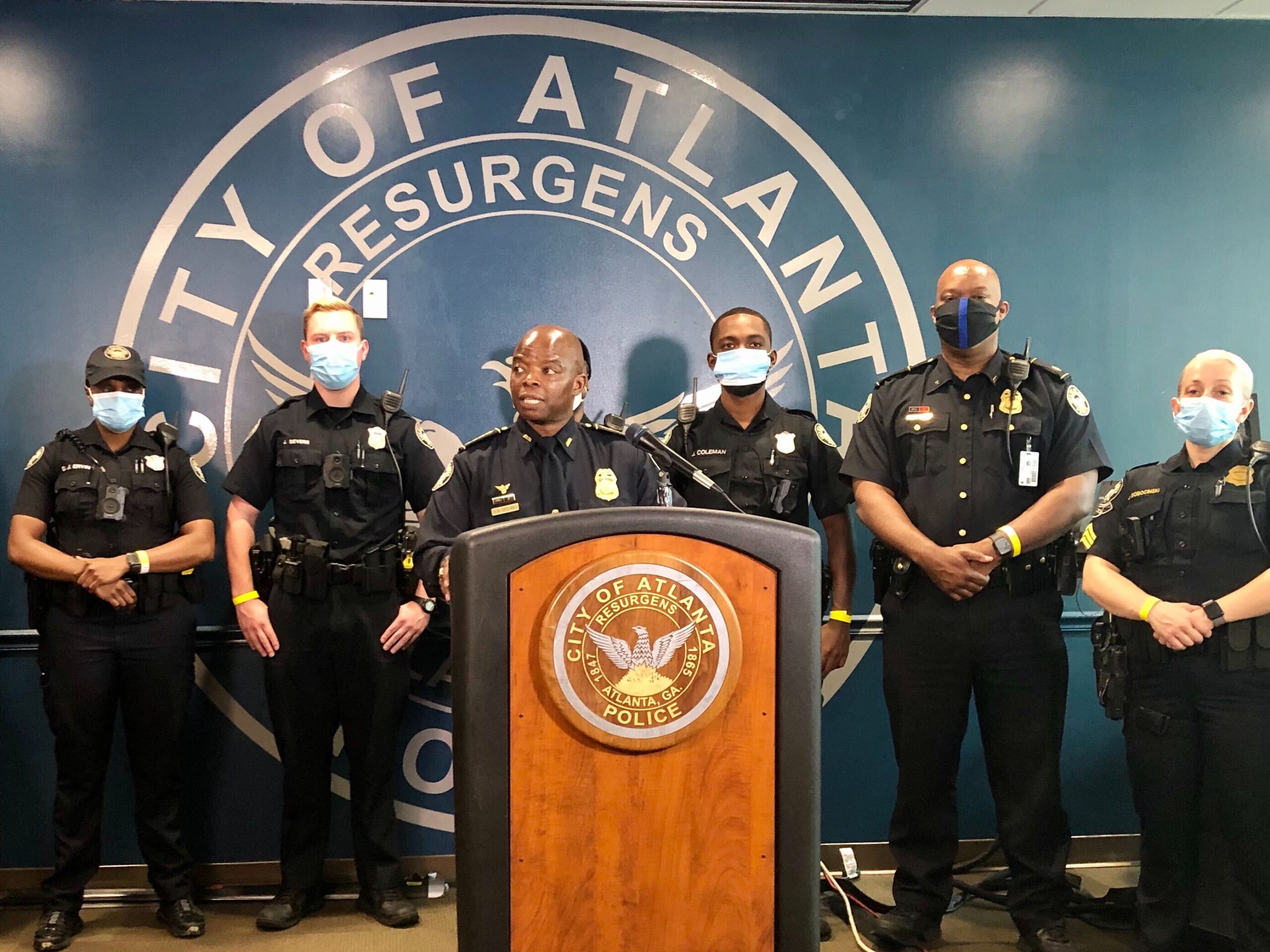
Agencies and newsrooms aren’t ignoring the TikTok sleuth era. They’re adjusting, sometimes awkwardly, sometimes strategically.
- Faster public messaging: More real-time updates to correct misinformation and direct tips.
- Digital evidence intake: Handling floods of screenshots, videos, and “found” content that may or may not be authentic.
- Rumor control: Spending time debunking claims that never should’ve reached the scale they did.
- Safety planning: Protecting witnesses, families, and even investigators from harassment.
For journalists, the job now includes a new kind of verification: not only confirming what happened, but tracing where a claim originated and why it spread. Sometimes the story is the misinformation itself, and the harm it caused.
Before you hit post
When I’m covering an active case, I come back to a few questions that help separate curiosity from contribution. If you’re about to share a theory, a screenshot, or a “suspicious” detail, ask:
- Would I say this in a room with the victim’s family?
- Is this information verified, and can I name the source without hand-waving?
- Could this post cause a real person to be harassed or endangered?
- Am I directing people to help, or just inviting them to speculate?
- If I’m wrong, who pays for it?
The last one matters most. Online, the person who’s wrong often logs off. The person harmed can’t.
If you shared something wrong
It happens. Here’s how to clean it up without making it worse:
- Correct it where you posted it, clearly and plainly. Don’t bury the correction in a comment thread.
- Delete when appropriate, especially if it includes identifying details about private individuals. If you delete, still post a brief correction explaining what was wrong so the claim doesn’t live on unchallenged in screenshots.
- Don’t blame “the internet”. Own the mistake, then stop feeding it.
- Redirect to verified sources and the official tip line if the case is active.
FAQ
Is it illegal to sleuth online?
Reading public information and discussing a case is generally legal. The legal risk climbs when people cross into harassment, threats, defamation, impersonation, trespassing, or sharing private identifying information. Even when something isn’t illegal, it can still be harmful or ethically indefensible.
Can TikTok actually solve cases?
Social media can help generate tips and locate missing persons, and sometimes it surfaces information that prompts legitimate leads. “Solve” is a bigger claim. Investigations are resolved through evidence, due process, and verifiable facts, not virality.
Why do creators accuse people so quickly?
Because certainty performs well. Accusations create a villain, and villains create engagement. That’s exactly why audiences have to resist the format’s pressure and insist on sourcing and restraint.
What should I do if I think I have a real tip?
Send it to the official tip line or investigating agency, not a creator, not a subreddit moderator, and not the comment section. Include what you saw, when, where, and why you believe it matters. Then let investigators do their jobs.
The bottom line
The rise of the TikTok sleuth isn’t a punchline, and it isn’t inherently a menace. It’s a reflection of something real: people want to participate in justice, especially when institutions feel slow or opaque. But participation without guardrails can turn a tragedy into a public guessing game.
If true crime’s going to be more than entertainment, the standard can’t be “Did this go viral?” It has to be “Did this help, and did it protect the people at the center of the story?”