Wrongful conviction documentaries are some of the hardest true crime stories to watch, not because they are twisty, but because they are ordinary. A bad assumption. A shaky identification. A confession that should have raised alarms. A lab result treated like gospel. A defense team without resources. A prosecutor who does not want to be wrong.
If you are looking for true crime that actually changes the way you understand the system , this is the corner of the genre that tends to stick with you. Below are the documentaries I recommend most, with a quick note on the central case and why each title is worth your time.
Documentaries worth watching
Most of the cases below are U.S.-based, simply because that is where the genre has been most heavily documented and distributed. Where a title is debated for what it emphasizes or leaves out, I call that out, because good viewing habits matter.
The Thin Blue Line (1988)
Central case: Randall Dale Adams was convicted of murdering Dallas police officer Robert W. Wood, based heavily on shifting accounts from teenager David Ray Harris and a case that leaned on narrative certainty over clean proof, including disputed ballistics.
Why it is worth watching: Errol Morris helped define the modern investigative documentary here. The film is meticulous about contradictions, incentives, and how a story becomes “truth” once the system repeats it often enough. It is also a sobering reminder that a wrongful conviction can look tidy on paper while being a mess in real life.
Paradise Lost: The Child Murders at Robin Hood Hills (1996)
Central case: The “West Memphis Three,” Damien Echols, Jason Baldwin, and Jessie Misskelley Jr., were convicted in the 1993 murders of three eight-year-old boys in West Memphis, Arkansas.
Why it is worth watching: The first film in the trilogy captures how moral panic and a hunger for closure can warp an investigation. It is also essential viewing for understanding the long arc of post-conviction advocacy, how public attention can help, and how it can sometimes distort.
Capturing the Friedmans (2003)
Central case: Arnold Friedman and his son Jesse were accused of child sexual abuse in Great Neck, New York, after allegations surrounding computer classes in the late 1980s.
Why it is worth watching: This is not an “easy” innocence narrative, and that is precisely why it belongs on this list. The documentary is a case study in interrogation pressure, community fear, and the ways a family can be destroyed when the factual record stays contested and incomplete, full of allegations, pressure points, and questions that never fully settle.
Dear Zachary: A Letter to a Son About His Father (2008)
Central case: After the murder of Dr. Andrew Bagby, his close friend Kurt Kuenne documents the aftermath, including the criminal justice and family court decisions involving Bagby’s former partner, Shirley Jane Turner.
Why it is worth watching: While not a wrongful conviction story, it is a vital companion piece about system failure, court discretion, and how procedure can eclipse safety. If you care about reform, this film shows how devastating the wrong call can be even without a jury verdict driving it.
Making a Murderer (2015)
Central case: Steven Avery’s murder conviction, following his earlier exoneration for a separate sexual assault, and the case against Brendan Dassey, whose interrogation and confession became central to his conviction.
Why it is worth watching: Few series have made more people argue about evidence, interrogations, and media bias at dinner tables. It is also a useful reminder that popular documentaries can be both powerful and contested. The value here is in how it forces viewers to sit with uncertainty while scrutinizing investigative choices, confession reliability, and the enormous leverage the state holds in plea bargaining and charging.
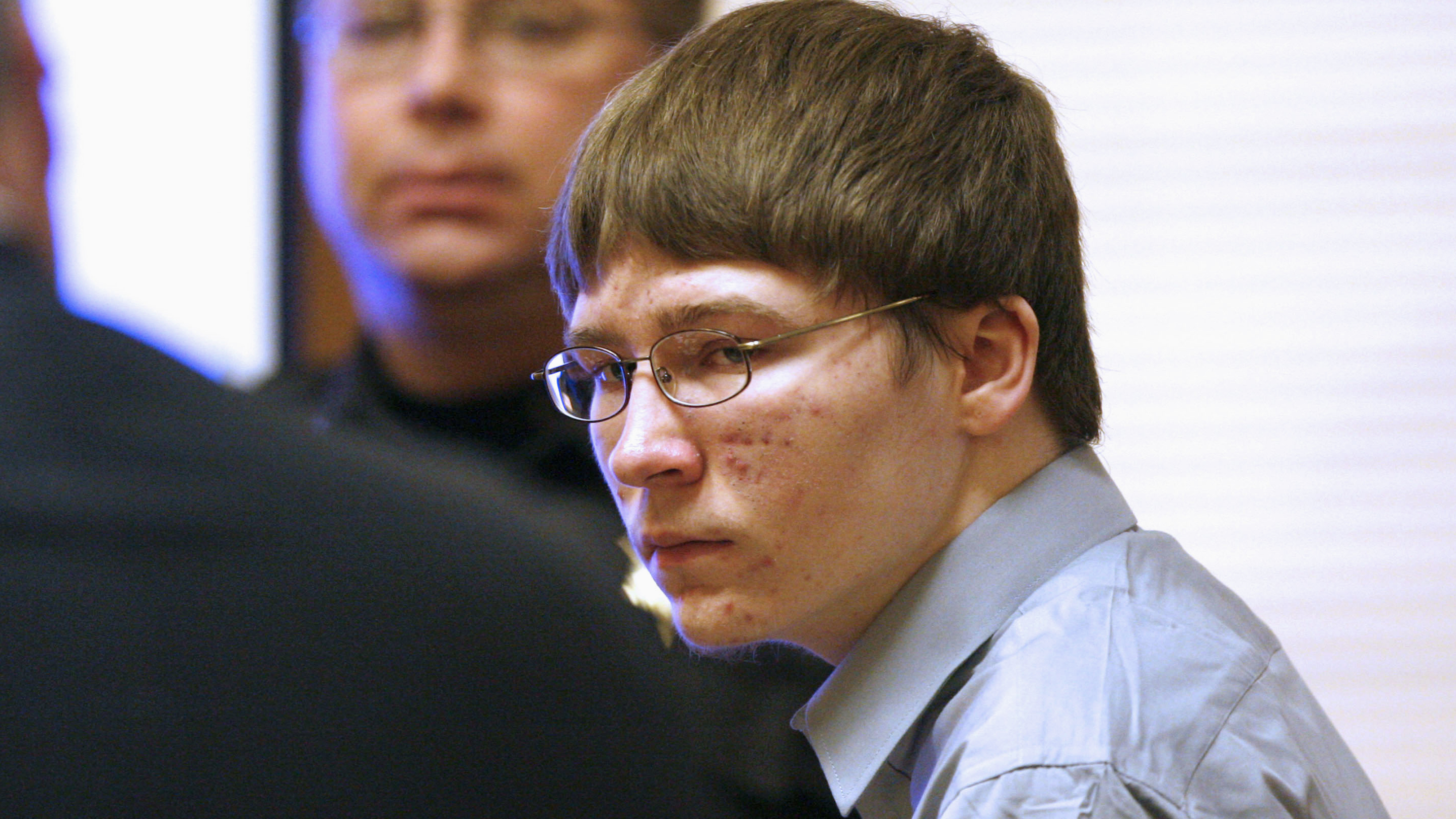
The Central Park Five (2012)
Central case: The wrongful convictions of Antron McCray, Kevin Richardson, Yusef Salaam, Raymond Santana, and Korey Wise for the 1989 assault and rape of a jogger in Central Park.
Why it is worth watching: It is a clear, painful explanation of how coerced confessions, public pressure, and dehumanizing narratives can lock in a result. The film also tracks what exoneration does not fix, including trauma, lost time, and reputational harm that lingers long after legal innocence.
The Jinx: The Life and Deaths of Robert Durst (2015)
Central case: The documentary focuses on Robert Durst and multiple deaths connected to him, including the disappearance of his wife Kathleen McCormack Durst and the murder of Susan Berman, for which Durst was later convicted.
Why it is worth watching: This one sits adjacent to wrongful conviction viewing because it highlights the other side of the coin: when the wrong person is not held accountable for a long time. It is a sharp look at privilege, investigative limitations, and how accountability can be delayed, sometimes for decades.
Long Shot (2017)
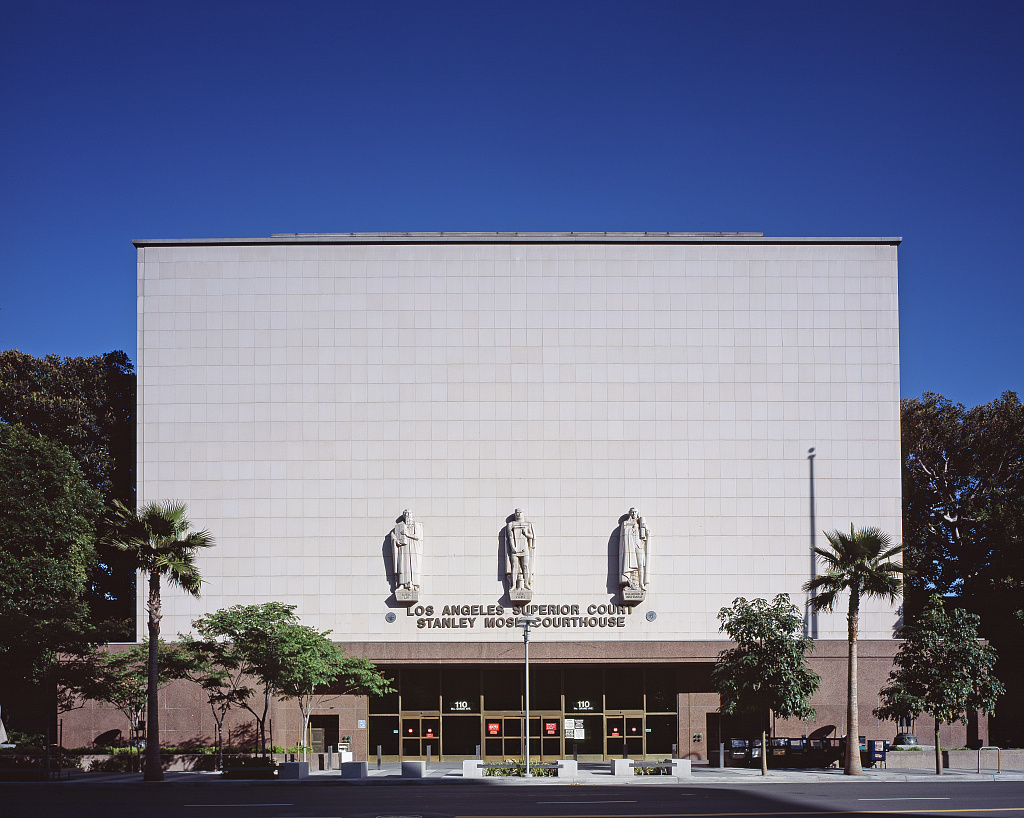
Central case: Juan Catalan was charged with a 2003 murder in Los Angeles, and an unexpected piece of video evidence connected to a TV production became crucial to his defense.
Why it is worth watching: It is one of the most accessible illustrations of how an innocent person can be swept up in circumstantial evidence, and how exonerating proof can come from unlikely places. It also shows the financial and emotional cost of proving a negative.
The Confession Tapes (2017)
Central cases: Each episode examines a different conviction where the confession is questioned, often involving vulnerable suspects, lengthy interrogations, or disputed forensic claims.
Why it is worth watching: Not every episode lands equally, but the series is a strong primer on why confessions are not the same thing as truth. Watch for the themes that repeat: isolation, fatigue, leading questions, and the psychological relief people will chase just to end an interrogation.
Who Killed Garrett Phillips? (2019)
Central case: The 2011 killing of 12-year-old Garrett Phillips in Potsdam, New York, and the prosecution of Oral “Nick” Hillary, an ex-boyfriend of Garrett’s mother.
Why it is worth watching: This is a careful look at tunnel vision and how an investigation can settle on a suspect early, then shape the evidence around that decision. It is also a reminder that a flawed prosecution can coexist with an unresolved crime, leaving everyone without real answers.
Strong Island (2017)
Central case: The 1992 shooting death of William Ford, Jr. on Long Island, told by his brother, filmmaker Yance Ford, and the decision not to prosecute the shooter.
Why it is worth watching: Again, not a wrongful conviction narrative, but essential context for anyone trying to understand injustice. Wrongful convictions and wrongful non-prosecutions share DNA: bias, credibility judgments, and whose pain is treated as urgent. This film is intimate, rigorous, and devastating.
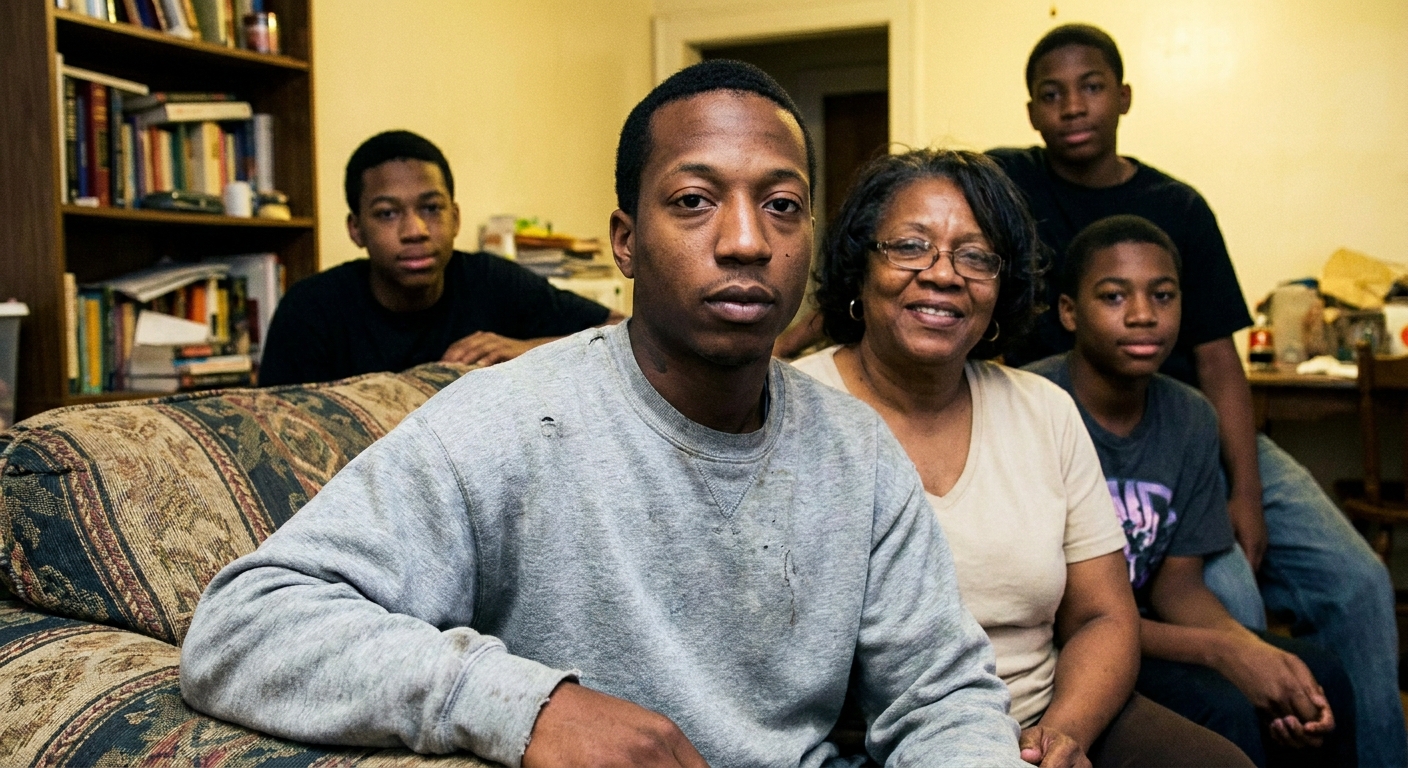
Time: The Kalief Browder Story (2017)
Central case: Kalief Browder was jailed at Rikers Island for about three years as a teenager after being accused of stealing a backpack, maintained his innocence, and was never convicted.
Why it is worth watching: It widens the frame beyond trial verdicts. The documentary shows how pretrial detention and delay can punish people as harshly as a sentence. If you want to understand how innocence can still cost someone everything, this series does not let you look away.
What to look for
- Primary records on screen: trial transcripts, police reports, lab notes, full interrogation video, and appellate filings, not just summaries .
- Transparency about what is unknown: the best films show gaps instead of papering over them with ominous music.
- Respectful treatment of victims: a wrongful conviction story is not “solved” just because a conviction is questioned. The victim still deserves truth and care.
- Context around forensics and incentives: unreliable methods, junk science, paid experts, jailhouse informants, and plea pressure should be explained plainly.
- Awareness of harm: to the wrongfully convicted, to their families, and to the victim’s loved ones who were promised closure.
FAQ
Are wrongful conviction documentaries always accurate?
No documentary is a substitute for the full record. Even strong films have a point of view, and limited runtime forces choices. If a title makes a big claim, I always recommend looking up the appellate history, reading key motions when available, and checking what evidence was excluded or contested at trial.
What causes wrongful convictions?
Across exoneration research and case histories, patterns repeat: mistaken eyewitness identification, false or coerced confessions, unreliable forensic methods, incentivized informant testimony, inadequate defense resources, and investigative tunnel vision. Often, it is not one failure, but several stacking on top of each other.
Where should I start?
If you want a foundation, start with The Thin Blue Line. For a modern, widely discussed series, try The Central Park Five or Time: The Kalief Browder Story. If you prefer a tightly constructed “how did we prove it” story, Long Shot is a great entry point.
Care note
These stories can be activating, especially if you have lived experience with the courts, incarceration, or trauma. It is okay to pace yourself, to skip graphic details, and to remember that being a thoughtful viewer is not the same as being an endlessly available one .
If there is a wrongful conviction documentary you think handles the human stakes especially well, send it my way. I am always updating my watchlist, and I am always looking for work that treats people like people.