Cult documentaries can be hypnotic for the same reason cults are. They promise an explanation, a neat narrative, a villain, a reveal. The best ones resist that pull. They show how coercion actually works, how smart people get trapped, and what it takes to leave. Below are the documentaries I recommend when you want something genuinely investigative and, yes, watchable, without turning real harm into entertainment.

Gentle note: Many of these films include themes of sexual abuse, psychological coercion, child endangerment, and mass death. If you are watching with someone who has lived through high-control dynamics, it can help to pause often, check in, and skip anything that feels activating.
Quick picks
- For clean, methodical reporting: Wild Wild Country
- For a doomsday case with urgent stakes: Sins of Our Mother
- For internal materials and a legal arc: The Vow
- For history and context: Jonestown: The Life and Death of Peoples Temple
- For a modern, wide-angle story of control: Keep Sweet: Pray and Obey
Best cult and doomsday documentaries
Wild Wild Country (2018, 6 episodes, Netflix, availability varies)
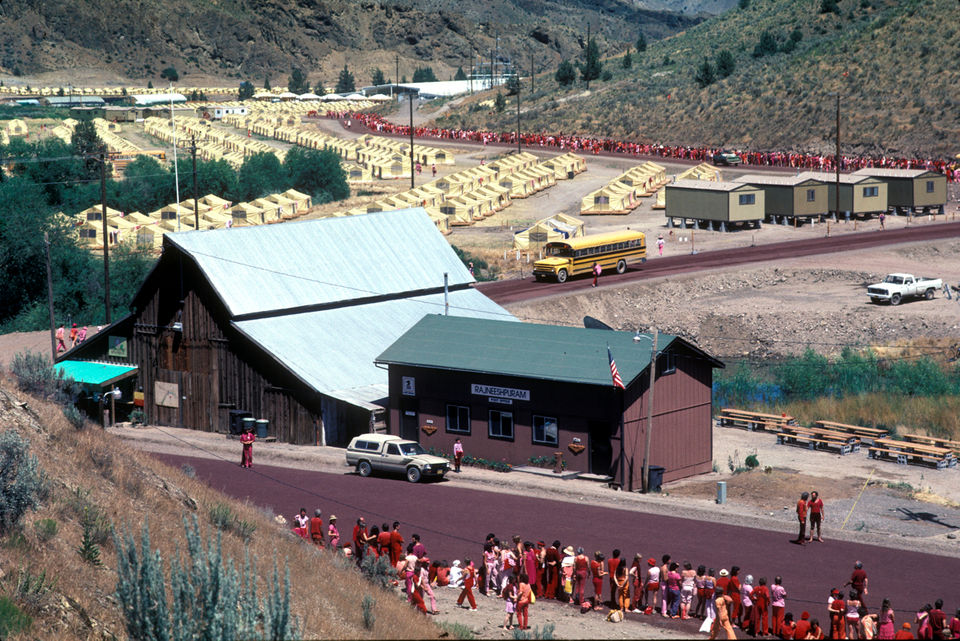
What it covers: Bhagwan Shree Rajneesh (Osho), his followers, and the clash between the Rajneeshee community and residents of rural Oregon in the 1980s.
Why it stands out: It is the rare series that works as a political thriller and a psychological case study at the same time. The archival footage is startling, the interviews are candid, and the reporting keeps widening the lens: charisma, power, media panic, and the very real criminal conduct that followed. It also stays grounded in a key reality check: this was not just a weird commune story, it became a fight over land, elections, and public safety.
Investigative value: Excellent for understanding how a movement can pivot from spiritual branding to operational strategy. The series details the 1984 Rajneeshee salmonella poisoning in The Dalles, widely described as the largest bioterror attack on U.S. soil. It also examines alleged fraud and pressure-campaign tactics around immigration and local elections as presented in the reporting and legal record discussed in the series. Best for: viewers who want context, timelines, and lots of primary material.
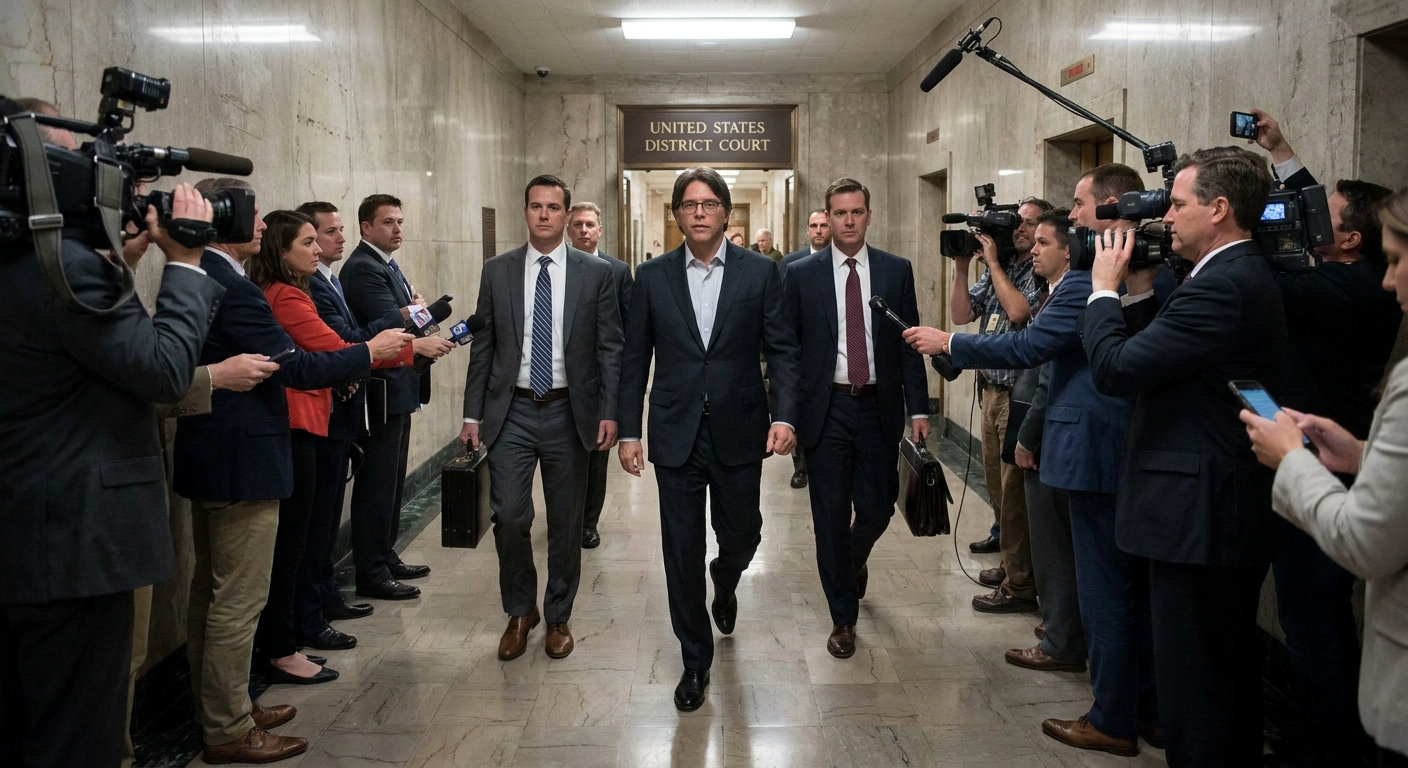
The Vow (2020, docuseries, Max, availability varies)
What it covers: NXIVM, Keith Raniere, and the inner workings of a self-help organization that evolved into a high-control environment, including the secretive DOS subgroup.
Why it stands out: The access is both the strength and the discomfort. You are watching people who were inside the system process their own choices in real time. It is messy, human, and often infuriating, which is frequently what coercive dynamics look like from the inside.
Investigative value: Strong on the mechanics of recruitment and retention, including internal trainings, private messaging, and recorded conversations where the group’s language reframes harm as “growth.” It also tracks the public unraveling and legal consequences around Raniere’s federal criminal case. Best for: viewers who want process, insider perspective, and materials that show how belief and pressure were taught.
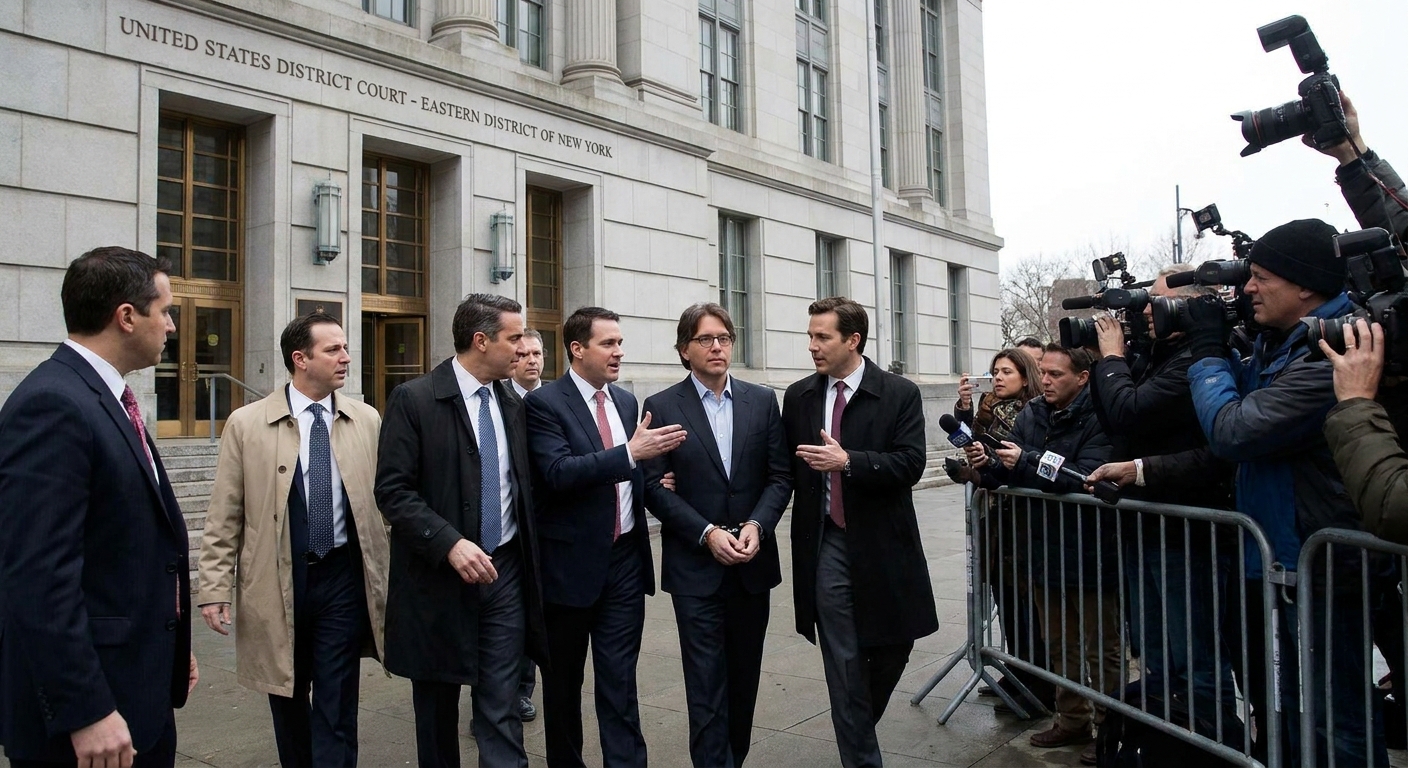
Seduced: Inside the NXIVM Cult (2020, 4 episodes, Starz, availability varies)
What it covers: NXIVM, primarily through India Oxenberg’s experience and the arc of her recruitment, indoctrination, and exit.
Why it stands out: Where some NXIVM coverage can drift into organizational sprawl, Seduced stays anchored in survivor reality. It is direct about grooming and control, and it captures the emotional logic that kept people compliant.
Investigative value: A strong companion watch to The Vow because it foregrounds harm and the tactics that made the harm possible, including “collateral” and the way secrecy is used as leverage. Best for: viewers who want a survivor-first narrative and a clear through-line from charm to coercion.

Keep Sweet: Pray and Obey (2022, 4 episodes, Netflix, availability varies)
What it covers: The Fundamentalist Church of Jesus Christ of Latter-Day Saints (FLDS), Warren Jeffs, and the community’s control structures, told through survivor accounts and case reporting.
Why it stands out: It lays out a terrifyingly efficient system: isolation, reassignment of families, control of marriage and labor, and the spiritual justification used to enforce obedience. The survivors’ testimony is the center of gravity here, not the spectacle.
Investigative value: Clear depiction of structural coercion and the way a closed community can function like its own legal order. Jeffs was convicted in Texas in 2011 in a child sexual assault case and sentenced to life in prison, and the series helps explain how power can persist even after a leader is incarcerated. It also avoids framing that history as a single moment by showing how authority was built over years and enforced through routine controls. Best for: viewers looking for a big-picture map of how control becomes ordinary, especially for children raised inside.
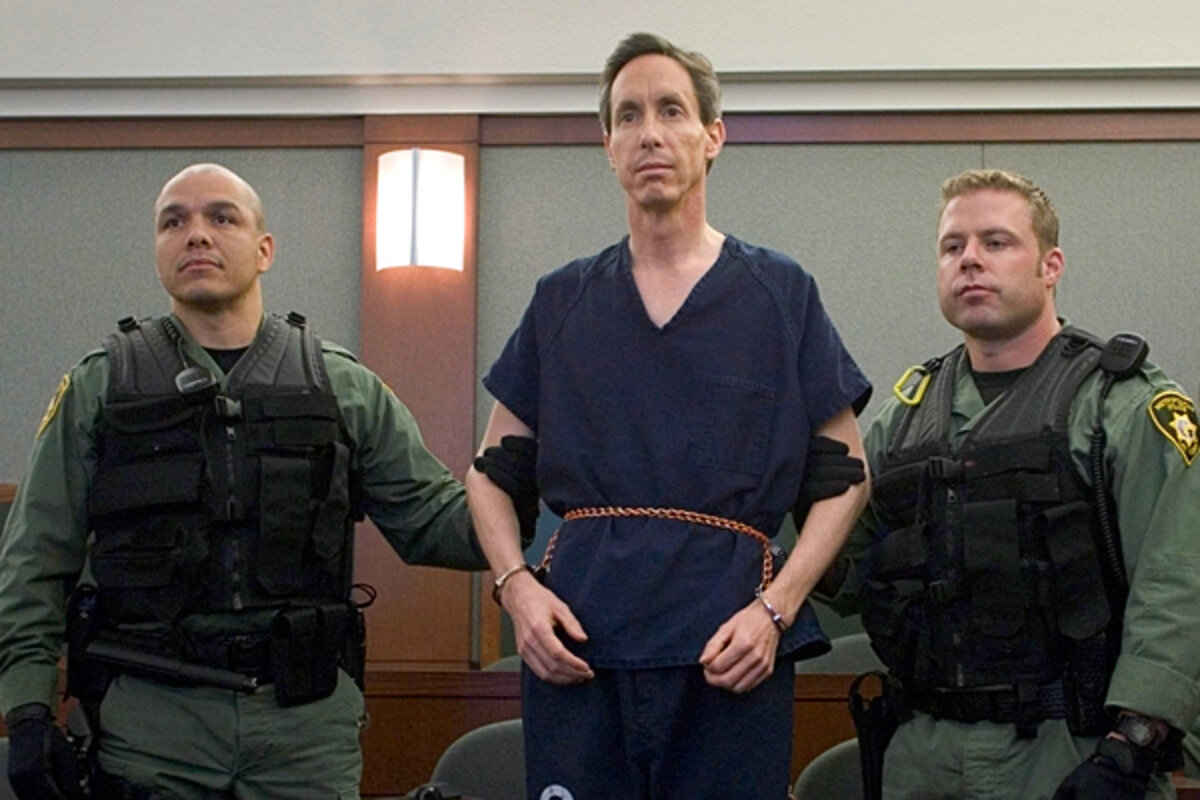
Jonestown: The Life and Death of Peoples Temple (2006, film, PBS, availability varies)
What it covers: Jim Jones, Peoples Temple, and the path to the 1978 mass death in Jonestown, Guyana.
Why it stands out: It is devastating, carefully reported, and historically grounded. This is not a “how could they” film. It treats followers as human beings, shows the movement’s early appeal, and charts the escalating paranoia and control that trapped people.
Investigative value: Essential for understanding the doomsday turn: isolation, fear, surveillance, and the weaponization of loyalty. It also avoids easy shorthand by acknowledging what many survivors and investigators emphasize: the final night included coercion and murder, not a simple story of voluntary self-destruction. Best for: viewers who want depth, history, and responsible framing.
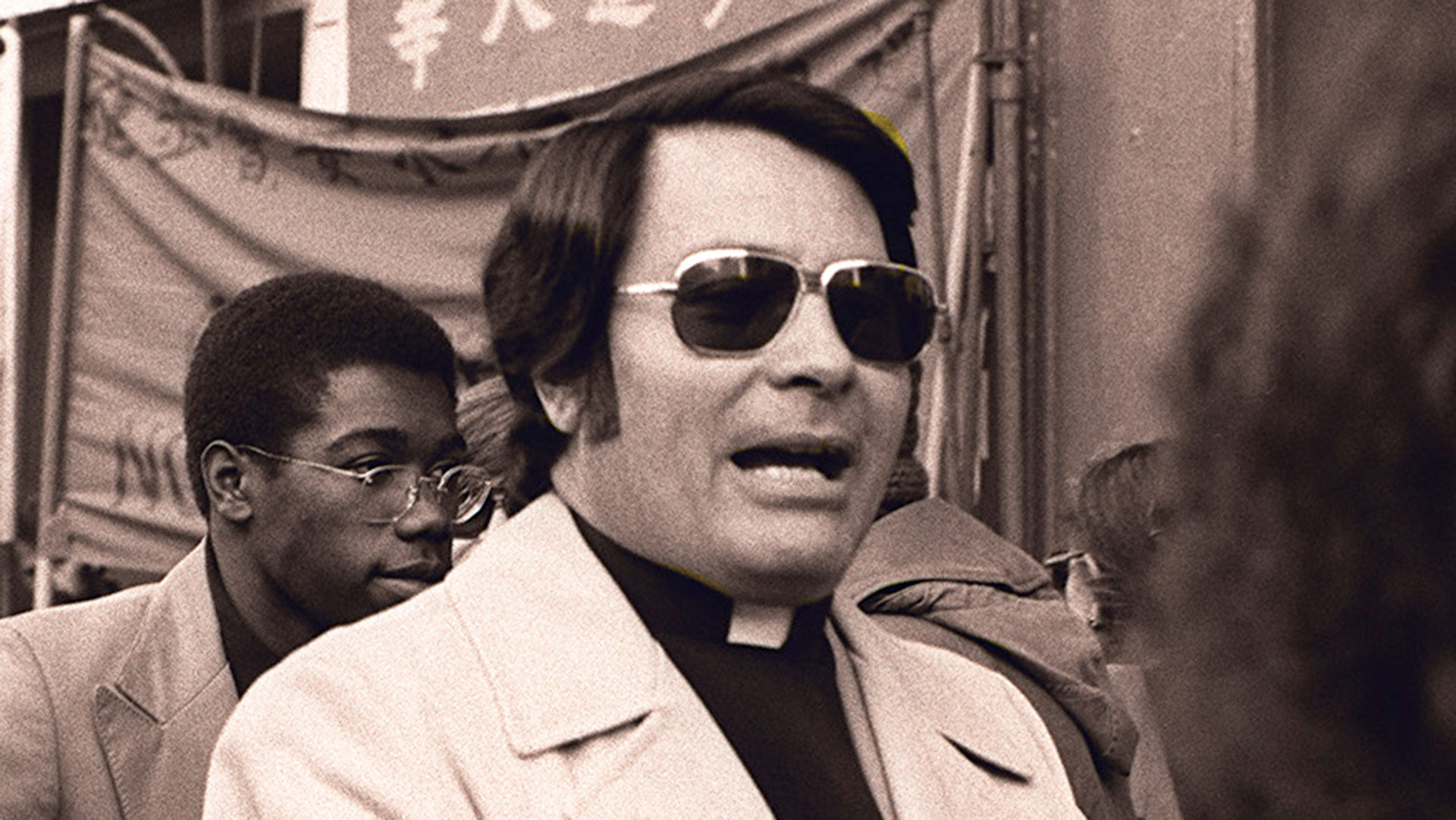
Heaven’s Gate: The Cult of Cults (2020, 4 episodes, Max, availability varies)
What it covers: Marshall Applewhite, Bonnie Nettles, and Heaven’s Gate, including the group’s belief system and the 1997 mass death, often described as a mass suicide, in Rancho Santa Fe, California.
Why it stands out: It makes space for complexity, including the group’s early evolution and the members’ search for meaning. It also refuses to treat the story as a pop-culture punchline, which matters with Heaven’s Gate because the internet has flattened it into a meme.
Investigative value: Good at showing how totalizing belief can become when you narrow a person’s world to a single community, a single narrative, a single “exit.” The series also benefits from its use of member materials and interviews that keep the focus on gradual commitment, not just the ending. Best for: viewers who want a careful, psychologically attentive approach rather than shock value.

The Way Down (2021, docuseries, Max, availability varies)
What it covers: Gwen Shamblin Lara, the Remnant Fellowship, and a belief system that blended diet culture, control, and religious authority.
Why it stands out: It captures how “self-improvement” can be the front door to coercion, especially when a leader positions thinness or purity as proof of spiritual worth. It is also a study in image management and high-control religiosity in plain sight.
Investigative value: Strong on social reinforcement: how communities reward conformity and punish doubt until people confuse compliance with faith. It also shows how the group’s public-facing aesthetics can operate as reputation armor. Best for: viewers interested in how control can hide inside everyday respectability.

Holy Hell (2016, film, available to rent)
What it covers: The Buddhafield community and leader Michel (also known as Andreas), told largely through the lens of a former member who documented life inside for years.
Why it stands out: The inside footage is the point. You are not just being told what the group felt like. You can watch the gradual normalization of control, the social hierarchy forming, and the way members learn to narrate away red flags. Some of the most unsettling moments are mundane: the daily “corrections,” the social punishment, the quiet consensus that the leader’s whims are spiritual truth.
Investigative value: A practical education in how coercion can look quiet and aspirational, and how documentation becomes evidence after the fact. Best for: viewers who learn best by observing group dynamics play out in real time.
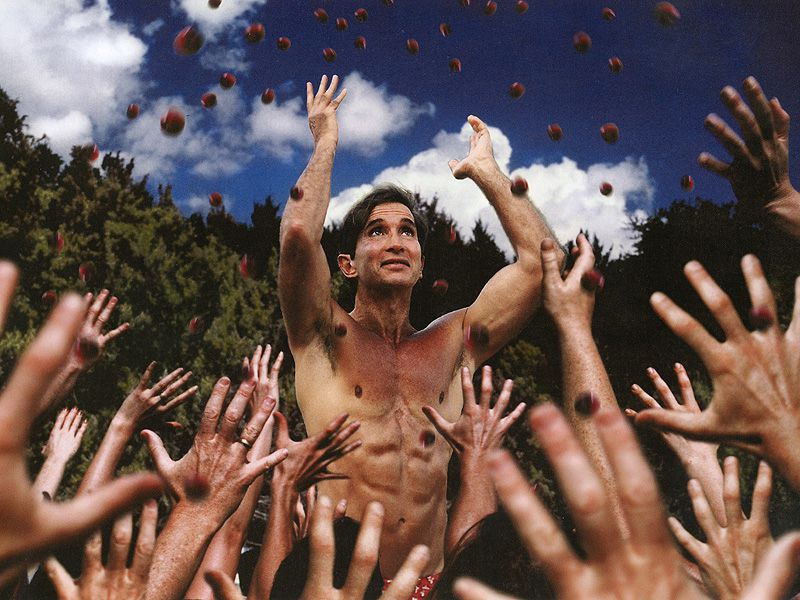
Going Clear (2015, film, availability varies)
What it covers: Scientology’s structure and practices, with testimony from former members and extensive archival material.
Why it stands out: It is built like an argument. The storytelling is clear, the sourcing is careful, and it outlines allegations about retaliation, disconnection, and internal discipline without relying on sensational flourishes.
Investigative value: Particularly useful for understanding institutional power: how policy, money, and reputation management can enforce silence and sustain control. Its backbone is first-person testimony paired with documents and historical record, which helps keep the story from becoming purely anecdotal. Best for: viewers who want an institutional focus, not just a single leader profile.

Prophet’s Prey (2015, film, available to rent)
What it covers: The FLDS and Warren Jeffs, adapted from journalist Sam Brower’s reporting and focused on efforts to hold leadership accountable.
Why it stands out: If you want the investigative mechanics, this is the one. It tracks the grind: witness interviews, fear, surveillance, and the long, frustrating path toward prosecution.
Investigative value: A close look at how cases involving insular groups can stall, and how persistence, documentation, and the right pressure points can change that. It is also a reminder that “getting out” is not the end of the story when a community still controls housing, family ties, and livelihoods. Best for: viewers who like procedural reporting and accountability journalism.
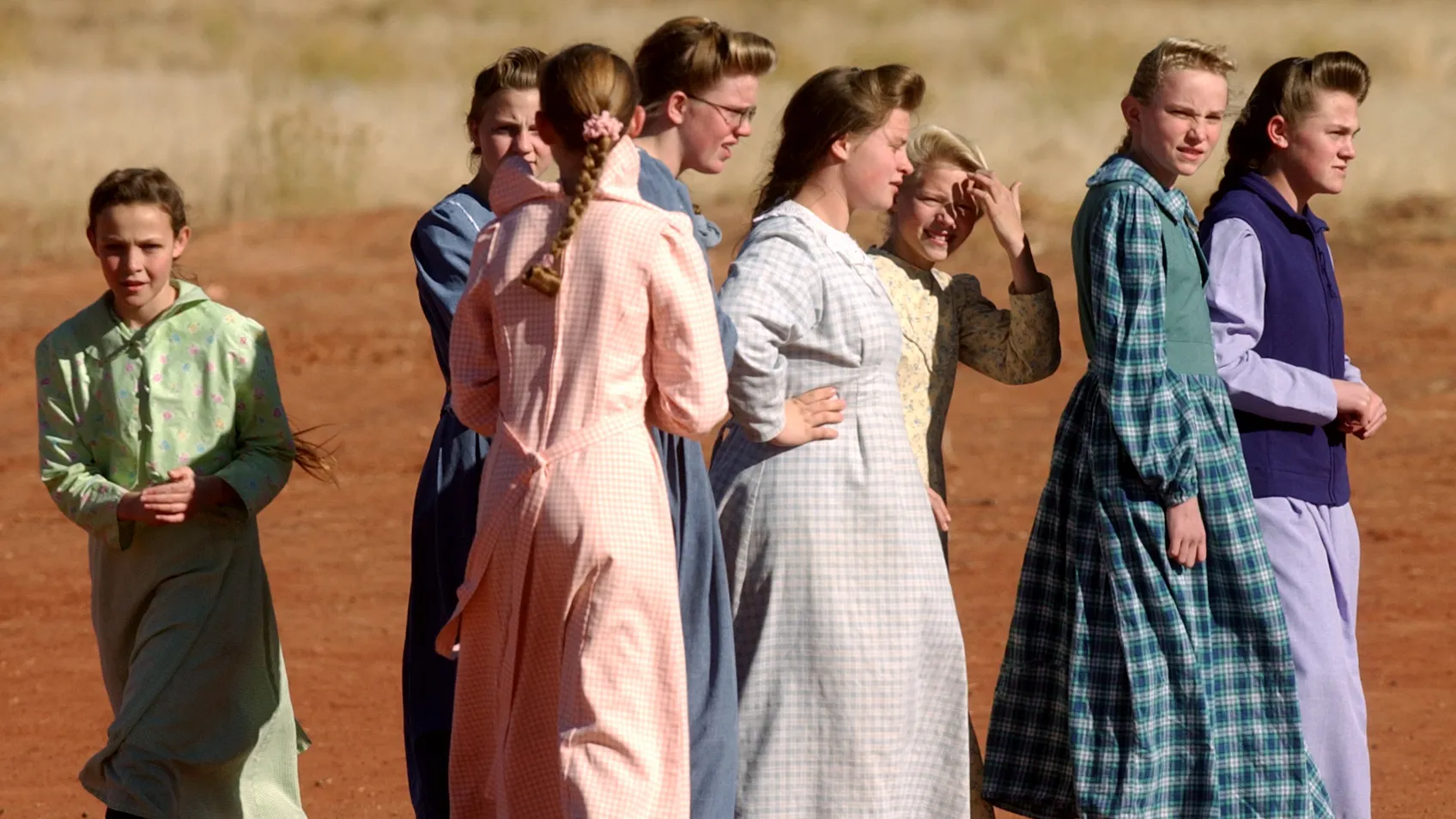
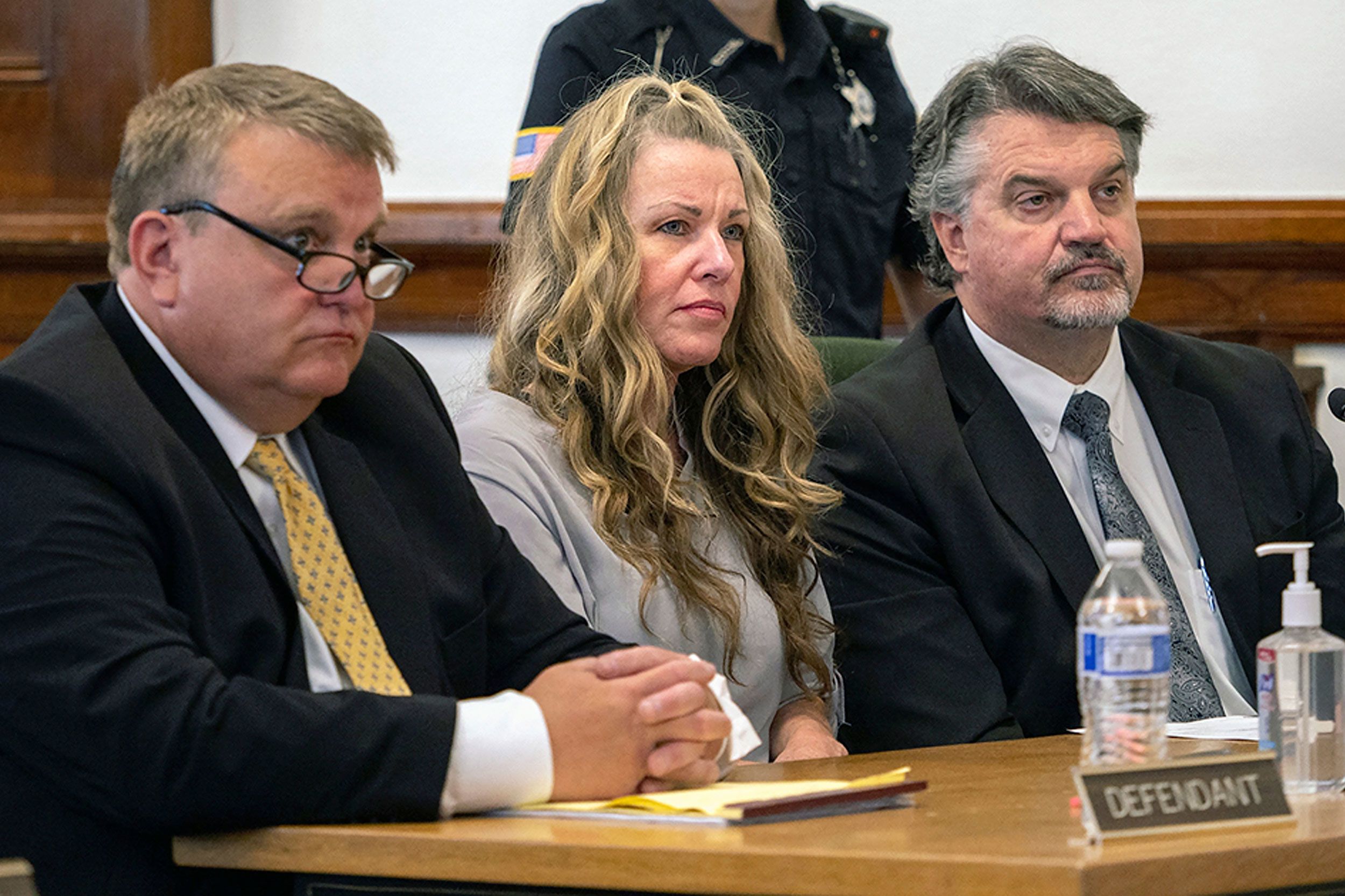
Sins of Our Mother (2022, 3 episodes, Netflix, availability varies)
What it covers: The Lori Vallow Daybell case, doomsday beliefs, and the events surrounding the disappearances and deaths of children connected to her family.
Why it stands out: It is paced like a mystery, but it never lets the human cost drift out of frame. The series is strongest when it traces belief escalation, the social network around Lori, and how spiritual narratives can be used to justify escalating harm.
Investigative value: A sobering case study in modern doomsday ideology and the speed at which prophecy communities can radicalize personal relationships, especially when a small circle starts treating ordinary obstacles as supernatural enemies. It also shows how text messages, family accounts, and timeline reporting can become the clearest map of what happened when public stories keep shifting. Best for: viewers interested in how apocalyptic belief travels through everyday relationships.
The Family (2019, 5 episodes, Netflix, availability varies)
What it covers: The Fellowship Foundation, sometimes referred to as “The Family,” and its influence networks in American politics and religion, as portrayed through investigative reporting and historical accounts.
Why it stands out: Not every high-control story wears the aesthetic of a cult. This series is quieter and more conceptual, focused on ideology, access, and power. It also makes clear what it is built from: investigative reporting, archives, and interviews with participants and observers.
Investigative value: Strong for viewers curious about influence operations and how belief systems can shape policy through relationships rather than compounds. The series presents reporting, allegations, and interpretation rather than courtroom-adjudicated findings, and it benefits from being watched with that distinction in mind. Best for: viewers who want influence and ideology more than lurid detail.

Worth watching
I am always looking for three things: receipts (documents, recordings, court material), process (how reporters and investigators know what they know), and human truth (survivors speaking as full people, not props). If a film gives you only vibes, it can be entertaining, but it is rarely illuminating.
- Clear timeline: You should understand the escalation, not just the outcome.
- Specific tactics: Love-bombing, isolation, sleep deprivation, financial control, confession, disconnection, forced labor, sexual coercion.
- Accountability lens: Who enabled it, who profited, and what systems failed?
- Ethical posture: Victims are not treated as plot twists.
Watch responsibly
Cult content can feel bingeable, and that is not an accident. If you want to keep your footing:
- Pause to name the tactic: When you spot a control move, say it plainly. It helps you stay oriented.
- Hold space for survivors: Notice when the doc lets them be complicated, angry, funny, ashamed, resilient.
- Be skeptical of the “genius leader” myth: Many leaders are less masterminds and more opportunists with time, access, and a feedback loop of fear.
- Read one outside source afterward: A court filing, a longform report, or a reputable book can correct for the limits of a cut-for-TV story.
FAQ
Which is most investigative?
If you want the strongest emphasis on reporting mechanics and evidence, start with Prophet’s Prey, Going Clear, and Wild Wild Country. If you want insider materials that show how a group sells itself from the inside, The Vow is a strong pick.
Which focus on doomsday belief?
Jonestown: The Life and Death of Peoples Temple, Heaven’s Gate: The Cult of Cults, and Sins of Our Mother focus most directly on apocalyptic frameworks and how they collide with real-world violence and mass death.
What should I know about the word “cult”?
“Cult” is a contested term. I am using it here in the everyday sense of high-control groups and movements that use coercion, isolation, and punishment to keep people compliant. Not every new religious movement fits that description, and the best documentaries usually show the difference in the details.
Is availability reliable?
Not always. Streaming catalogs change and can be region-specific. Treat any platform listed here as a starting point, and double-check your local listings or a tool like JustWatch before you plan a watch.