Serial-killer documentaries can be riveting, but the best ones do more than stack shocking details. They show process, pressure-test myths, and make room for the people whose lives were stolen, and the communities left to live with the aftermath. This watch guide is organized by viewing angle, so you can pick what mood you are in: meticulous investigation, rare archival access, or stories that keep victims and survivors at the center.
Quick heads-up before you press play: many of these titles include crime scene discussion, 911 audio, or courtroom testimony. If you are looking for something that prioritizes context over gore, I call that out too. A few picks are serial-killer-adjacent, included on purpose because they are essential for understanding how true-crime stories get built, sold, and sometimes distorted.

Best for investigative depth
If you want reporting that feels like being inside the case file, start here. These lean on documents, interviews, and the mechanics of how investigators actually built or rebuilt a timeline.
Conversations with a Killer: The Ted Bundy Tapes (2019)
- Why it is worth your time: The spine of this series is Bundy’s own recorded interviews, which makes it an unsettling study in manipulation. It is also useful for separating the “charming genius” mythology from the more ordinary reality of predatory behavior and opportunism.
- Viewing angle: Investigation and perpetrator psychology, anchored by period reporting and audio.
- Notable detail: Built around archival tape recordings that let you hear how Bundy narrates, dodges, and reshapes events in real time.
- Format: Limited docuseries.
- Runtime: 4 episodes.
- Where to watch: Netflix.
- Content note: discusses sexual violence and murder in detail.
The Jinx: The Life and Deaths of Robert Durst (2015) and The Jinx Part Two (2024)
- Why it is worth your time: This is serial-killer-adjacent, but it belongs on a killer-doc watchlist because it shows what happens when long-form filmmaking collides with an active criminal-justice reality. The access is unusually intimate, the interviews are tense, and the series is a modern benchmark for how investigative true crime can create real-world pressure on a case.
- Viewing angle: Investigative reporting, access, and the ethics of letting a subject talk.
- Notable detail: The story hinges on extended sit-downs that are allowed to run long enough for contradictions to surface, including the kind of off-guard moments most subjects never give you.
- Format: Limited docuseries.
- Runtime: 2 seasons.
- Where to watch: Max.
The Investigator: A British Crime Story (2016)
- Why it is worth your time: A methodical look at how detectives revisit a case with modern perspective, and how difficult it is to make older evidence speak clearly years later. It is process-heavy in the best way, full of practical investigative decisions rather than tidy TV inevitability.
- Viewing angle: Cold-case reinvestigation and evidentiary problem-solving.
- Notable detail: You see the unglamorous work: re-interviewing witnesses, re-checking timelines, and deciding what to test, chase, or drop when the paper trail is thin.
- Format: Docuseries.
- Runtime: Season-based (multiple series editions).
- Where to watch: Availability varies by region and by series edition. Check BritBox, Prime Video, or your local broadcaster’s listings.
- Note on title/year: Some platforms list this franchise by series number. The 2016 date refers to the initial run of the branded series, but listings may display slightly different naming.

Best for archives and courtroom access
These are the picks when you want primary-source material: contemporaneous news coverage, trial footage, and recordings that put you in the era, for better and for worse.
The Ripper (2020)
- Why it is worth your time: A grim, clear-eyed account of the Yorkshire Ripper case that spends real time on how misogyny and media framing shaped public response and investigative priorities. It does not just run the timeline, it interrogates what the victims were up against long before the killer was identified.
- Viewing angle: Archive-driven case history with institutional critique.
- Notable detail: Uses period TV news clips, press conferences, and reporting from the time to show how assumptions about victims steered public sympathy and policing choices.
- Format: Limited docuseries.
- Runtime: 4 episodes.
- Where to watch: Netflix.
- Content note: violence against women discussed throughout.
Night Stalker: The Hunt for a Serial Killer (2021)
- Why it is worth your time: A propulsive case chronology that keeps most of its focus on Southern California, especially Los Angeles, and the fear that spread as attacks escalated. The series is strongest when it stays with detectives and survivors, showing how chaotic leads were triaged in real time.
- Viewing angle: Manhunt logistics, investigative triage, and public panic.
- Notable detail: Strong on the day-to-day mechanics: tip intake, inter-agency coordination, and how a shifting pattern forces investigators to revise assumptions on the fly.
- Format: Limited docuseries.
- Runtime: 4 episodes.
- Where to watch: Netflix.
- Content note: sexual assault and home-invasion violence discussed.
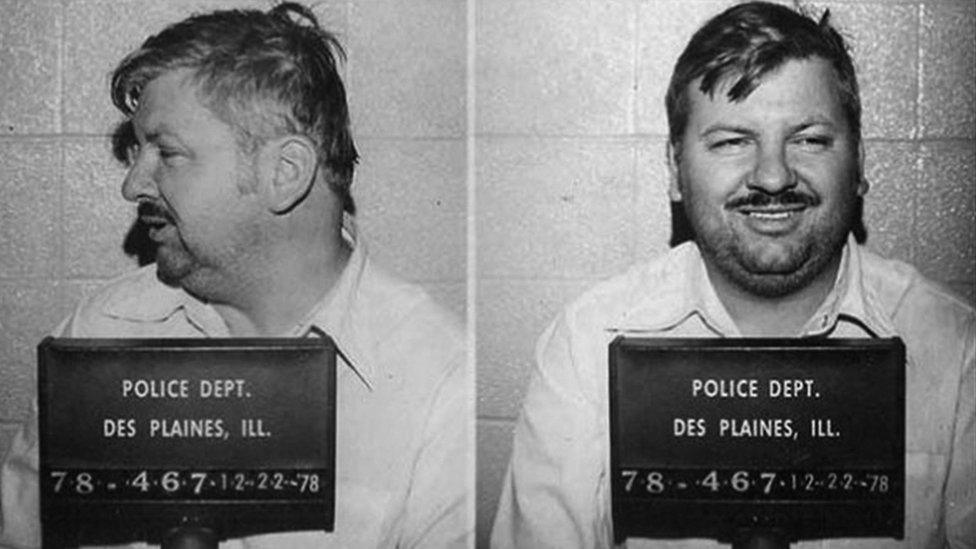
John Wayne Gacy: Devil in Disguise (2021)
- Why it is worth your time: This series uses extensive case material and long-arc reporting to show how Gacy hid in plain sight, and how warnings were missed or minimized. It also makes a visible effort to keep the young men and boys he killed from becoming footnotes.
- Viewing angle: Archive-heavy case reconstruction with broader community context.
- Notable detail: Particularly strong on the sequence of missed opportunities, including how early reports and concerns were handled before the full scope became undeniable.
- Format: Limited docuseries.
- Runtime: 6 episodes.
- Where to watch: Peacock.
Best for victim-focused storytelling
These titles are the ones I recommend when you want the victims to be more than names on a timeline. The emphasis is on lived impact, missed warnings, and the ways communities tried to keep one another safe.
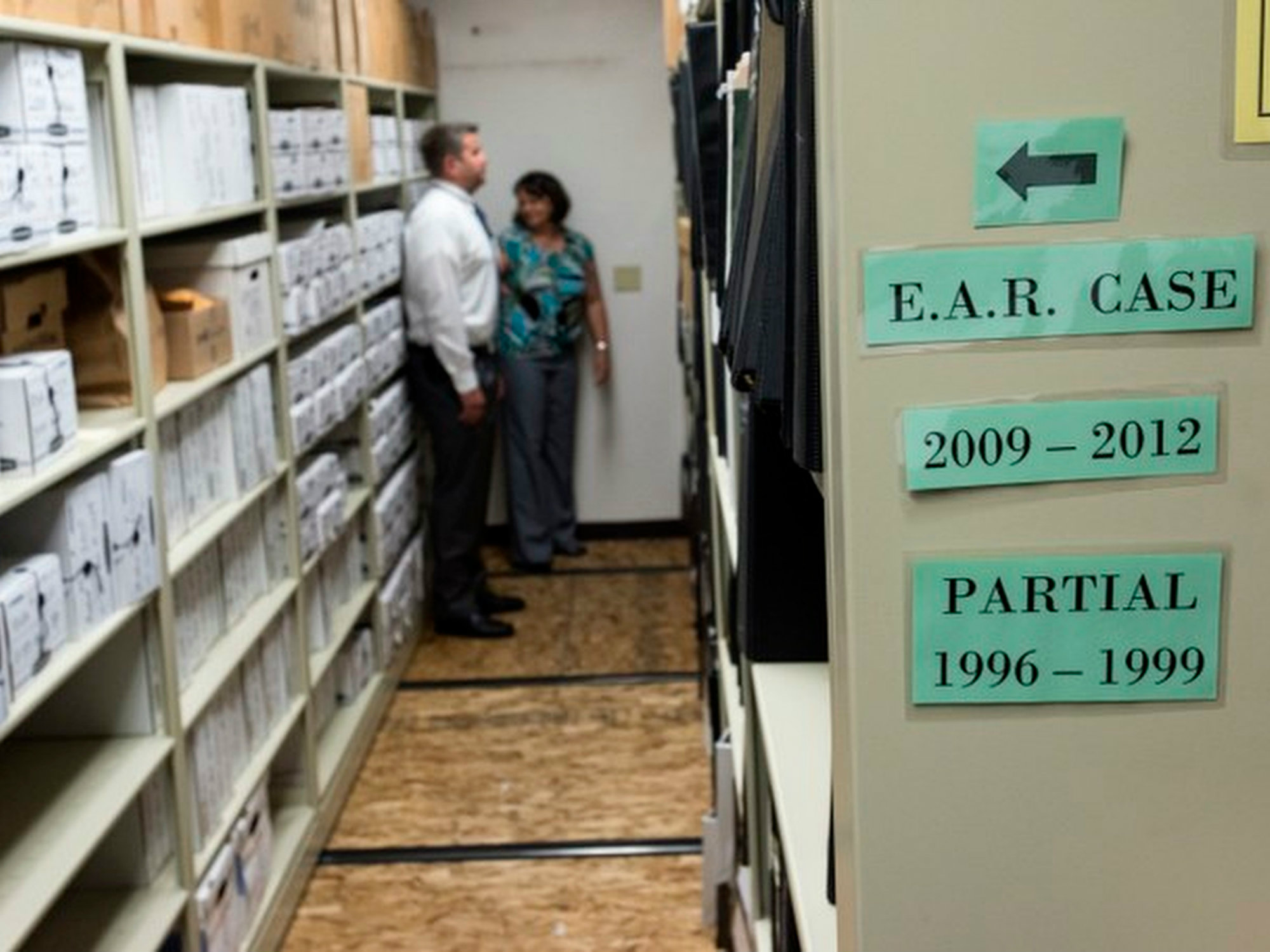
I’ll Be Gone in the Dark (2020)
- Why it is worth your time: Rather than turning the offender into a dark celebrity, this series keeps returning to the people who survived and the families who lived for decades with the unanswered questions. It is also a study in persistence, and in the human cost of a case that stretched across jurisdictions and years.
- Viewing angle: Survivor impact, community fear, and case history across time.
- Notable detail: Moves between survivors’ experiences and the long timeline of a case that stayed open across multiple communities, with journal entries and reporting used as connective tissue.
- Format: Limited docuseries.
- Runtime: 6 episodes.
- Where to watch: Max.
- Content note: sexual violence and home-invasion trauma are discussed.
The Killing Season (2016)
- Why it is worth your time: This series follows journalists as they investigate unsolved murders, with particular attention to how vulnerable victims can be deprioritized. It is not neat, and it does not hand you a clean ending, which is part of what makes it feel closer to reality.
- Viewing angle: Cold cases and advocacy through reporting.
- Notable detail: Shows reporting as a living process, including interviews that dead-end, tips that contradict, and the emotional weight of staying with families over time.
- Format: Docuseries.
- Runtime: 8 episodes.
- Where to watch: Availability varies by region. Check Prime Video, Apple TV Channels, or A+E network options.
The Keepers (2017)
- Why it is worth your time: This is not a serial-killer case, but it is an essential victim-forward series that refuses to treat harm as a plot device. It is built around the lives disrupted by violence and institutional protection, and it shows what persistence looks like when official answers are absent or evasive.
- Viewing angle: Survivor testimony, accountability, and the long tail of trauma.
- Notable detail: Survivor and community voices drive the structure, with the investigation unfolding through lived memory, archived records, and decades of silence being challenged.
- Format: Limited docuseries.
- Runtime: 7 episodes.
- Where to watch: Netflix.
- Content note: sexual abuse and institutional cover-up are discussed.
Best for one-case deep dives
Some nights you want one case, one timeline, and enough episodes to really understand how it unfolded without hopping between multiple stories.
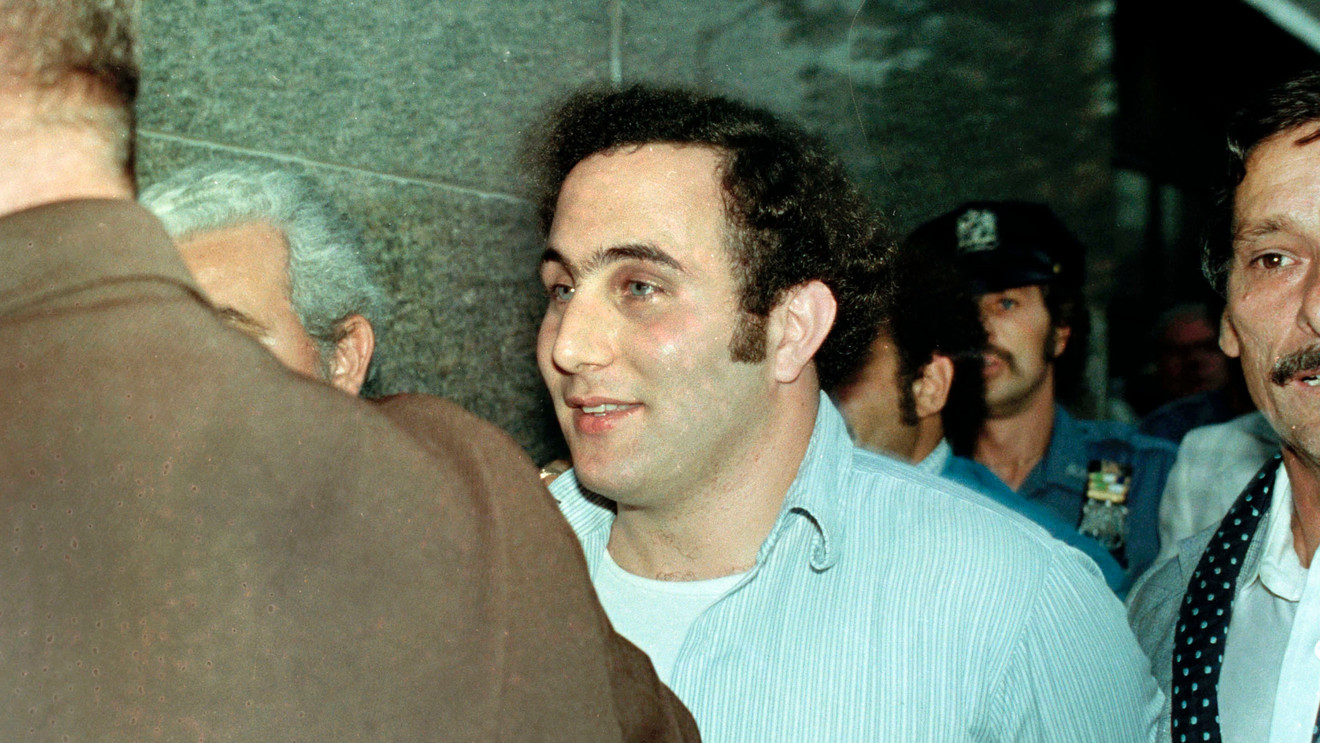
The Sons of Sam: A Descent Into Darkness (2021)
- Why it is worth your time: This series explores journalist Maury Terry’s long-running belief that the Son of Sam murders involved more than one person. It is fundamentally about Terry’s investigation and claims, not a settled re-litigation of the case. Whether you buy the argument or not, it is a revealing look at obsession, alternative theories, and how a case can become a personal labyrinth.
- Viewing angle: Theory-driven deep dive and media history.
- Notable detail: The structure keeps returning to what can be documented versus what is inferred, which is exactly where many true-crime rabbit holes live.
- Format: Limited docuseries.
- Runtime: 4 episodes.
- Where to watch: Netflix.
Dahmer on Dahmer: A Serial Killer Speaks (2017)
- Why it is worth your time: If you want a compact Dahmer overview without a lot of genre ornament, this one is direct. Its focus is the case timeline and the way Dahmer described his own escalation, with supporting context from investigators and people close to the story.
- Viewing angle: Straightforward case summary with interview-based framing.
- Notable detail: Built around interview material with Dahmer, positioned alongside commentary that helps translate what you are hearing into an investigative arc.
- Format: Feature-length documentary.
- Runtime: Feature length.
- Where to watch: Availability varies by region and platform because this title is frequently re-licensed and sometimes re-titled. Check Prime Video, Apple TV, or free ad-supported services in your market.
- Note on listing details: Some platforms display a different year or subtitle for the same cut, so searching by the full title plus “Dahmer” can help.
- Content note: graphic subject matter discussed.
How to choose
- If you want procedure: pick titles that emphasize detectives, timelines, and documents, like Night Stalker.
- If you want context: go for victim-focused storytelling and institutional critique, like The Ripper, I’ll Be Gone in the Dark, or The Keepers.
- If you want archival immersion: choose series built on recordings and contemporaneous media, like The Ted Bundy Tapes or Devil in Disguise.
- If you want the genre under a microscope: try serial-killer-adjacent titles like The Jinx for a look at what access can do to a story, and what a story can do to a case.
FAQ
Are any of these victim-centered?
True victim-centered storytelling is still rarer than it should be, but I’ll Be Gone in the Dark, The Ripper, and The Keepers make a sustained effort to foreground impact, missed warnings, and community harm rather than building the entire experience around the perpetrator’s mystique. Devil in Disguise also works to keep victims present as people, not just evidence.
What if I do not want graphic detail?
Look for series that emphasize investigation and accountability over reenactment or lurid specificity. Even then, these cases often involve distressing testimony. If you are sensitive to explicit discussion of sexual violence, proceed carefully with Night Stalker, Bundy-related titles, I’ll Be Gone in the Dark, and The Keepers, and consider reading episode descriptions first.
Do these help with true-crime media literacy?
The best ones do, especially when they show how information is gathered, verified, and presented. The Jinx is particularly useful for thinking about access, audience behavior, and the unintended consequences of attention.