True crime has a long history of flattening women into archetypes: the femme fatale, the “monster,” the “black widow.” The best podcasts push back by doing what audio can do best: lingering in the contradictions. They track the evidence, yes, but they also pay attention to motive, context, and the ripple effects on families, survivors, and communities.
Below is a curated list of bingeable podcasts and standout seasons centered on women who kill, women accused of killing, or women whose roles in violence were shaped by coercion and control. These are strong entry points if you want something compelling and quick to get into.

Quick picks by mood
- For a tightly reported investigation: Bad Bad Thing
- For court records and coercive-control context: Believe Her
- For a contested conviction and courtroom detail: Direct Appeal
- For a classic case in a conversational format: Morbid (Aileen Wuornos multi-part arc)
- For a broader catalog with strong commentary: RedHanded (select episodes)
- For twist-forward, bingeable reporting: The Thing About Pam
Best podcasts about women who kill
Bad Bad Thing
Best for: a modern, intimate investigation that keeps returning to “how did we get here?”
Listening specs: limited series; typically around 6 to 7 installments depending on platform (some feeds include a separate trailer); episodes are often about 30 to 45 minutes.
Content notes: stalking, intimate partner violence, murder, suicide, and emotionally intense audio, including recorded confrontations and messages.
What it is: A reported, serialized series from Wondery about the April 2018 killing of Meredith Chapman by Jennair Gerardot in Wayne, Pennsylvania.
This series looks closely at the lead-up that turned a private spiral into a public tragedy. It combines reporting, interviews, and a clear timeline, with careful attention to the people who live on after the headline. If you like character-rich storytelling but still want documentation and disciplined structure, start here.
Listen if you want: obsession, escalation, and the uncomfortable anatomy of control.
Believe Her
Best for: a case where the question is not just what happened, but who gets believed.
Listening specs: limited series; about 8 episodes (feeds can vary with bonus drops); episodes are often about 30 to 45 minutes.
Content notes: domestic violence, coercive control, and the legal and emotional aftermath of a homicide.
What it is: A Lemonada Media series about Nikki Addimando, convicted in New York after killing her partner, whom she said abused her, and how the case moved through sentencing and post-conviction proceedings.
Believe Her digs into domestic violence, coercive control, and how the legal system struggles to categorize survival. It leans on court records and reporting, and it does not pretend there is a simple box for what happened. This is a heavier listen, but it is also a clear example of audio journalism making room for complexity.
Listen if you want: legal nuance, post-conviction questions, and a lot to talk about afterward.

Direct Appeal
Best for: contested conviction reporting, with the defense and prosecution narratives in constant tension.
Listening specs: limited series; typically around 10 episodes depending on platform (some feeds include a separate trailer); episodes often run about 45 to 60 minutes.
Content notes: detailed trial evidence, forensic testimony, and depictions of dismemberment and domestic conflict.
What it is: A serialized podcast that examines the case against Melanie McGuire, convicted of murdering her husband in New Jersey.
Direct Appeal is built for listeners who like trial transcripts, competing expert claims, and procedural detail, not just atmosphere. Whether you come away convinced or unconvinced, it is rigorous about walking you through what was argued, what was admitted, and what still gets debated.
Listen if you want: courtroom strategy, evidence fights, and an ongoing argument about certainty.
Women and Crime
Best for: a steady, research-forward approach to cases involving women as perpetrators.
Listening specs: ongoing series; most episodes run about 45 to 60 minutes.
Content notes: violence, sexual assault, and abuse discussed clinically and directly, often with broader system context.
What it is: An ongoing series hosted by criminologists Meghan Sacks and Amy Shlosberg, focused on women’s pathways into crime and the systems around them.
Because the hosts bring academic and clinical context, the show often spends less time on shock and more time on patterns: trauma histories, relationship dynamics, and how bias shapes public narratives. It is not a single case binge, but it is a reliable place to learn across cases.
Listen if you want: context, terminology that actually means something, and fewer theatrics.
Morbid (Aileen Wuornos multi-part arc)
Best for: an infamous case retold in a chatty, episode-based format.
Listening specs: ongoing series; the Wuornos story is covered in a multi-part arc in the feed; episode titles and grouping can vary by platform; episodes often run 60 minutes or longer.
Content notes: graphic violence discussed, sexual violence references, and a conversational tone that can include jokes and asides.
What it is: A long-running true crime show with multi-part coverage of Aileen Wuornos, the Florida serial killer whose story has been repeatedly mythologized.
These episodes are a good on-ramp if you want a conversational retelling with plenty of side context and reactions. Treat it as a recap and discussion show, not the final word on the case, and you will have a better time. If you cannot find the arc immediately, search the feed for “Wuornos.”
Listen if you want: a classic case in a marathon-friendly, talk-it-out format.
RedHanded (recommended episodes)
Best for: range, strong pacing, and a big back catalog that includes multiple women as perpetrators or co-perpetrators.
Listening specs: ongoing series; episodes often run about 45 to 75 minutes.
Content notes: violent crime and sexual violence discussed; commentary-forward style that can get blunt.
What it is: A weekly true crime podcast hosted by Suruthi Bala and Hannah Maguire, often focused on the social forces around a case.
RedHanded is a solid “pick a case and press play” show, especially if you want discussion of media framing, misogyny, and class alongside the crime itself. If you want a starting point, look for their episodes on Karla Homolka, Jodi Arias, or Myra Hindley in the feed. Episode titles and numbering can display differently across platforms, so searching within the show page is often the fastest way in.
Listen if you want: variety, commentary, and a lot of episodes to work through.
Criminal (recommended episodes)
Best for: short, beautifully produced stories that cut to the human core.
Listening specs: ongoing anthology; episodes often run about 20 to 35 minutes.
Content notes: varies by episode; typically restrained, but topics can include homicide and sexual violence.
What it is: An anthology series hosted by Phoebe Judge, not exclusively focused on killers, but excellent when it touches cases involving women and serious violence.
When Criminal does cover lethal violence involving women, the restraint is the point. Because episode numbers and titles can display differently across platforms, the cleanest way to find the right starting point is to browse the show’s catalog for episodes about women charged with homicide or women at the center of a fatal crime. The interviews tend to surface the small details that reframe a whole narrative.
Listen if you want: fewer gimmicks, more craft.
More limited series to try
The Thing About Pam
Best for: a fast, bingeable saga about manipulation, media attention, and a murder case that keeps changing shape.
Listening specs: limited series; episodes typically run about 30 to 45 minutes.
Content notes: murder, deception, courtroom material, and discussion of graphic crime scene details in places.
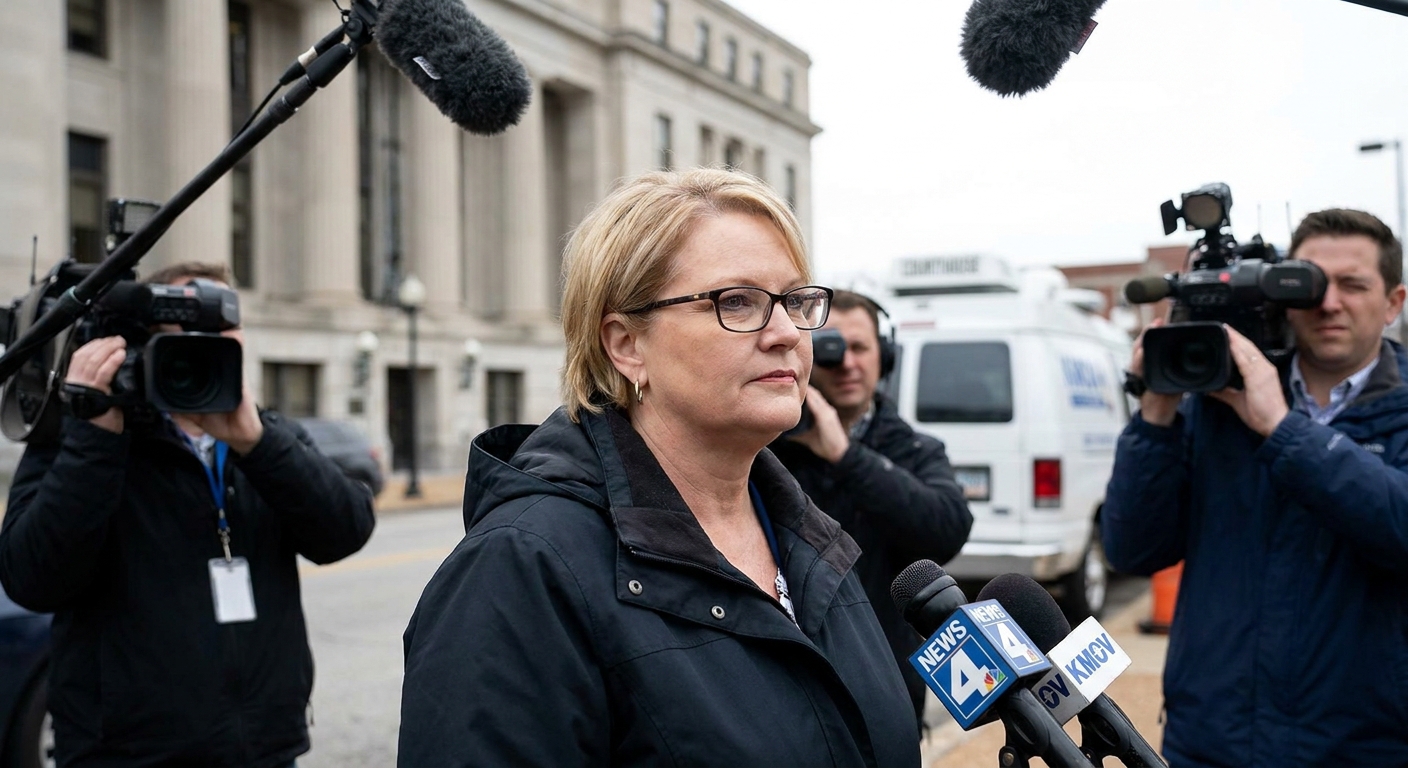
What it is: An NBC News audio series about the 2011 killing of Betsy Faria in Missouri, the prosecution of her husband, and the shifting focus onto Pam Hupp as the story widens.
This is the kind of series you start “just to try” and then suddenly you are four episodes in, trying to recalibrate your sense of what is possible inside a single case. It is propulsive, but it also leaves room for the human cost, especially for the people pulled into the churn of suspicion, charges, and headlines.
Listen if you want: an addictive, twist-forward case that still respects the stakes.
Related listens (not always homicide)
Queen of the Con: The Irish Heiress
Best for: a bingeable con story that turns into a portrait of power, manipulation, and mounting consequences.
Listening specs: season within an ongoing series; episode count varies by feed; episodes typically run about 30 to 45 minutes.
Content notes: fraud, coercion, harassment, and threats; not a homicide case, but the emotional impact on victims is front and center.
What it is: A season of Queen of the Con centered on a woman accused of building an elaborate identity and defrauding multiple victims, told through reporting and firsthand accounts.
This is here for listeners who are drawn to the same underlying question many homicide stories hinge on: how control works in real life, person by person, relationship by relationship. It is a strong palette cleanser if you want high stakes and psychological tension without graphic violence.
Listen if you want: a fast-moving scam narrative with real accountability and lots of “wait, what?” turns.
Context and coercion
These picks are not always a strict “women who kill” match, but they are essential if what interests you is how coercion, media mythology, and high-control dynamics shape culpability and public perception.
You Must Remember This: Charles Manson’s Hollywood
Best for: cultural context that reframes the women around Manson beyond tabloid shorthand.
Listening specs: season within an ongoing series; typically around a dozen episodes depending on how your app groups parts; episodes often run about 45 to 60 minutes.
Content notes: cult coercion, violence, and exploitation; more media history than procedural true crime.
What it is: A season of Karina Longworth’s film history podcast that unpacks the Manson era through Hollywood, celebrity, and media mythology.
This is not a traditional true crime case file, and it is not trying to be. It is essential listening if you are interested in how pop culture shapes what we think we “know,” especially about the young women pulled into the Family and later prosecuted for violence, and how exploitation and agency can coexist in the same story.
Listen if you want: history, media criticism, and chilling context.
Heaven’s Gate
Best for: cult dynamics and the complicated roles women can hold inside high-control groups.
Listening specs: limited series; typically around 10 episodes depending on feed; episodes often run about 30 to 45 minutes.
Content notes: suicide, coercion, and intense psychological material.
What it is: A reported series about the Heaven’s Gate group, founded by Marshall Applewhite and Bonnie Nettles, and the belief system that later culminated in mass death under Applewhite’s leadership.
This belongs here for listeners interested in how coercion distributes responsibility. Women in high-control groups can be pulled into roles that include recruiting, enforcing rules, and protecting leadership, even as they are being controlled themselves. The reporting is immersive, and the interviews make the events feel uncomfortably close.
Listen if you want: the slow-build dread of ideology turning into action.

How to pick a listen
- If you want a straight investigation: pick a limited series focused on one case, like Bad Bad Thing.
- If you want legal stakes: choose shows that lean on court records and sentencing details, like Believe Her or Direct Appeal.
- If you want breadth: go with an anthology where you can sample different types of cases, like Criminal, Women and Crime, or RedHanded.
- If you are sensitive to graphic detail: read episode descriptions first and prioritize shows known for restraint and clear editorial boundaries.
Listening notes
Stories about women who kill often come packaged with extra heat: speculation about sexuality, motherhood, appearance, “good woman/bad woman” morality plays. If that framing is part of what you are interrogating as a listener, you will likely prefer podcasts that cite documents, name their sources, and keep victims in view.
If you are listening for entertainment, that is fine. Just pick a show that does not treat violence as a twist ending.
FAQ
Are there podcasts specifically about female serial killers?
Yes, though many are single episodes or short arcs inside bigger feeds. Cases like Aileen Wuornos are covered widely, and anthology formats make it easy to start with one name without committing to an entire series.
Do these podcasts romanticize women who kill?
Some true crime media leans into spectacle. The picks above generally aim for context and accountability, but tone varies by show. If a podcast spends more time on catchphrases than facts, it is fine to move on.
What if I want something bingeable but not too heavy?
Start with Criminal if you want a contained, lower-volume listen, and choose an episode centered on a woman accused or convicted rather than a long, graphic case file. If you want a full-season binge without homicide details, try Queen of the Con: The Irish Heiress.