True crime podcasts tend to fall into two big storytelling camps, and once you hear the difference, you cannot unhear it. On one side you have scripted investigative series: tightly structured, heavily reported, and built to move you through a case like a guided tour through the evidence. On the other, conversational shows: looser, personality-forward, and designed to feel like you are on the couch with friends processing a story together.
Neither style is automatically “better.” They are different tools for different listening moods, and different ethical risks come with each. If you have ever bounced off a show that felt too slow, too jokey, too grim, or too polished, it usually comes down to format.
The two formats, plainly
Scripted investigative podcasts
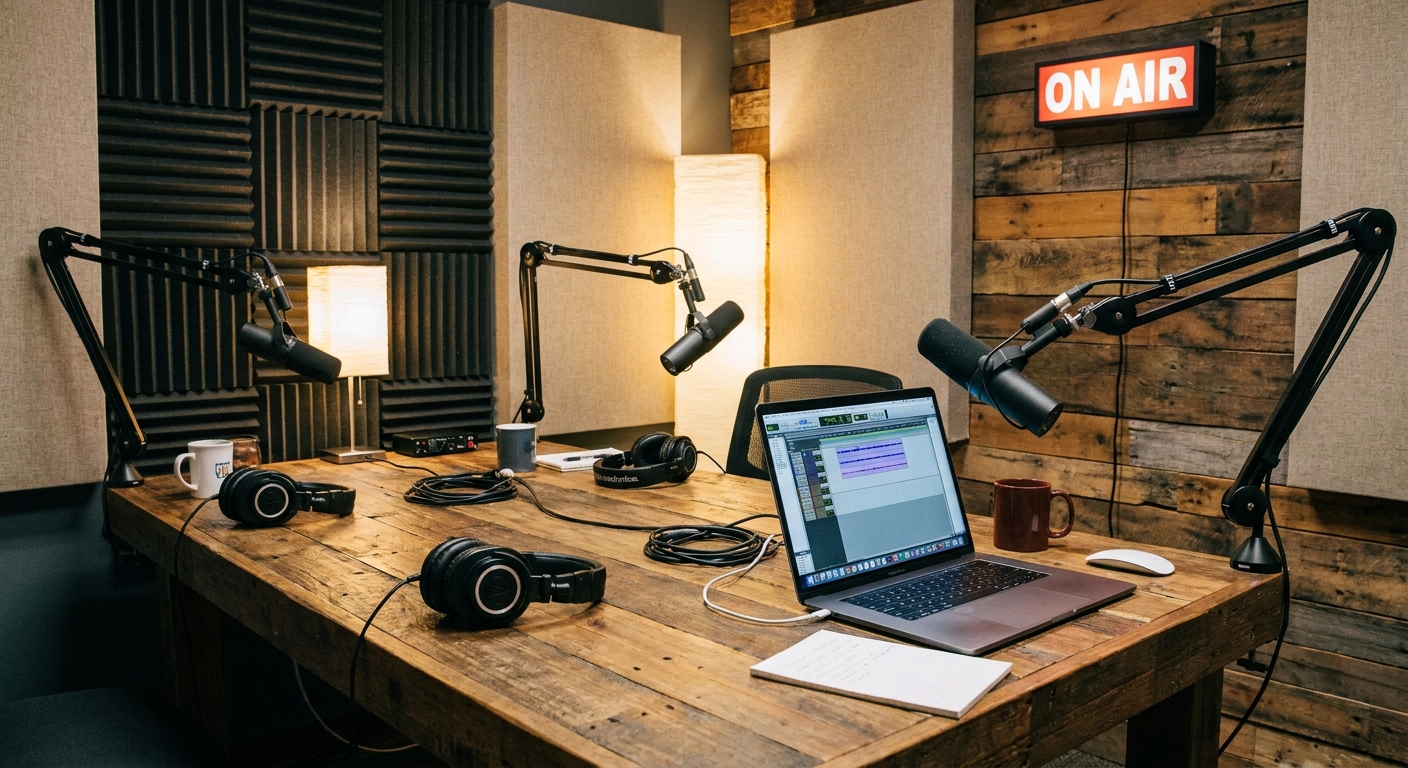
These are the shows that sound like journalism because many are made with journalistic methods, even when they are not produced by a traditional newsroom. Episodes are written, narrated, edited for clarity, and anchored in reporting. You will often hear tape: 911 calls, courtroom audio, interviews, archival broadcasts, and sometimes the reporter in the field. The narrative is shaped before you press play, and delivered with intention.
If you want a quick mental reference, think Serial-style reporting: structured scenes, primary documents, and a host guiding you step by step.
- Core promise: “I did the reporting. Let me walk you through what I found.”
- Typical structure: Cold open, thesis, scenes, evidence, interviews, a clear end beat.
- Best for: listeners who want context, timelines, and fewer tangents.
Conversational true crime podcasts
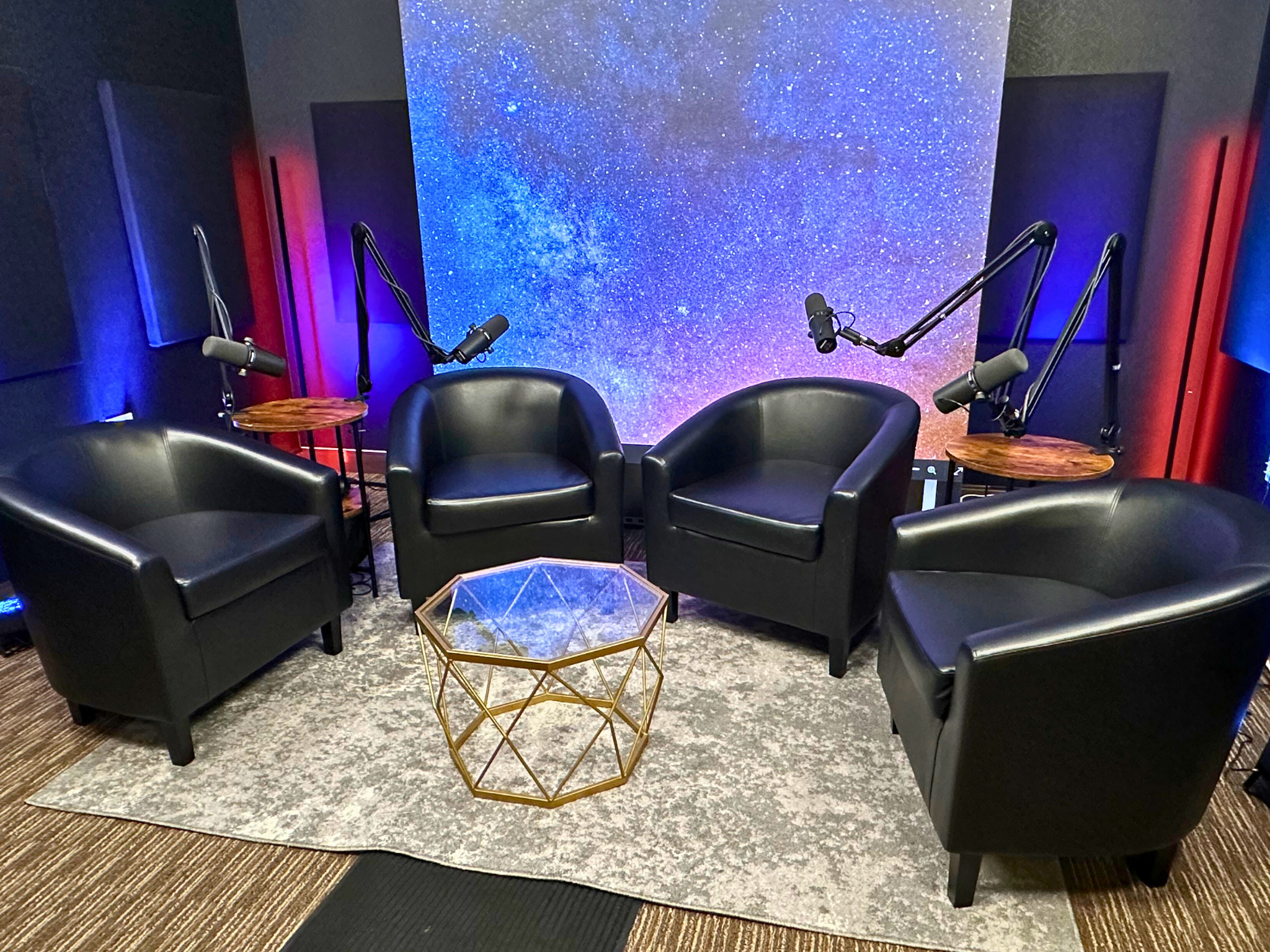
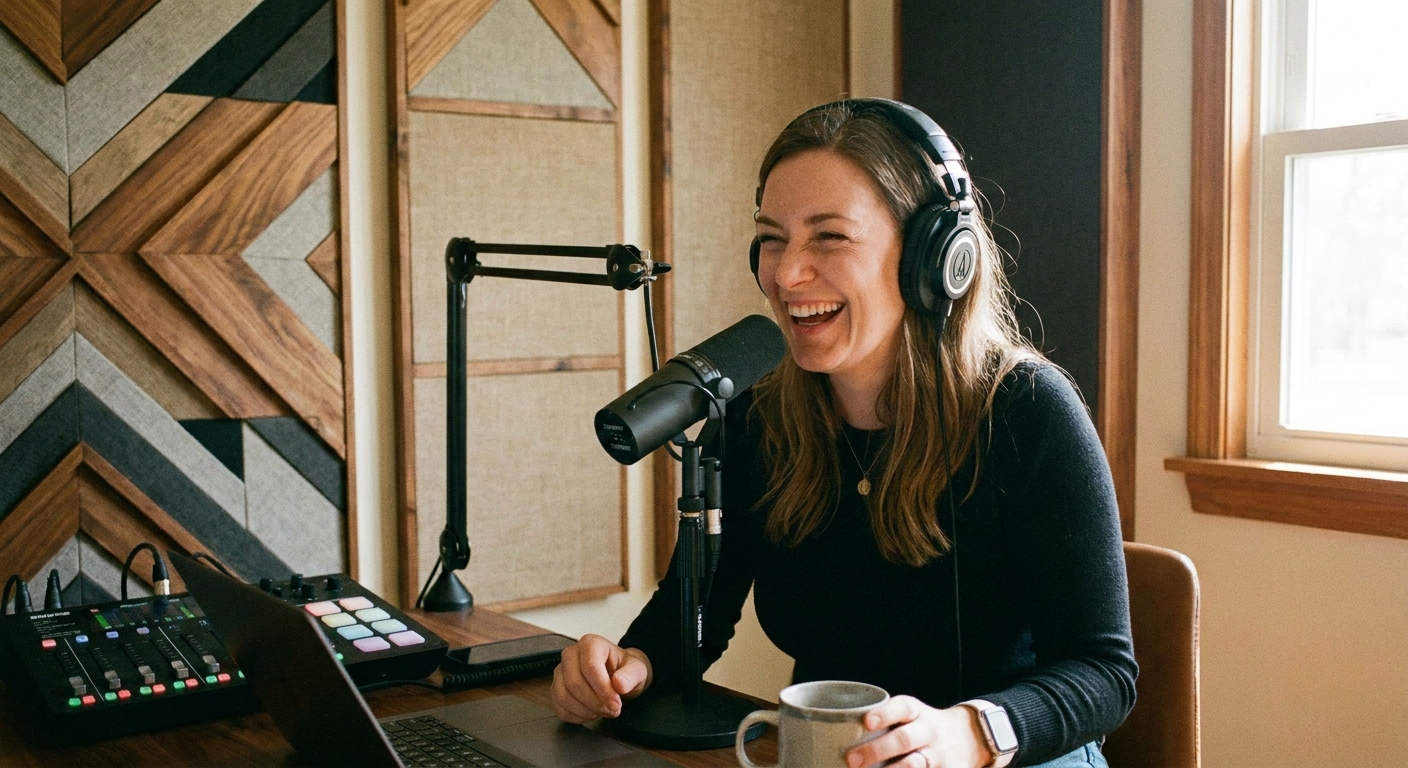
These are the shows where chemistry is part of the product. The story might be researched, but the delivery is more spontaneous: one host tells, two hosts riff, or a group reacts in real time. You will hear side notes, personal reactions, and a stronger sense of who the hosts are as people.
For a mental reference here, think talk-show energy: a case retold with commentary, questions, and reactions as part of the experience.
- Core promise: “Come hang out while we unpack this case together.”
- Typical structure: Setup, story beats, reactions, digressions, wrap-up.
- Best for: listeners who value vibe, companionship, and humor to break tension.
How they sound
Pacing and attention
Scripted shows are paced like a documentary. Even when the subject matter is complex, the edit is designed to keep you oriented. If you listen while commuting or doing chores, these often hold your attention with scene changes, audio tape, and deliberate suspense.
Conversational shows can feel breezier, but they are less predictable minute to minute. If you love commentary and you listen partly for company, that is a feature. If you want a clean timeline, it can feel like trying to take notes during a lively dinner conversation.
Tone and emotional intensity
Scripted tends to be steadier in tone. The emotion is there, but it is usually contained inside the reporting voice. That can feel respectful and grounding, especially for cases involving severe harm.
Conversational varies wildly. Some hosts are deeply careful and reflective. Others lean into gallows humor or outrage. You might love that release, or you might find it jarring depending on the case and the way victims are discussed.
Behind the scenes
Reporting and sourcing
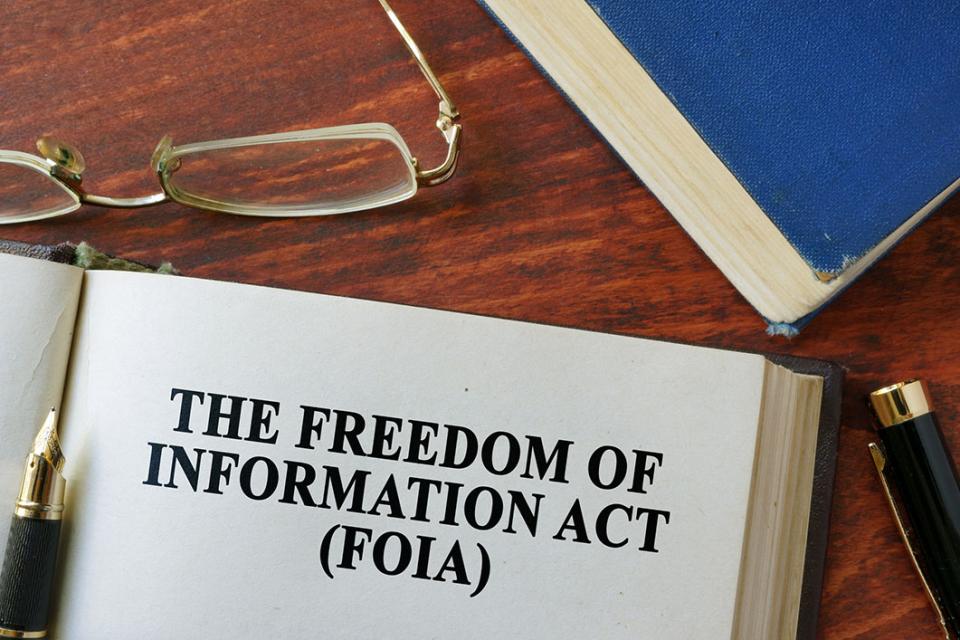
Scripted investigative shows commonly rely on primary sources: court filings, FOIA documents, medical examiner or coroner reports (when public and appropriate), interviews with attorneys, detectives, family members, and experts. The work is slow, and in higher-budget or newsroom productions, scripts may be fact-checked and legally reviewed.
Conversational shows range from carefully researched to “I read three articles and a Wikipedia page.” That does not automatically make them irresponsible, but it does change what you are getting: a retelling and reaction, not an original investigation.
- Green flag: hosts cite sources, correct errors, and distinguish between fact and speculation.
- Red flag: confident claims with no sourcing, or relying on rumors and message boards as evidence.
Editing and sound
Scripted podcasts often use sound like a narrative tool: scene-setting ambience, intentional music cues, and clean tape edits that let you hear the story without the “uhs” and long pauses. The goal is clarity, mood, and momentum.
Conversational podcasts usually keep more natural speech. You might hear laughter, interruptions, and real-time reactions. Some listeners find that comforting and human. Others hear it as chaotic.
Ethics: where format helps or hurts
True crime always carries ethical weight, but the risks show up differently depending on style.
Scripted investigative: strengths and pitfalls
- Strength: More room for context: systemic failures, investigative gaps, and what is known versus unknown.
- Strength: More incentive to verify details because the show is making claims on record.
- Pitfall: Narrative gravity. A clean arc can accidentally make real lives feel like plot devices.
- Pitfall: Over-reliance on suspense tactics that can feel manipulative, especially in cases involving families still waiting for answers.
Conversational: strengths and pitfalls
- Strength: Hosts can model empathy in real time, including discomfort, uncertainty, and care with language.
- Strength: Room to talk about why the story matters, not just what happened.
- Pitfall: Humor can slip into cruelty when it targets victims, witnesses, or marginalized communities.
- Pitfall: Speculation can spread fast when the vibe rewards hot takes over sourced truth.
Harm minimization
Regardless of format, look for basic care practices: content warnings when needed, restraint around graphic detail, clear sourcing, and evidence that the people most affected are treated with dignity. Some shows contact families, some do not, and there are real safety and privacy reasons either way. What matters is transparency and intent, not performative sensitivity.
If you want a quick self-check while listening, try this: Does the show treat victims like people or like content? Format influences the answer, but it does not decide it.
Which should you pick?
You might prefer scripted investigative if you…
- pause episodes to look up documents, maps, and timelines
- want to understand the criminal justice process, not just the outcome
- get frustrated by tangents or long personal anecdotes
- like a clear sense of what is verified and what is still uncertain
You might prefer conversational if you…
- listen for companionship as much as the case itself
- like hearing hosts debate theories and share reactions
- enjoy humor as a pressure valve when stories get heavy
- do not mind when the story takes scenic routes
You might like a hybrid if you…
A lot of shows live in the middle. Think: a structured outline with room for natural conversation, or a reporter-led episode that includes roundtable reactions. If you love the rigor of reporting but do not want it to feel clinical, hybrids can be the sweet spot.
Clues in the first five minutes
- “We reached out to…” Usually scripted investigative, or at least reporting-forward.
- “Okay, so I barely slept after reading this…” Often conversational.
- Cold open with tape like a courtroom clip or 911 call: more likely scripted.
- Inside jokes and life updates before the case begins: more likely conversational.
- Clear disclaimer language about allegations and sourcing: common in journalistic productions.

Money and incentives
It is not just art. It is also a business, and the business model can shape the content.
- High episode volume can reward speed over depth in any format. A weekly conversational show might cut corners to keep up. A scripted show might stretch a story to fill a season.
- Ads and sponsors can push toward broad appeal, which sometimes means more sensational hooks or less nuance.
- Subscriptions and Patreon can be great for independence, but they can also create pressure to deliver constant bonus content, which changes how much time is left for research and fact-checking.
None of this is automatically bad. It is just worth noticing, especially when a show starts feeling like it is feeding the machine instead of serving the story.
Listening tips
If you are diving into scripted investigative
- Binge with breaks: These series can be emotionally intense. It is okay to pace yourself.
- Use episode notes: The best productions link documents and sources. They are worth a look.
- Watch for certainty language: Good reporting tells you what is known and what is inferred.
If you are diving into conversational
- Check the show’s sourcing habits: Do they cite books, articles, and primary materials?
- Notice how they correct errors: A thoughtful correction policy is a huge green flag.
- Protect your boundaries: If the banter gets mean, you do not have to push through.
FAQ
Are conversational true crime podcasts less ethical?
Not inherently. Ethics come from choices: language, sourcing, and whether victims are treated with dignity. Conversational shows can be deeply compassionate. They just have more moments where off-the-cuff commentary can go sideways if hosts are not careful.
Are scripted investigative podcasts always more accurate?
They often have stronger verification practices, but no format is immune to bias, narrative framing, or mistakes. The best sign of quality is transparency: what the host knows, how they know it, and what remains disputed.
Why do scripted shows sometimes feel slow?
Because they are carrying context. Court procedure, timelines, and competing accounts take time to explain responsibly. If you want faster pacing, look for limited series with shorter episode counts or more tape-driven storytelling.
What if I only want one episode, not a whole season?
Conversational podcasts tend to be more episodic, though many run multi-part arcs. Scripted investigative productions frequently build across multiple episodes, though some documentary-style feeds do run strong standalones. If you see “Part 1” in the title, assume it is a longer commitment.
The bottom line
If you want to feel guided by evidence, choose scripted investigative. If you want to feel accompanied while you process a story, choose conversational. And if you are anything like me, you will keep both in your rotation, because some days you want a meticulously sourced deep dive, and other days you just want someone to talk it through with.