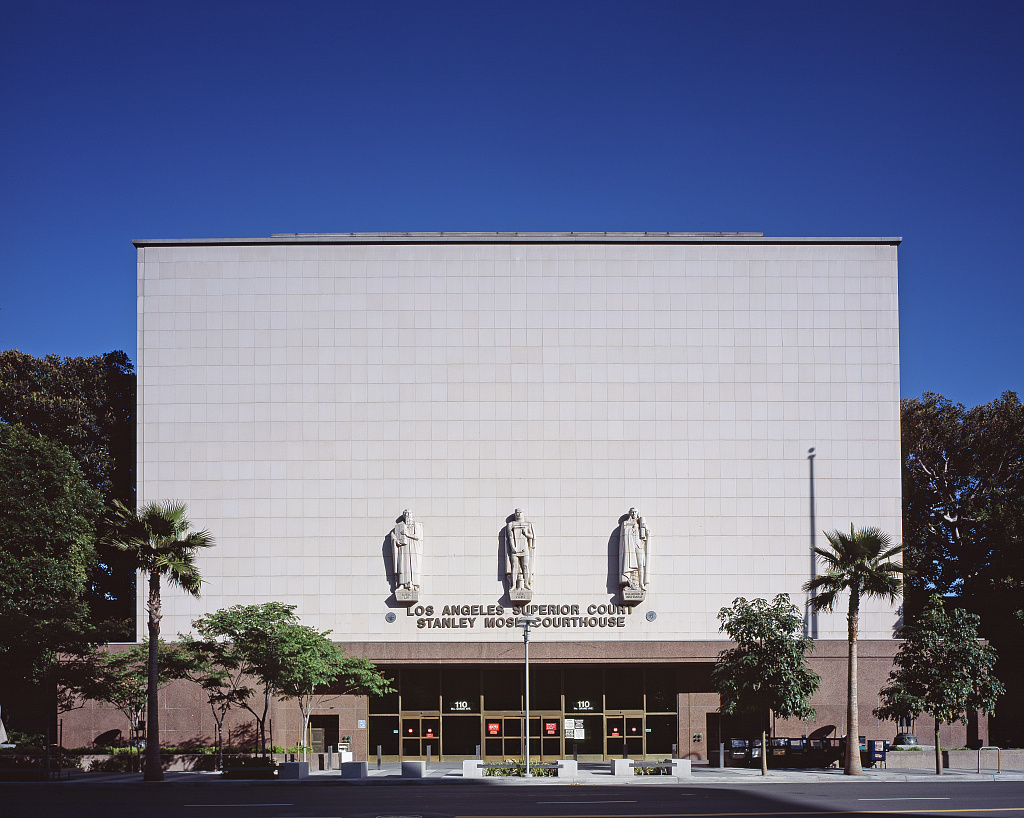
There is a particular kind of true crime podcast that does not want your quick take. It wants your patience. Serialized deep dives ask you to sit with uncertainty, learn the geography of the case and investigation, keep track of the timelines, and most importantly, remember that the people inside these stories are not plot devices.
Below are 10 deep-dive podcasts that build an entire season around one case. Some end with a clear resolution. Others end where real life often ends: with new questions, sharpened scrutiny, and a record that is harder to ignore.

What makes a one-case season work
A full-season investigation has room to do what headlines rarely do: show process. The best series return to primary documents, track contradictory witness statements, and challenge the official narrative without turning grief into entertainment. They also tend to be transparent about limits, including what cannot be proven and what remains disputed.
- Document-first reporting: court records, police files, interviews, and contemporaneous news coverage.
- Clear timeline discipline: you always know when you are and why it matters.
- Ethical storytelling: victims and families are treated as people, not twists.
- Real stakes: accountability, missing persons advocacy, and what happens when the system gets it wrong.
10 serialized true crime podcasts to queue up
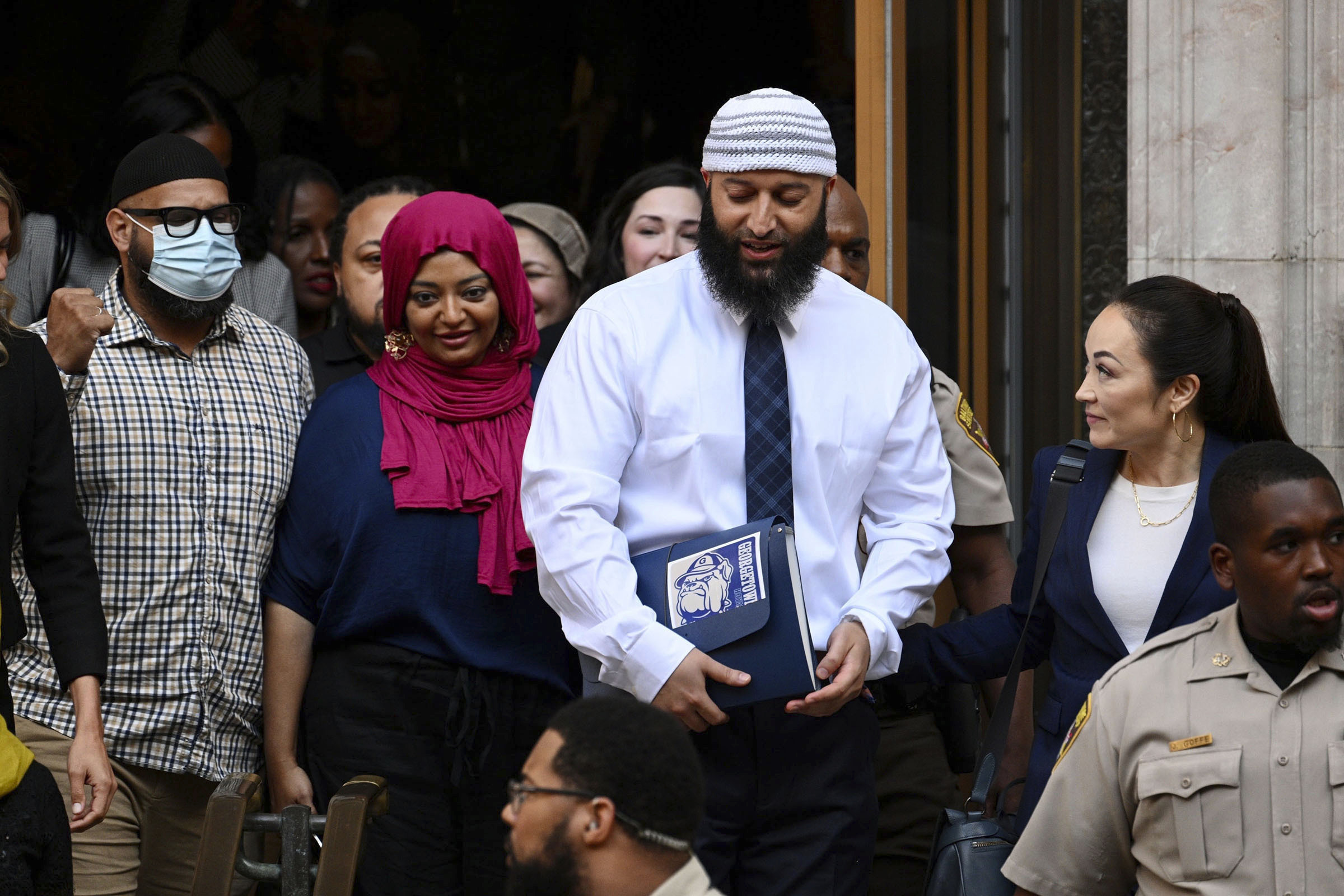
1) Serial (Season 1)
Case focus: The 1999 murder of Hae Min Lee and the conviction of Adnan Syed.
Why it is a deep dive: This season helped write the modern blueprint for serialized audio investigations. It lives in the details: phone records, memory gaps, and what happens when a case is built on a mix of timelines and testimony.
Quick details: Hosted by Sarah Koenig (2014). Originally released as 12 episodes. Availability varies by platform.
Case status note: The case has seen major post-conviction developments and ongoing legal dispute over the years. If you revisit it now, you may want a current timeline update alongside the original season.
Listening vibe: Methodical and intimate, with an emphasis on uncertainty rather than neat closure.
2) In the Dark (Season 2)
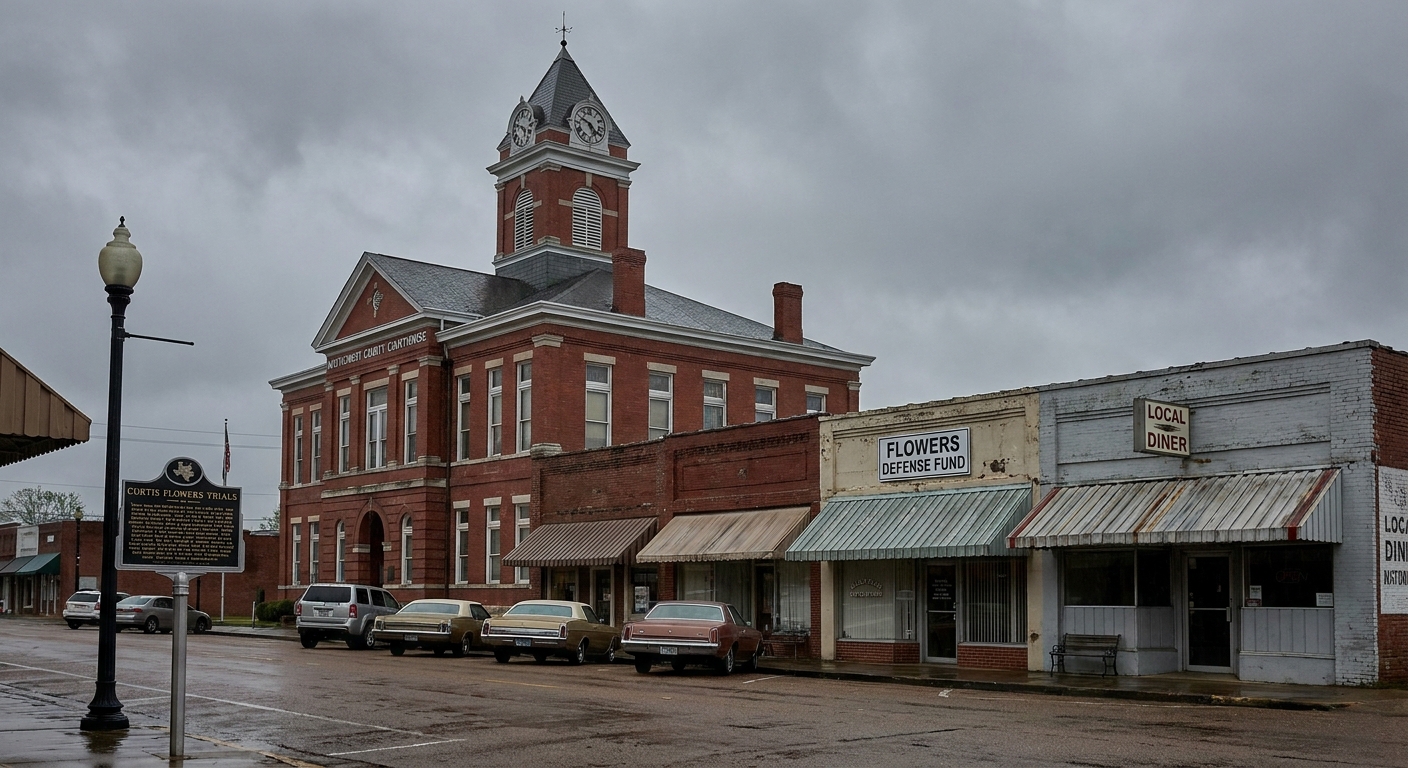
Case focus: Curtis Flowers and the 1996 Tardy Furniture murders in Winona, Mississippi, a case that led to six trials for the same crime.
Why it is a deep dive: It is reporting with receipts. APM Reports examines prosecutorial strategy, jury selection, and how power operates in small jurisdictions over decades, while being clear about reversals, mistrials, retrials, and the long legal arc of the case.
Quick details: Produced by APM Reports (2018). 20 episodes.
Listening vibe: Rigorous, patient, and unflinching about systemic pressure points.
3) Bear Brook
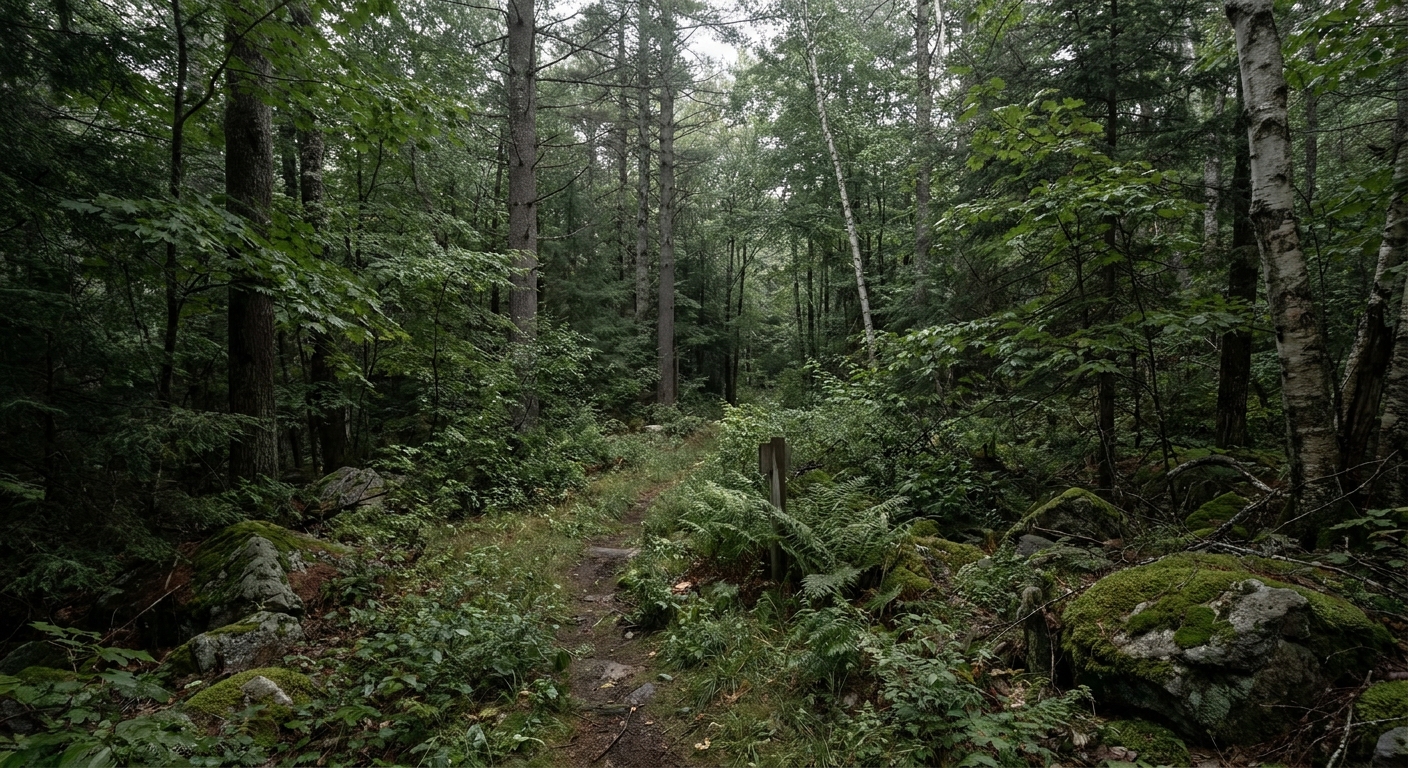
Case focus: The discovery of barrels containing human remains in New Hampshire and the long effort to identify the victims and connect the crimes to Terry Peder Rasmussen.
Why it is a deep dive: It shows how cold cases move when forensic science, genetic genealogy, and old-school detective work finally align. The emotional center is in the identities, not the spectacle.
Quick details: From New Hampshire Public Radio (2018). 7 episodes.
Listening vibe: Quietly devastating, with real investigative forward motion.
4) Your Own Backyard
Case focus: The 1996 disappearance of Kristin Smart in California.
Why it is a deep dive: This is one of the clearest examples of a podcast functioning like sustained community attention. It patiently compiles interviews, revisits overlooked leads, and helps document the public record around a case many locals felt had gone cold, without overstating what any one project can “solve.”
Quick details: Created and hosted by Chris Lambert (2019). Episode count varies by chapter and updates.
Case status note: This case has had significant courtroom developments since the podcast began. If you are starting now, consider listening in release order, including later updates.
Listening vibe: Earnest, persistent, and deeply victim-centered.

5) Cold (Season 1)
Case focus: The disappearance of Susan Powell and the investigation surrounding her husband, Josh Powell.
Why it is a deep dive: It is built on extensive documentation, including journals and recordings, much of it created by Josh Powell and sourced through careful reporting. It captures how a missing person case can be shaped by family dynamics, institutional constraints, and time.
Quick details: Produced by KSL Podcasts (2018). 18 episodes.
Listening vibe: Exhaustively reported and emotionally heavy. Take breaks.
6) Someone Knows Something (Season 5)
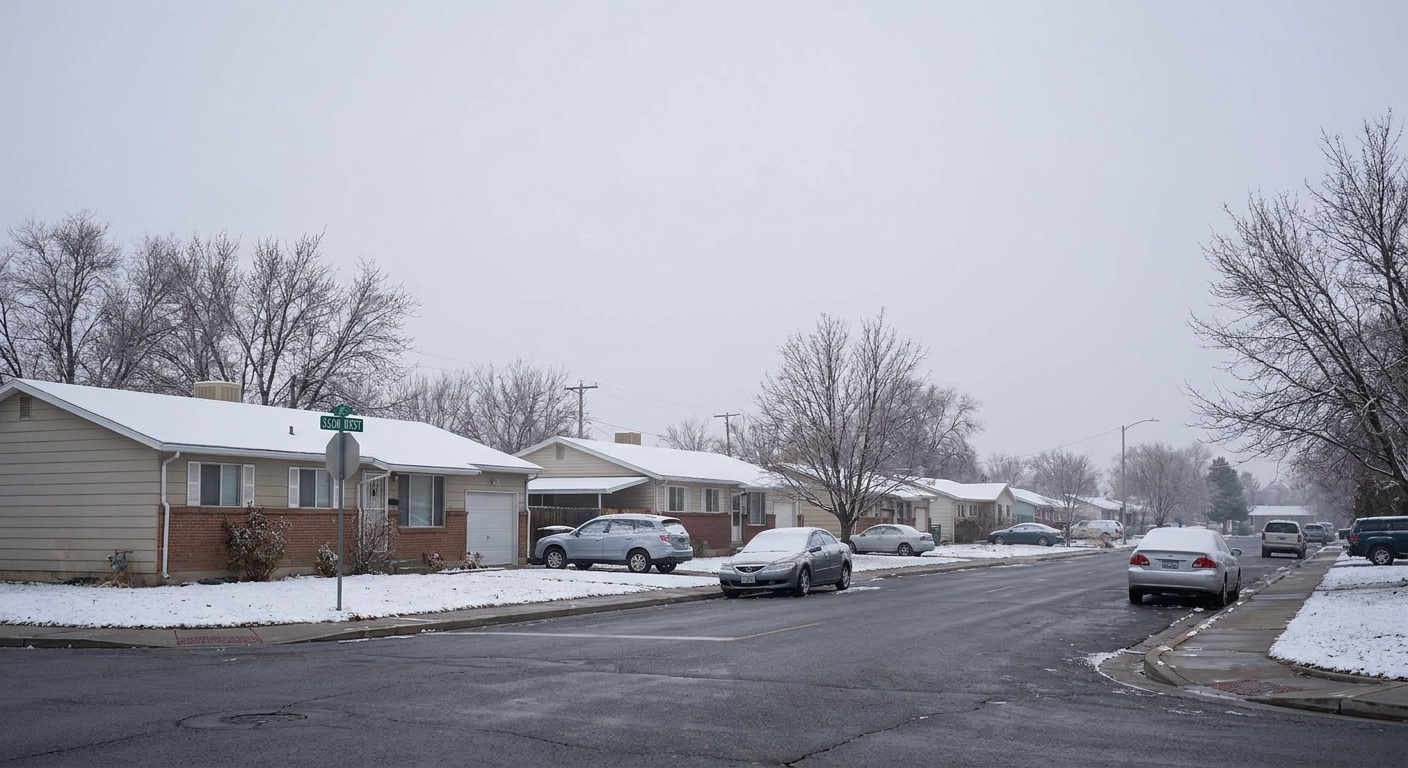
Case focus: The 1986 disappearance of teenager Kerrie Brown, last seen after leaving a house party in Thompson, Manitoba.
Why it is a deep dive: David Ridgen’s approach is slow and humane, with an emphasis on what it means to live in a community where someone vanished and answers never arrived.
Quick details: From CBC (Season 5 released in 2018). 10 episodes.
Listening vibe: Reflective, community-oriented, and careful with families.
7) S-Town
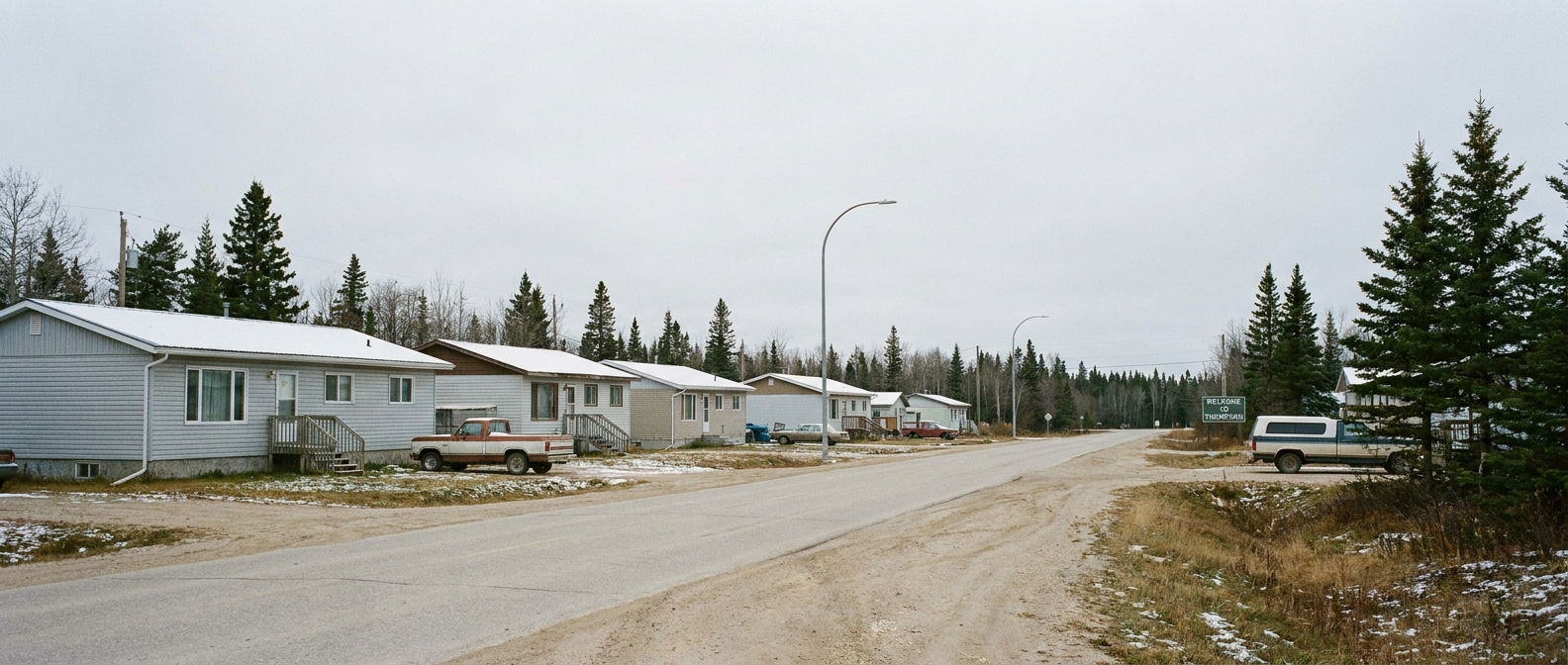
Case focus: A reported murder lead in rural Alabama that evolves into something more complicated and personal.
Why it is a deep dive: This series is not a conventional case file, and it ultimately pivots away from the initial alleged murder. It is worth including because it shows how a single reported “case” can widen into questions about class, privacy, and narrative ownership, and why that evolution is ethically thorny.
Quick details: From Serial Productions and This American Life (2017). 7 episodes.
Listening vibe: Literary, immersive, and divisive in a way that sparks real conversation. Go in knowing it is as much character study as investigation.
8) To Live and Die in LA (Season 1)
Case focus: The disappearance of Adea Shabani in Los Angeles.
Why it is a deep dive: It tracks the search and reporting as events unfold, including the uncertainty and ethical tension that comes with covering an active missing person investigation. It is immediate without pretending the story happens in perfect “real time.”
Quick details: Hosted by Neil Strauss (2019). 12 episodes.
Listening vibe: Urgent, with a strong sense of place.

9) Up and Vanished (Season 1)
Case focus: The disappearance of Tara Grinstead in Ocilla, Georgia.
Why it is a deep dive: This season captures how renewed public attention can put pressure on long-stuck cases, while also raising real questions about crowdsourcing, rumor, and responsibility.
Quick details: Created and hosted by Payne Lindsey (2017). 24 episodes.
Case status note: The case has continued to move through the courts since the initial reporting. If you want the cleanest narrative arc, look for official updates after finishing the season.
Listening vibe: Bingeable, small-town centered, and fueled by momentum.

10) The Teacher’s Pet
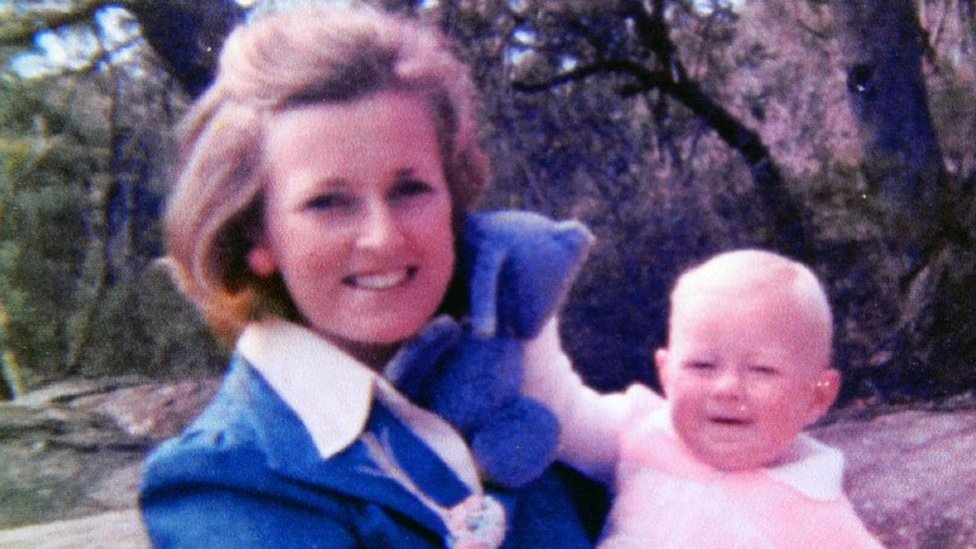
Case focus: The 1982 disappearance of Lynette Dawson in Australia and the long campaign to re-examine what happened.
Why it is a deep dive: A meticulous walk through relationships, police decisions, and the slow grind of re-opening public memory. It is also a lesson in how social power can shape what gets believed.
Quick details: From The Australian (2018). 16 episodes.
Case status note: This case has had major legal developments since release. For the most current context, pair the original season with a recent update from a reputable news outlet.
Listening vibe: Investigative and steady, with an emphasis on accountability.
How to choose your next season
If you want the most document-heavy reporting, start with In the Dark or Cold. If you prefer a case that shows clear investigative evolution over time, Bear Brook and Your Own Backyard are hard to beat. If you want something more atmospheric and reflective, cue up Someone Knows Something or S-Town.
- For courtroom and justice system focus: In the Dark (Season 2), Serial (Season 1)
- For forensic breakthroughs: Bear Brook
- For missing persons focus: Your Own Backyard, Cold, To Live and Die in LA
- For small-town ripple effects: Someone Knows Something, Up and Vanished
Start where your tolerance for uncertainty is highest, and let the reporting set the pace.
A note on listening with care
True crime hits differently when you remember that the “ending” is not a season finale for the people who lived it. Content varies widely by show and case. If you are binging, consider pacing yourself, especially with cases involving children, domestic violence, or graphic details. When a series includes ways to support victim funds, missing persons organizations, or responsible advocacy, that is often a better post-episode ritual than chasing the next cliffhanger.
FAQ
Do all of these podcasts solve the case by the finale?
No, and honestly, that is part of what makes the best deep dives feel honest. Some seasons end with a conviction or a major break. Others end with a stronger public record, new leads, or fresh scrutiny of old assumptions.
Are these podcasts scripted?
Most serialized investigative shows use scripted narration to keep timelines clear, but the reporting is built from interviews, documents, and scene tape. The difference you will feel is structure, not fiction.
What if I only have time for one?
If you want a gold-standard investigative season, pick In the Dark (Season 2). If you want a case that demonstrates the power of sustained attention over time, pick Your Own Backyard.