True crime forums can feel like a late-night living room: people swapping notes, chasing leads, and trying to make sense of a story that will not sit still. That community energy can be powerful, especially when it helps keep attention on a missing person or a long-ignored case.
But forums can also be where misinformation spreads quickly , because the posts look like research, the “receipts” are often screenshots, and the stakes are real lives. If you like to read (or participate) without accidentally boosting something bogus, here are five tips I use when a thread starts getting a little too confident.
Tip 1: Separate the story from the source
In true crime spaces, the most persuasive posts are often the ones that read like a mini-documentary: timeline, motive, “here’s what really happened.” The first thing I do is ask a blunt question: Where did this come from?
What to look for
- Primary sources: court documents, official press releases, sworn testimony, publicly available filings, and on-the-record, firsthand statements (for example, an interview where the source is identified and quoted accurately).
- Secondary sources: reputable journalism summarizing primary material, with clear citations and a transparent method for what is known versus what is alleged.
- Tertiary sources (highest risk): TikTok recaps, “heard it on a podcast,” anonymous screenshots, unsourced timelines, and “my friend works in law enforcement” posts.
A claim is only as strong as the paper trail behind it. If a post cites “documents” but does not link them, name them, or quote them accurately, treat it like a rumor until proven otherwise.
Tip 2: Learn the red flags of fake evidence
Most forum misinformation is not a full-on hoax. It is usually a shaky piece of “evidence” that looks official enough to stop you from asking questions. Screenshots are the classic example. They are easy to create, easy to crop, and often hard to verify unless you can locate the original post, page, or file in context.
Common “evidence” traps
- Screenshot of a screenshot: each repost strips away context like date, URL, and original author.
- Cropped messages: conveniently missing the conversation above or below.
- Unverifiable “police report” photos: no case number, no agency name, no visible formatting that matches the jurisdiction.
- Audio clips with no provenance: no full recording, no clear source, no explanation for how it was obtained.
If you cannot independently locate the full source (not just a repost), do not treat it as evidence. Treat it as a lead, at best.
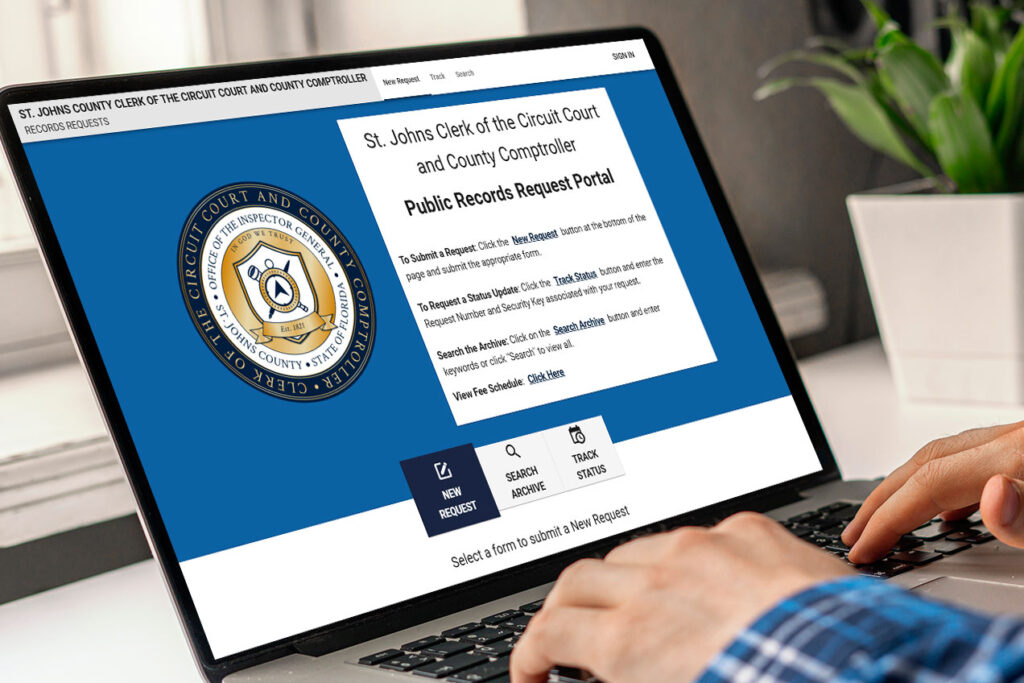
Quick how-to: Try a reverse image search on screenshots, use a web archive to check older versions of a page, and look for the document or statement on the original site (a court portal, an agency page, or a credible outlet’s direct link). If the “document” has no jurisdiction, no identifiers, and no traceable origin, that is your answer.
Tip 3: Use a two-source rule for big claims
Forums love a twist: a secret suspect, a hidden relationship, a cover-up, a “they never told us this.” The more explosive the claim, the more you should slow down. I use a simple standard: no major claim gets repeated unless it has at least two independent, credible sources.
What counts as independent?
- Two different outlets that both cite the same anonymous Reddit post is not independent.
- A podcast repeating a TikTok that repeats a YouTube comment is not independent.
- Two credible journalists who separately confirm the same fact, or a journalist plus a primary record, is a stronger match.
If a theory depends on one fragile piece of info, it is not a theory yet. It is a vibe with punctuation.
One more thing: confirmation bias
Once a narrative “fits,” your brain starts defending it. You notice evidence that supports it, ignore what contradicts it, and treat uncertainty like a personal insult. If you feel yourself getting attached to a suspect or a storyline, that is your cue to double your standards, not lower them.
Tip 4: Watch for timeline tricks
When misinformation takes off, it often does so because someone posts a timeline that feels clean and inevitable. Real cases are rarely that tidy. Dates get misread, time zones get ignored, and people mistake “reported” for “occurred.” Those tiny errors can turn into huge accusations.
How to quick-check a timeline
- Anchor the fixed points: last confirmed sighting, 911 call time, official press conference date, charging documents date.
- Verify what each timestamp represents: a post time is not an event time, and a booking time may not match an arrest time. Check how the jurisdiction defines each step.
- Look for missing gaps: if a timeline jumps from A to C with no B, that “B” is where theories breed.
A good forum post will say, “Here is what we know, here is what we do not, and here is what I am guessing.” A misinformation post will blur those three until they look the same.
Tip 5: Practice ethical skepticism
This is the one people skip, because it is less fun than debunking a fake screenshot. But it matters the most. In true crime communities, misinformation is not just “wrong.” It can be dangerous: misidentifying a suspect, doxxing a grieving family member, or turning a victim into a character who exists for entertainment.
Guidelines worth pinning
- Do not name private individuals as suspects unless they are publicly identified by authorities or clearly named in reliable reporting or court records. Even then, use restraint and stick to what is actually alleged or documented.
- Avoid sharing addresses, workplaces, phone numbers, or social handles of anyone adjacent to the case.
- Use careful language: “alleged,” “unconfirmed,” “reported,” and “according to court records” are not buzzwords. They are guardrails.
- Resist the dopamine of being first: the fastest post is rarely the most accurate one.
Also: Threads that flirt with accusation can drift into defamation and harassment fast. This is not legal advice, but as a practical rule, if you would not want the statement attached to your real name in a public setting, do not post it.
When to stop engaging
If a thread is spiraling into doxxing, fan-fiction certainty, or “go message this person,” close it. Report what crosses the line. You do not have to stay in the room just because other people are shouting.
There is a difference between curiosity and entitlement. You can want answers without demanding them from the people living the worst day of their lives.
A fact-check checklist to keep open
- Source: Is there a link to a primary record or reputable reporting?
- Context: Is this a full document or a cropped excerpt?
- Corroboration: Can I confirm it in two independent places?
- Timeline: Are dates and times clearly defined and consistent for the jurisdiction?
- Impact: If I share this and it is wrong, who could it harm?
If you cannot answer at least the first three, the safest move is to read quietly, bookmark the thread, and wait for better sourcing. In true crime, patience is not just a virtue. It is a form of care.
FAQ
Are true crime forums ever useful?
Yes. Forums can surface public records, preserve timelines, and keep attention on cases that mainstream coverage overlooks. The best communities are transparent about sourcing, correct errors quickly, and discourage harassment.
What should I do if I see misinformation spreading?
Respond with neutral, specific corrections and links to credible sources. Avoid pile-ons. If the post doxxes someone or encourages harassment, report it to moderators and the platform.
Is it okay to contact people connected to a case?
As a general rule for armchair detectives: no. Do not contact family, witnesses, employers, or suspected individuals. If you genuinely have a credible tip about an active case, send it to the appropriate law enforcement tip line instead of a forum thread.