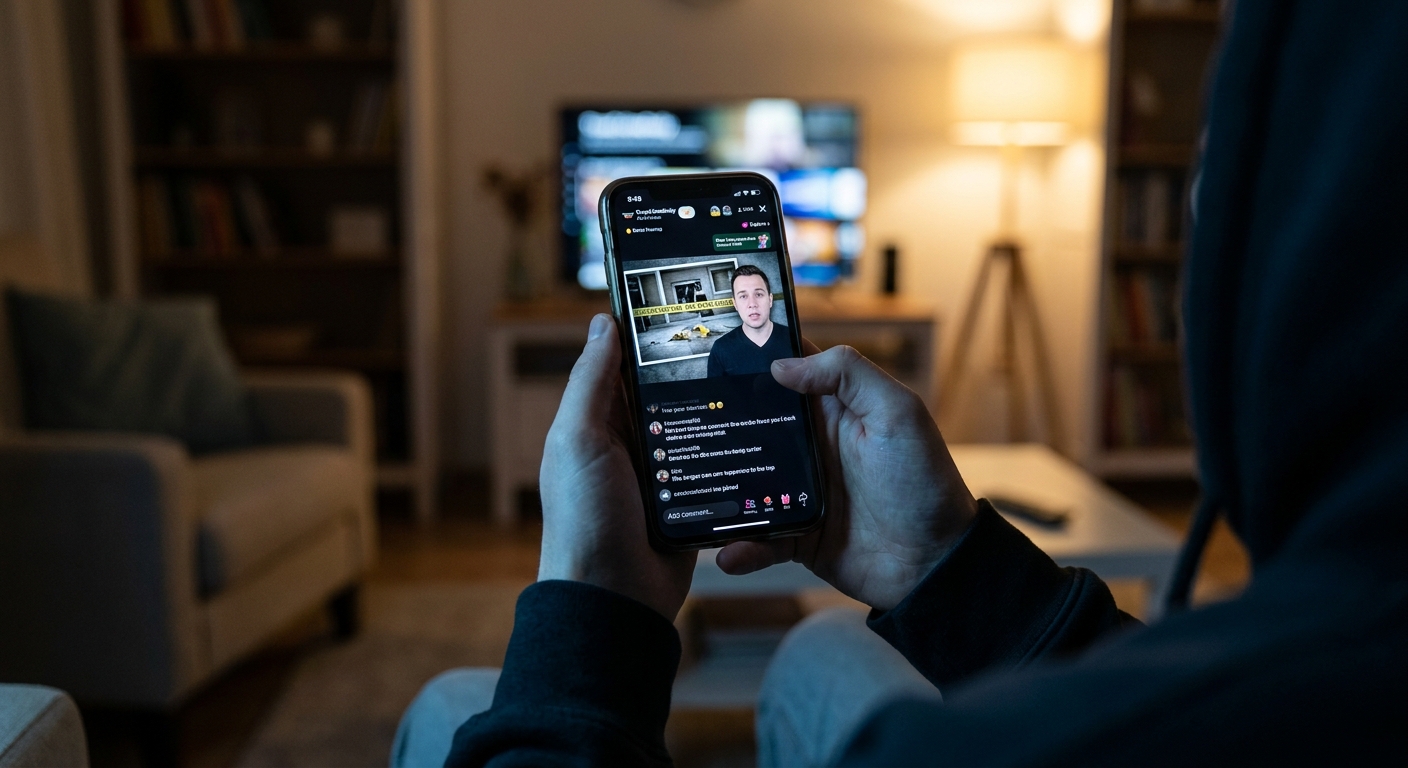
Crowdsolving is one of the most hopeful parts of true crime podcast culture. A listener recognizes a detail. Someone remembers a vehicle. A name sparks a connection. And sometimes, that collective attention helps move a case forward.
But here is the other truth I have learned from court records, case files, and the people who have to live with the consequences: the internet is very good at being loud, and not always good at being right.
This guide is for the listeners who genuinely want to help. The ones who keep notes, who care about justice, and who also understand that real people are not plot devices. If you are going to crowdsolve, do it in a way that supports victims, respects due process, and does not turn strangers into targets.

What it is and is not
Responsible crowdsolving is the careful sharing of relevant information with the people who can act on it, typically investigators or vetted reporters. It can also include public awareness efforts like sharing missing person flyers from official sources.
What it is not: open season on “suspects” identified by vibes, rumor, or a blurry screenshot. It is not doxxing. It is not sliding into a victim’s sister’s DMs because you “have questions.”
A quick gut check
- If your theory requires a real person to be publicly accused without evidence, it is not crowdsolving.
- If your post could make a witness less likely to come forward, it is not crowdsolving.
- If you would not say it in front of a judge with your name attached, slow down.
Know the stakes
Listeners often assume internet attention automatically helps. In practice, unfiltered theorizing can create very real damage, even when intentions are good.
It can contaminate witness memory
People are more suggestible than we like to admit. When a theory spreads widely, witnesses may unintentionally absorb details and later recall them as personal memory. That can muddy interviews, lead to inconsistent statements, and make testimony easier to challenge.
It can tip off the person investigators are watching
If law enforcement is tracking a suspect quietly, viral posts can push that person to destroy evidence, lawyer up early, or disappear.
It can flood tip lines with noise
When thousands of “maybe it was the ex” messages arrive, legitimate leads get buried. Investigators triage. Your hunch might cost time that someone else’s real tip needed.
It can endanger the wrong people
False accusations have led to harassment, lost jobs, and threats against innocent people. Even after a correction, the stain sticks because the internet keeps receipts forever.

Ethics first
I know the genre can feel intimate. Podcasts invite you into a narrative voice, into a community, into late-night rabbit holes. But none of that gives us access to the private grief of families or the personal histories of victims.
Respect boundaries
- Do not contact family members or friends for “clarification,” “a quote,” or “closure.” If they want public engagement, they will set up an official page, email, or spokesperson.
- Do not tag relatives in theory posts. Even well-meaning tags can summon harassment.
- Do not share private information like addresses, workplaces, or school names, even if you found it easily.
A better way to show care
Boost official fundraisers, verified advocacy efforts, or family statements when they ask. Sometimes the most ethical participation is simply listening without taking up space that is not yours.
How to share a tip
If you think you have information that could actually matter, treat it like evidence, not gossip.
Step 1: Interesting vs. relevant
Relevant tips usually have at least one of these: a specific date, time, location, name, vehicle detail, digital handle, or firsthand observation. “This person gave me a bad vibe in high school” is not a tip.
Step 2: Use official channels
- Call or submit through the law enforcement tip line listed by the agency handling the case.
- If the podcast has a dedicated tip email or voicemail and clearly states it is forwarded to investigators, use that.
- If anonymity is offered and you need it, use it. Do not post your tip publicly first.
Step 3: Be concise
Investigators love clarity. Include:
- What you know (facts only)
- How you know it (firsthand, heard from someone, found in a document)
- When and where
- Supporting material (screenshots, links, photos) with context
Step 4: Submit once
After you submit, resist the urge to chase updates. You may never hear back. That is normal. It does not mean your tip was ignored. It means the process is bigger than you can see.

Posting theories online
Sometimes you are not submitting a tip. You are talking through an episode with other listeners. That is the social part of podcast culture, and it can be fun. If you do it, do it responsibly.
Before you post
- Am I naming a private individual? If yes, do not. Discuss actions and publicly confirmed facts, not targets.
- Is this information verified? If it is based on a screenshot, a rumor, or “someone on Reddit said,” label it as unverified or skip it.
- Could this post lead to harassment? If it could, it will. The safest assumption online is that someone will take it too far.
- Am I repeating addresses, workplaces, license plates, or family details? Never share them.
- Would this compromise an investigation? Avoid sharing alleged evidence details not released publicly, especially if obtained through leaks.
Choose careful language
Swap certainty for humility. It is a small shift that reduces harm:
- Instead of “He did it,” try “This element reminds me of X, but we do not have enough to conclude anything.”
- Instead of “She is lying,” try “Her statement conflicts with the timeline as reported, and I’m not sure why.”
- Instead of “Everyone message his boss,” try “Do not contact anyone involved. If you have a real tip, submit it to investigators.”
Community red flags
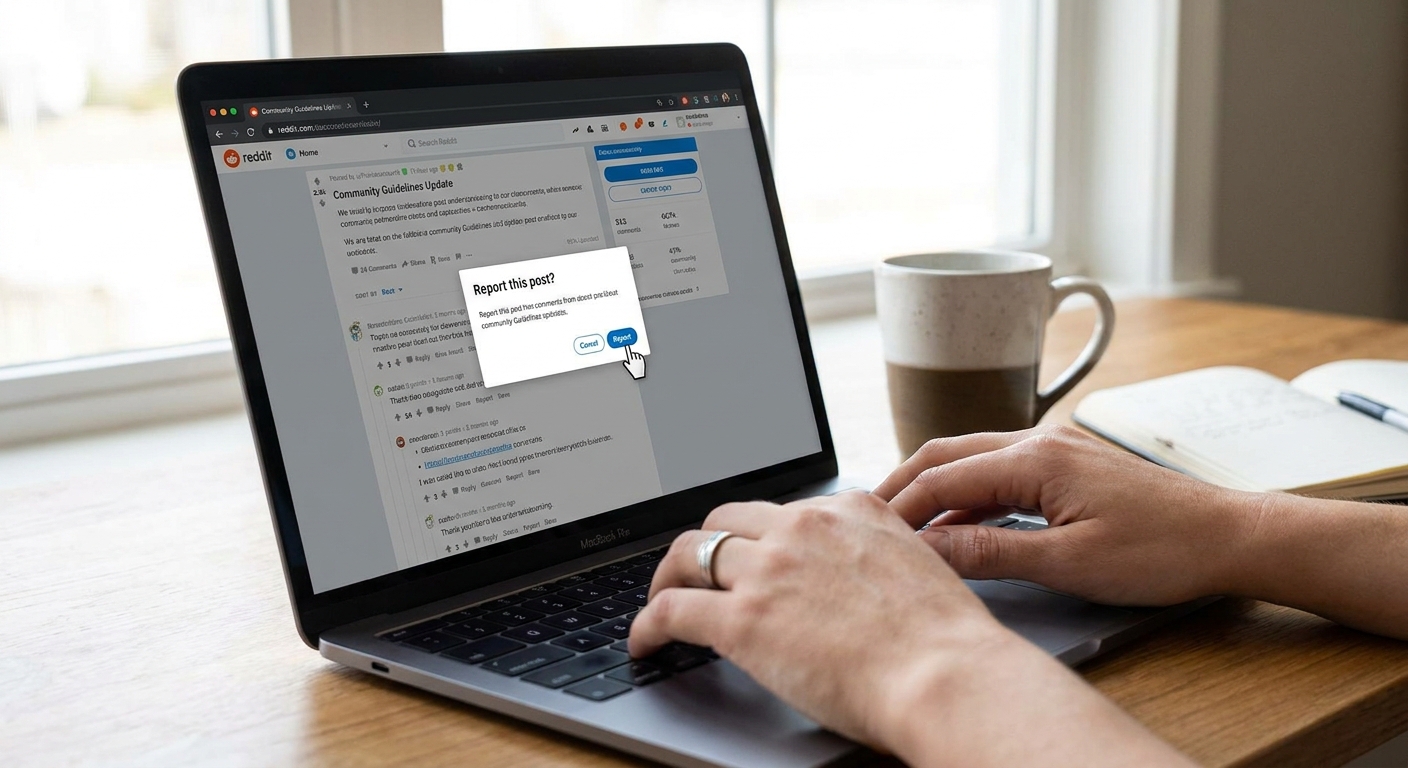
Some groups treat “crowdsolving” as permission to play detective with real lives. If you notice these patterns, consider backing away or pushing for better moderation.
- Doxxing disguised as research (posting addresses, employer info, family names)
- Dogpiling (encouraging members to comment on someone’s personal accounts)
- “Body language” certainty used as proof of guilt
- Psych diagnoses as insults (“He’s a narcissist so he must be the killer”)
- Monetized harassment (creators making money by repeatedly accusing the same private person)
If you are a moderator, set clear rules: no naming private suspects, no contact campaigns, no personal info, and no posts that could identify minors.
Justice basics
You do not need a law degree to participate ethically, but a few fundamentals will keep you from accidentally spreading misinformation.
Arrested vs. convicted
An arrest means probable cause. A conviction requires proof beyond a reasonable doubt. Treat that difference with respect in your wording and your assumptions.
Public records need context
Yes, you can find court dockets, filings, and past charges. No, that does not mean you should repost them without context or imply they prove involvement in a separate case.
Silence is not evidence
Families, witnesses, and agencies may be quiet for legal reasons, safety reasons, or simply because they are exhausted. A lack of updates is not a clue.
Ways to help
Not every case needs amateur detectives. Many cases need sustained, respectful attention and real-world support.
- Share official missing person posters from law enforcement or verified family pages.
- Support credible victim advocacy organizations in your region, especially those providing legal aid, counseling, or emergency housing.
- Attend community safety meetings when invited and when appropriate, especially in cases involving local patterns of harm.
- Practice ethical listening by pushing back on cruelty and correcting misinformation gently, with sources.
And if you are moved by a story, consider writing to your representatives about policy, funding for cold case units, or improved services for survivors. “Helping” is not always dramatic. Often it is boring and effective.
FAQ
Should I message the detective directly on social media?
Usually, no. Use the official tip line or email listed by the agency. Direct messages get lost, lack documentation, and can create security issues.
What if I found something in public records that seems important?
Submit it as a tip with a link or a citation. Avoid posting it in a way that encourages harassment, and avoid implying it proves guilt.
Is it ever okay to name a suspect in a forum?
If law enforcement has publicly named a suspect, or charges have been filed, you can discuss that person as a suspect or defendant using verified facts. Even then, do not post personal contact details or encourage targeting. If the person is a private individual not publicly named, do not name them.
What if the podcast host is asking listeners to investigate?
Follow only the instructions that route information to official channels and that explicitly discourage contacting private individuals. If a show is encouraging harassment or “go ask their neighbor,” that is a sign to step away.
I posted a theory and realized it could be harmful. What now?
Delete it, then correct the record if it spread. A simple, direct follow-up works: “I removed my earlier post because it included unverified claims and could lead to harassment.” Accountability beats doubling down.
The quiet responsibility
I love a smart community. I love listeners who notice details and ask careful questions. Crowdsolving, at its best, is collective attention used with restraint.
If you remember one thing, let it be this: the goal is not to be right on the internet. The goal is to do the least harm while leaving room for the people closest to the case, and the professionals tasked with investigating it, to do their work.