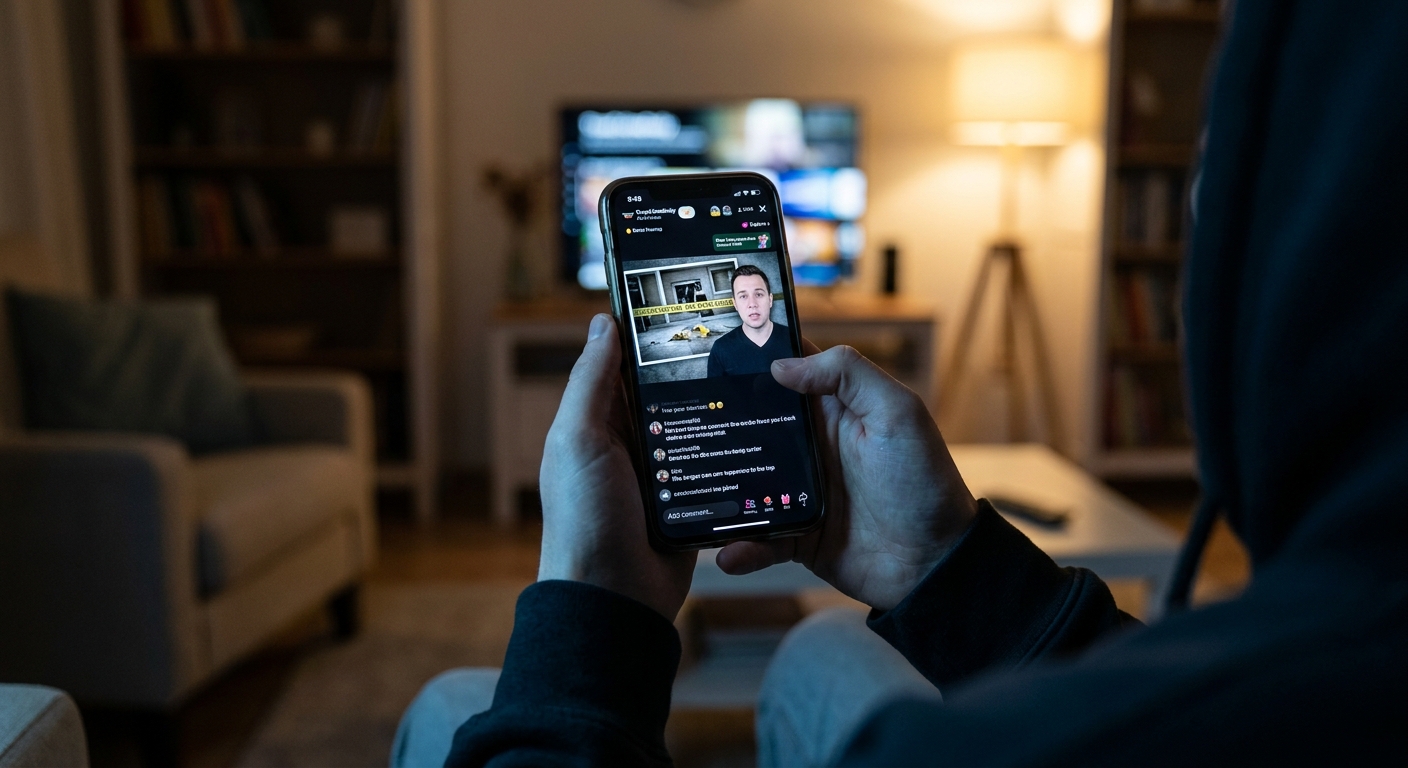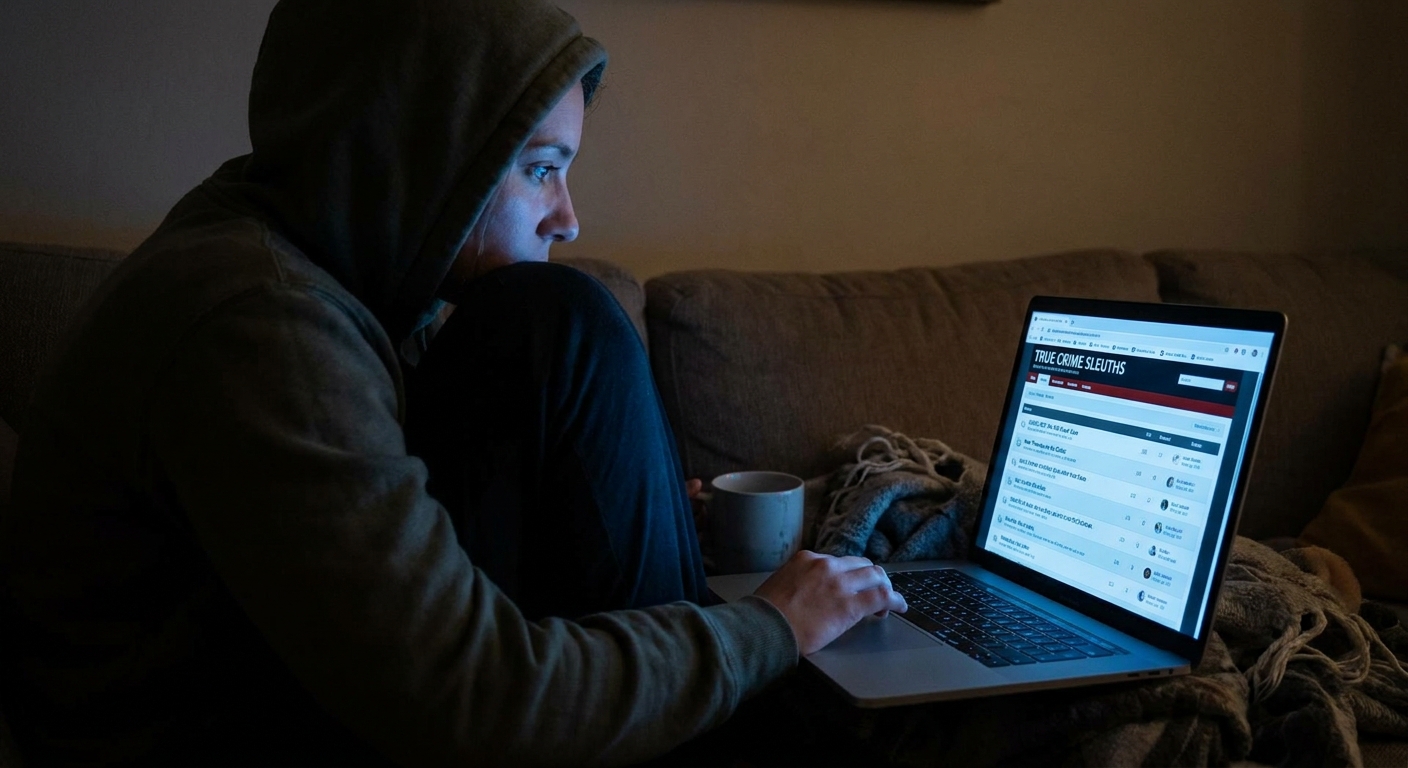
There’s a particular kind of character who keeps showing up in our TV queues lately: the amateur sleuth with a ring light, a Reddit tab open, and a righteous certainty that the truth is one spreadsheet away. Sometimes they’re charming. Sometimes they’re insufferable. Sometimes they are dangerously effective. And if you’ve spent any time in the internet’s true crime neighborhoods, you’ve met their real-world counterparts.
Pop culture did not invent armchair investigating, but it has become the genre’s favorite mirror. Today’s screen sleuth is less about magnifying glasses and more about message boards, TikTok stitches , body language breakdowns, and the dopamine hit of being “first.” What we are watching is not just a mystery. It’s a story about us watching mysteries.
The new detective is a fandom
Classic whodunits taught us to trust the detective: the lone mind, the method, the moral code. Internet true crime culture flips that structure. The detective is a crowd, the method is content, and the moral code depends on who is moderating the comments.
On screen, this shift shows up in two big ways:
- The mystery is inseparable from the media around it. Episodes include podcasts, livestreams, forum threads, or a documentary inside the documentary.
- The investigator’s motivation is mixed. Justice and curiosity share the same room with clout, community, and obsession.
That blend is why these stories feel so current. They are not only asking “who did it?” They are asking “what does it do to us when we treat violence like a participatory sport?”
When satire works
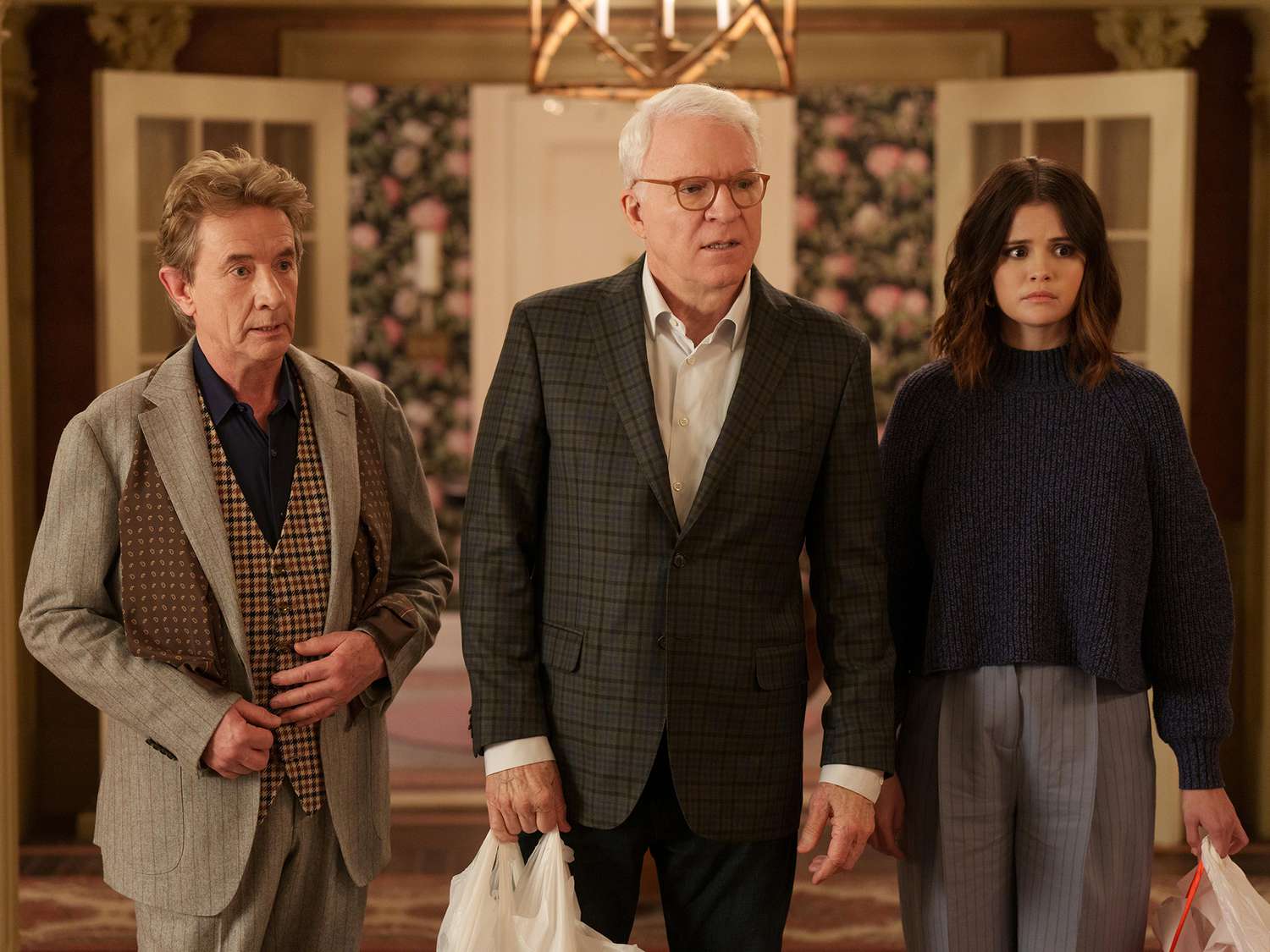
Some of the smartest portrayals of amateur sleuths use humor to expose the genre’s blind spots without turning victims into props. Only Murders in the Building is the obvious touchstone, and not just because it’s literally about podcasting. It understands something crucial: the amateur sleuth is often lonely first, and investigative second.
Comedy works here because it can hold two truths at once. It can admit that community sleuthing can be life-giving, especially for people who feel invisible, while still poking at the entitlement that sometimes comes with “I listened to three episodes, therefore I deserve answers.”
Satire also tends to highlight the performance layer that internet sleuthing encourages:
- Turning theories into personal brands
- Confusing “audience trust” with expertise
- Escalating stakes to keep engagement high
- Making villains out of whoever will not cooperate with the narrative
The best comedic takes do not just laugh at amateurs. They laugh at the machinery that makes amateurs feel deputized.
When the crowd wins
Then there are stories that treat online sleuthing as a superpower. Sometimes that’s earned. The internet has helped surface missing persons cases , amplify tips, and keep attention on cases that institutions would rather let fade. There’s a reason “the crowd” keeps getting cast as the hero. It is modern wish fulfillment: if the system fails, maybe the people can fix it.
But pop culture often smooths over the messy middle. It can skip the part where most leads go nowhere, where rumors become receipts, and where “helping” can look a lot like harassment. Screen narratives love a clean arc: a theory, a chase, a reveal. Real-life sleuthing is more like:
- Incomplete information and delayed confirmations
- False positives, mistaken identities, and confirmation bias
- Long stretches of nothing, punctuated by high emotion
- Collateral damage that rarely makes the final cut
When a show frames the internet as reliably correct, it can nudge viewers toward feeling justified in acting like detectives in cases that are still unfolding.
When it turns intrusive
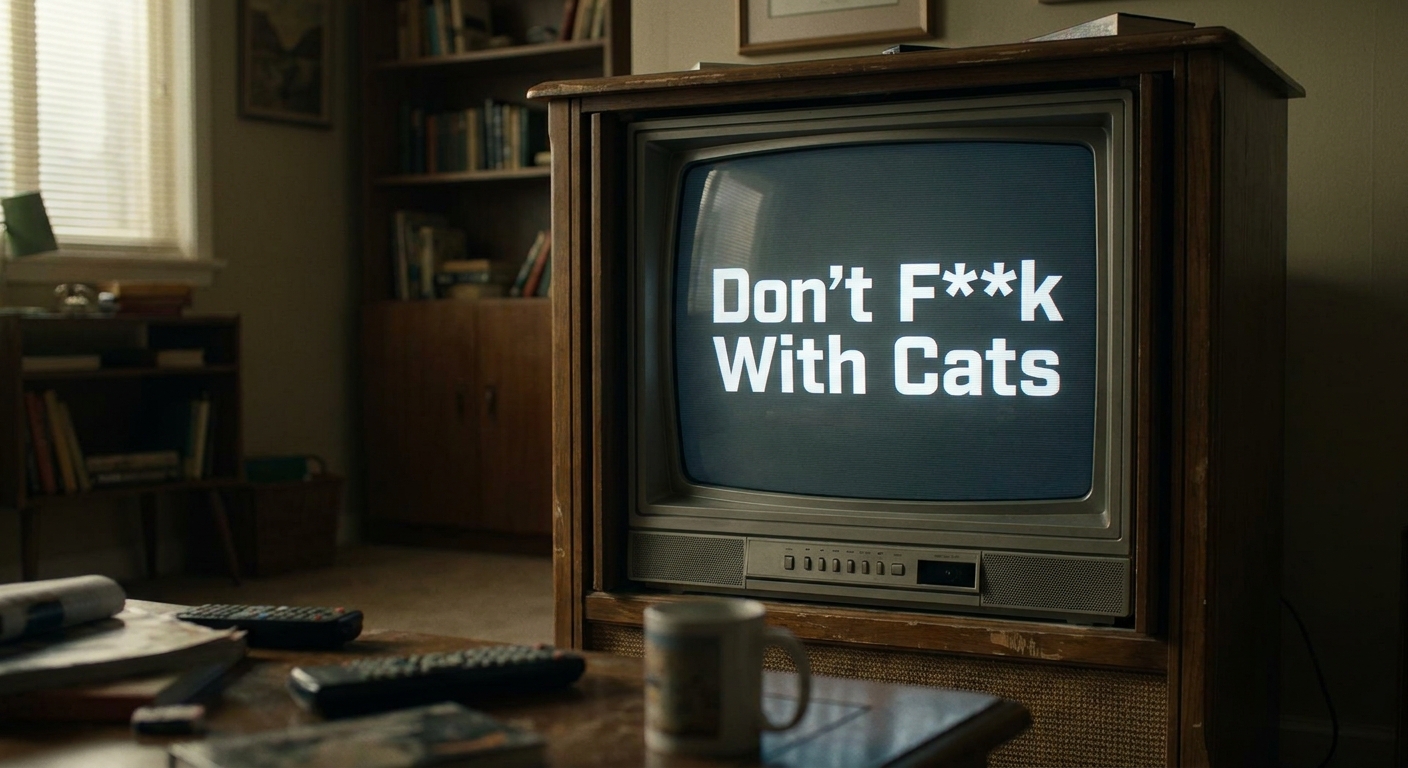
If you want a pop culture artifact that captures the high-stakes ethics of internet sleuthing, it’s hard not to land on Don’t F**k With Cats. It’s gripping partly because it dramatizes a familiar fantasy: a community of strangers bonds, collaborates, and outsmarts evil. It’s also unsettling because it shows how quickly moral urgency can slide into obsession, and how a crowd can be both brilliant and reckless.
Other recent stories have been circling the same danger from different angles: the docuseries that makes the audience feel like jurors, the dramatization where the “comment section” becomes a Greek chorus, the podcast narrative that starts as advocacy and ends as a brand refresh. The point is less the title and more the pattern: we keep returning to plots where the investigation is also a content pipeline.
These cautionary stories tend to emphasize three uncomfortable realities:
1) The internet never forgets, even when it’s wrong
Misidentification is not a plot twist. It’s a life-altering event. The infamous Reddit misidentification after the Boston Marathon bombing is the clearest example of how fast a crowd can turn conjecture into a searchable accusation. Once a theory has screenshots and a thread, it starts to feel like evidence, even when it’s just momentum.
2) Participation can feel like accountability
Watching sleuths spiral can be uncomfortable because it resembles the way platforms reward certainty. The louder the claim, the more it travels. The more it travels, the more it feels true. A good series will show that loop, and then ask the question we avoid: who pays for our certainty when we are wrong?
3) Victims can become secondary characters
Internet sleuthing often centers the solver. Screen versions do this too, especially when the protagonist is charismatic. The ethical challenge is that the victim’s life can shrink to a set of clues. The most responsible portrayals keep pulling the camera back to remind us that the “case” is a person, and the aftermath is not episodic.
Why we love it anyway
Let’s be honest, a lot of us see ourselves in these characters. Not because we think we’re about to crack a cold case, but because the impulse underneath is deeply human. We want patterns. We want explanations. We want to believe that attention can be a kind of protection.
Pop culture captures a few recurring motivations that feel true to internet life:
- Control in a chaotic world. Solving a mystery promises order, cause and effect, a reason.
- Community. Forums and comment sections can feel like a support group, even when the topic is grim.
- Advocacy. Some viewers arrive through genuine concern and stay to push for coverage, resources, or policy change.
- Identity. Being “the person who knows the case” can become a role, especially for people craving significance.
None of those motivations are inherently bad. The problem is when the story rewards the feeling of righteousness more than the responsibility of being right.
True crime about true crime
One of the most interesting shifts is how often true crime entertainment now includes a meta layer. We are getting more stories about:
- Podcast hosts who lose the plot
- Documentarians who shape narratives with selective empathy
- Online communities that mistake proximity for permission
This isn’t just a creative trend. It’s an admission that the audience has changed. Many viewers are more alert to framing than they used to be. We recognize monetization. We recognize when a series wants us to feel complicit, and when it wants to reassure us that we are “the good kind” of true crime fan.
Sometimes the meta approach is sincere. Sometimes it’s a convenient halo. A show can critique exploitation while still profiting from the same suspense beats. That tension is part of why these stories stick in our throats. We are entertained, but we are also being gently interrogated.
What it gets right and wrong
It gets right: the emotional engine
The most accurate portrayals understand that internet sleuthing is rarely just intellectual. It’s emotional. It’s parasocial. It’s a relationship with a narrative, with a community, with an imagined version of the victim or the perpetrator. When shows depict that pull, they feel real.
It misses: how slow justice is
What screen stories often compress is the reality that criminal justice is not a puzzle box. It’s paperwork, resources, luck, timing, and human limitations. Real investigators do not get to skip ahead because they have a compelling theory. Families do not get clean closure just because the season finale needs one.
And the “machinery” is not just metaphor. Platforms are built to reward what keeps people watching:
- Algorithms that elevate high-engagement certainty over cautious nuance
- Monetization that turns new episodes, updates, and “breaks” into income
- Frictionless sharing that can send an unverified claim further than a correction ever travels
When pop culture leans too hard into the fantasy of crowdsourcing justice, it can blur lines for viewers:
- Suspicion vs evidence
- Public interest vs public entitlement
- Awareness vs interference
That blur is exactly where harm tends to happen.
Watch with intent
I am not here to scold anyone out of their comfort show. I love a tightly plotted mystery as much as the next person who keeps a legal pad near the couch “just in case.” But if pop culture is going to keep reflecting internet true crime culture back at us, we can meet it with a little more intention.
Here are a few questions I keep in my back pocket while watching:
- Who is centered? Is this story about a victim’s life, or about a sleuth’s ego?
- What is the show asking me to do? Empathize, speculate, purchase, share, mobilize?
- What happens after the reveal? Does the narrative acknowledge trauma, grief, and the long tail of consequences?
- Would this scene feel different if I were related to the victim? That one is a gut check, not a rule, but it matters.
If you ever feel tempted to take the next step off-screen, a small best-practices checklist helps :
- Do not name private individuals based on vibes, screenshots, or “pattern matching.”
- Do not contact families for confirmation, content, or closure.
- Route tips to official channels and keep them factual, timestamped, and sourceable.
- Assume you are missing context because you are.
Ethical viewing isn’t joyless. It’s just refusing the easiest version of the story.
The bottom line
Amateur sleuths on screen are not just characters. They are cultural self-portraits. They reveal what we want from true crime now: participation, intimacy, immediacy, and the comforting idea that if we pay close enough attention, tragedy becomes preventable.
Pop culture can satirize that desire, validate it, or warn us about it. Often it does all three in the same season. The question isn’t whether armchair investigating will stay popular. It will. The question is whether our stories will keep evolving toward empathy and accountability, or whether they will keep mistaking engagement for justice.
If true crime is a lens, the internet is the fingerprint dust. It can reveal something real, and it can also make a mess of everything it touches.
FAQ
Are amateur sleuths ever actually helpful in real cases?
Sometimes, yes. Tips from the public can matter, and online communities can amplify missing persons cases and circulate information that prompts leads. The most helpful contributions tend to be tightly evidence-based, responsibly shared, and routed through appropriate channels, not blasted as certainty.
Why do shows keep making the sleuth the hero?
Because it’s a satisfying narrative in an era when many people feel institutions are opaque or untrustworthy. A relatable protagonist who “just cares a lot” offers catharsis. It also keeps the story propulsive, even when real investigations are slow and unglamorous.
What’s the biggest harm from internet sleuth culture that TV gets wrong?
The speed and permanence of misidentification. Screens can treat it as drama. Real life treats it as a searchable accusation that can follow an innocent person for years.