There is a moment most of us recognize if we have spent any time with the genre. A missing person case breaks, and within hours it is everywhere: wall-to-wall cable coverage, push alerts, social media speculation, podcast emergency episodes. The victim’s face becomes a kind of public property, circulated until it feels like the whole country is searching.
Then there are the other cases. Equally urgent, equally devastating, sometimes with clearer leads and higher risk factors, that never reach that level of attention at all.
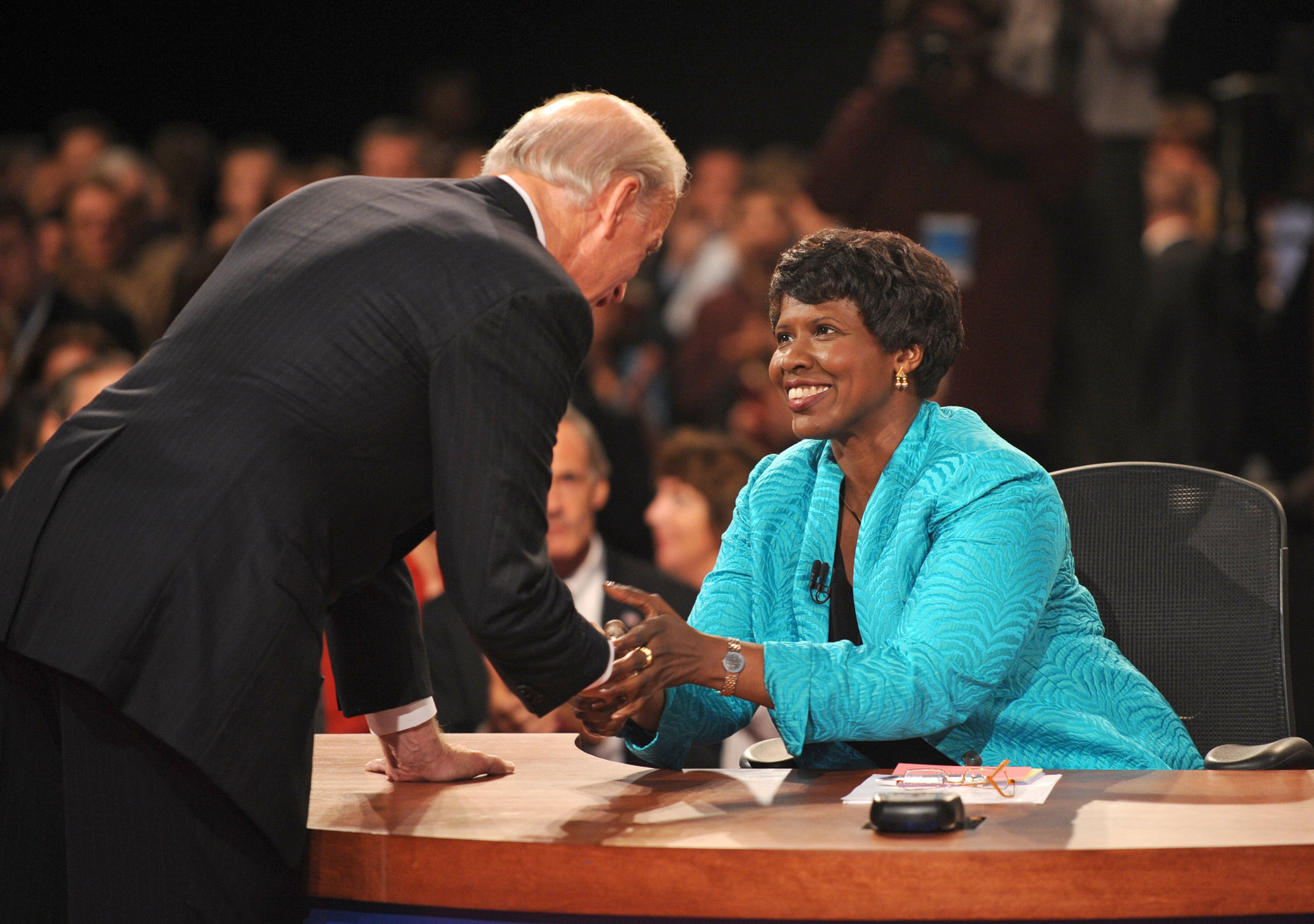
That gap has a name: Missing White Woman Syndrome, a term widely attributed to journalist Gwen Ifill, who discussed the pattern publicly in the early 2000s, to describe a consistent pattern in American news where young, conventionally attractive, white women receive disproportionate coverage when they go missing, compared to missing people of color, Indigenous women and girls, LGBTQ+ people, men, older adults, and people with histories that newsrooms decide are less “sympathetic.”
In true crime, where storytelling choices can amplify or erase, this pattern does not just mirror the news. It can harden into a default setting.
What it is
At its core, Missing White Woman Syndrome is not a claim that missing white women should not receive coverage. They should. The issue is that coverage often functions as if it were a limited resource, distributed according to perceived marketability, and the distribution is not neutral.
When a case is elevated, it tends to come with:
- Volume: constant updates, live shots, panel discussions, and repeated airing of the same details.
- Framing: language that signals innocence, purity, and relatability, often emphasizing roles like “daughter,” “student,” or “all-American.”
- Urgency: swift mobilization of public tips, volunteer searches, and political attention.
- Visual saturation: widely circulated photos that fit familiar ideas of who audiences feel compelled to protect.
Cases that do not fit the favored template often receive the inverse: fewer articles, less follow-up, more skepticism, and narratives that drift quickly into insinuation. The victim’s life gets reduced to risk factors rather than humanity.
Why it happens
1) News values are not the same as human value
Editors make decisions under pressure: what gets clicks, what keeps viewers, what is easy to explain in a headline, what fits into a familiar script. The problem is that these “news values” routinely overlap with race, class, and gender bias.
Victims who are young, white, and perceived as middle or upper middle class are more likely to be framed as universally relatable. That relatability translates into audience attention. Audience attention translates into more coverage. And more coverage creates the impression that the case is uniquely important, which becomes a self-fulfilling loop.
2) The “perfect victim” myth
One of the quiet engines behind Missing White Woman Syndrome is the idea of the “perfect victim,” someone seen as innocent, blameless, and easy to defend without complication. This standard is deeply gendered and racialized. It also punishes people whose lives include poverty, addiction, sex work, unstable housing, prior arrests, or complicated relationships.
The reality is that people do not become less missing because they had a hard life. But the “perfect victim” filter makes some disappearances feel more narratively convenient than others.
3) Policing and public records shape the story early
Media coverage is often built from police statements and official documents. If law enforcement classifies a case as a runaway, treats a report as low priority, or delays issuing alerts, that decision shapes whether a newsroom sees the case as actionable.
Communities that have historically been overpoliced and underprotected face a double bind: distrust can make engagement with law enforcement more complicated, and that complication gets misread as a lack of concern.
4) True crime inherits bias, then adds incentives
True crime is not just reporting. It is also entertainment, which means creators think in arcs, pacing, and character. That is where bias can slip in under the cover of craft.
Many shows and podcasts, especially earlier genre staples, leaned heavily on cases that already had abundant coverage. Those cases are easier to research, easier to book, and often easier to clear from a rights and access standpoint. But using “available” as the main selection tool reproduces the same disparities that made those cases over-available in the first place.
How it shows up in true crime
If you have ever wondered why some missing persons cases become multipart seasons while others never get an episode, a lot of it comes down to the infrastructure around the story.
Access and archives
Cases that were heavily covered generate a paper trail: articles, interviews, televised segments, public timelines, legal analysts who have already weighed in. For creators working under deadlines, that archive becomes a shortcut.
Brand pressure
There are conversations in production meetings that rarely make it on-air: Will an advertiser want to be adjacent to this case? Will listeners accuse us of being “too political”? Will a platform limit distribution or recommendations? These pressures can steer creators toward stories that feel less likely to provoke backlash, even when the backlash is really just discomfort with confronting racism, poverty, or systemic failure.
Visual and social media dynamics
Docuseries thrive on photographs, home videos, and compelling interviews. Families with resources can sometimes provide more media assets, and newsrooms historically collected more of those assets for certain victims. The result is that inequality in coverage becomes inequality in available storytelling materials.
A quick example
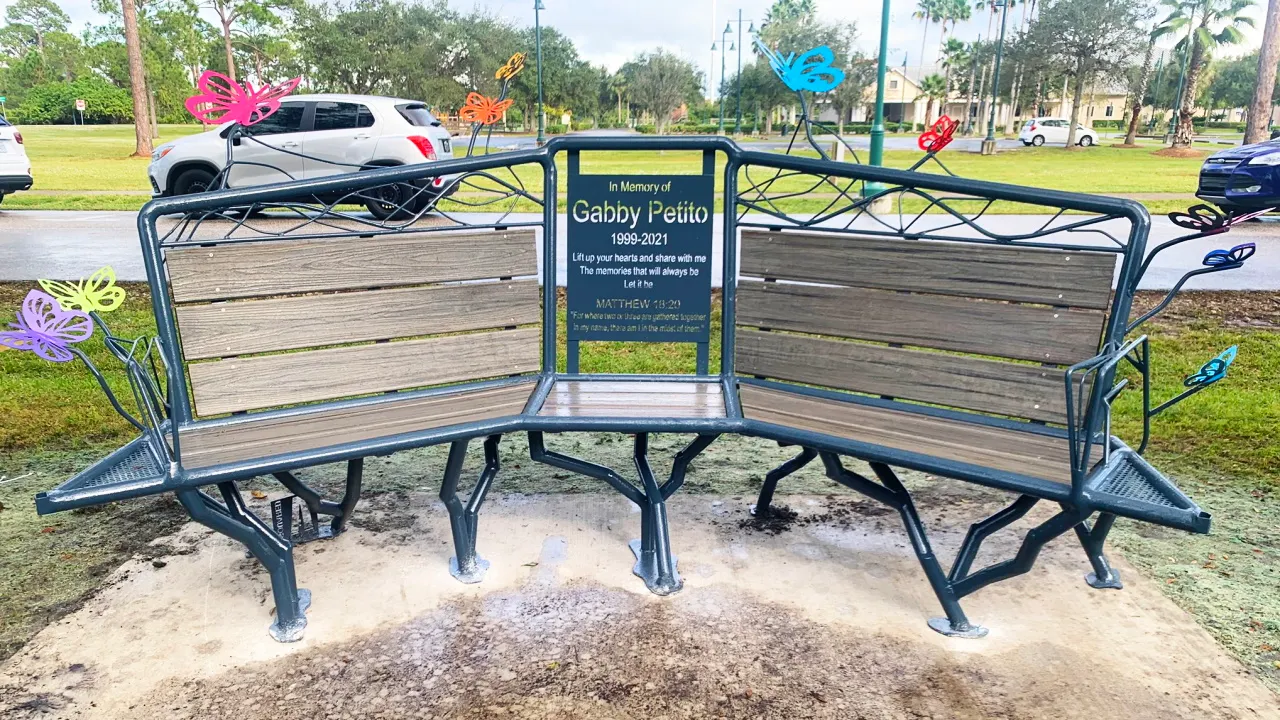
It can feel abstract until you notice how quickly the template appears. In 2021, Gabby Petito’s disappearance received enormous national attention, including nonstop updates and a sprawling online sleuth ecosystem. In that same period, many families of missing Black and Indigenous women publicly pleaded for comparable coverage and investigative urgency for their loved ones, often without a fraction of the airtime or follow-up.
The point is not to argue that Petito’s case was unworthy. The point is to name how stark the contrast can be, and how often the contrast tracks race, class, and perceived “innocence.”
The cost
It is tempting to treat this as a media fairness issue, but the stakes are not abstract. Attention can shape outcomes.
- Searches and tips: the more widely a missing person’s photo circulates, the higher the chance that someone recognizes them or remembers a detail.
- Resources: public pressure can influence how quickly agencies coordinate, how long searches continue, and whether politicians get involved.
- Accountability: sustained coverage can expose investigative failures. Lack of coverage can hide them.
- Community trauma: when certain communities watch their missing loved ones repeatedly ignored, it sends a message about whose grief counts.
There is also a cultural cost: true crime becomes a hall of mirrors where the “typical victim” is narrowly defined. That distorts public understanding of who is at risk and why.
Limits and gaps
One complication worth naming is that measuring disparities is not always straightforward. Reporting standards vary by jurisdiction. Databases are incomplete. Some missing people are misclassified, entered late, or never entered at all. Those gaps do not erase the pattern. They help explain why it can persist with so little friction.
Creators changing the narrative
The good news is that the genre is not stuck. Over the past several years, more creators have treated representation as a baseline ethical obligation, not a marketing angle.
Indigenous-led reporting and MMIP coverage
One of the most significant shifts has been the increased attention to Missing and Murdered Indigenous People (MMIP). Indigenous journalists, advocates, and community storytellers have been clear about what responsible coverage looks like: it centers families, names systemic causes, and avoids turning suffering into a content pipeline.
If you want a reference point for what care and rigor can sound like, CBC’s Missing & Murdered set an important standard in audio storytelling by grounding reporting in community context and accountability rather than spectacle.
Community-centered true crime
A growing number of podcasters build episodes around local reporting, mutual aid resources, and direct collaboration with families. The tone is different. It is less “can you believe this happened” and more “how did we get here, and who is being failed.”
Broader victimology, fewer stereotypes
Better shows refuse the shorthand that equates hardship with culpability. A victim can have an addiction history and still deserve exhaustive coverage. A missing person can be a teen who ran away before and still be in danger now. A victim can be trans and still have their identity respected as a matter of basic accuracy.
What ethical coverage looks like
I have worked around case files and public records long enough to know this: the paper tells you what happened, but it does not tell you who someone was. Ethical true crime tries to rebuild that missing context without exploiting it.
For journalists and creators
- Interrogate your “why this case” logic. If the answer is “there’s a lot of footage,” pause and ask what made that footage exist.
- Build time for sourcing outside police narratives. Community advocates, public defenders, local reporters, and family spokespersons often have critical context.
- Use language that does not smuggle in blame. Phrases like “high-risk lifestyle” can become shorthand that signals diminished urgency.
- Follow up. One of the biggest inequities is not just who gets covered, but who gets covered again after the initial spike.
- Share resources, not just outrage. Include tip lines, verified fundraisers, and local organizations when appropriate.
For listeners who want to consume responsibly
- Notice whose stories you are offered, then seek out the ones you are not.
- Support creators doing community-grounded reporting, even when the production is less glossy.
- Be careful with speculation. Online theories have real-world consequences, especially for marginalized communities that already experience profiling.
- Ask what the story is teaching you. Is it expanding your understanding of systemic failure, or just giving you puzzle pieces?
Beyond listening
- Share verified alerts. Repost official missing-person bulletins from agencies, NAMUS entries, or family-approved flyers, and keep identifying details intact.
- Amplify local reporting. If a local outlet is doing the work, share their coverage and credit them. That is often where updates live.
- Contact newsrooms with specifics. A brief note with confirmed information, a photo, and a family spokesperson contact can lower the friction to coverage.
- Support search and advocacy groups. When possible, donate to established community organizations or family-verified funds, and avoid opportunistic crowdfunding.
- Protect families from harm. Do not tag relatives into speculation threads. Do not turn grief into content.

Visibility is not justice
One more uncomfortable truth: even in the cases that receive massive attention, the spotlight does not guarantee resolution, and it can create its own harms. Families can be harassed, strangers can turn grief into fandom, and law enforcement can feel pressured into premature conclusions.
So the goal is not to build a hierarchy of “who deserves obsession.” The goal is to build a culture where coverage is proportionate to urgency and evidence, not proximity to whiteness, wealth, or a marketable storyline.
FAQ
Who is the term associated with?
The phrase is widely associated with journalist Gwen Ifill, who is often credited with bringing the idea into mainstream conversation in the early 2000s. Because attribution can vary across retellings, it is most accurate to describe her as helping popularize the term and the critique.
Is this only about race?
Race is central, but the pattern is also shaped by gender, class, age, disability, sexuality, and perceived respectability. Newsworthiness often tracks who is seen as “innocent” and “relatable,” which is never evenly distributed.
Does true crime make it worse?
It can, especially when creators rely on already-saturated cases, avoid community context, or treat victims as characters. But it can also make things better by amplifying undercovered cases, spotlighting systemic failures, and partnering with families and local reporters.
How can I tell if a podcast is responsible?
Look for transparency about sources, respectful language, minimal speculation, meaningful follow-up, and signs the creator understands the broader context. Responsible shows do not just ask “what happened.” They ask “what systems allowed this to happen, and who gets ignored.”
Where it goes from here
True crime will always have a magnetism. Mystery does that. But the genre is at its best when it remembers that the missing are not plot devices and that attention is a form of power.
If we are going to keep telling these stories, we can at least tell them like every person mattered from the beginning, not just the ones the media decided to put on the front page.