There is a moment I can almost predict, not because I am psychic, but because I have spent too many late nights watching how the same pattern repeats. A young woman disappears. Her yearbook photo is bright, approachable, instantly “shareable.” Within hours, the story has a name, a nickname, a dedicated cable segment, a map graphic, and a social media callout that reads like a civic duty.
Then there is the other moment, quieter and more common. A woman disappears. Maybe she is Indigenous. Maybe she is Black. Maybe she is Latina. Maybe she is transgender. Maybe she has a history of homelessness, addiction, or sex work that a newsroom treats like a disclaimer instead of a context clue. Her name does not become a household word. Her family becomes its own press office. The public never learns her laugh, her job, her inside jokes, the way she signed her texts.
This gap has a term: Missing White Woman Syndrome . And if you listen closely, you can hear it shaping true crime media, too, from which cases get greenlit for docuseries to which disappearances become “solvable mysteries” and which ones are treated as background noise.
What it means
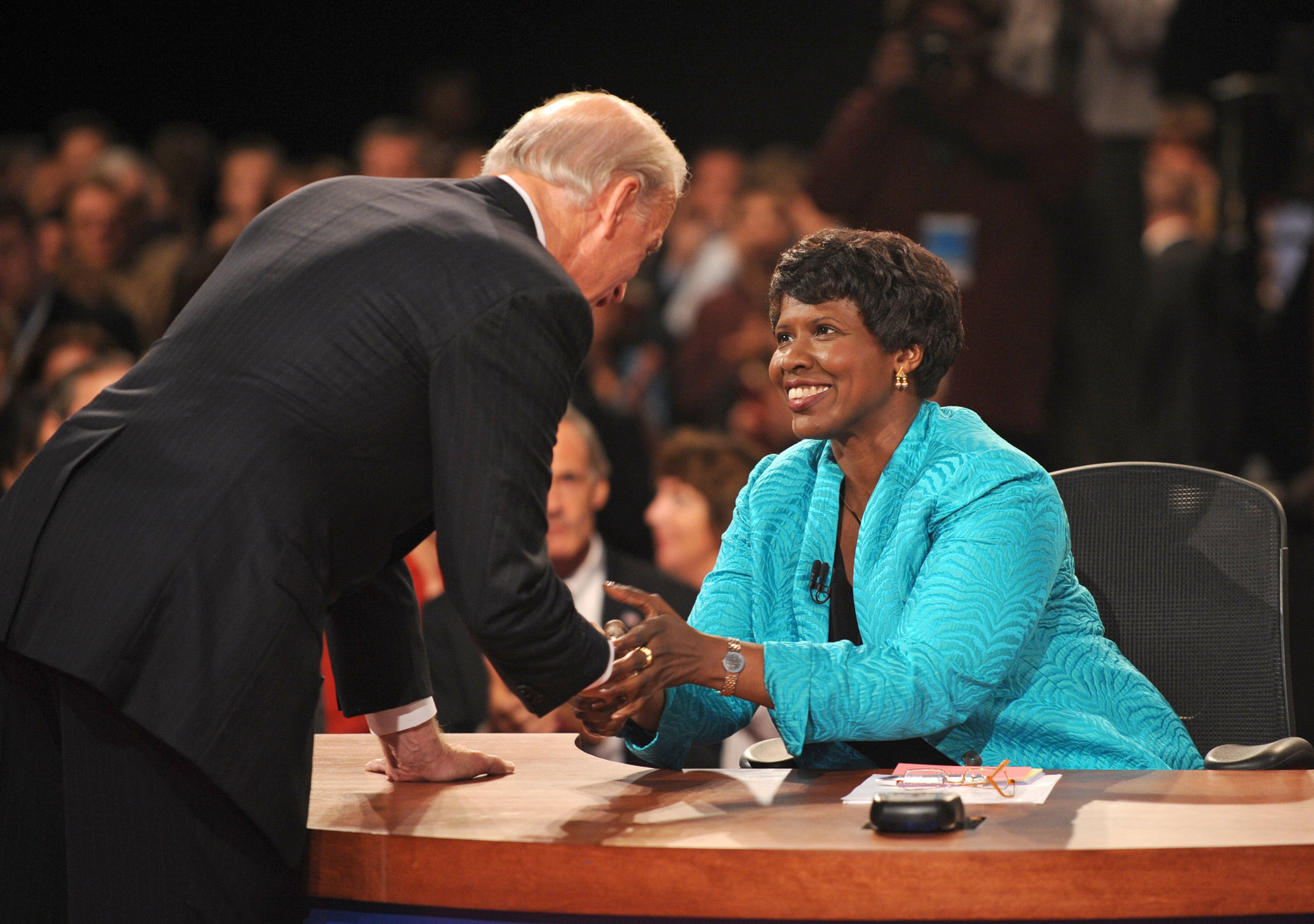
The phrase “Missing White Woman Syndrome” is often attributed to journalist Gwen Ifill, who discussed the pattern in a 2004 Washington Post column about which missing persons cases get wall-to-wall attention and which ones do not. Here is that column: “Missing but Not Missed”. If you want a second, widely cited reference point that traces how the term entered the broader media conversation, see this overview: Missing white woman syndrome.
Rather than litigate credit, what matters is the diagnosis: missing persons cases involving young, white, conventionally attractive women tend to receive disproportionate coverage compared to cases involving people of color, men, older adults, or anyone whose life does not fit an easy, sympathetic narrative.
It is not a claim that any individual victim “deserves less.” It is a critique of an ecosystem. When coverage concentrates on one type of victim, it quietly defines whose lives are treated as universally relatable and whose lives are treated as niche, complicated, or disposable.
More than race
Despite the name, the syndrome often overlaps with other biases:
- Class: Middle-class stability reads as “safe,” while poverty gets framed as “risk.”
- Gender presentation: Femininity is frequently coded as vulnerability worth protecting.
- Perceived “innocence”: A victim’s past can be used as an excuse to ignore their present.
- Geography: Suburban disappearances can get national coverage; rural and reservation cases can be treated as local footnotes.
- Language and citizenship: Families who do not have access to media contacts, English fluency, or legal resources start the race ten steps behind.
How headlines get chosen
In an ideal world, decisions would be based on urgency and public safety. In the real world, missing persons coverage is shaped by the same forces that shape every other beat: time, staffing, audience assumptions, and the blunt arithmetic of what editors think will perform. That can mean a producer with two hours to fill, a homepage that needs clicks before noon, or a shrinking staff choosing the story that is easiest to package fast.
1) Familiar stories are easy
A story that fits a recognizable script is fast to produce: the smiling photo, the timeline, the worried boyfriend, the ominous last ping. When a case is messy, meaning it involves poverty, foster care, domestic violence, addiction, or distrust of police, it takes more reporting to cover it responsibly. That extra work is exactly what under-resourced newsrooms often do not have.
2) Police pipelines are not neutral
Media often follows law enforcement leads. If police hold frequent press conferences, distribute high-quality photos, and make clear public calls for tips, coverage grows. When agencies respond slowly, misclassify a disappearance as “runaway,” or provide minimal updates, the story can wither. Bias inside the system becomes bias in the feed.
3) Editors anticipate audience bias
We like to pretend media simply reflects public interest. But editors also shape it. If decision-makers assume viewers will empathize more with certain victims, they will keep booking those stories. The result is a feedback loop that trains the public on whose pain is “breaking news.”

A real comparison
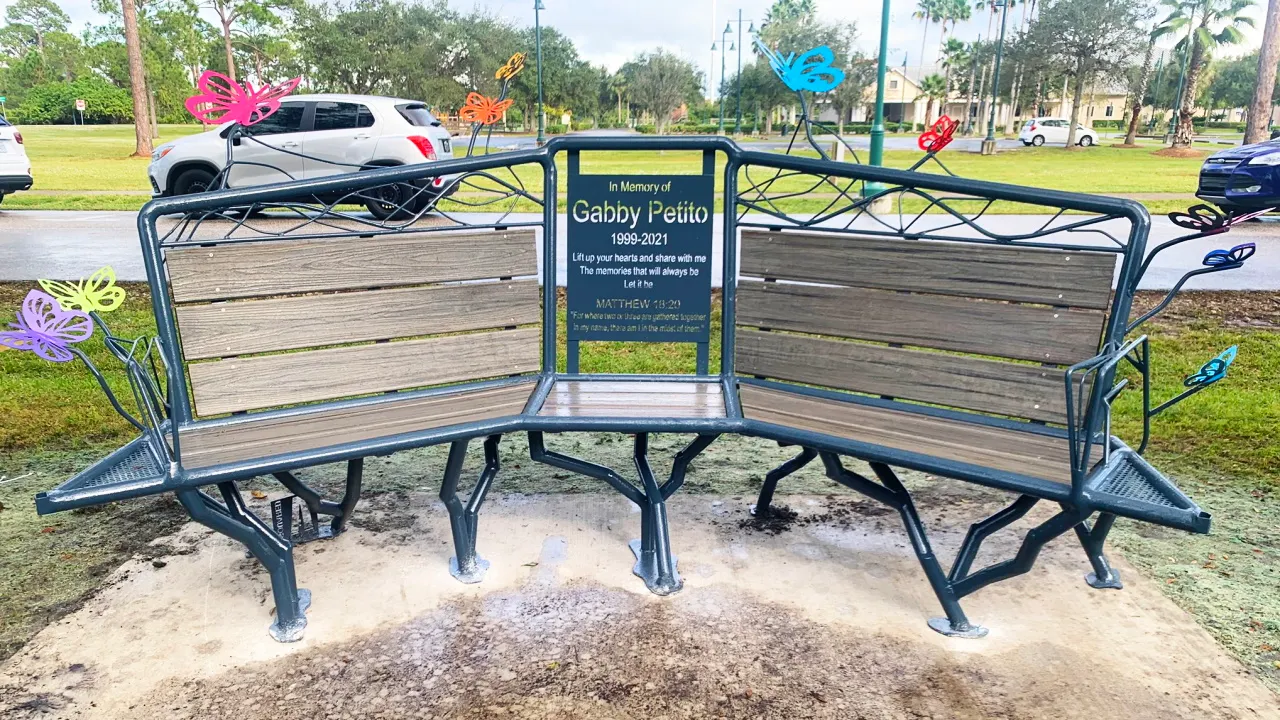
If you want a snapshot of how this plays out in real time, look at September 2021. Gabby Petito’s disappearance became a national story with daily updates, a flood of clips, and a true crime style narrative arc unfolding in public.
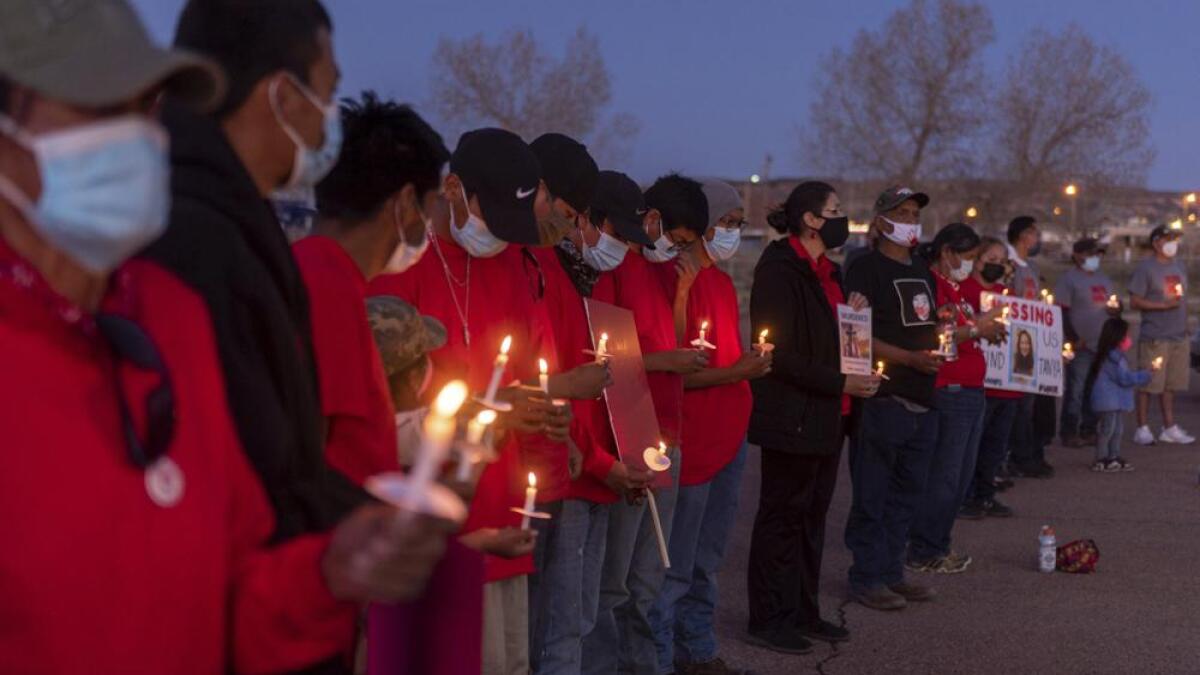
In the same window, advocates for Indigenous communities were pleading for sustained coverage of missing Indigenous people and for attention to the broader crisis of Missing and Murdered Indigenous Women, Girls, and Two-Spirit people. Cases did not lack tragedy or urgency. What they often lacked was the machinery that produces saturation: national live shots, constant press availability, and the assumption that “everyone” will see themselves in the victim.
This is not about arguing that Petito should have received less care. It is about asking why the baseline is so uneven, and why some families are forced to build their own megaphone from scratch.
For directly relevant federal context on the MMIWG2S and MMIP crisis, start with the U.S. Department of Justice’s Missing and Murdered Indigenous Persons (MMIP) page, including Operation Lady Justice. Then read the federal framework behind the Not Invisible Act.
True crime amplifies it
True crime loves a central character. It loves a clean timeline. And it loves a mystery that can be solved in eight episodes with a satisfying twist. Missing White Woman Syndrome thrives in that environment because certain cases are easier to sell as prestige storytelling.
The “perfect victim” edit
Even well-meaning productions can sanitize a victim into a symbol. The more a story leans on “she was the kind of girl who…,” the more it implies other victims were not. This is how bias hides inside tenderness.
Resource gaps become content gaps
The cases that get extensive coverage also generate the most accessible reporting material: court filings, bodycam footage, interviews, maps, archives. Meanwhile, families of marginalized victims are often doing mutual aid fundraising just to print flyers. If creators only choose cases with abundant public records and media footprints, they will keep selecting the same demographic outcomes.
Algorithms reward repetition
Podcasts and streaming platforms can become algorithmic echo chambers. If a certain type of missing person story performs well, the system recommends more of it. Creators see the metrics and internalize the lesson: this is what “works.”
What unequal coverage costs
This is where the conversation has to move beyond optics. Unequal coverage can have real-world consequences, and not in a vague, hand-wavy way. Researchers and journalism analyses have repeatedly found disparities in which missing persons cases receive attention, and practitioners have long noted that attention changes what a case can access: community tips, volunteer searches, donations for private investigators, and political urgency.
One peer-reviewed study is “Missing Children in the News” (Sage Journals), which documents how demographics shape newsworthiness. For a journalism-focused synthesis of the dynamics behind the pattern, see Poynter’s coverage of the issue and its critiques of news values and visibility: Poynter search results on Missing White Woman Syndrome.
- Tips and sightings can dry up: Public attention is a search tool because it drives shares, call-ins, volunteer turnout, and fundraising for searches and advocacy.
- Pressure on investigators can change: High-profile cases bring oversight, urgency, and sometimes additional resources.
- Families absorb the labor: When the media will not show up, loved ones become their own reporters, advocates, and archivists.
- Policy priorities can skew: Public empathy shapes funding and legislation. The cases we highlight influence which reforms feel “necessary.”
When attention is treated like a limited resource, the question becomes: who is allowed to be publicly grieved?
Covering cases well
Here is the tension I wrestle with as a writer and as a listener: attention can help, but attention can also harm. The goal is not to swap one kind of sensationalism for another. It is to build coverage that is accurate, contextual, and useful to the people closest to the case.
Language matters
- Avoid “high-risk lifestyle” as a substitute for reporting: Say what you mean, with context and care.
- Do not treat survival as suspicious: Being unhoused, using substances, or doing sex work does not make someone less missing.
- Use names and identifiers correctly: Especially for Indigenous victims and transgender victims, accuracy is respect.
Who speaks matters
If an episode features everyone except the victim’s family, community advocates, or local journalists who have been covering it, that is not “deep reporting.” That is extraction with better microphones.
Systems matter too
Individual good intentions do not fix a structural problem. Newsrooms and creators can do tangible things: build a missing persons beat that is not driven by virality, partner with local and Tribal media, commit to follow-ups after the first headline, and adopt clear policies for correcting misidentification and misgendering. The work is not just choosing different cases. It is choosing different methods.
If someone is missing
Media critique is not enough. Here is the practical checklist people look for in the worst moment of their lives.
- Call local law enforcement: Ask for a case number and the investigating agency contact. In the U.S., there is no legal waiting period required for reporting a missing person, including adults, though some departments may mistakenly suggest otherwise.
- Ask about NamUs: The National Missing and Unidentified Persons System is a federal database that can support case visibility and coordination.
- If a child is missing, contact NCMEC: The National Center for Missing and Exploited Children provides 24/7 help and case support in the U.S.
- If Tribal jurisdiction applies, contact Tribal authorities too: Tribal police, Tribal government offices, and Indigenous-led advocacy groups can help navigate jurisdiction and visibility. If you need a starting point for context and resources, the National Indigenous Women’s Resource Center is a credible hub.
- Gather key details: Recent photos, clothing description, identifying marks, last known location, phone and social handles, vehicle info, known contacts, and any medical needs.
- Create a shareable flyer: Use verified numbers and tip lines. Include the missing person’s full name and date of disappearance.
- Document everything: Names, dates, calls, and responses. It should not be your job to keep the system honest, but paper trails help.
Shows widening the lens
There are podcast networks and independent shows doing intentional work to cover cases that mainstream outlets routinely overlook. This is not about giving anyone a gold star. It is about naming models that prioritize community partnership, careful sourcing, and victim-first storytelling.
Indigenous reporting
- Stolen (Connie Walker): Investigative reporting that has helped define what ethical, accountability-driven audio can sound like when Indigenous communities have been historically harmed by coverage.
- Missing & Murdered (CBC): A foundational series for understanding how systems fail Indigenous women and girls, and how storytelling can support, not overshadow, advocacy.
- This Land (Rebecca Nagle): Not a missing persons show, but essential context on sovereignty, jurisdiction, and why certain stories are structurally easier to ignore.
- All My Relations: Also not a missing persons show, but a strong listen for understanding how media framing, identity, and policy intersect in Indigenous communities.
Community reporting
- The Fall Line: Known for covering marginalized cases in the American South with a focus on systemic factors and respectful long-form reporting.
- Black Girl Gone: A missing persons focused show that addresses a painful truth directly: Black women and girls go missing, and the coverage often does not follow.
Missing persons as a beat
- The Vanished: Extensive interviews with families, with a format that often gives the microphone back to the people who live with the unanswered questions.
- Voices for Justice: Advocacy-forward storytelling driven by lived experience, with attention to structural issues that keep cases cold.
Worth saying plainly: a show covering a marginalized victim is not automatically ethical. The difference is the method: sourcing, consent, context, and whether the production treats community members as partners rather than content.
Listen and share better
I do not believe the solution is guilt. I believe it is practice. Here are a few ways to be a better consumer of true crime without pretending you are above it.
1) Audit your queue
Scroll your subscriptions. Who is centered? Who is missing? If every story looks the same, your media diet is telling you something about what the industry has trained you to crave.
2) Follow local reporters
National coverage often arrives late. Local journalists and community organizations are frequently the first to share accurate details, flyers, and verified tip lines.
3) Share responsibly
- Prioritize official missing person posters and verified family statements.
- Avoid spreading unconfirmed rumors, especially in the first 48 hours of a case going public.
- If you are sharing a podcast episode, include the victim’s name in your post. Do not just share the show title.
4) Support advocacy
If a story moves you, look for organizations doing direct support: Indigenous-led groups addressing MMIWG2S, local missing persons nonprofits, victim services, legal aid. Attention is a currency. Spend it somewhere that returns value to the people living the story.
Complexities
It is also true that coverage can spike for reasons beyond race: interstate travel, frequent video updates, high volumes of publicly available material, or a fast-moving suspect story that editors treat as “new.” Law enforcement data is inconsistent, jurisdiction can be tangled, and some communities have been so harmed by institutions that going public is not a simple choice.
None of that cancels the pattern. It just means the pattern is maintained by multiple incentives at once, which is exactly why “knowing better” is not the same as doing better.
Why it persists
Missing White Woman Syndrome persists when the market rewards familiar narratives, when newsrooms mirror institutional bias, and when true crime packaging prioritizes bingeability over equity.
But the story is not only about what media gets wrong. It is also about what audiences can demand. We can ask for better sourcing. We can refuse lazy tropes. We can support creators who do the slower work.
And we can keep saying the quiet part out loud: if true crime is going to claim it cares about justice, it has to care about whose cases get to be “true crime” in the first place.
FAQ
Is this criticizing coverage of missing white women?
No. It is a criticism of unequal attention and the structural bias behind it. Every missing person deserves urgency. The point is that not everyone receives it.
Does social media fix the problem?
Sometimes it helps, especially when families and advocates can bypass traditional gatekeepers. But algorithms can replicate the same bias by boosting stories that already perform well, which often means the same demographics get amplified again.
What should true crime creators do differently?
Build cases in partnership with families when possible, credit community reporting, be transparent about sourcing, avoid “perfect victim” framing, and include systemic context so the story does not treat inequality like a plot twist.