True crime can be a doorway into history, accountability, and sometimes even real change. It can also be a conveyor belt that turns someone else’s worst day into “content.” Most of us land somewhere in the middle: curious, moved, and trying to square our interest with our values.
I spent years in court archives, the place where headlines go to become paper cuts and people become case numbers. That job is part of why I’m picky now. Not about whether a story is “dark,” but about whether it’s careful. Ethical true crime is not about perfect consumption. It’s about paying attention, making better choices, and refusing to treat victims and survivors like props.
 <
<A quick gut check
Here is the question I keep taped to my mental fridge: Who is this story for? If the answer is “the audience,” that is not automatically bad. But if it is only for the audience, and not also for accuracy, context, and human dignity, you are in danger territory.
Try this 30-second pre-watch checklist:
- Do I know whose perspective this is? Victim, survivor, investigator, journalist, friend, or the person accused?
- Do I trust the sourcing? Is it based on public records, interviews, and verifiable reporting, or vibes (meaning: suggestive storytelling without proof)?
- Is this framed as a puzzle for me to solve? That can be a clue the victim’s life will be reduced to plot.
- What am I hoping to get out of this? Understanding and context are different from adrenaline.
The ETHIC framework
When I’m deciding whether something belongs on my watchlist or my nightstand, I run it through five letters: E T H I C.
E is for Evidence
Ethical true crime is built on receipts. Look for:
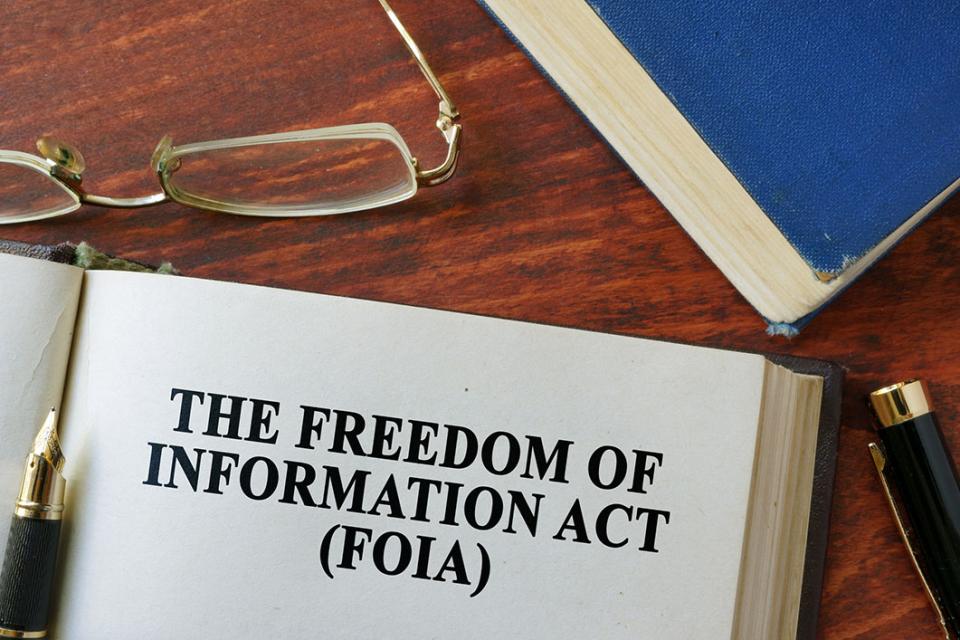
- Primary sources: court documents, public records requests (FOIA or your country’s equivalent), trial transcripts, contemporaneous reporting.
- Transparent reporting: what the creators know, what they do not, and how they know it.
- Humility: clear separation between confirmed facts and theory.
A red flag: a story that relies heavily on ominous narration and “some people say” without showing its work.
T is for Treatment
Victim-centered does not mean graphic. It means the victim is not a narrative device.
- Does the story use the victim’s name and reflect their life, not just their death?
- Are survivors interviewed with care, including boundaries around what they will not discuss?
- Are violent details minimized unless genuinely necessary for understanding the case?
A red flag: lingering recreations of suffering, “last moments” speculation, or sensational titles that treat a person as a hook.
H is for Harm reduction
Even accurate stories can cause harm. Better work shows awareness that certain choices can increase risk, including:
- Copycat risk and the dangers of glamorizing tactics or presenting violence as a blueprint (research on media contagion effects backs this up, especially in mass violence).
- Misidentification and the damage of crowdsourced accusations (the Boston Marathon Reddit misidentification is a well known example of how fast this can spiral).
- Community impact, especially in cases involving racism, misogyny, homophobia, or ableism.
A red flag: internet-sleuth bait that nudges viewers to “help solve” by targeting private individuals.
I is for Incentives
Follow the money and the motive, gently but honestly.
- Is the creator chasing fame, or practicing accountability?
- Are they selling merch that treats the case like a brand?
- Do they platform the accused or convicted in a way that feels like access for access’s sake?
A red flag: monetization that leans on catchphrases, jokes about victims, or “murder aesthetics” (violence-as-decor branding) that turns harm into décor.
C is for Context
Cases do not happen in a vacuum. Ethical storytelling asks why something happened, not just how.
- Does it explain the investigative timeline without scapegoating?
- Does it address systemic factors like domestic violence dynamics, police procedure, media bias, or court constraints?
- Does it avoid turning mental illness into a lazy villain origin story?
A red flag: a tidy narrative that ignores structural failures because nuance “slows it down.”
 <
<Green flags
Ethical does not mean boring. It means deliberate.
On-screen green flags
- Clear sourcing on camera: documents shown, experts identified, timelines grounded in records.
- Victim advocacy built in: links to foundations, missing persons resources, or policy work that is relevant and verified.
- Careful visuals: no fetishizing of evidence photos, no stylized violence for entertainment.
- Consent and boundaries: survivors are not ambushed, and their participation is not mined for tears.
Book and longform green flags
- Back matter that matters: notes, bibliography, and explanation of reporting choices.
- Language that respects complexity: no victim-blaming, no sneering at “bad choices,” no morality play.
- Accountability for uncertainty: the author is honest about what is unknowable.
Red flags
Think of these as “slow down” signs, not moral verdicts. Sometimes you keep watching. Sometimes you opt out.
- Merch tied to a specific victim or case without transparent benefit to victims, survivors, or legitimate advocacy.
- Comedy at the victim’s expense, or a tone that treats harm as entertainment first.
- Sexy styling of violence, especially involving women, children, or marginalized victims.
- “Both sides” framing that centers the perpetrator’s charisma or mythology.
- Private-person exposure, like publishing addresses, workplaces, or identifying details for non-public figures.
- Creators inserting themselves as the hero, especially when it undermines investigators, families, or community advocates.
If you walk away remembering the killer’s catchphrase but not the victim’s name, the story failed someone.
Engage without harm
Most ethical consumption happens after the credits.
1) Learn the victim’s name
If the media you are consuming gives you only a body and a timeline, do a little extra reading from reputable sources. Look for obituaries, legacy projects, or family statements if they exist. The goal is not to pry. The goal is to restore personhood.
2) Support real advocacy
Want to “do something” without getting scammed or accidentally causing harm?
- Donate to established local victim services, domestic violence shelters, or missing persons organizations.
- Share verified resources like hotline information when a story involves intimate partner violence or sexual assault.
- Prioritize foundations and funds that are explicitly endorsed by families or trusted community partners.
3) Don’t become unpaid police
Armchair investigation can slide into harassment fast. If you are tempted to post a theory:
- Ask yourself if your claim could identify a private person.
- Avoid “looks like” comparisons and social media sleuthing about bystanders.
- Remember that law enforcement and courts run on evidence standards, not gut feelings.
4) Talk about systems
There is a reason some stories repeat the same patterns: ignored restraining orders, under-resourced public defense, junk forensics, coerced confessions, media bias. Ethical conversation focuses on those forces, not just on the “evil” of one person.
5) Be careful online
A lot of harm happens in comment sections, group chats, and quote tweets. A few rules that keep you from becoming part of the problem:
- Do not share graphic clips or autopsy-adjacent images, even if they are “already out there.”
- Do not tag relatives, friends, or witnesses, and do not treat their pages like public forums.
- If you want to discuss the case, link to reputable reporting rather than circulating screenshots and rumor threads.
6) Listen to your nervous system
This is the least discussed part of ethical consumption, and the most personal. If true crime is making you more anxious, paranoid, or numb, your body is telling you something. Take breaks. Choose cases with resolution or advocacy angles. Mix in lighter listening. You do not owe any genre your mental health.
 <
<Corrections matter
Ethical storytelling is not just how a case is told. It is what happens when the story changes.
- Look for corrections: responsible creators correct errors clearly, not quietly.
- Watch for updates: if new filings, appeals, or exonerations emerge, ethical work acknowledges them.
- Notice the posture: creators who act insulted by accountability are telling you something.
Choose what to watch
When you are scrolling and everything looks “must watch,” use this:
- If the title is jokey about violence: skip.
- If the creator cannot explain their sources: skip or proceed with extreme skepticism.
- If the victim’s family publicly objects: pause and read why. Then decide whether the project is serving accountability or serving itself.
- If the story is unresolved: check whether it includes responsible reporting and avoids naming amateur suspects.
- If it centers advocacy or systemic context: it is often a safer bet.
One more nuance: legal language matters. “Accused” is not the same as “convicted,” and responsible outlets are careful about naming and claims in ongoing cases for good reason, including defamation risk and the simple ethics of not hardening rumor into record.
Also, access varies by country. Public records, court transparency, and privacy laws differ widely, so “good sourcing” may look different depending on where the case happened.
FAQs
Is it ethical to watch for entertainment?
Yes, if entertainment is not built on humiliation, speculation, or dehumanization. You can be engaged by storytelling and still choose work that is sourced, contextual, and respectful. Ethics is not about punishing curiosity. It is about what your curiosity rewards.
What if the victim’s family disagrees?
That happens, and it is heartbreaking. When families differ, I look at the project’s methods: sourcing, consent practices, and whether it causes foreseeable harm. A single “yes” does not automatically equal ethical, and a single “no” does not automatically mean the work is worthless. It means you should slow down, read more, and proceed carefully.
Do I need to avoid all graphic detail?
No. Some cases require clarity about violence to understand charges, timelines, or investigative failures. Ethical creators minimize sensational detail, warn audiences, and avoid using gore as a mood board.
Are podcasts and YouTube less ethical?
Not automatically. Format does not equal ethics. Some of the most responsible reporting happens in audio, and some glossy documentaries are essentially vibe-driven reruns. Judge by sourcing, tone, consent, and the ETHIC framework.
How can I tell if a creator is fact-checking?
Look for citations, named experts, court records, and visible corrections when they get something wrong. Ethical creators do not act insulted by accountability. They build for it.
The point is not perfection
Ethical true crime is a practice. Some days it looks like choosing the docuseries that interviews advocates instead of reenacting trauma. Some days it looks like turning something off when it starts to feel like it is feeding on pain.
If you take nothing else from this guide, take this: the way a story is told becomes part of the story. We cannot undo what happened in these cases. But we can decide what we reward, what we share, and how we talk about real people who deserved more than to be reduced to a plot twist.
Further reading
- Media contagion research: Studies on how intensive, tactical coverage can increase imitation risk in mass violence reporting.
- Online misidentification: Reporting and retrospectives on the Boston Marathon Reddit misidentification and its fallout.
- Domestic violence support: “The Hotline” (formerly the National Domestic Violence Hotline) and reputable local victim service directories.