There is a before-and-after moment in modern true crime audio, and it has a voice. In 2014, Serial Season 1 made investigative reporting feel intimate, addictive, and weekly, like you were texting a friend who just found one more weird detail in the case file. Five years later, Your Own Backyard launched in 2019 with a different kind of gravity, the sound of an investigation that understood it might eventually unfold in the same timeframe as a trial.
Both shows revolve around a central question of accountability. Both sparked renewed public attention. But they differ in approach, tone, and the kind of impact they ultimately had. Put side by side, they tell the story of how investigative podcasting grew up.
The cases, the stakes
Serial Season 1: Adnan Syed and the murder of Hae Min Lee
Serial Season 1, hosted by Sarah Koenig and produced by Serial Productions, reexamines the 1999 murder of Woodlawn High School senior Hae Min Lee and the conviction of her ex-boyfriend Adnan Syed. The show’s reporting is built around contradiction: shifting memories, messy timelines, and how the criminal justice system interprets human inconsistency as guilt.
It is important to say this plainly: Hae Min Lee is not a plot device. The show’s cultural footprint is so massive that it can swallow her name. Any conversation about Serial has to make room for her, and for how public fascination can drift away from the person who was lost.
Your Own Backyard: Kristin Smart and a case that would not close
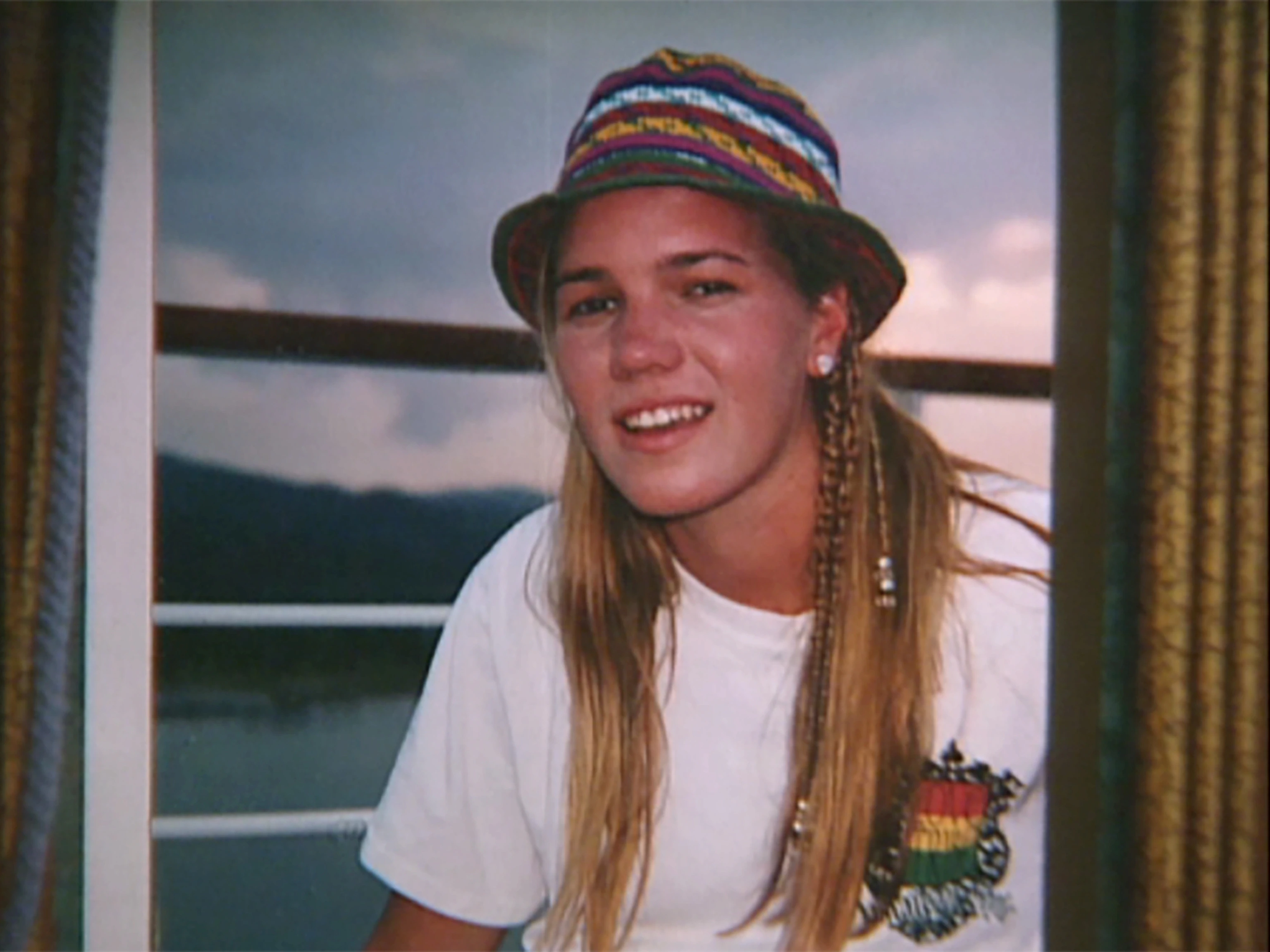
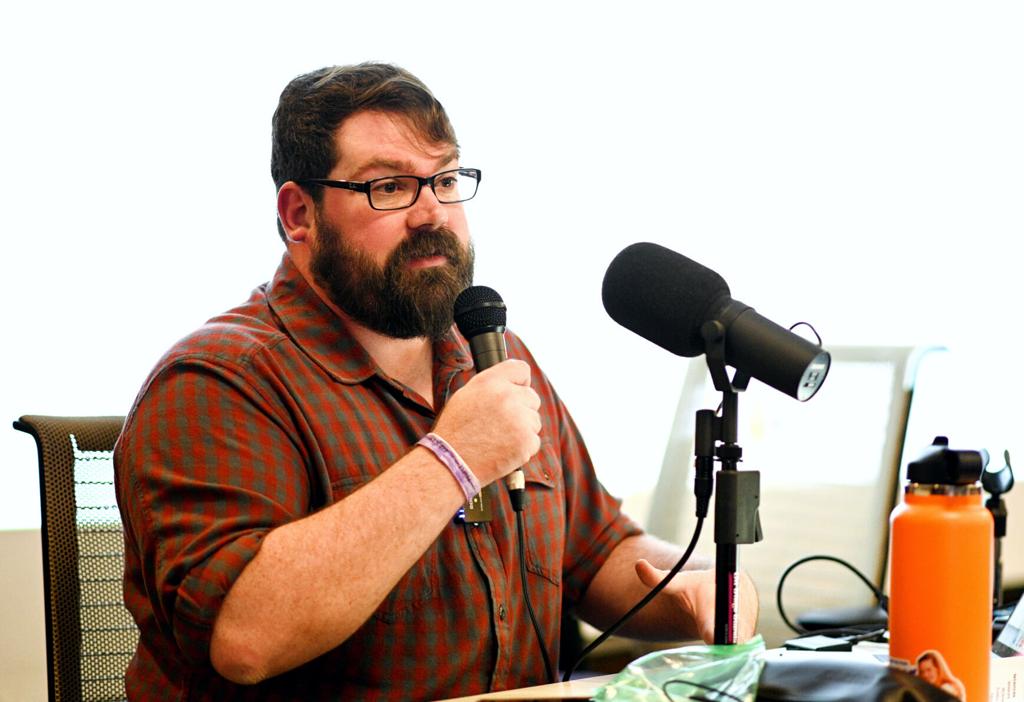
Your Own Backyard, created and hosted by Chris Lambert, investigates the 1996 disappearance of Cal Poly student Kristin Smart in San Luis Obispo County, California. From its earliest episodes, the series frames itself around absence: what happens to a community when a young woman vanishes and the years keep moving.
Lambert’s work becomes a slow accumulation of interviews, tips, archival material, and community memory. When arrests came in 2021 and the case moved toward trial, the podcast’s reporting was suddenly not just narrative. It was operating in the shadow of an active prosecution, which raised the stakes for restraint, verification, and what could responsibly be aired.
Story engines
Serial: uncertainty as structure
Serial did something that felt radical at the time. It did not present a clean thesis and then defend it with evidence. It let uncertainty drive the season. Each episode often turned on a question Koenig could not answer: Could Adnan have made that drive? What does that phone record really prove? Why do witnesses remember things differently?
The result was propulsive, but it also positioned the audience inside the churn of doubt. That is a narrative gift and a narrative risk. When the engine is uncertainty, the show can drift into treating ambiguity as entertainment. It also means certain details can become cultural flashpoints, like debates over cellphone records and location evidence that listeners repeated as though they were definitive, even when the underlying claims were contested.
Your Own Backyard: method as structure
Your Own Backyard is paced differently. Lambert builds episodes less like cliffhangers and more like casework. Leads are revisited. Claims are contextualized. People speak for themselves at length. The show has suspense, absolutely, but it is the suspense of slow verification.
And because the case involved a living suspect and a community still carrying the wound, Lambert’s tone tends to stay grounded. The show’s narrative feels less like “Can you solve it with me?” and more like “Here is what was missed, here is what was minimized, and here is how that shaped decades.” You can hear it in the emphasis on documentation: timelines built from public records, interviews that stay on the record, and a steady separation between what is alleged, what is rumored, and what is corroborated.
Reporting and sourcing
Access and sourcing
- Serial draws heavily on interviews, trial transcripts, and phone records, plus the unusual access of being able to speak with Adnan Syed from prison. It also benefits from a full production and editing infrastructure, and from its relationship to public radio distribution and resources. Koenig can call experts, test assumptions, and build a season where each beat is shaped by a team.
- Your Own Backyard begins as an independent project. Lambert is not backed by a newsroom in the early days, which changes the reporting posture. He relies on local interviews, community trust-building, and persistence over polish. Over time, the show’s sourcing becomes expansive, and its care around what it can responsibly air becomes more pronounced as the case moves closer to court. The work often feels like it is built from concrete things: recorded interviews, public documents, and a visible effort to confirm rather than simply collect.
Field reporting and community memory
Serial is often narrated from the reporting desk, with key moments occurring via phone calls, taped conversations, and document review. It is deeply present in the mind of the reporter.
Your Own Backyard feels more like standing in a place and letting the history sit there with you. The show leans into geography, local rumor, and how communities metabolize fear. It also interrogates what “everyone knew” versus what could actually be proven.
Transparency and corrections culture
One of the quieter evolutions between these eras is listener expectation. After Serial, audiences got sharper about sourcing, bias, and what an edit can imply. By the time Your Own Backyard hits its stride, the genre is living in a more skeptical environment. Lambert more frequently signals limits, clarifies what he can confirm, and separates firsthand reporting from community speculation.
Ethics on mic
Serial: intimacy and proximity
Koenig’s voice is the show’s signature, and it is also its ethical tightrope. When a narrator becomes the audience’s surrogate, the investigation can start to feel like a shared puzzle. That is powerful, but it can also flatten the emotional reality of violence into a bingeable mystery.
Serial has been criticized for centering Adnan Syed’s perspective and for moments where the gravity of Hae Min Lee’s life and death can feel secondary to the mechanics of doubt. Another part of its legacy is what it unleashed in listeners: armchair sleuthing, internet certainty, and at times harassment that true crime culture too easily treats as collateral. Those critiques helped define what the genre would demand next.
Your Own Backyard: victim-forward, court-aware
Your Own Backyard spends time on Kristin Smart as a person and on the harm caused by delay, dismissal, and public shrug. The show is not perfect, and no long-form narrative can fully escape the tension between attention and exploitation. But Lambert’s approach more consistently signals that this is not entertainment first. It is a record of what a family lived through.
It also helps that the show arrives in a post-Serial world where listeners have more vocabulary for ethical discomfort. When an episode starts to feel like it could tip into rumor, the audience is less forgiving, and creators know it. As the case approached trial, that awareness became practical: careful phrasing, clear sourcing, and an obvious effort to avoid turning live legal stakes into episodic thrills.
Sound and structure
From public radio craft to podcast-native rhythm
Serial carries public radio DNA: carefully scored moments, clean narration, and an editorial polish that makes complex reporting feel effortless. It created a template that many shows copied, sometimes without the reporting to justify the suspense.
Your Own Backyard is more podcast-native in its rawness early on, then increasingly refined as the series grows. The intimacy is less “produced closeness” and more the feeling of someone letting you hear the work. Voicemails, long interviews, and ambient audio serve the reporting rather than smoothing it.
Cliffhangers vs. checklists
Serial ends episodes with momentum. Your Own Backyard often ends with synthesis. That difference matters because it changes what the listener is trained to do. One invites speculation. The other invites reflection and, sometimes, patience.
Real-world impact
Serial’s cultural shockwave, and its afterlife
Serial did not invent true crime, and it did not invent investigative reporting. What it did was bring both into the mainstream in a new format, at scale. It introduced millions of people to the idea that a case file is not a closed book just because a verdict exists.
Its impact is diffuse but enormous: a boom in podcasting, a surge in audience appetite for long-form investigations, and a new kind of public engagement with the criminal justice system. It also helped spark ongoing debates about whether media attention can distort justice as much as it can illuminate it.
It is also worth noting, without litigating every turn, that Syed’s case did not end with the podcast. In the years since, it has moved through multiple legal developments and reversals that kept public attention high and certainty elusive, which in its own way mirrors the show’s central theme: the system rarely offers clean endings.
Your Own Backyard’s case-adjacent consequences
Your Own Backyard is frequently discussed as a podcast with more direct proximity to case movement, especially after renewed attention and subsequent arrests in 2021. It would be irresponsible to reduce a complex investigation to a single media cause-and-effect. Law enforcement work, prosecutorial decisions, new evidence, and witness cooperation are all part of why cases progress.
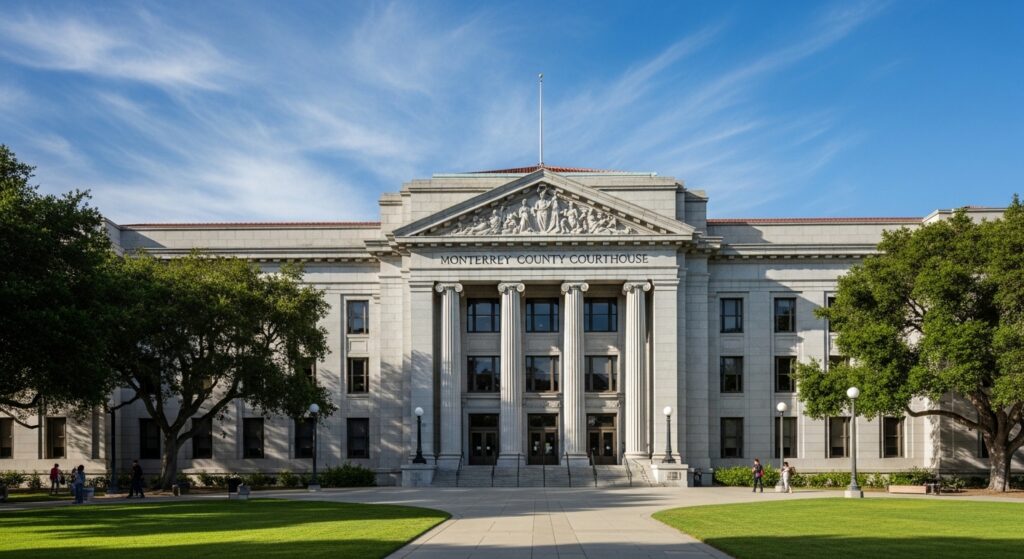
But it is fair to say the show became a sustained pressure of attention and documentation. It kept Kristin Smart’s name in circulation with context, not just headlines. And as proceedings unfolded, the podcast’s role shifted from challenger of inertia to careful chronicler of a case finally moving. When the trial was held after a change of venue to Monterey County, that court-facing reality sharpened the series’ already cautious approach.
What the genre learned
Suspense is not truth
Serial proved that audio can make the uncertainty of a case feel cinematic. The genre’s next step was learning to hold that suspense without selling certainty you do not have.
Transparency is part of reporting
Audiences increasingly want to know what is sourced, what is inferred, and what is unknowable. Your Own Backyard reflects that shift. The show’s power comes not from having all the answers, but from showing its work and respecting the limits of what can be said responsibly.
Victims cannot be an afterthought
The best investigative podcasts do not just revisit puzzles. They revisit people. The genre’s evolution is, in part, a slow correction toward victim-centered storytelling and away from treating the dead or missing as narrative fuel.
What to listen to
Pick Serial Season 1 if you want
- A landmark piece of audio storytelling that shaped an era
- A case that forces you to think about memory, timelines, and reasonable doubt
- A conversation starter about ethics in true crime consumption
Pick Your Own Backyard if you want
- A methodical, community-rooted investigation with a long view
- A victim-forward narrative that emphasizes consequences over twists
- Reporting that becomes more careful as the case intersects with courtroom reality
The bottom line
Serial Season 1 lit the match. Your Own Backyard shows what happens when the fire has been burning long enough for creators, listeners, and the system itself to feel the heat.
If Serial made investigative podcasting a mainstream habit, Your Own Backyard is part of what made it a more accountable craft. Not perfect. Not uncomplicated. But closer to what many of us came to true crime hoping it could be: a way of paying attention that might, in some small measure, help someone be seen.