There’s a moment in nearly every long-form true crime series when you can hear the budget. It’s not the expensive theme music or the glossy trailer. It’s the quiet logistics: the reporter who can stay on a beat for months, the producer who has time to pull a thread through thousands of pages, the attorney who flags a line before it becomes a lawsuit , the editor who asks for one more corroborating source instead of letting a hunch land like fact.
That kind of reporting used to live primarily in newspapers, magazines, documentary units, and a handful of public radio stalwarts. Now, increasingly, it’s being underwritten by podcast networks with serious capital and serious distribution. If you’ve wondered why investigative true crime has started to sound more like a newsroom than a hobbyist studio, it’s because the business model is shifting under our feet.

Why networks back investigations
On paper, true crime is a proven audience engine. In practice, long-form investigative journalism is one of the most expensive ways to make a podcast. It takes time, travel, records requests, transcription, editing, and a willingness to throw away weeks of work when a lead collapses.
Networks like Audiochuck and Wondery have increasingly backed higher-cost narrative series, including some investigations and investigation-adjacent reporting . To ground that in what listeners likely recognize: Audiochuck’s CounterClock is explicitly built around reporting and case review, and Wondery’s Dr. Death popularized the network’s appetite for deeply reported, document-driven storytelling with real-world stakes.
The bet is that a well-reported series can do three things very well:
- It creates a weekly appointment habit. A consistent release cadence paired with real reporting keeps audiences coming back, which is gold for advertisers and subscriptions.
- It builds brand trust. A network that can credibly say “we do reporting” becomes more than entertainment. It becomes a destination.
- It travels. A compelling investigation can sometimes be sold internationally, adapted for TV, or repackaged as books and live events. That multiplies revenue streams beyond the podcast feed.
In other words, networks are treating investigations the way prestige TV treats limited series: expensive up front, potentially evergreen for years.
The money
When people say “a network funded the show,” it can mean a few different things. Here’s the most common mix in modern true crime audio, in plain terms.
Advertising and dynamic ad insertion
The classic model is still here. Networks sell ad inventory across their portfolio and insert ads dynamically, meaning older episodes can keep earning money long after the original release. That back-catalog value is one reason networks can afford to front the cost of investigations.
Subscription bundles and early access
Wondery is a prominent example of the subscription strategy: offer episodes early, ad-free, or with bonus content behind a paywall. This approach is not unique to Wondery, but subscriptions can create steadier revenue than ads alone, which is crucial for projects that do not have tidy production timelines.
Platform licensing and exclusivity
Sometimes a platform pays for a time-limited exclusive or a first window. This can be a lifeline for investigative reporting, but it can also affect who hears the work and when. Exclusivity is funding with strings, even when everyone is acting in good faith.
Acquisitions and distribution deals
Not every “network” investigation is funded from day one. Increasingly, networks acquire finished shows or pick up projects that are already in progress, then add editing, legal, marketing, and distribution.
It is also worth stating plainly: networks are not monoliths. A “network show” might be a co-production with an outside studio, a licensed property with a limited term, or an acquisition where the network’s biggest contribution is marketing and distribution rather than original reporting labor.
Cross-media development
A network might fund reporting while simultaneously exploring adaptation possibilities. That can mean an option agreement for TV development or partnerships with production companies. The best-case scenario is extra money for more reporting. The worst-case scenario is pressure to cast a story for maximum spectacle.

What networks can cover
Independent creators can and do produce excellent investigations. But network support changes the ceiling. In my reporting conversations with producers, editors, and freelancers, the same big-ticket necessities come up again and again.
Time
Investigations are labor. Networks can pay salaries or retainers that let reporters stay on one case instead of juggling five gigs just to cover rent.
That alone can be the difference between a narrative driven by documents and a narrative driven by inference.
Legal review and insurance
This is the unglamorous backbone of responsible true crime. Networks often provide access to media attorneys, pre-publication review, and errors-and-omissions insurance. For independents, those costs can be prohibitive, which can lead to risky publishing decisions or self-censorship.
A small but common reality here is timing: producers described scripts being held while lawyers requested additional corroboration or cleaner attribution, which can push a release by days or weeks. Listeners rarely notice the absence of an episode. They also rarely see the claim that did not make it through the gate.
Fact-checking and standards editing
A real fact-check process takes time and trained eyes. When a network invests here, it helps protect victims, witnesses, and the integrity of the case itself. It also reduces the temptation to present inference as certainty, which is where a lot of harm begins.
A small but telling example: producers told me about episodes where a single vivid detail had to be cut because it came from one unverified recollection, or because a document contradicted a quote that had become central to the script. Those edits rarely make the trailer. They are the work.
Records requests and data work
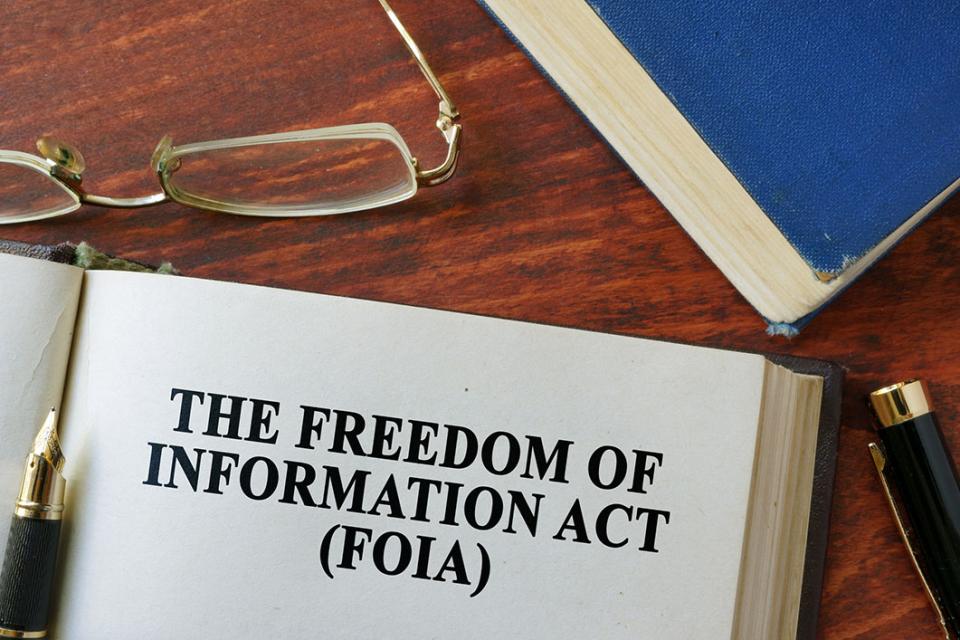
Public records are not always “public” in practice. Fees add up. Processing takes weeks. Sometimes you need a specialist who understands court databases, jail logs, or forensic reports. Networks can fund those slow, critical steps .
Security and duty of care
Investigative reporting can stir up real-world backlash. Larger organizations are more likely to have protocols for source protection, secure communications, and staff safety, especially when cases involve powerful local institutions.
Distribution power
Money gets a project made. Distribution gets it heard. Networks bring:
- Built-in audiences through cross-promotion in popular feeds
- Press and marketing teams who can land coverage that independents might not have the bandwidth to chase
- Platform relationships that can help with promotion conversations, featuring opportunities, and better timing for launches
- International reach sometimes via translation, partnerships, and global ad sales for breakout hits
This matters because investigative series often rely on tip lines and community engagement. The wider the reach, the more likely the right person hears an episode and recognizes a detail that never made it into the police file.
And it sets up the tension that comes next: the same scale that helps an investigation find an audience can also shape what an investigation is allowed to be.

The tradeoffs
Let’s talk about the uncomfortable part, because it’s the part listeners sense even when they cannot name it. Network funding can introduce friction between journalism and entertainment.
Schedules versus reporting
Investigations do not like calendars. Networks do. A marketing plan wants a premiere date and a weekly cadence. Reporting wants the freedom to pause, verify, and sometimes scrap an episode because a key claim did not hold up.
Brand safety and story choice
Advertisers, partners, and platforms often have brand-safety norms that reward clarity and clean arcs. But some of the most important criminal justice stories are messy: institutional critique, conflicting accounts, unresolved endings. A network can be brave about that, but there is often pressure to pick cases that fit a proven narrative shape.
Legal caution
Legal review is a gift and a guardrail. It can also result in careful language that frustrates listeners who want names, accusations, and conclusions. Sometimes restraint is ethics. Sometimes it is risk management. Usually it is both.
Victims versus IP
When a case becomes a hit, it becomes intellectual property. The temptation is to extend the story: bonus episodes, spinoffs, recap seasons. The ethical question is whether those extensions add reporting value or simply extract more attention from someone’s worst day .
Audiochuck and Wondery
Every network has its own DNA, but the broader shift is similar: invest in journalism-like production, then use network scale to make it more sustainable.
Audiochuck: host-led, community-forward
Audiochuck built a recognizable identity by centering hosts and shows that feel personal, consistent, and community-driven. That kind of loyalty makes it easier to take risks on deeper reporting because the audience is already in the room.
It is also worth saying plainly: much of the network’s identity is anchored in host-driven true crime, and the “investigative” label can mean different things across the slate.
Wondery: premium series and pipelines
Wondery has leaned hard into the premium limited series lane and subscription-forward distribution. That can mean larger budgets and aggressive marketing. It can also mean projects are designed with adaptation in mind, which is not inherently bad, but it can subtly change what gets emphasized.
Different approaches, same trend: at the top end of the market, more money and infrastructure is flowing into long-form true crime reporting than it was a decade ago, driven in part by major network growth, acquisitions, and platform distribution deals.
What it means for indies
If you’re an independent reporter or producer, the network boom is both opportunity and pressure.
- Opportunity: networks can fund work that would otherwise be impossible and can amplify investigations that deserve national attention.
- Pressure: the market starts to expect network-level polish, pace, and sound design, even when the most responsible reporting is quieter and slower.
It also makes contracts matter more than ever. If you are partnering with a network, pay attention to ownership and control: who owns the feed, who holds derivative rights, what “final cut” means in practice, and whether you share in adaptation revenue if the story jumps mediums. Independence is less about posture and more about structure.
One hopeful development is the rise of hybrid teams: independents who retain a distinctive reporting voice while partnering with networks for editing, legal, and distribution. When it works, it looks like the best of both worlds.
Listener checklist
You do not need a media studies degree to spot responsible investigative work. Next time you hit play, listen for these signals.
- Clear sourcing: Do they distinguish between documents, interviews, and inference?
- Right of reply: Are implicated parties given a meaningful chance to respond, not just a throwaway line?
- Victim respect: Are victims treated as people with full lives, not just plot devices?
- Transparency: Do they correct errors publicly and explain what changed?
- Humility: Do they admit what they cannot know?
And a gentle gut-check I always come back to: if the most dramatic moments are the least verified, something is off .
The future
The next era of true crime audio is going to look a lot like the streaming era: networks building libraries, turning hits into “universes,” and competing for attention in a crowded marketplace.
That could mean more funding for cold cases that have languished in file cabinets, more resources for public records work, and more opportunities for survivors and advocates to be heard. It could also mean a louder, more IP-driven ecosystem where the line between accountability journalism and bingeable thriller gets blurry.
The best outcome is not fewer networks. It’s stronger standards: editorial independence that’s protected on paper, rigorous fact-checking that’s funded, and storytelling that remembers the people inside the headlines are not content. They are living with consequences long after the finale.

FAQ
Are network-funded true crime podcasts still independent journalism?
Sometimes. Independence is less about branding and more about structure: who controls editorial decisions, who owns the final cut, and whether the team can publish findings that are inconvenient to advertisers, partners, or the network itself.
Does more money always mean better reporting?
No, but it can buy the essentials: time, legal review, fact-checking, travel, and records access. The quality comes down to whether the production culture values verification as much as it values momentum.
Why do so many investigative series feel more cinematic now?
Because networks are investing in story editors, sound design, scoring, and tighter scripting. The upside is clarity and immersion. The risk is that the story starts to serve the arc instead of the facts.
How can listeners support ethical investigative true crime?
Pay for ad-free subscriptions when you can, share episodes that center reporting over sensationalism, and reward shows that publish corrections, cite sources, and treat victims with care.