True crime has always had souvenirs. Newspapers sold special editions. People have long kept the little artifacts around a notorious case: a ticket stub from a crowded courthouse line, a clipped headline tucked into a family Bible like a warning. The difference now is scale, speed, and packaging. A case becomes a meme by lunch, and by dinner there is a “cute” tote bag referencing someone’s worst day.
So where is the line between being a genre fan and being disrespectful? It is not always obvious. That is why it is worth naming. This is a space where curiosity and compassion can coexist, but only if we are willing to look at what we are buying, who we are elevating, and who gets erased.
What “true crime merch” means
Most true crime merchandise falls into a few buckets, and the ethical stakes change depending on the category:
- Show and podcast merchandise: branded mugs, shirts, pins, tour posters, and inside jokes tied to a creator or series.
- Case-referencing novelty items: designs that reference a specific murder, missing person case, or trial moment, sometimes using quotes from 911 calls, interrogations, or courtroom testimony.
- Perpetrator-focused items: clothing featuring a killer’s name, face, “stats,” or aestheticized symbols tied to them.
- “Murderabilia”: collectibles linked to violent crime, including letters, artwork, personal belongings, or items purportedly connected to perpetrators. Some categories are restricted or banned on major platforms, but the market persists through private sales.
- Evidence-adjacent collectibles: police scanners, replica “case files,” faux evidence bags, or products that turn investigative tools and courtroom artifacts into decor.
Not all of this is equally harmful. A sweatshirt that supports a journalism project is not the same as a poster romanticizing a serial killer. But when designs lean on real suffering for shock value, the genre’s “fandom” starts looking a lot like exploitation.
Why killer merch hits differently
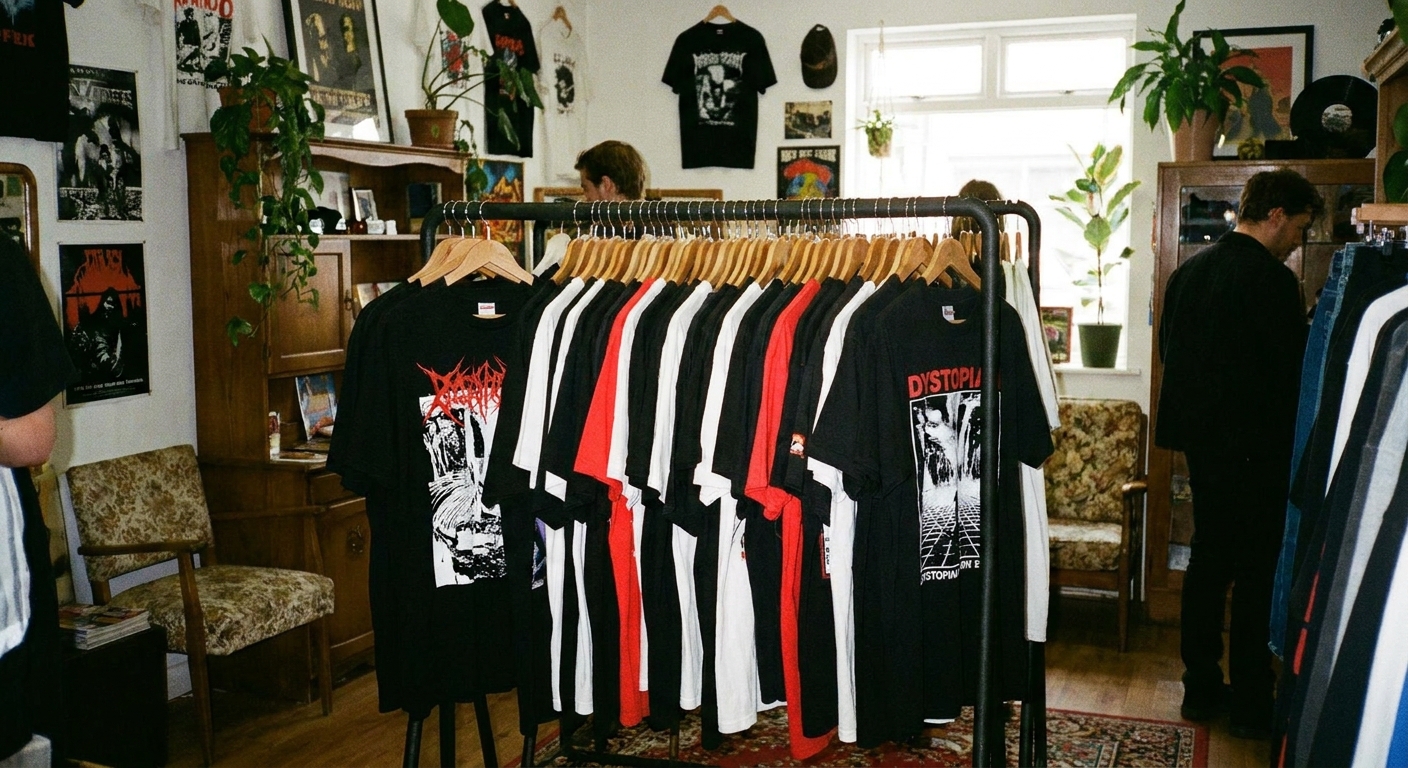
Pop culture has always mythologized criminals. What is different in the age of algorithms is how quickly myth becomes marketing. Serial killer merchandise often borrows the aesthetics of band tees and streetwear: bold portraits, stylized typography, collectible drops. It positions the perpetrator as an icon.
That framing matters because it does three things at once:
- It shifts attention away from victims, whose lives are already reduced to a single headline in most coverage.
- It rewards notoriety, reinforcing the idea that extreme violence can purchase a form of immortality.
- It turns harm into identity, asking buyers to wear someone else’s trauma like a costume.
Even when a buyer’s intent is “ironic” or “educational,” the impact is public. The item circulates without your footnotes.
Murderabilia and the market
The term “murderabilia” took hold as collectors began buying and selling items connected to infamous cases, especially when perpetrators were still alive and able to produce letters or artwork. It is an uncomfortable marketplace because it can blur into profiting directly from violence.
Many online platforms restrict sales of items that celebrate, glorify, or directly profit offenders. For example, eBay has long barred “murderabilia” listings, and social platforms frequently remove similar content under policies against the sale of regulated goods or the glorification of violence. Enforcement is uneven and the definitions can be slippery. The result is an ecosystem where provenance is hard to verify and incentives are warped, with sales often pushed into private groups, collector forums, and one-off brokers.
Some states also pursued “Son of Sam” style laws meant to prevent criminals from profiting from the stories of their crimes. Many early versions were narrowed, struck down, or rewritten on First Amendment grounds, often shifting toward letting victims seek recovery rather than imposing blanket bans. The legal landscape is real, but it is not a clean solution.
If the product’s appeal is “owning a piece of the monster,” it is worth asking who benefits, and what kind of cultural oxygen you are helping provide.
Red flags
I use a simple test: if you would feel uneasy explaining the item to a victim’s sibling, pause. Then get more specific. Here are the clearest warning signs.
1) The victim is missing
If the merchandise names, quotes, or depicts the perpetrator but never acknowledges the people harmed, it is not “true crime education.” It is celebrity-making.
2) Real suffering is the punchline
Designs that lift lines from 911 calls, last words, autopsy notes, or interrogation breakdowns can cross into cruelty fast. Real fear is not a catchphrase.
3) It romanticizes the perpetrator
“Heartthrob” edits, thirst-trap designs, or slogans that frame a killer as desirable do not stay contained as jokes. They normalize a worldview where violence is edgy and charisma cancels harm.
4) It turns a case into a costume
Crime scene aesthetics, “victim” Halloween outfits, or parody recreations of known events are particularly painful because they reduce real people to props.
5) The money story is vague
“A portion of proceeds” without specifics, fuzzy charity claims, and sellers who get defensive when asked about donations are common tells.
6) It invites harassment
If an item includes a victim’s name, home city, school, or any detail that could direct attention toward surviving relatives or witnesses, it can actively contribute to online abuse.
Intent vs impact
Most people buying true crime merchandise are not trying to be harmful. They are trying to connect. They want to signal: I care about justice. I love investigative stories. I am the kind of person who reads footnotes.
But impact is what lands, and merch is a public signal. A shirt with a killer’s face can be “just a design” to you and a gut punch to someone else.
True crime asks us to practice empathy as a skill, not a mood. That includes empathy in the checkout cart.
What ethical merch looks like
There is a version of true crime fandom that is thoughtful, community-oriented, and even genuinely helpful. Ethical merchandise tends to share a few traits:
- It is creator-focused, not perpetrator-focused: logos, show art, research themes, books, microphones, court archives, detective corkboards, without naming real offenders.
- It avoids specific case “in-jokes”: no winking references to a victim’s suffering or a notorious moment in testimony.
- It is transparent about money: clear donation amounts, named organizations, and receipts or reporting when possible.
- It is designed with care: language that prioritizes survivors, advocacy, and prevention rather than gore and shock.
- It signals values: supporting public defenders, DNA testing funds, missing persons organizations, domestic violence shelters, and victim services.
If you want concrete examples of “safe” designs, think:
- A simple “Support local investigative journalism” design that links to a newsroom membership fund.
- A “Test every kit” donation tee tied to a named rape kit backlog initiative with published totals.
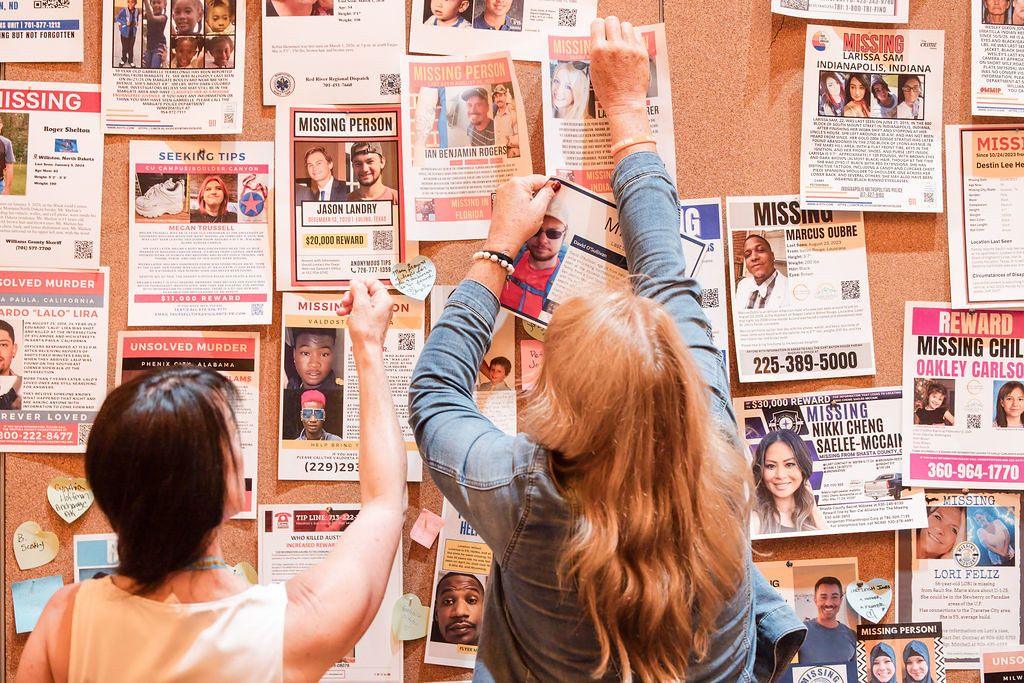
- A missing persons resource card or hotline focused on prevention and responsible tips, without referencing a specific case.
Merch can also be educational in a way that is not exploitative. Resources about consent, coercive control, trafficking myths, wrongful convictions, or how to support missing persons searches responsibly can turn attention into action, not attention into aesthetics.
Buyer checklist
If you want a quick gut-check, these questions will get you there.
- Who is centered? The creator, the process of investigation, and the pursuit of justice are safer centers than the perpetrator.
- Would you wear it near the people living this? If you would not wear it around a courthouse hallway, a vigil, or a community meeting tied to the case, it is not “just a joke.”
- Does it name a real victim? If yes, why. Is it honoring them, or using their name as an aesthetic detail?
- Is the tone celebratory? “Icon” language, glam portraits, and collectible hype tend to slide into worship.
- Where does the money go? “Proceeds help” is not enough. Look for specifics.
- Is it misinformation-proof? Cases evolve. New evidence emerges. A confident slogan can turn into a false accusation on a hoodie.
Edge cases count. If the merch is tied to a museum, exhibit, or crime history tour, context matters. So does who is in control. Family-led fundraising and victim-run foundations can be legitimate and powerful, but verify them the way you would verify any charity: named organizers, clear financials, and a consistent public footprint. And remember that legal and cultural norms vary across countries, even if the internet flattens everything into the same storefront.
For creators and sellers
If you make or sell true crime products, you are part of the ecosystem. Here are practices that reduce harm without draining the genre of its purpose.
Build a “no perpetrator praise” rule
No portraits. No “fan art.” No cute nicknames. No quote merch from interrogations that have become meme-able. If you have to argue that it is “ironic,” take that as a signal to step back.
Use trauma-informed guidelines
Many journalists and victim advocates have published best practices for trauma-informed reporting. Merchandise is not reporting, but it borrows the same raw material. Use the same care.
Be specific about donations
Name the organization. List the amount or percentage. Share proof after the campaign. If you cannot do that, do not market it as charity.
Design for discretion
Some fans want to support a show without broadcasting case details in public spaces. Offer subtle designs that do not turn violence into wearable conversation starters.
Put fandom to work
If you are here because you love the genre, I get it. I also know how easy it is to let “supporting true crime” become a shopping substitute for advocacy. The good news is that true crime audiences are uniquely capable of mobilizing. You already know how to research, share information responsibly, and stick with a story.
Consider putting your money and energy toward:
- Local victim services: shelters, counseling funds, and emergency housing programs.
- Innocence work: organizations supporting post-conviction review and legal aid.
- Missing persons groups: especially those that coordinate searches and provide family support.
- Public records and journalism: newsroom membership programs and local investigative outlets.
- Policy-facing nonprofits: groups working on rape kit backlogs, domestic violence prevention, and sentencing reform.
You can still have the T-shirt. Just make it one that points outward, toward impact, rather than inward, toward the worst person in the story.
FAQ
Is it ever okay to buy merch with a serial killer’s name or face?
“Okay” depends on your ethics, but in practice it usually centers the perpetrator and extends their cultural reach. Even if your intent is critical, the object functions as amplification. If you want to signal interest in criminal justice, choose merch that highlights prevention, advocacy, or the investigative craft without turning an offender into a logo.
What about collectibles like letters or art made by killers?
This is where “murderabilia” gets especially fraught. Beyond the moral question of turning violence into a commodity, there are practical issues: questionable provenance, scams, and the risk of profits benefiting the offender or their network. If your curiosity is academic, seek archives, books, and court records rather than private collectibles.
Is podcast merch automatically ethical?
Not automatically. Some show merch leans into case-specific jokes or quotes that can be painful out of context. The safest versions focus on the show brand, the reporting process, and transparent charity partnerships.
I already own something questionable. What now?
You are not a villain for outgrowing your choices. Retire it. Do not donate it where it can circulate. If you want a practical off-ramp, dispose of it or use a textile recycling option where available. If you want to balance the ledger, consider a donation to a victim services organization and use the moment as a reset: no more perpetrator-as-aesthetic.
How can I talk about this with friends without sounding judgmental?
Make it about impact. Try: “I’ve been thinking about who merch centers, and I’m trying to avoid anything that turns offenders into celebrities. Want to find something that supports a cause instead?” Inviting someone into a better option goes farther than a takedown.
Where I land
True crime fandom does not have to be sterile to be respectful. We can still be curious. We can still trade podcast recs like they are contraband. But if the genre is going to keep insisting it is about justice, it needs to act like it in the small places too, including what we wear, what we display, and what we reward with our dollars.
The line is not about being a “perfect” consumer. It is about refusing to turn real harm into a vibe.