Investigative true crime podcasting is not just a mic and a spooky intro. It is sourcing, verification, judgment calls, and the kind of patience usually reserved for people who enjoy assembling furniture without the instructions. The good news is that the workflow is learnable. The better news is you can build something compelling without turning real people into plot devices.
Below is the step-by-step playbook teams use when they are developing network-ready investigations, adapted for creators doing it independently. Keep it bookmarked. You will come back to it the first time a records request comes back heavily redacted and you have to decide what the story actually is.

Step 1: Pick the right case
Most investigative teams start with a blunt question: What can you prove, and why does it matter now? The cases that sustain a full season tend to have one of these engines:
- Open questions: A disputed timeline, missing evidence, conflicting witness accounts, questionable expert testimony.
- Accountability: A public institution that made decisions worth examining, such as a police department, prosecutor’s office, court system, or private lab.
- Access: A meaningful source pipeline, such as family members willing to speak, an attorney with documents, or a trove of public records you can actually obtain.
- Fresh reporting: You are adding new information or new context, not just summarizing what is already in three documentaries.
A quick green light checklist
- Can you identify at least 20 primary sources you might pursue (documents, interviews, recordings, exhibits)?
- Is there a clear ethical rationale for coverage, such as public interest, advocacy, or correcting the record?
- Are the key people still alive, reachable, and safe to contact?
- Can you describe the story without using labels like “monster,” “psycho,” or “evil”? If not, you may be leaning on sensational language instead of reporting.
Step 2: Set ethics early
This is where true crime can become journalism. Strong shows do not wait until episode six to decide how they feel about harm. They set boundaries early and share them with the team.
Your ethics framework (steal this)
- Victim-first storytelling: Victims are people, not inciting incidents. Name their lives, not just their deaths, and do not treat grief as a sound effect.
- Minimize collateral damage: Be cautious about naming private individuals who are not charged, especially if your evidence is thin or circumstantial.
- No doxxing by implication: Even if you omit a name, hyper-specific details can identify someone in a small town.
- Trauma-informed interviewing: Give sources control where you can: scheduling, breaks, off-the-record boundaries, and the right to stop.
- Transparency with listeners: Say what you know, what you do not know, and how you know it.
If you want one north star: never chase a twist at the expense of a person.

Step 3: Build a reporting plan
Before anyone hits record, map the season like an investigation, not a vibe. That means creating a working file system and a reporting calendar with deliverables.
Core docs to create on day one
- Case timeline: Every event, with date, time, and source link or citation.
- People index: Names, roles, contact info, and relationship map.
- Claims log: Each major claim you might say on air, plus what evidence supports it.
- Records tracker: What you requested, when, costs, statutory deadlines, follow-ups, and outcomes.
- Sensitivity notes: Content warnings, privacy concerns, and anything that could retraumatize sources.
Pro tip: plan to report wide before you write narrow. Early episodes often change once records arrive.
Step 4: Use public records
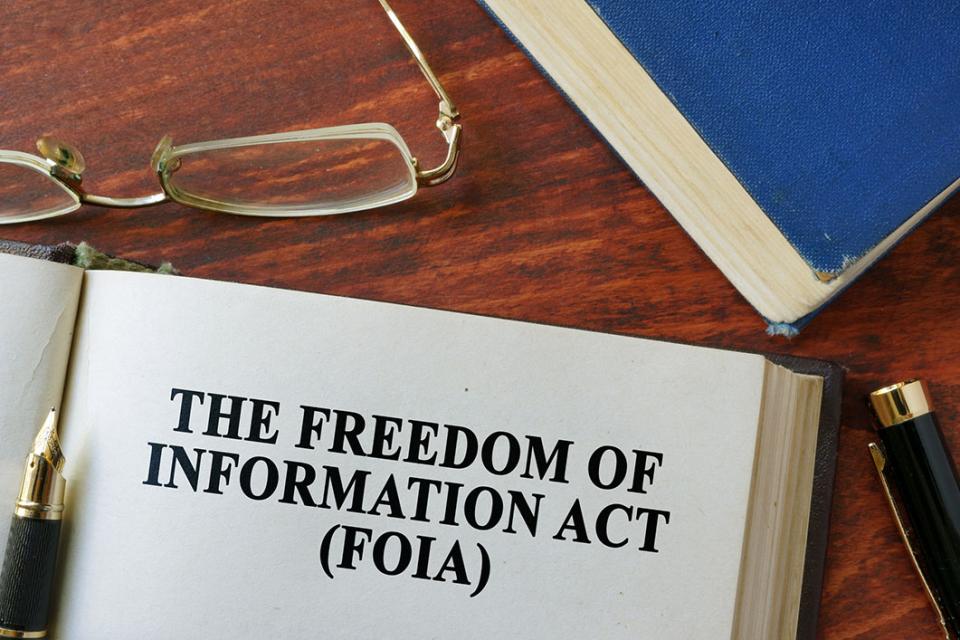
Public records can feel like yelling into a canyon and hoping the canyon sends you PDFs. But they are still one of the best tools you have for making an investigative show defensible.
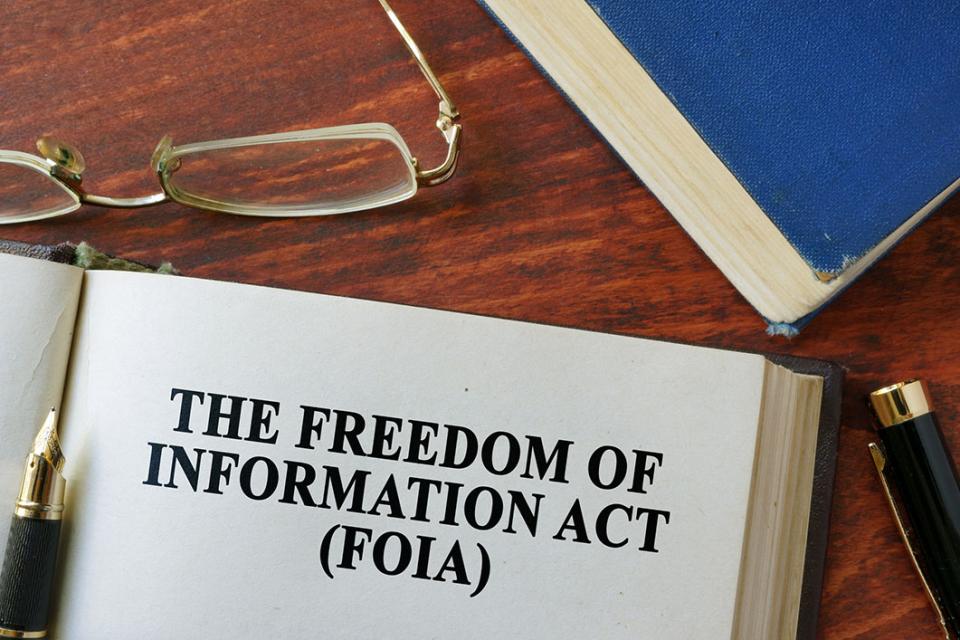
One important note: in the United States, FOIA is the federal law for federal agencies. Most state and local requests run through state public records laws. Outside the U.S., access rules vary even more. Translate the workflow, then check your jurisdiction.
What to request
- Incident and offense reports
- 911 call logs and audio (availability varies)
- Dispatch logs and CAD reports
- Arrest affidavits, charging documents, plea agreements
- Search warrant returns and inventories
- Autopsy and medical examiner reports (rules vary widely by jurisdiction)
- Court transcripts, exhibits lists, motions, and rulings
- Jail calls and visitation logs (often restricted, sometimes costly)
- Internal policies, training materials, disciplinary records (when relevant)
How to write a strong request
Keep it specific and time-bounded. Ask for native formats when possible. Request fee waivers if you qualify. And ask for rolling production or production on a rolling basis so you receive documents as they are processed.
Basic structure:
- Identify the agency records custodian
- Specify the record types
- Specify date ranges, case numbers, incident numbers
- Ask for exemptions to be cited and redactions to be narrowly applied
- Include your contact info and preferred delivery method
When they deny or delay
- Ask what part of the request can be narrowed to speed production.
- Request a written explanation citing the statute.
- Appeal if the jurisdiction allows it.
- Try parallel paths: clerk of court, prosecutor records, defense filings, or archived media libraries.
Step 5: Source and interview
Editors love a vivid character. They love reliability more. Your job is to understand what a source knows, what they believe, and what they are guessing.
Build a balanced source list
- Directly impacted: family members, survivors, witnesses
- Official: detectives, prosecutors, defense attorneys, judges (often “no comment,” still worth trying)
- Subject matter experts: forensic scientists, trauma clinicians, false confession researchers
- Document-first sources: clerks, archivists, record custodians
Interview habits worth copying
- Pre-interview off tape: Explain the project, boundaries, and what participation means.
- Ask for the scene: Where were you, what did you see, what did you hear, what happened next?
- Pressure-test gently: “How do you know that?” “Who else was there?” “Have you ever told this differently?”
- Confirm names and spellings on tape for accuracy.
- End with consent and control: “Is there anything you want removed for safety or privacy reasons?” You cannot promise edits, but you can listen.
Step 6: Fact-check hard
Fact-checking is not a phase you tack on at the end. It is part of the writing. If you are solo, you still need a system that makes your show defensible when the internet decides to litigate it in public.
A concrete example: if you plan to say, “Detectives ignored a lead,” your script should point to something specific, like a case file note, a court exhibit, an email response, or an interview where the decision is described. If you cannot cite it, rephrase it as a question or remove it.
A practical workflow
- Write from documents whenever possible, not from memory.
- Annotate scripts with citations: document title, date, page number, timestamp, URL, or archive reference.
- Separate fact from analysis: facts are verifiable; analysis is your interpretation.
- Run a defamation read on every episode: any statement that could harm reputation must be rock-solid, contextualized, and fairly presented.
- Offer right of reply to people you criticize, and document that outreach.
Also, avoid the trap of “just asking questions” as a narrative device. If the implication is serious, your evidence has to be serious.
Step 7: Record clean audio
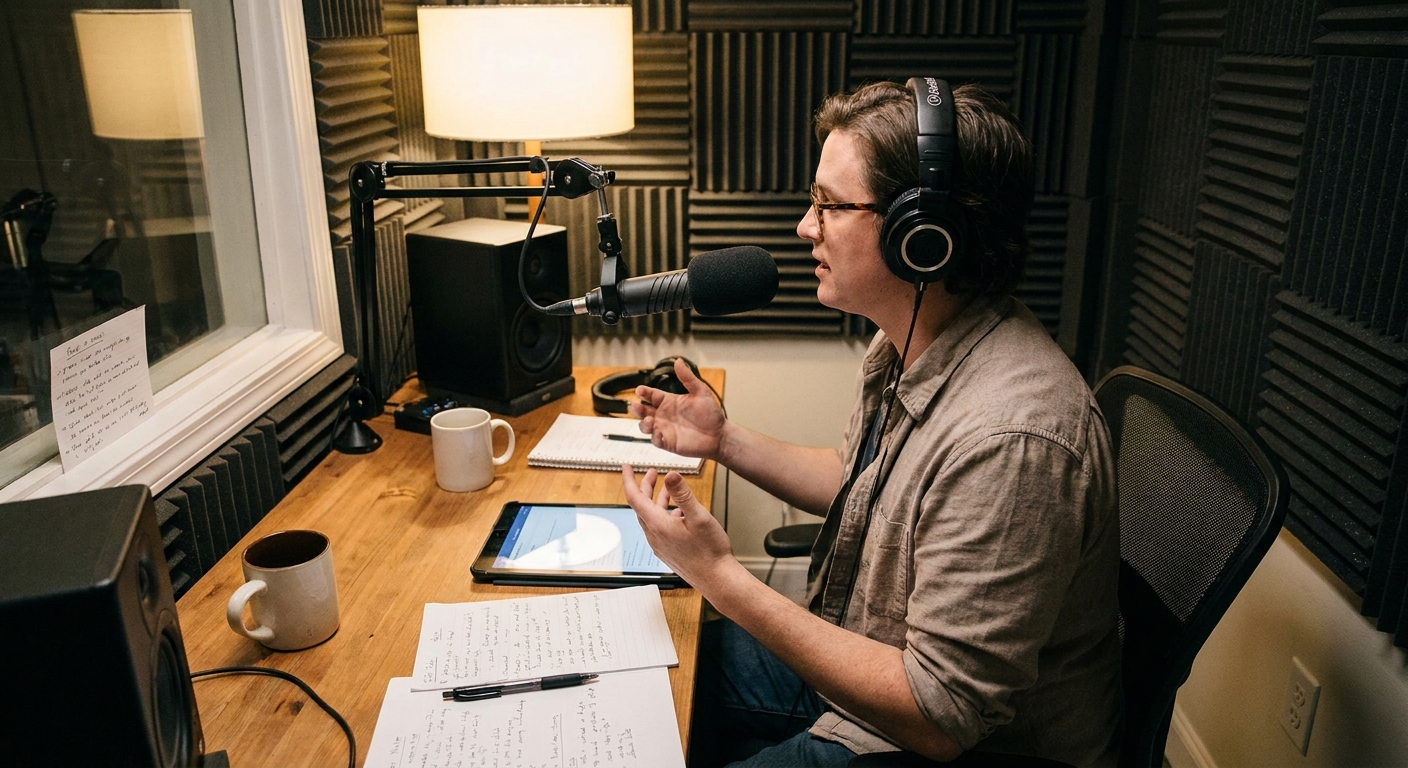
You do not need a network studio to sound professional. You do need consistency, clean capture, and respect for your listener’s ears.
Starter gear
- USB mic (good for beginners) or XLR mic plus interface (more flexible long-term)
- Closed-back headphones for monitoring
- Mic stand or boom arm to reduce handling noise
- Pop filter and basic acoustic treatment (even blankets help)
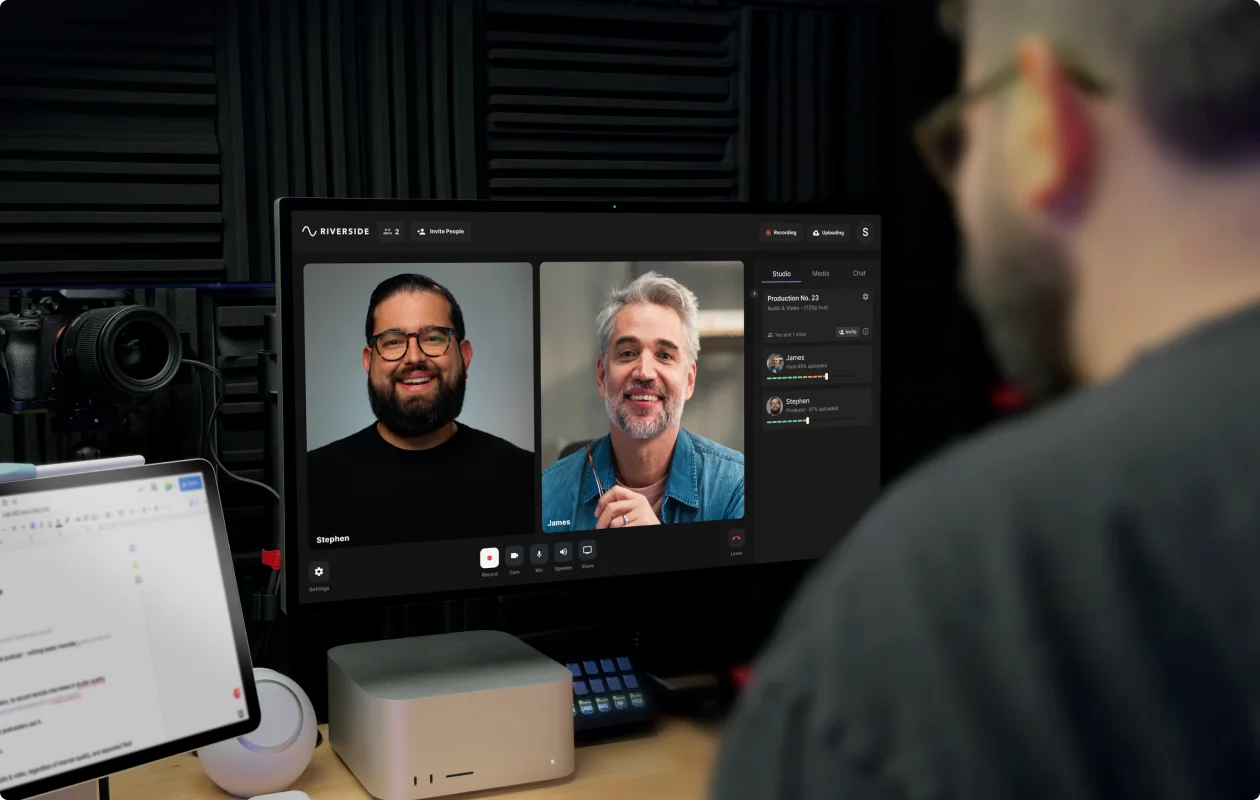
Remote interviews that do not sound awful
- Have guests wear wired headphones if possible.
- Ask them to sit in a soft room, away from HVAC and kitchens.
- Record a backup on each end if you can.
- Do a 60-second room tone capture at the end.
Step 8: Structure with care
In investigative true crime, pacing is ethics. Dragging out information to manufacture suspense can distort reality and exhaust the people living it.
One quick gut-check: if you have a key fact in your notes that changes how a listener would judge someone’s actions, do not hide it until the last five minutes just to land a cliffhanger. Build tension from reporting, not from omission.
A solid episode spine
- Episode 1: The central question, your reporting approach, and why you are the person telling it.
- Episodes 2 to 5: The timeline, the competing narratives, the records, the gaps.
- Middle pivot: New document, new witness, or new contradiction that changes what you thought you knew.
- Finale: What you can prove, what you cannot, what accountability looks like, and what comes next.
If you are doing a single-case season, create mini-answers along the way so listeners feel rewarded, not strung along.
Step 9: Legal and safety
I am not a lawyer, but investigative teams think about risk constantly because it is part of protecting sources and keeping the project alive. Laws vary by jurisdiction, so treat this as a checklist to discuss with qualified counsel when stakes are high.
Common risk areas
- Defamation: Be careful with allegations, especially about private individuals. In many places, truth is a defense, but standards and burdens vary, and public-figure rules can raise the bar. Prioritize evidence, context, and fairness.
- Contempt and active cases: Some material can affect proceedings, juries, or court orders.
- Copyright and licensing: Music, TV clips, and some third-party recordings require permission or proper licensing.
- Public-record restrictions: Even when something is a government record, it may be withheld or redacted for privacy, ongoing investigations, juvenile status, or statutory exemptions. 911 audio often lives here, not in copyright.
- Harassment and doxxing: Consider how your audience might act, and design the show to discourage vigilantism.
- Source safety: Protect vulnerable sources with anonymity when justified and with clear explanations of limits.
If you can budget it, consult a media attorney before release, especially if you are naming alleged suspects or criticizing institutions.
Step 10: Post-production
The producer mantra is: organize now or suffer later.
A simple workflow
- Ingest: Store audio in a consistent folder system by date and source.
- Secure: Treat your project like sensitive reporting. Use a password manager, enable two-factor authentication, and store sensitive documents and audio on encrypted drives or reputable encrypted cloud storage. Limit who has access.
- Transcribe: Use transcripts for writing and fact-checking. Correct proper nouns.
- Assembly edit: Build the story in rough form first. Do not obsess over breaths yet.
- Script polish: Tighten narration and confirm claims against your citations.
- Fine edit: Clean audio, remove distractions, balance levels.
- Mix and master: Aim for consistent loudness and clarity across episodes.
- QC listen: Headphones and speakers, with notes. Fix errors before the internet does.

Step 11: Pitch networks
Networks are not only buying a premise. They are buying evidence that you can execute, finish, and handle the responsibilities that come with real-world reporting.
What a strong pitch includes
- Logline: One to two sentences on the core question and why it matters.
- Why now: New records, new access, new legal movement, renewed public relevance.
- Your access: Who you can interview, what documents you already have, what you are pursuing.
- Episode map: A short paragraph per episode, showing momentum and reveals rooted in reporting.
- Ethics plan: How you will handle victim impact, naming decisions, and sensitive audio.
- Production plan: Timeline, budget needs, and your team, even if the team is currently you plus a spreadsheet.
- Audio sample: A 5 to 10 minute tape that demonstrates tone, narration, and scene-building.
What decision-makers quietly love
- You already filed records requests and can show tracking.
- You know the legal status of the case.
- You have considered alternative outcomes, not just your preferred theory.
- Your tone is measured. You do not sound like you are rooting for tragedy.
One more thing: if your pitch is mostly vibes and twists, it will read as risky. If it is mostly reporting and accountability, it reads as buildable.
Step 12: Release and care
Investigative shows live or die by trust. Think beyond launch week.
Before you publish
- Create a corrections policy and make it easy to find.
- Write content warnings that are specific and useful.
- Decide how you will moderate comments and DMs, especially if people send tips.
- Set up a tip line with clear instructions and boundaries.
- Decide your sound design rules. In sensitive segments, use scoring sparingly and avoid manipulative stings that tell listeners what to feel.
After you publish
- Keep a public, timestamped log of significant updates when appropriate.
- Do not use listeners as investigators. Do not weaponize them toward private citizens.
- Stay in touch with sources in a humane way, not just when you need a quote.
- When you make a correction, consider doing it in more than one place: update show notes, add a clear correction in the next episode, and use an updated audio insert when your hosting platform supports it.
FAQ
Do I need permission to tell a true crime story?
You do not typically need permission to report on matters of public record, but you do need to report accurately and ethically. If you are using private audio, private messages, or sensitive materials, consent and legal review become more important.
How long does it take to make an investigative season?
Many indie creators find that a season takes 3 to 9 months, depending on records delays, the number of interviews, and how much audio you have to edit. Complex cases can take longer, especially if litigation, appeals, or international records are involved.
Can I make a great show without a big budget?
Yes. What you cannot skip is organization, clean audio capture, and verification. A modest setup plus strong reporting beats expensive gear plus shaky claims every time.
What is the biggest mistake first-time creators make?
Starting with a conclusion instead of a question. Investigation means being willing to change your mind when the documents show up.
A final gut check
If you are doing this right, you will feel two things at once: curiosity and responsibility. Curiosity keeps you digging. Responsibility keeps you honest about what your digging can do to the people at the center of the story.
Make the show you would want covering someone you love. Then do the extra step of citations and records requests anyway.