Storyboarding is the unglamorous superpower of investigative audio. It is the difference between a series that feels like a careful walk through evidence and one that feels like you are sprinting through rumors with a microphone. If you are building a serialized true crime podcast, your storyboard is where you decide what you can prove, what you can only suggest, and what you should not say at all.
This guide is built for creators who want to do it right: rigorous research, clean sourcing, humane storytelling, and pacing that keeps listeners with you without turning real people into plot devices.

Start with your why and your promise
Before you outline episodes, outline your intent. In investigative true crime, “what happened” is only part of the story. Your listeners are also asking: why does this case matter now, and what will this series do that the existing coverage did not?
Write a one-paragraph series promise
Keep it tight. Think of it as the note you will reread on the nights when you are tempted to include a detail just because it is shocking.
- The case: What event or alleged crime are you investigating?
- The gap: What is missing from the public record or popular narrative?
- Your method: Records, interviews, field reporting, data work, expert consultation.
- Your ethics: How you will handle victims, families, and uncharged individuals.
- Your outcome: What listeners can expect by the end: clarity, accountability, context, or an open question with documented limits.
Set your scope line
Pick one sentence that defines what you will not do. Examples: you will not name private citizens who are not credibly tied to events, you will not speculate about motive without evidence, you will not use unverified online claims as narrative turning points.
Build your case file first
A storyboard is only as strong as the case file underneath it. If you start arranging beats before you have stable sourcing, the story will keep collapsing and rebuilding. That is exhausting for you and confusing for your audience.
Create a source-of-truth system
Pick a place where the definitive version of each fact lives. It can be a spreadsheet, a database tool, or even a meticulously organized folder system. What matters is consistency.
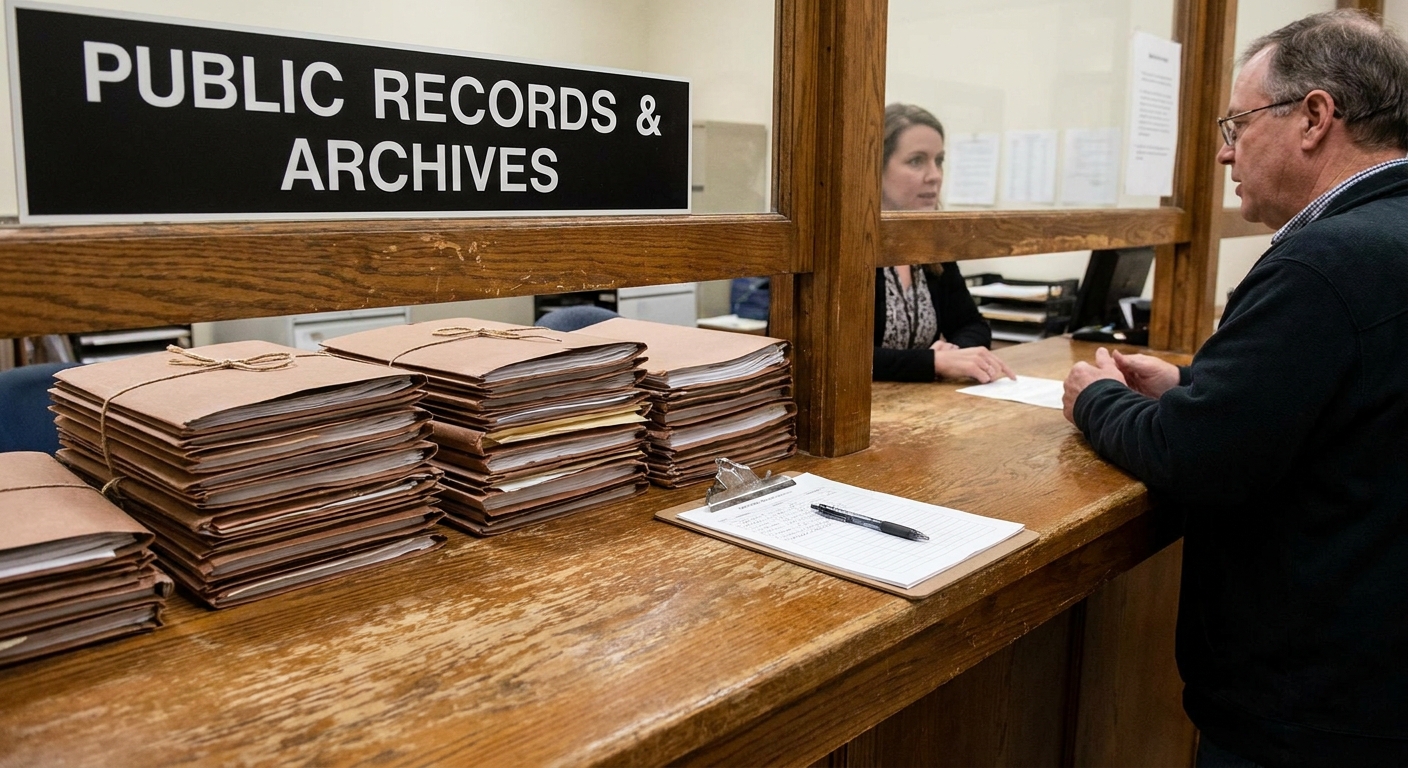
- Document vault: PDFs, photos, audio, emails, request logs, and receipts.
- Master timeline: every dated event, with a citation field for the supporting source.
- Entity list: people, agencies, locations, relationships, and aliases.
- Claim tracker: each major claim in the case and what supports or contradicts it.
Version control for teams
If you work with others, decide early how changes happen so your “source of truth” stays true.
- Naming conventions: consistent file names with dates and source types (for example, 2024-02-11_Transcript_PrelimHearing_p12-18.pdf).
- Change log: one running note of what changed, when, and why.
- Edit permissions: one owner for the master timeline and claim tracker, plus a simple approval rule for high-risk edits.
- Locked citations: once a line is scripted and sourced, do not “clean up” the wording without re-checking the citation.
Define your evidence tiers
This is one of the simplest ways to keep your narration honest. When you storyboard, you can label each beat with its tier.
- Tier 1: primary records (court filings, transcripts, official audio, contemporaneous documents, and police reports obtained lawfully, noting that access and legality vary by jurisdiction).
- Tier 2: firsthand interviews (on the record, dated, with context about proximity to events).
- Tier 3: reputable secondary reporting (credited outlets, named sources, transparent methodology).
- Tier 4: public chatter (forums, social posts, anonymous tips). Use sparingly and never as the sole support for a serious allegation.
Even “official” records can contain errors. When something matters, aim to corroborate across sources rather than treating any single document as sacred.
Track what you cannot verify
Unverifiable details are not useless, but they are volatile. Put them in a separate “open questions” list so they do not leak into your narration as fact. Later, some become: (1) disproven, (2) verified, or (3) a responsibly framed uncertainty.
The storyboard is your audio blueprint
Think of a storyboard as a scene-by-scene plan for sound. It is not just “what happens,” but how the listener experiences the information: when they learn it, from whom, with what emotional weight, and with what proof attached.
What a good storyboard includes
- Episode goal: what changes in the listener’s understanding by the end.
- Scenes: interview segments, archival tape moments, field reporting, narration bridges.
- Evidence callouts: what you can cite, quote, or play.
- Characters and stakes: who is affected, and what is at risk.
- Ethics check: privacy, harm, and language review points.
- Pacing plan: where to slow down, where to recap, where to breathe.
Storyboard format to copy
Use this as a repeatable template. You can keep it in a doc, spreadsheet, or scriptwriting software.
- Scene number and timestamp target: 00:00 to 03:30
- Purpose: hook, context, evidence, contradiction, character, answer, next step
- Audio elements: narration, interview, ambient sound, archival, music bed (if used)
- Key facts: bullet list of claims made in this scene
- Sources: citation links or file names
- Risk notes: defamation risk, privacy concern, trauma content, uncertain claim
- Producer note: what you still need to report or confirm
Mini examples
Two quick, copyable examples of how this looks in practice:
- Evidence tier label: “Scene 4 (Tier 1): Read the sentencing order aloud, then play 12 seconds of the judge’s ruling audio.”
- Evidence callout in-script: “In a filing dated May 14, the defense alleges the evidence bag was re-sealed. We requested the property log; it does not show who re-sealed it.”
How to storyboard a season
Step 1: Build the timeline, find the spine
Most cases have two timelines: the events timeline (what happened when) and the reporting timeline (how you are learning what you are learning). Your season spine is the cleanest path through both without confusing the listener.
Ask:
- What is the central question that drives each episode?
- Where are the documented turning points?
- What are the major contradictions in the record?
- What is the most responsible place to start, especially for victims and families?
Step 2: Make an evidence map
This is where you connect claims to proof before you connect scenes to suspense.
- Claim: what you intend to say
- Support: the strongest source(s)
- Counter: what challenges it
- Status: verified, disputed, unknown
- Language: what you can safely state versus what you must attribute

Step 3: Choose your structure
There is no single correct structure, but investigative audio tends to work best when your structure matches your reporting reality.
- Chronological with checkpoints: best when records are strong and the timeline is the story.
- Question-led: each episode tackles one big question (alibi, evidence handling, motive, witness credibility).
- Institutional lens: the case as a window into a system (forensics, policing, courts, media).
- Dual track: past events plus present reporting, used carefully so the “now” never feels like filler.
Step 4: Use repeatable episode beats
Consistency helps listeners relax into the work, especially in complex cases.
- Cold open: a truthful moment that represents the episode’s question
- What we know: verified facts, cleanly sourced
- What we do not know: clearly framed uncertainty
- The evidence: documents, tape, and expert context
- The complication: contradiction, gap, or new lead
- The step forward: what you did next as a reporter
- Close: what changed, and what you are chasing next
Step 5: Plan reveals like citations
Reveals should be earned by the record, not manufactured by withholding basic context. A good rule: you can delay a detail for narrative flow, but you should not hide the foundational facts that determine how listeners interpret everything else.
Pacing without cliffhanger harm
Here is the tension every creator feels: you want listeners to hit “next,” but you also want to treat people like people. Pacing is not the same as sensationalism. It is clarity, momentum, and emotional honesty.
Pacing tools that stay ethical
- Micro questions: end scenes with a concrete next step, not a vague threat.
- Recaps with purpose: restate only what the listener must hold to understand the next development.
- Strategic breathing room: after graphic or heavy content, slow down and orient the audience.
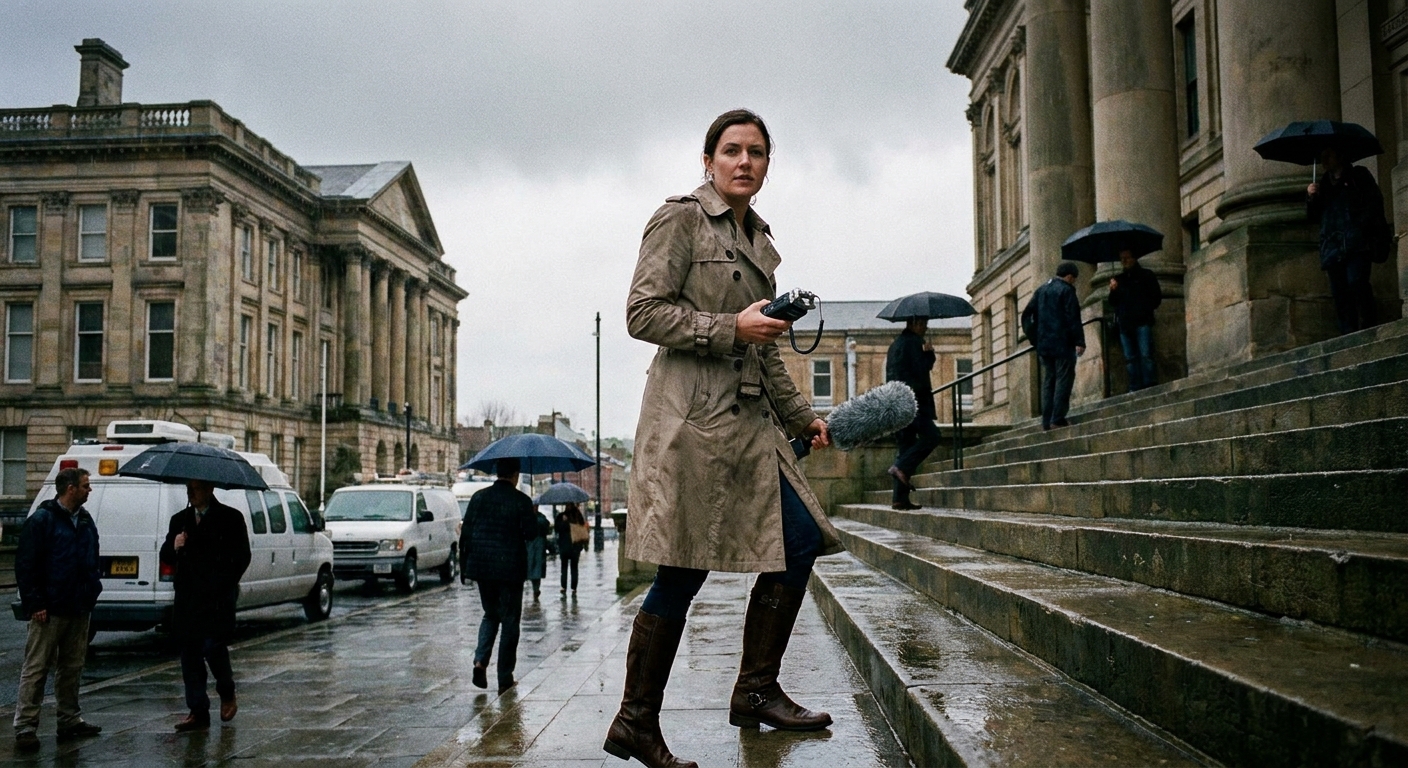
- Place-based scenes: use field sound to ground the listener, not to dramatize tragedy.
Red flags in pacing
- Using a victim’s last moments as a recurring hook.
- Teasing accusations before you have given the listener your sourcing and limitations.
- Ending every episode on a “shocking” line that your evidence cannot support.
Fact-check inside the storyboard
In audio, a single misstatement can spread fast, and a correction often does not travel as far as the original line. Build your fact-check into your storyboard so it happens before you record final narration.
Create a script-to-source workflow
- Annotate the script: every factual sentence gets a source tag.
- Attribute disputed claims: “according to,” “in testimony,” “the report states,” “she told us.”
- Check dates and names twice: timeline errors are an easy credibility leak.
- Playback verification: for archival audio, confirm you have the right segment and context.
- Legal and safety review: consider defamation risk and doxxing risk before publishing.
Legal note
Defamation, privacy, recording, and public-records rules vary widely by jurisdiction. If you are making high-risk claims about identifiable people, consult qualified legal counsel and build time for review into your production calendar.
Language that keeps you accurate
Keep a small phrase bank for uncertainty. It prevents accidental overstatement.
- Verified: “Records show…”, “The court filing states…”, “In the transcript…”
- Disputed: “He denies…”, “Prosecutors argued…”, “Defense attorneys challenged…”
- Unknown: “It is not clear from the available records…”, “We have not been able to confirm…”
Interviews are scenes, not quotes
Interviews are not just information delivery. They are also tone, trust, and humanity. Your storyboard should anticipate what the listener needs to hear in a person’s own voice.
Pre-interview planning
- Goal: what this interview can uniquely provide
- Boundaries: topics you will not push, and why
- Verification plan: what you will cross-check afterward
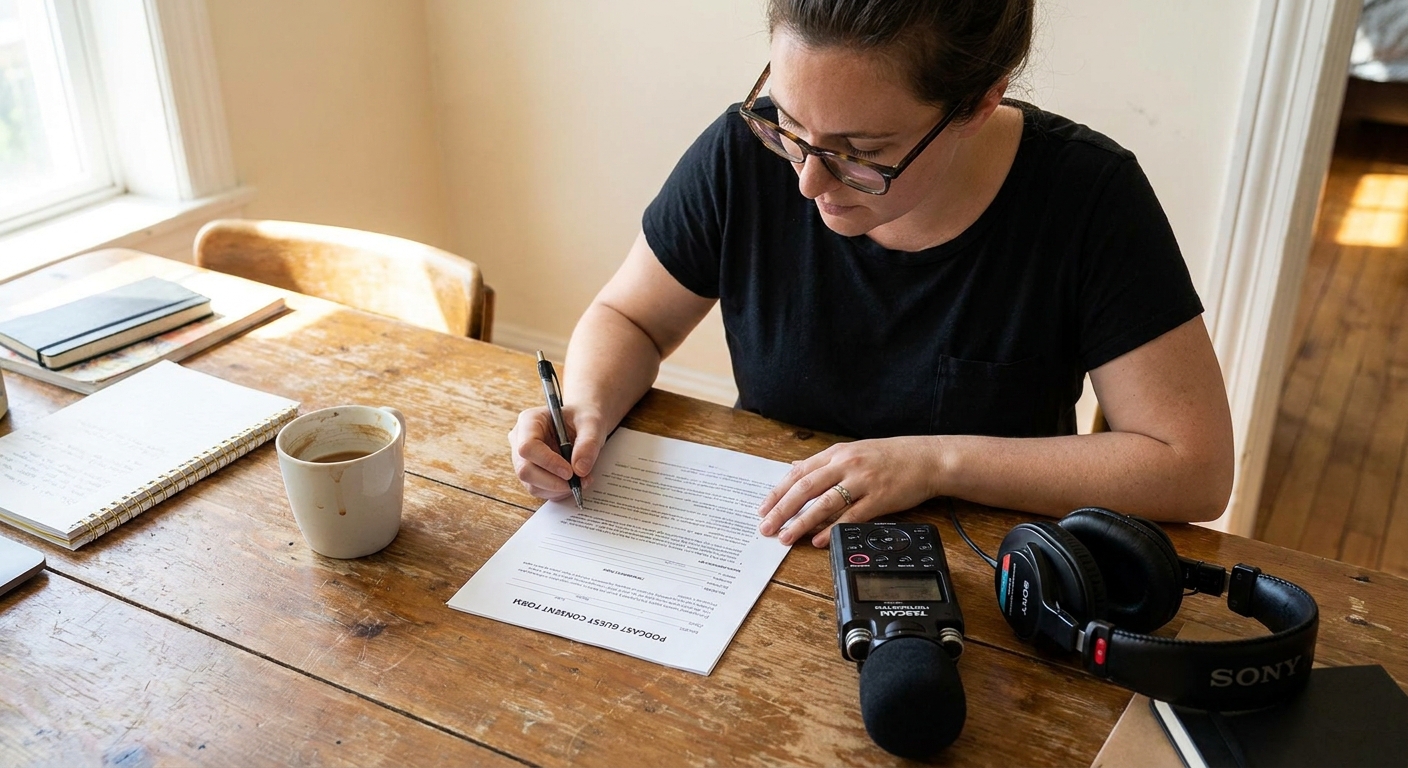
- Aftercare: especially for trauma survivors and grieving families, build in time and consent checks
Scene tips
- Open with a grounding question that lets the person self-define, not just react to the case.
- Use short narration bridges to clarify timeline and prevent confusion.
- If you edit for length, do not edit for meaning. Never stitch sentences to create a new idea.
Three storyboard templates
Template A: Cold case (8 episodes)
- E1: The case and the gap in the story
- E2: The last verified timeline
- E3: The original investigation and its limits
- E4: A key witness or statement under pressure
- E5: Forensics and what the science can and cannot say
- E6: Alternate theories, tested against records
- E7: New reporting, new leads, and what changed
- E8: Where it stands now, plus resources and accountability
Template B: Wrongful conviction (6 episodes)
- E1: The conviction in one sentence, then the first crack
- E2: Trial narrative versus trial transcript
- E3: Evidence handling and chain-of-custody questions
- E4: Witness reliability and incentives
- E5: Appeals, obstacles, and institutional resistance
- E6: What you can prove, what remains disputed, what comes next
Template C: Pop culture and justice (5 episodes)
- E1: The headline everyone remembers, and what it left out
- E2: Media ecosystem and how the story spread
- E3: The legal reality: filings, hearings, outcomes
- E4: The human cost: victims, families, community impact
- E5: What we learned, and the responsibilities of consumers and creators
Ethics checkpoints
I keep these as literal checkboxes in my planning doc, because “we will handle this carefully” is not a plan.
- Victim dignity: Are we centering their life, not just their death?
- Consent and vulnerability: Are we interviewing someone in crisis, and if so, should we pause?
- Uncharged individuals: Have we minimized harm and avoided reckless implication?
- Graphic content: Is it necessary for understanding, and have we warned listeners?
- Public interest: Why does the audience need this detail?
- Community impact: Could this prompt harassment or vigilante behavior?
Common mistakes and fixes
Mistake 1: Building around twists you cannot verify
Fix: Build around questions, not outcomes. Let your reporting determine the shape.
Mistake 2: Confusing complexity with depth
Fix: Each episode should have one primary question. Everything else supports it or gets cut.
Mistake 3: Too many names at once
Fix: Use a small cast list per episode. Reintroduce people with a quick identifier: “Maria, the neighbor who called 911.”
Mistake 4: Treating the audience like a jury
Fix: You are not asking for a verdict. You are guiding listeners through what the record shows, what it suggests, and what remains unresolved.
Checklist before you record
- Every scene has a purpose and a source base.
- Every major claim is tiered and cited.
- Disputed points are attributed, not declared.
- Episode opens with truth, not hype.
- Victims and families are treated with care and context.
- Recaps are minimal and useful.
- Endings point to reporting, not speculation.
- Your team knows what still needs verification.
FAQ
How detailed should a podcast storyboard be?
Detailed enough that someone else could follow it and understand what you intend to say and why. For investigative series, that means scene goals, key facts, and sources. If you cannot cite a scene’s core claim, the board is telling you to keep reporting.
Do I storyboard before or after writing a script?
For most investigative shows, storyboard first, then script. The board keeps the script from wandering and keeps your pacing honest. You can absolutely revise the board as reporting changes. That is normal.
How do I handle rumors listeners already know from the internet?
Name the phenomenon without laundering it into fact. If you address it at all, frame it as unverified, explain what you did to check it, and prioritize what the record supports. A rumor is not a beat unless you can responsibly interrogate it.
What episode length works best for serialized investigation?
Whatever length serves the material without padding. Many investigative shows often land around 30 to 50 minutes because it allows room for evidence, context, and character, but plenty of strong work runs shorter or longer. If an episode can be 28 minutes, let it. Your listeners will trust you more for it.