There are two kinds of true crime listeners: the ones who pick a lane and stay loyal, and the ones who treat podcast apps like a shared universe. If you are the second kind, you already know the thrill of hearing a familiar voice drop into a different show and suddenly everything tightens. The questions get sharper. The context gets wider. And sometimes the tone shifts just enough to remind you these are real cases with real people at the center.
This is a love letter to those moments: the guest appearances, the co-produced investigations, and the feed swaps that feel like lightning in a bottle. Not because they are “content,” but because they often reveal what a host cares about when they are not holding the whole episode alone.
Quick vocabulary, so we are talking about the same thing: A guest spot is when a host appears on another show. A crossover is a two-show event, usually released in both feeds or built as a joint episode. A feed swap is when a show drops another show’s episode or trailer into its own feed to recommend it.
One quick reality check: episode numbers, live show titles, and even capitalization can vary across platforms and re-uploads. Below, I lean on what you can reliably verify in an app (guest names, “introducing” labels, and obvious crossover wording). If you need an exact number, check the official episode list on the show’s site or network page.
What works
Not every collaboration lands. The best ones tend to share a few ingredients you can actually hear.
- Clear roles: One host drives the timeline and handles the facts. The other interrupts in the right places, asks the annoying follow-ups, and keeps the episode honest when the story starts to feel too neat.
- Respectful tone: Humor stays aimed at systems, absurd coincidences, or the hosts themselves, never at victims, families, or communities.
- Complementary strengths: One show brings documents, interviews, and legal context. The other brings pacing, cultural memory, and the ability to translate jargon into plain language.
- New information or new framing: The best collaborations either add reporting (new interviews, records, timelines) or add clarity (what the mainstream coverage missed, what the evidence does and does not say).
How collabs differ
Collaborations tend to hit differently depending on the lane. Indie and comedy-chat shows often blend formats and lean into chemistry, which can be fun as long as the guardrails are real. Network and journalism-forward shows usually treat collabs like reporting partnerships or curated handoffs, with more explicit sourcing, fewer detours, and clearer language about what is confirmed versus rumored.
Neither is inherently better. The best episodes simply match the stakes of the case with the right tone, structure, and care.
Collabs to queue
Here are collaborations you can find and press play on. Because titles and numbering are not consistent everywhere, each pick includes a simple “how to confirm you have the right episode” cue.
Morbid x And That’s Why We Drink
Type: Guest spot
This one is guest-chaos energy, in a good way: fast banter, familiar bits, and a guest sliding into an existing rhythm without flattening the story.
What you will hear: Listener-submission stories, quick reactions, and tight pivots from one tale to the next.
Queue this: Morbid “Listener Tales” featuring Em Schultz and Christine Schiefer of And That’s Why We Drink. Do not hunt by number. Look for their names in the title or episode description.
Why it works: It is built like a party with guardrails. Everyone knows the format, so the momentum stays high without turning the story into a free-for-all.
Sinisterhood x RedHanded
Type: Crossover
When this pairing hits, it hits because the hosts come in from different angles: one show leans into law and skepticism, the other leans into narrative clarity and sharp cultural context. The overlap is the point.
What you will hear: A co-hosted case discussion where legal questions and logic gaps get real airtime, not just a nod.
Queue this: Search the Sinisterhood feed for an episode explicitly labeled as a RedHanded crossover (often formatted as “Crossover” plus the guest show name). Confirm it is the right one by checking that both Sinisterhood hosts and RedHanded hosts are credited in the episode notes.
Why it works: You get two kinds of rigor in one room: the kind that questions everything, and the kind that knows exactly which details matter.
Generation Why x True Crime Garage
Type: Joint discussion
Two long-running shows with a steady, case-first approach. When they link up, the energy is quieter, more procedural, and genuinely useful if you like your true crime with less theatrics and more timeline discipline.
What you will hear: A chronology-forward recap with a roundtable feel, focused on what is known, what is not, and what still matters.
Queue this: Look in the Generation Why feed for their Delphi coverage and scan the episode notes for guest credit to Nic and The Captain from True Crime Garage. Delphi coverage can be split into multiple parts depending on the feed, so the guest placement can vary.
Why it works: The conversation stays pointed. No one is trying to win the mic. They are trying to understand the case.
Criminal x My Favorite Murder
Type: Guest spot
Different lanes, same obsession with why people do what they do. One show is calm, precise, and human-first. The other is conversational and culture-aware, with a knack for saying the quiet part out loud.
What you will hear: A live-show guest segment that plays more like an interview and tone check than a standard studio case run-through.
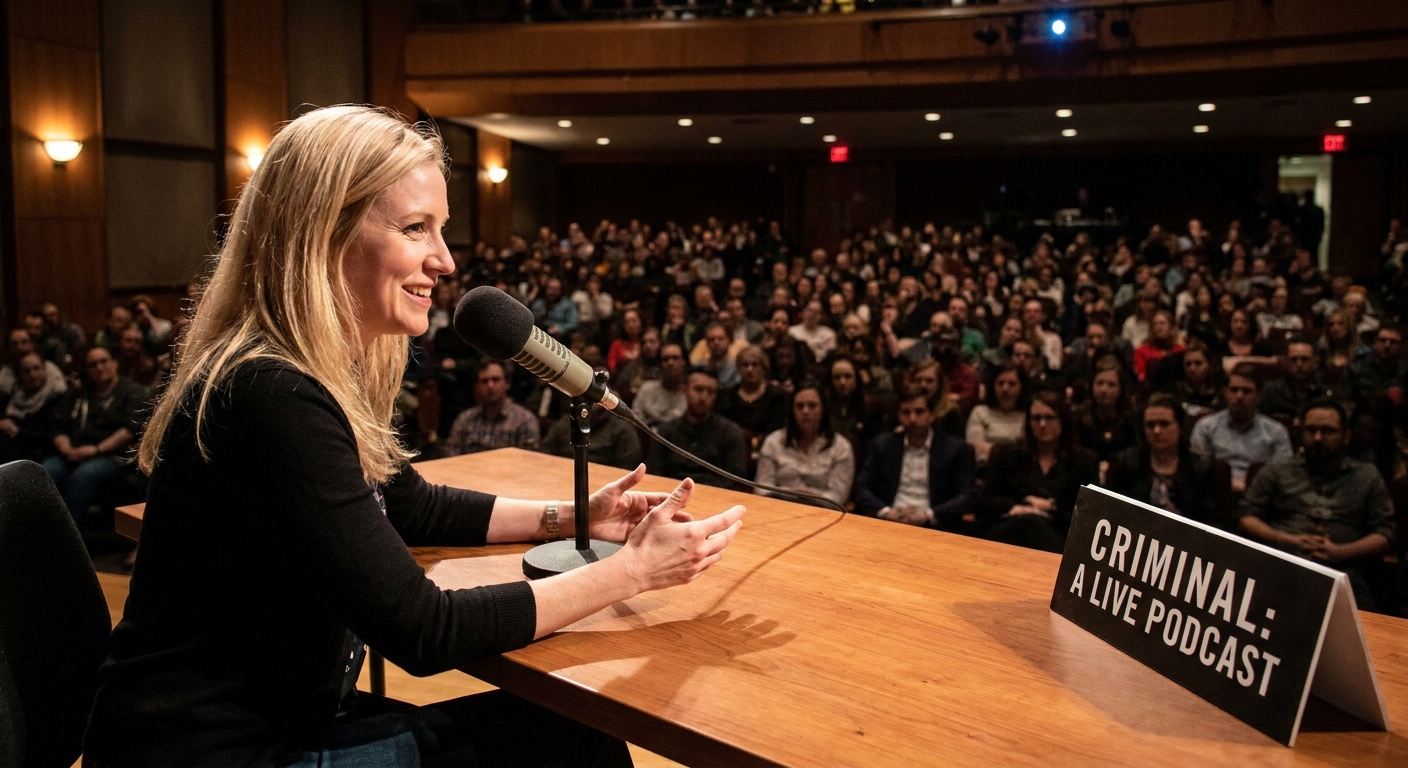
Queue this: A My Favorite Murder live episode featuring guest Phoebe Judge of Criminal. Because live episode titles and numbers vary across apps, confirm by checking Phoebe Judge’s name in the episode description.
Why it works: It is a reminder that “true crime” is a massive tent. The collaboration widens it without losing the seriousness underneath.
Investigative swaps
Type: Feed swap
If you want an example outside the comedy-chat lane, prioritize collaborations that trade reporting, not just vibes. These tend to show up as “Introducing” episodes, partner-feed drops, or special releases tied to a limited series.
What you will hear: A short host intro, then a full first-episode drop that plays like a clean pilot.
Queue this: Criminal “Introducing: Bear Brook,” a feed swap that drops episode one of Bear Brook into the Criminal feed. Capitalization and punctuation can vary slightly by platform, so confirm by looking for “Bear Brook” in the title and a short Phoebe Judge intro before the episode begins.
Why it works: The best journalism-forward swaps come with receipts: what was confirmed, what is still unknown, and where to send tips safely.
Public radio handoff
Type: Reporting collaboration
To balance out the chatty lane, here is a straight-up journalism collaboration that shows how careful handoffs can expand a story without turning it into a circus.
What you will hear: A reporter-to-reporter baton pass, with explicit sourcing, on-the-record voices, and clear lines between documentation and inference.
Queue this: Look for cross-released episodes between Reveal (Center for Investigative Reporting) and Frontline (PBS) that share the same story title in both feeds. Confirm it is a true collaboration by checking for both brands in the episode title or description and a host intro that credits the partner newsroom.
Why it works: It is collaboration as accountability. The partnership raises the floor, not just the volume.
Why swaps matter
Feed swaps do not get the same hype as a surprise guest, but they are one of the best ways to find your next obsession. They also say a lot about what creators respect in each other. If one show hands its audience to another for an episode, that is a quiet kind of endorsement.
How to spot a good one: Look for episodes labeled “Introducing,” “From our friends at,” “A special episode from,” or “Trailer.” The best swaps include a short host intro that explains why the story matters and what support, if any, the case still needs.
Why some disappear: Swaps and bonus drops are sometimes bound by licensing windows, network agreements, or region-specific rights. If a friend swears an episode existed and you cannot locate it, it may have been a limited-time placement rather than a permanent release.
When it leads to action
Some of the most meaningful collaborations are the ones that direct attention toward something actionable: a case tip line, a missing persons database, a public records campaign, or a family-run foundation. In those episodes, the guest is not there to vibe. They are there to widen the circle of accountability.
- Missing persons spotlights: collaborative episodes that center current leads and verified contact info.
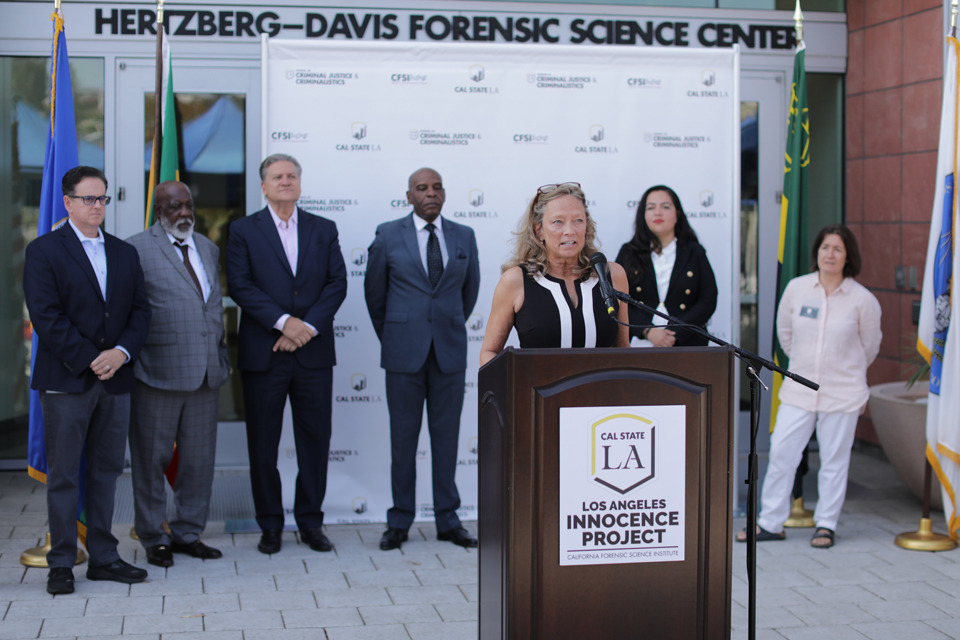
- Wrongful conviction coverage: episodes that include attorneys, investigators, or innocence organizations, and clearly distinguish evidence from speculation.
- Victim-centered storytelling: guests who are journalists or advocates ensuring language stays precise and respectful.
If you want your listening time to do a little more, these are the collaborations to prioritize.
More picks
If you want more of the same energy, here are collaboration-rich places to start. These are concrete rabbit holes.
- MFM guest stretch: If you liked the Phoebe Judge guest segment, keep rolling through other guest-forward live episodes from that era. They are an easy way to sample adjacent shows without committing to a full season.
- Sinisterhood crossovers: Start with the RedHanded crossover, then scan the feed for other episodes explicitly labeled “Crossover.” The structure stays consistent, so you will know quickly if it is your vibe.
- Gen Why case panels: After the Delphi guest discussion, check nearby episodes for other guest-forward, case-first conversations. That show does not do many gimmicks, which is the point.
- Criminal introductions: “Introducing: Bear Brook” is a clean on-ramp to the investigative lane. If you like that style, keep an eye out for other “Introducing” drops in serious journalism feeds. They tend to be good curators.
- Reveal and Frontline cross-releases: If you liked the newsroom-to-newsroom handoff, search either feed for the other brand name. When those teams overlap, it is usually because the reporting demanded it.
FAQ
Do I need to know both shows?
Not usually. The best collaborations are designed like an on-ramp. If you feel lost for more than a few minutes, that is typically a sign the episode is built for existing fans, not first-timers.
Are collaborations ever a red flag?
They can be. If the episode treats the case like a prop, leans on rumor without labeling it, or glosses over victim impact in favor of plot twists, skip it. Collaboration should raise the standard, not lower it.
What if an episode covers an active case?
Follow the episode’s instructions only if they point to official channels. Do not contact families directly, do not post unverified tips publicly, and do not attempt amateur sleuthing that could contaminate leads.
One last thing
The true crime shared universe is fun, yes. But the reason these collaborations stick is deeper: when good hosts collide, they often model better listening. They name what they do not know. They cite sources. They make space for victims as people, not characters.
If you have a favorite crossover episode I missed, share the title and year. My queue is always hungry, and my notebook is always open.