True crime has a reputation problem, and honestly, it has earned some of it. But every so often a podcast comes along that treats a case like what it is: a human life interrupted, a family stuck in limbo, and a justice system that can respond faster under public scrutiny.
The podcasts below are not just binge-worthy. They are examples of what can happen when reporting is meticulous, records are pried loose, and the audience is invited into something more meaningful than speculation. In different ways, each series helped generate leads, prompt additional review, challenge official narratives, or reshape courtroom outcomes.

A quick note from me before we hit play: “Helped solve” can mean a lot of things. Sometimes it is a conviction. Sometimes it is a name put to a set of remains. Sometimes it is a case finally taken seriously again. I am focusing on documented, real-world impact, not internet folklore.
Quick key: I’m also tagging each pick by the kind of impact it’s most clearly associated with: Court outcome, Identification, Reopened investigation, or Public pressure.
One more guardrail: impact varies by case, and correlation is not causation. These are good-faith examples of documented movement happening alongside serious reporting, not a victory lap about podcasts “solving” crimes single-handedly.
1) In the Dark (Season 2)
Why it matters: This is one of the clearest examples of audio investigation colliding with the legal system in real time.
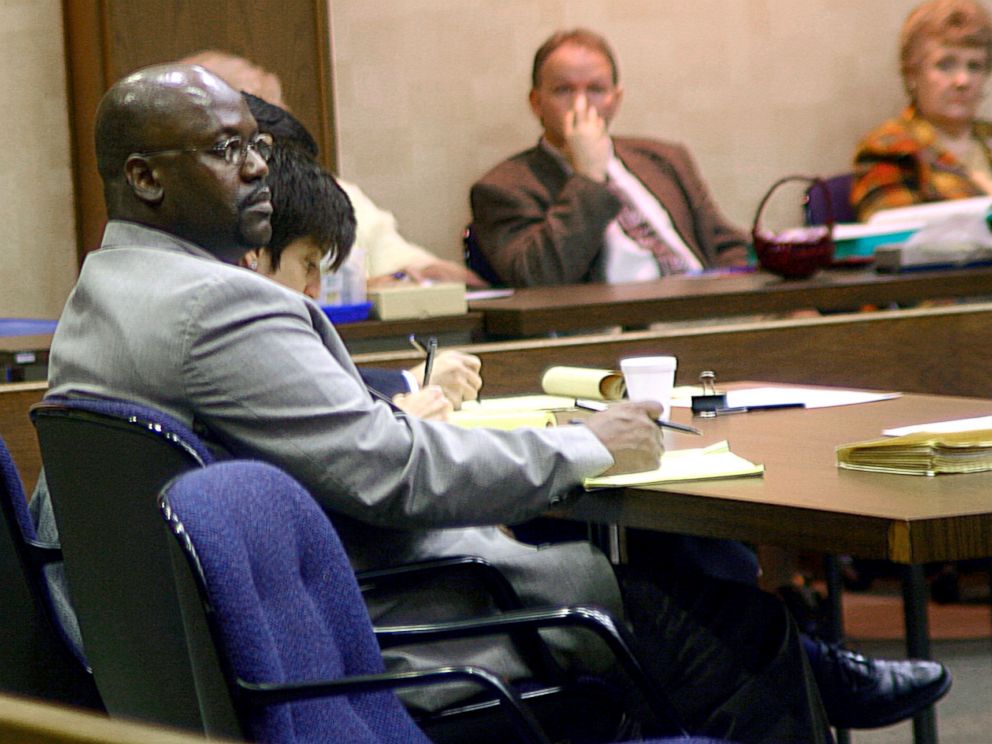
American Public Media’s In the Dark took a hard look at the prosecution of Curtis Flowers in Mississippi, a case that had already resulted in multiple trials. The reporting dug into jury selection patterns, local power structures, and the kind of procedural details that rarely survive the jump from courthouse to headline.
Impact type: Court outcome.
Real-world impact: In 2019, the U.S. Supreme Court reversed Flowers’ sixth conviction in Flowers v. Mississippi, citing discriminatory jury selection. In September 2020, the district attorney declined to retry the case and moved to dismiss the charges.
- Best for: Listeners who want rigorous reporting and a clear view of how “process” can be the story.
- Listening tip: If you think you know the case, start anyway. The depth is the point.
2) Bear Brook
Why it matters: Bear Brook is proof that a cold case can thaw when “unknown” is treated as a problem to solve, not a permanent label.
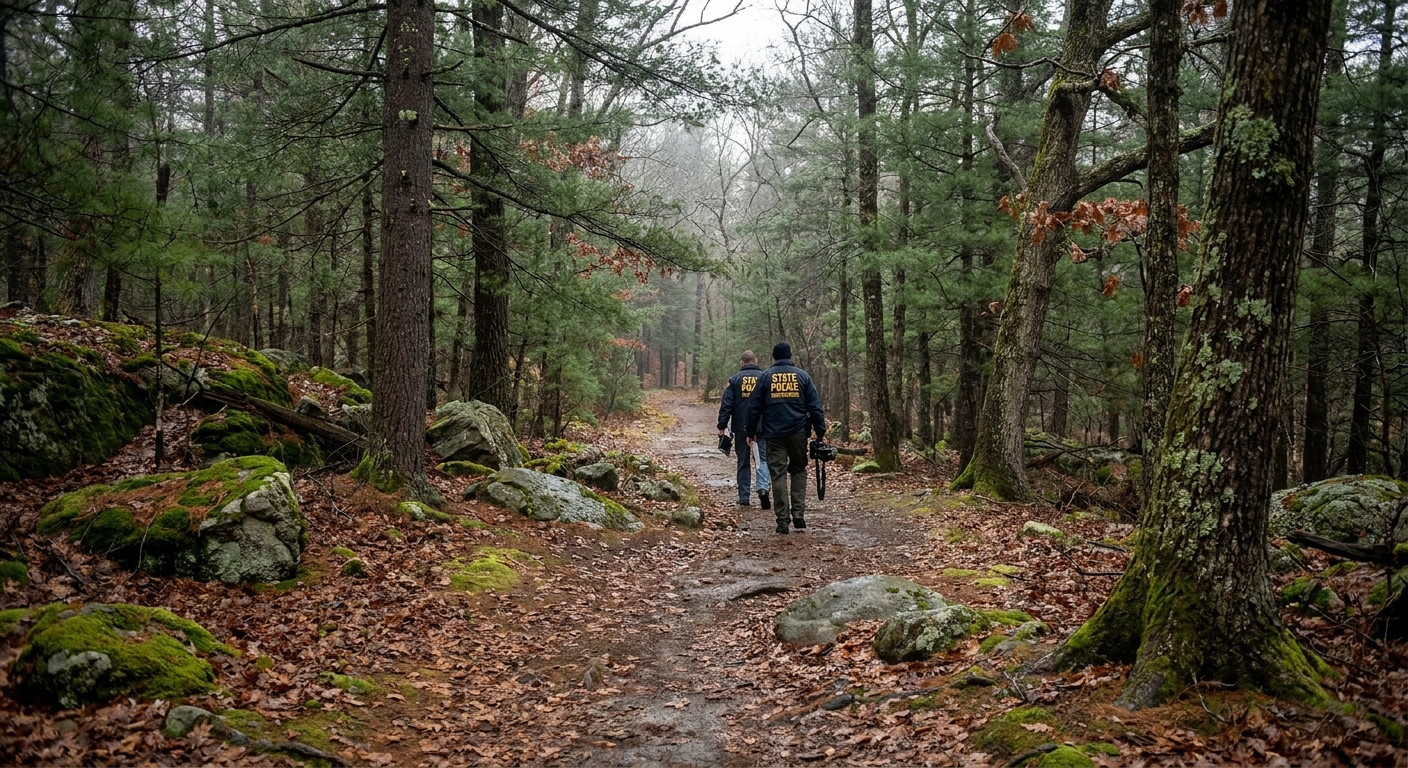
New Hampshire Public Radio’s series revisited the barrels discovered in Bear Brook State Park and the unidentified victims connected to them. The reporting threads together early investigative missteps, evolving forensic science, and the slow, painstaking work of naming the unnamed.
Impact type: Identification.
Real-world impact: The case became a widely cited example of how forensic genetic genealogy can support identifications and a clearer timeline. In 2019, one victim was publicly identified as Marlyse Honeychurch, and subsequent updates identified her children as well. The podcast did not “solve” the case by itself, but it helped keep the victims centered as people rather than evidence.
- Best for: Anyone who wants compassionate storytelling that still has investigative teeth.
- Content note: Crimes against children.
3) Someone Knows Something (Season 5)
Why it matters: David Ridgen’s approach is patient, empathetic, and built around the idea that time does not erase accountability.
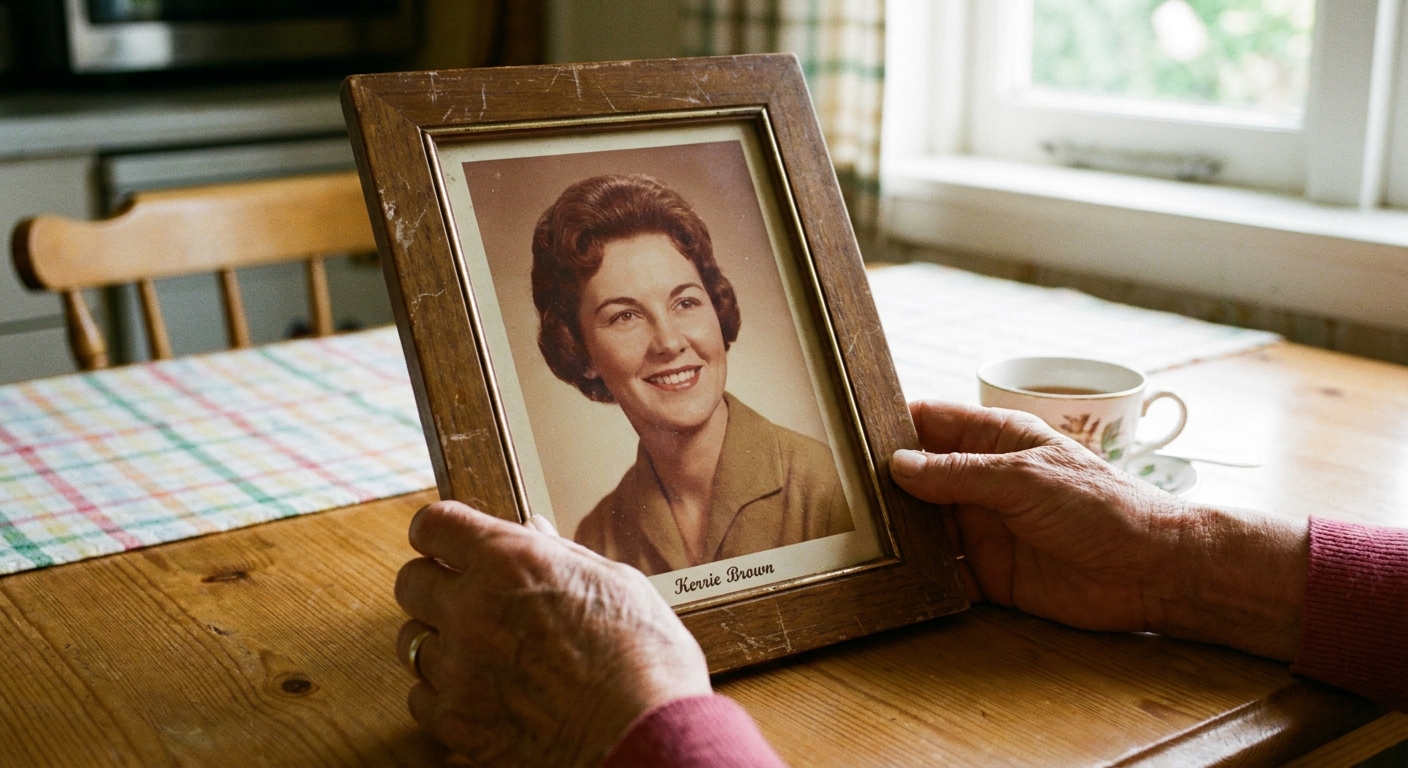
Season 5 examines the 1986 disappearance of Kerrie Brown in British Columbia. It is not a “gotcha” show. It is a long conversation with a community and a family, where memory, rumor, and fear all have to be handled carefully.
Impact type: Public pressure.
Real-world impact: The season brought renewed public attention to a case that had faded from wider view. Any resulting tips and investigative movement are difficult to attribute cleanly from the outside, so it is fairest to say the show helped prompt re-engagement, not resolution.
- Best for: Listeners who want ethical, human-centered cold-case reporting.
4) Your Own Backyard
Why it matters: This series showed what can happen when a determined creator focuses less on theatrics and more on records, interviews, and persistence.
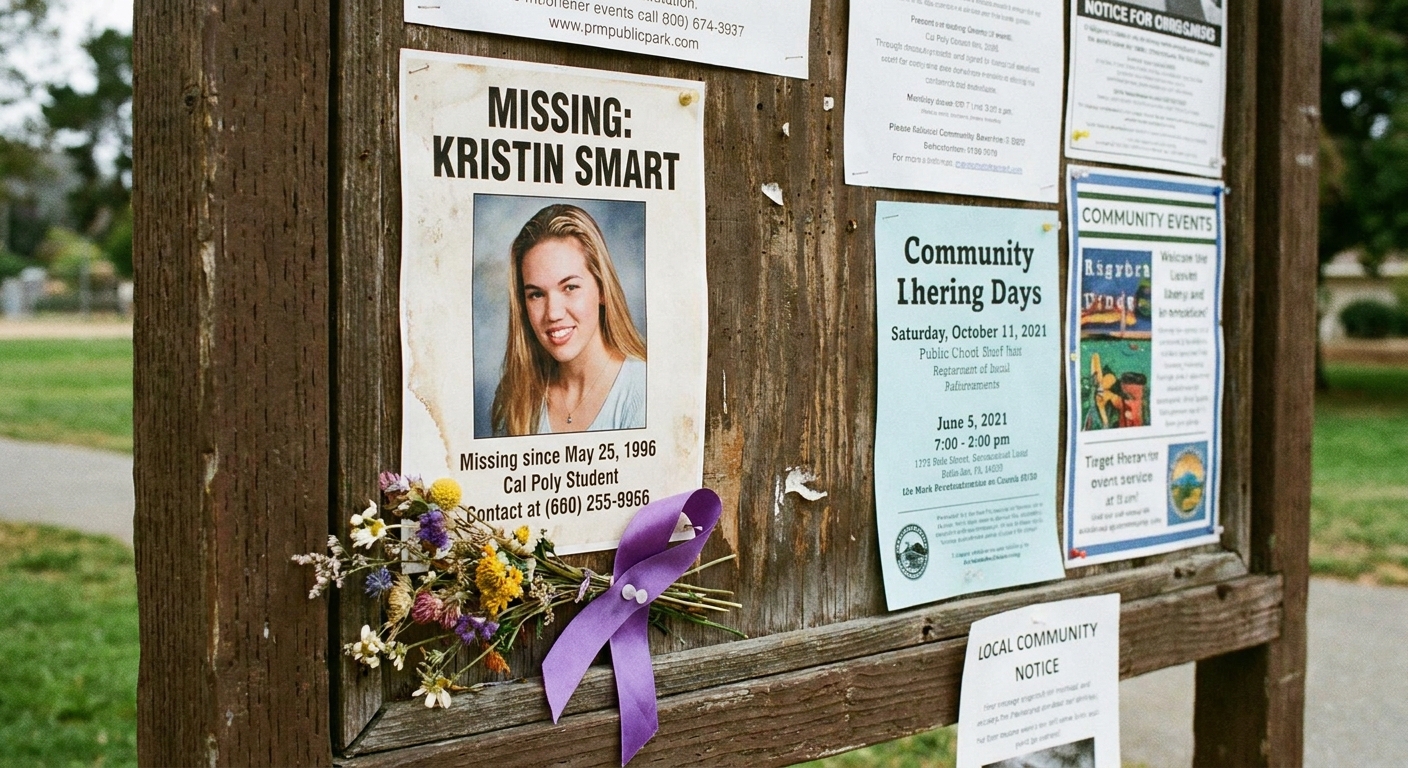
Chris Lambert’s Your Own Backyard centers on the 1996 disappearance of Kristin Smart, a Cal Poly student. The show carefully revisited witness accounts and long-rumored suspicions, while amplifying the Smart family’s decades-long search for answers.
Impact type: Court outcome.
Real-world impact: The case ultimately led to arrests and prosecutions. The podcast is widely credited with sustaining public attention and encouraging witnesses and community members to re-examine what they knew, while law enforcement work and courtroom evidence drove the legal outcome.
- Best for: Listeners who can handle slow-burn investigation that pays off in real court developments.
- Content note: Sexual violence and stalking themes.
5) Up and Vanished (Season 1)
Why it matters: Love it or side-eye it, Up and Vanished proved that audience-driven attention can shake loose a case that has gone stagnant. It also comes with a built-in caution label about hype, pressure, and the limits of crowd-powered investigation.
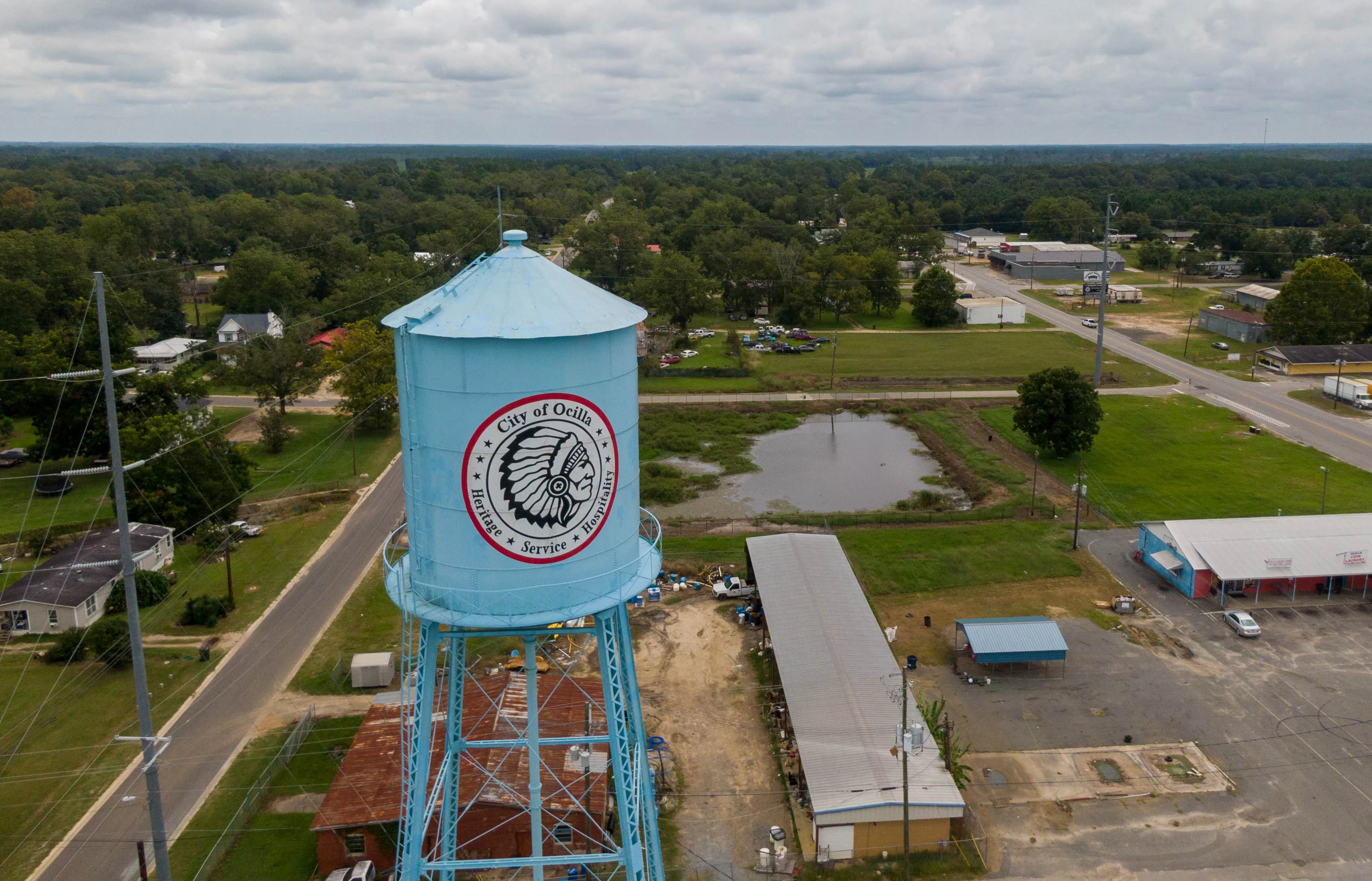
The first season focused on the 2005 disappearance of teacher Tara Grinstead in Ocilla, Georgia. Host Payne Lindsey brought national attention to a small-town case, and the show’s tip line became part of the story.
Impact type: Public pressure.
Real-world impact: After years of little movement, arrests were made in 2017. The show is often cited as a catalyst that reignited attention and generated additional tips, though the extent of its direct influence is debated and prosecutions ultimately rest on law enforcement investigation and evidence.
- Best for: Listeners interested in how public attention can change investigative momentum.
6) Serial (Season 1)
Why it matters: Serial basically rewired the genre, but its most important legacy might be the way it pushed “case as civic question” into the mainstream.
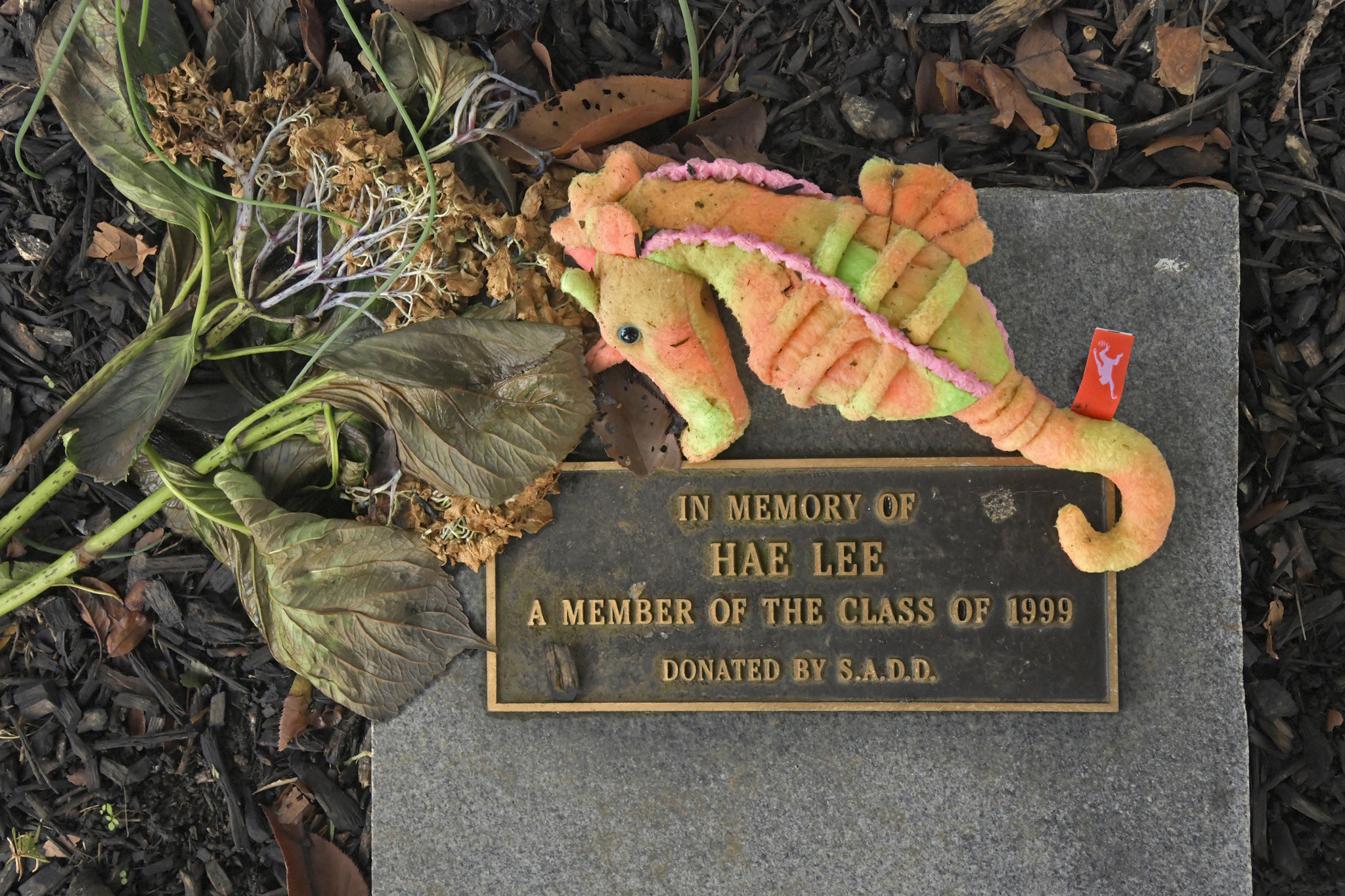
Season 1 examined the 1999 murder of Hae Min Lee and the conviction of Adnan Syed. Whatever someone’s opinion of the season’s pacing or certainty level, the reporting undeniably drove massive public interest and follow-on legal advocacy.
Impact type: Court outcome.
Real-world impact: The case has seen extensive post-conviction litigation and repeated judicial review, including a 2022 vacatur of Syed’s conviction and subsequent appellate decisions that continued to contest the process behind that vacatur. Because the legal posture has shifted more than once, the safest documented impact is this: the podcast helped sustain legal and public scrutiny in a case many people assumed was “done.”
- Best for: Listeners who want to understand how a single story can reshape true-crime culture and legal attention.
- Content note: Intimate-partner violence themes.
7) Accused (Season 1)
Why it matters: Some shows chase twists. Accused chases documentation, timelines, and what happens when the “obvious suspect” narrative hardens too early.
The Cincinnati Enquirer’s Accused investigated the 1978 murder of Miami University student Elizabeth Andes. The series revisited the case with an eye toward what was missed, what was assumed, and what evidence might mean when viewed through modern standards.
Impact type: Reopened investigation.
Real-world impact: The reporting renewed interest and scrutiny in a long-disputed case and became a widely referenced public record of the timeline, interviews, and unanswered questions. It is a model for how local journalism can reopen a story without turning it into spectacle.
- Best for: Listeners who like court- and records-driven reporting.

8) The Teacher’s Pet
Why it matters: This is a stark example of how sustained reporting can push a case from “everyone knows” to “the system has to answer.”
The Australian’s The Teacher’s Pet investigated the 1982 disappearance of Lynette Dawson. The series explored allegations of domestic abuse, coercive control, and the kind of community silence that can settle over a case for decades.
Impact type: Court outcome.
Real-world impact: The podcast intensified public attention, and the case eventually led to charges and a trial. In 2022, Chris Dawson was convicted of Lynette Dawson’s murder. The case has continued through appellate proceedings, so readers should confirm the latest status at publication time.
- Best for: Listeners who can handle heavy themes and want a clear example of reporting meeting legal consequence.
- Content note: Domestic violence and coercive control.

9) Death in Ice Valley
Why it matters: Not every “helped solve” ends with a gavel. Sometimes the win is giving investigators and the public a better, more testable set of facts.
BBC World Service and NRK’s Death in Ice Valley revisited the mysterious 1970 death of the so-called Isdal Woman in Norway. The series used modern forensic input, international reporting, and careful myth-busting to separate spy-story glamour from what can actually be supported.
Impact type: Reopened investigation.
Real-world impact: The show contributed to renewed public interest and discussion around forensic possibilities, including identity-related leads and the re-examination of evidence. One concrete example is the attention given to isotope analysis and other forensic avenues as part of the renewed push to identify her. It is best understood as momentum and clarification, not a clean “breakthrough” with a single credited cause.
- Best for: Listeners who like historical mysteries handled with restraint.

10) Undisclosed
Why it matters: If Serial opened the door, Undisclosed walked through it carrying legal briefs.
Hosted by attorneys and journalists, Undisclosed is built around case file analysis, alternative suspects, procedural issues, and the ways wrongful convictions can hide in plain sight. The show has covered multiple cases, often highlighting gaps in disclosure, forensic interpretation, and defense resources.
Impact type: Public pressure.
Real-world impact: Its most defensible contribution is legal literacy at scale: it made detailed, advocacy-adjacent case analysis legible to a mass audience. In several seasons, episodes have also been referenced in broader reporting and public filings related to the cases discussed, which is a quieter kind of impact than a single tip that “breaks” everything.
- Best for: Listeners who want a more technical, advocacy-adjacent perspective.
What they share
When a podcast truly helps move a cold case, it is rarely because of a dramatic monologue or a perfectly timed cliffhanger. It is usually because of unglamorous work:
- Records requests and document mining: Getting the paperwork no one wanted to reread.
- Witness re-engagement: Creating a safe, respectful way for people to come forward.
- Accountability pressure: Not harassment, but sustained attention that makes it harder for institutions to shrug.
- Victim-centered framing: Keeping the person at the center, not the internet’s favorite theory.
And yes, audience participation can matter. But the best versions of it look less like “we did it, Reddit” and more like “here is the tip line, here is what is verified, here is what to avoid.”
How to listen responsibly
Since we are here for true crime entertainment, let’s also be honest about the ethical cost when a story is treated like content first and tragedy second. A few listener guardrails I swear by:
- Resist amateur suspecting: If the show is careful not to name someone, follow that lead.
- Do not contact families: Unless they have explicitly asked for help publicly.
- Share official tip channels only: Not rumors, not screenshots, not “a friend of a friend.”
- Remember that “closure” is not always possible: The goal is truth and accountability, not a perfect ending.
If you have a favorite investigative series that produced documented movement in a cold case, send it my way. I am always looking for examples of the genre at its most useful.