There is a version of true crime that treats a case like a puzzle box, something to be cracked for the dopamine hit of a twist. And then there is the version that respects the people at the center of the story enough to do the hard work: document retrieval, witness development, public records battles , evidence timelines, and patient, persistent reporting that sometimes changes what happens next.
Below are ten serialized investigative podcasts that had documented, real-world impact, from prompting new leads to supporting exonerations and arrests. Not every case is “solved” in a clean, TV-ready way, and I want to be careful with that word. But each of these series moved the needle in a way that mattered to investigators, courts, families, or all three.
What I mean by measurable impact: an outcome that can be traced through court rulings, charging decisions, public statements by officials, or reporting by reputable outlets that links renewed attention to concrete investigative or legal movement. Where attribution is inherently hard to prove, I say “coincided with” and point you to the record.
1) Serial (Season 1, 2014)
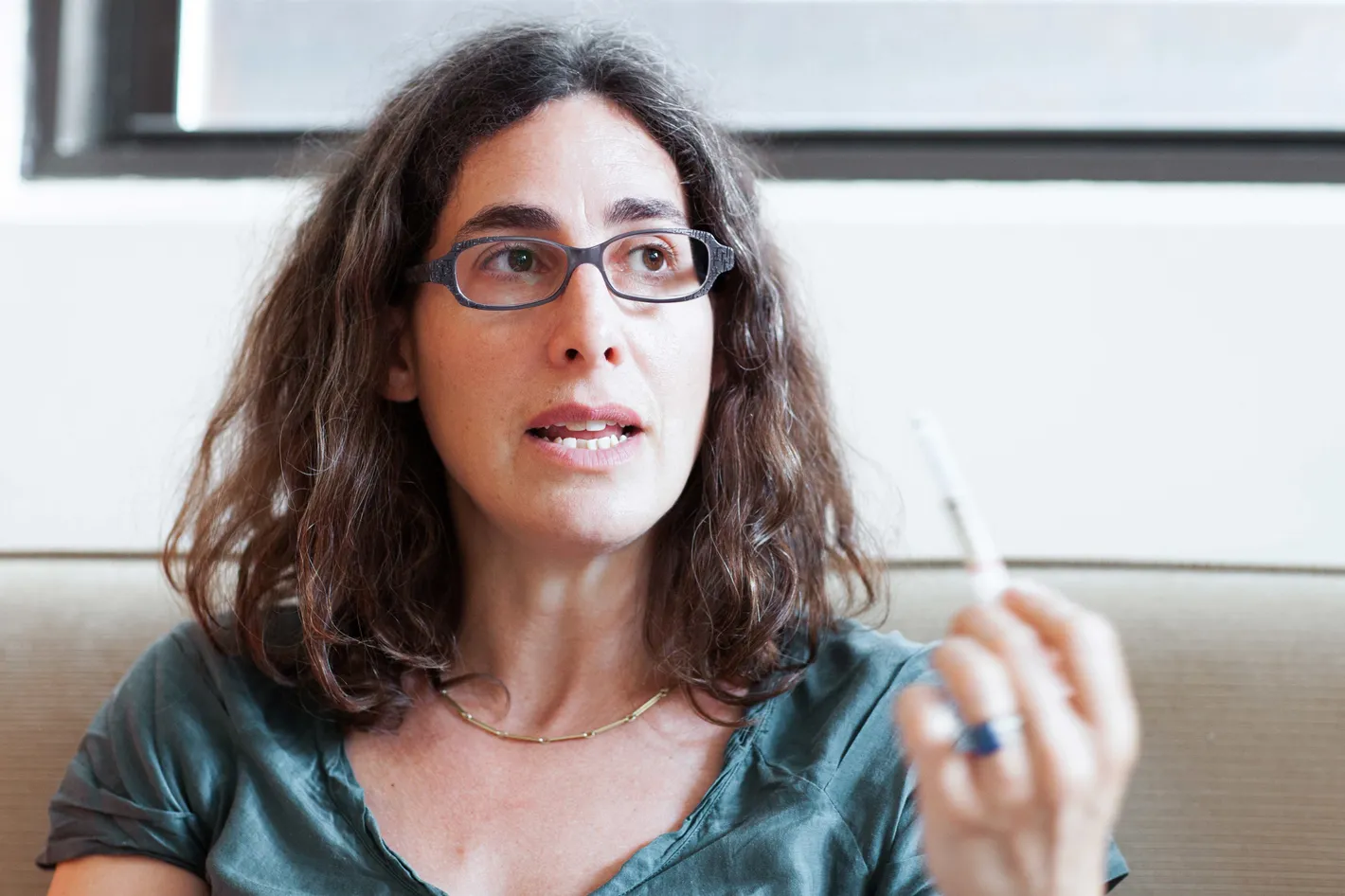
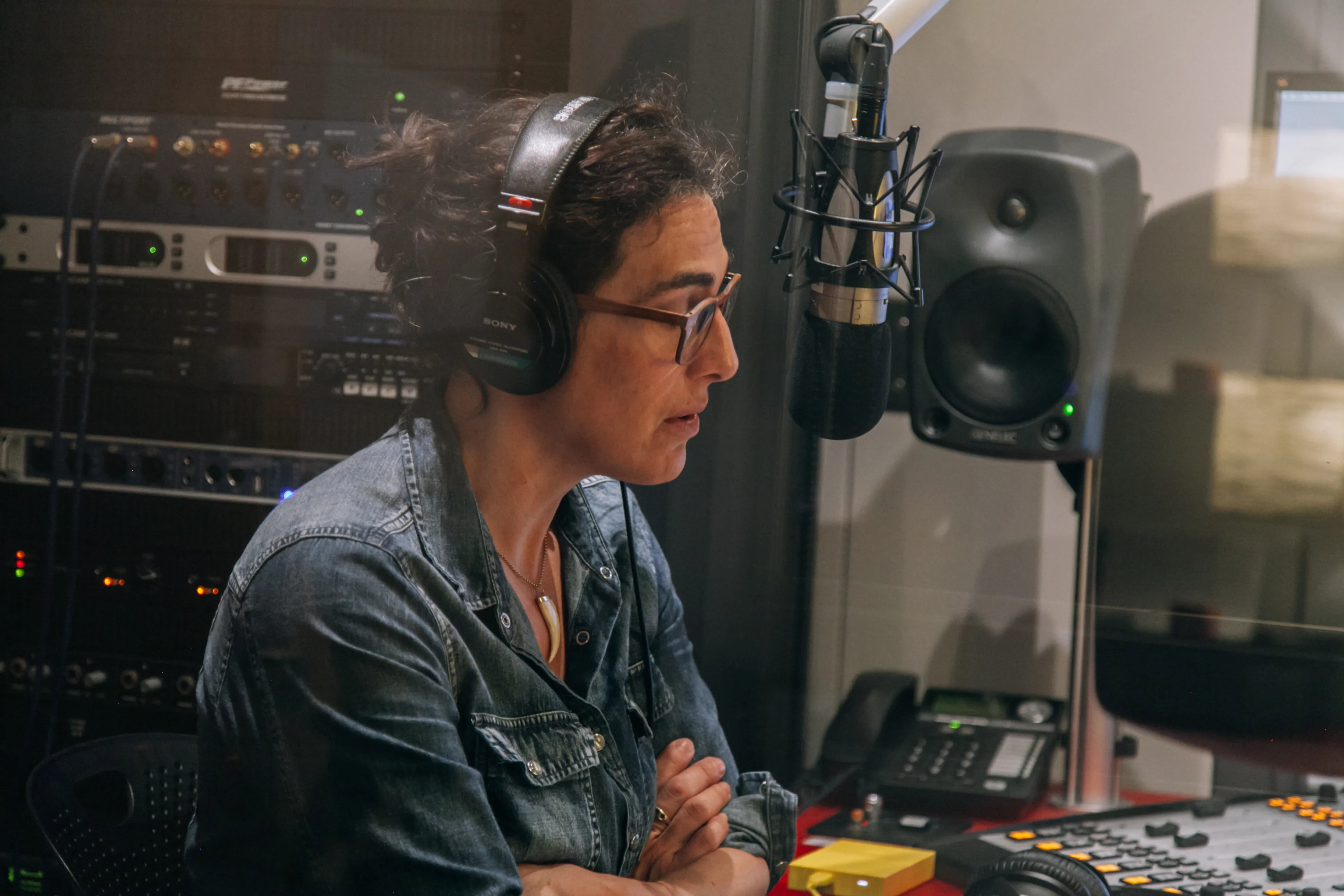
Host: Sarah Koenig (with Julie Snyder) | Case: The 1999 murder of Hae Min Lee
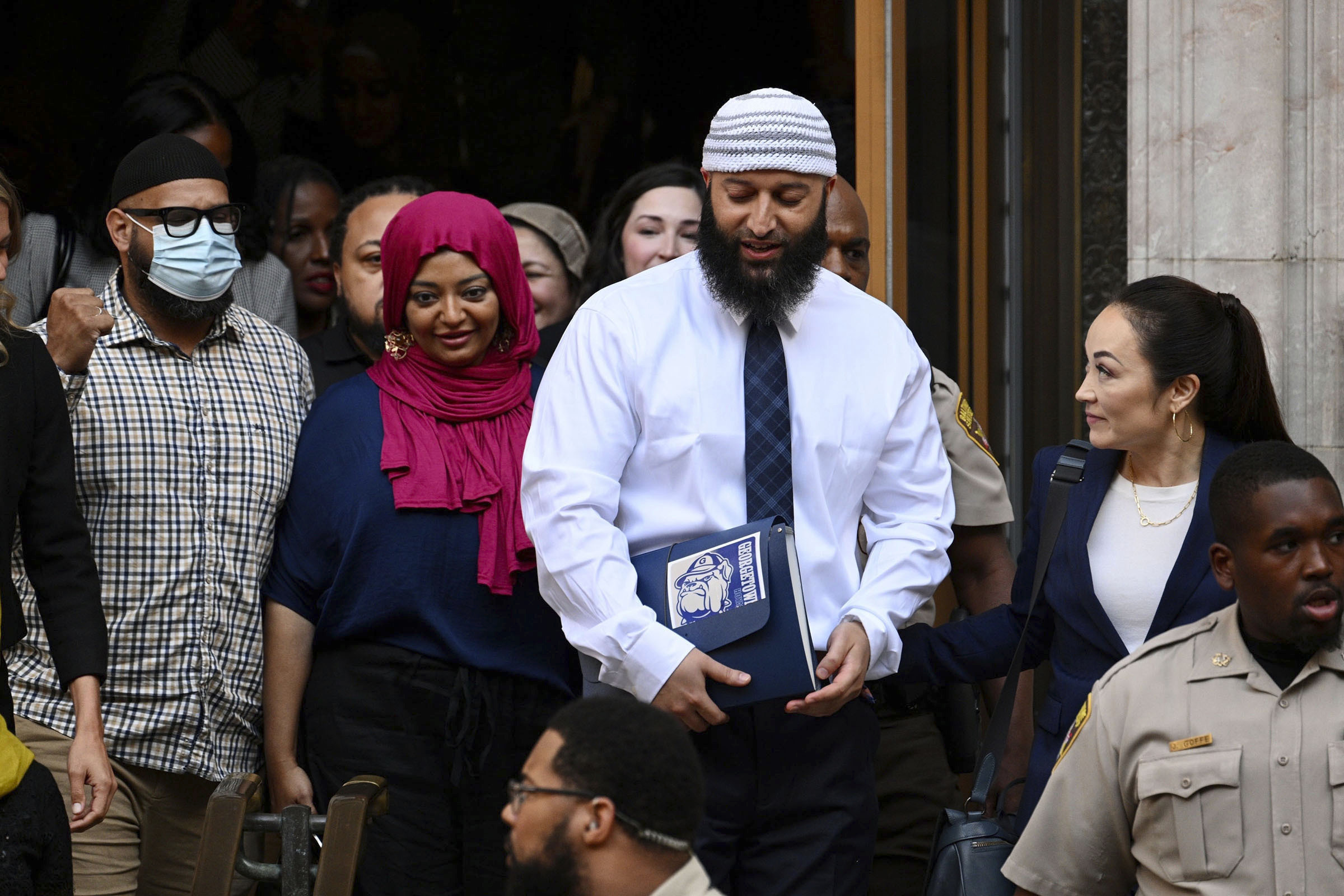
If you have ever tried to explain podcasting to a relative who still calls everything on the internet “a blog,” you have probably said the word Serial. Season 1 reintroduced the case against Adnan Syed to a global audience and, more importantly, to a legal system that suddenly had millions of people reading motions, timelines, and disclosure arguments like they mattered. Because they did.
The podcast did not “solve” the case in a tidy whodunit sense, but it helped drive sustained scrutiny and legal advocacy. For timeline clarity: Syed’s conviction was vacated in September 2022. In 2023, Maryland’s Supreme Court reinstated the conviction on procedural grounds related to victim-notice issues and ordered a new vacatur hearing. As of 2024, that process was still moving through the courts, which is a reminder that “impact” often looks like filings, hearings, and long waits, not a final reveal.
- How it helped: Amplified scrutiny of the record, energized additional legal review and public-records analysis, and kept attention on contested timelines and witness reliability as the case returned to active litigation.
- Source to verify: The New York Times on the 2022 vacatur (see follow-up coverage for subsequent appellate developments).
2) In the Dark (Season 1, 2016)
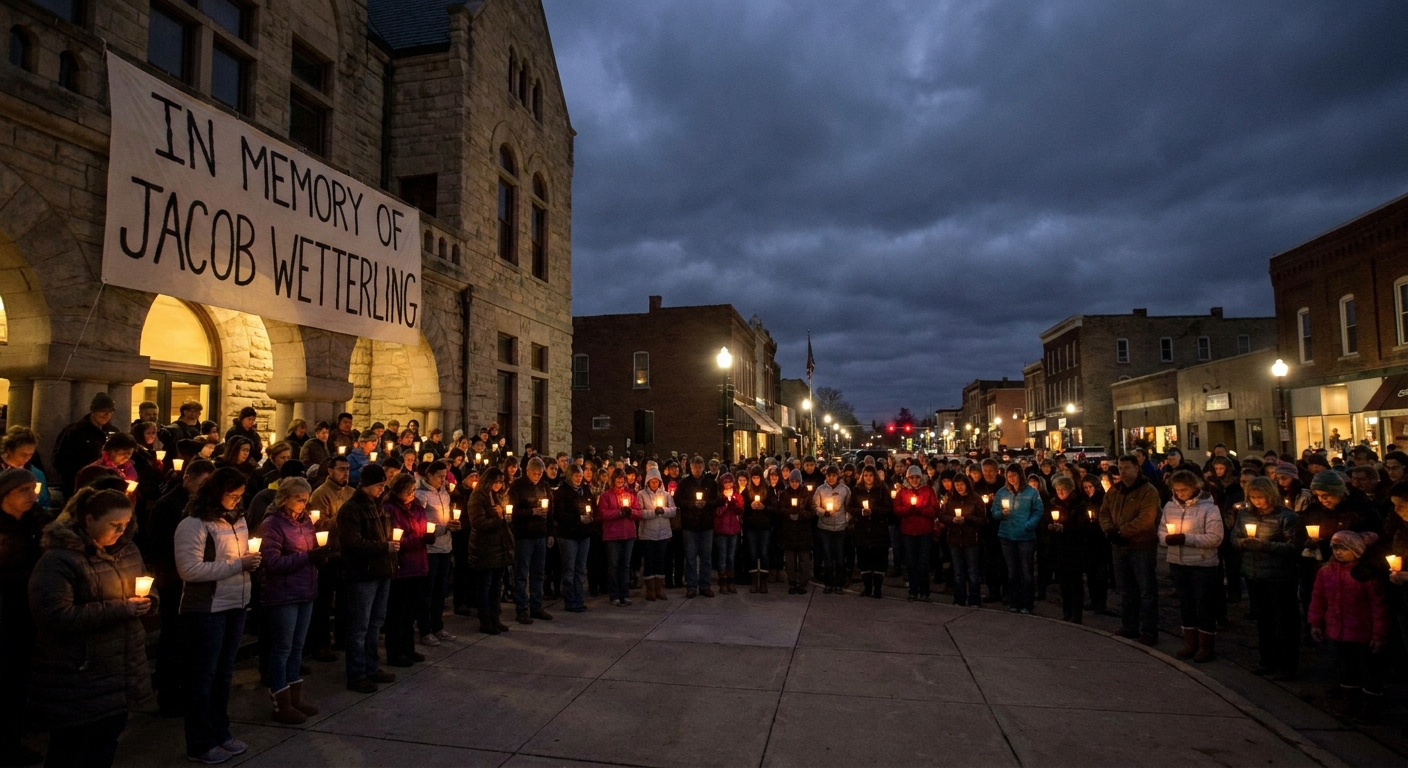
Host: Madeleine Baran | Case: The 1989 abduction of Jacob Wetterling
This is the gold standard for what painstaking reporting can do for a cold case, and for the public’s understanding of how investigations actually unfold. In the Dark did not just recap a disappearance. It built a granular map of missed opportunities, tunnel vision, and the long ripple effects on a community.
The series drew renewed attention and generated additional tips. On timing: the season’s release in 2016 overlapped with an investigation that was already active, and later that year authorities arrested Danny Heinrich, who confessed to Jacob’s abduction and murder and led investigators to Jacob’s remains. The show’s most defensible impact is not “it solved it,” but that it documented failures, clarified the record, and kept pressure on institutions to explain how decades can disappear inside a case file.
- How it helped: Reinvigorated tip flow and accountability pressure around investigative missteps, while putting a readable structure around a complicated, long-running investigation.
- Source to verify: APM Reports: In the Dark (Season 1)
3) In the Dark (Season 2, 2018)
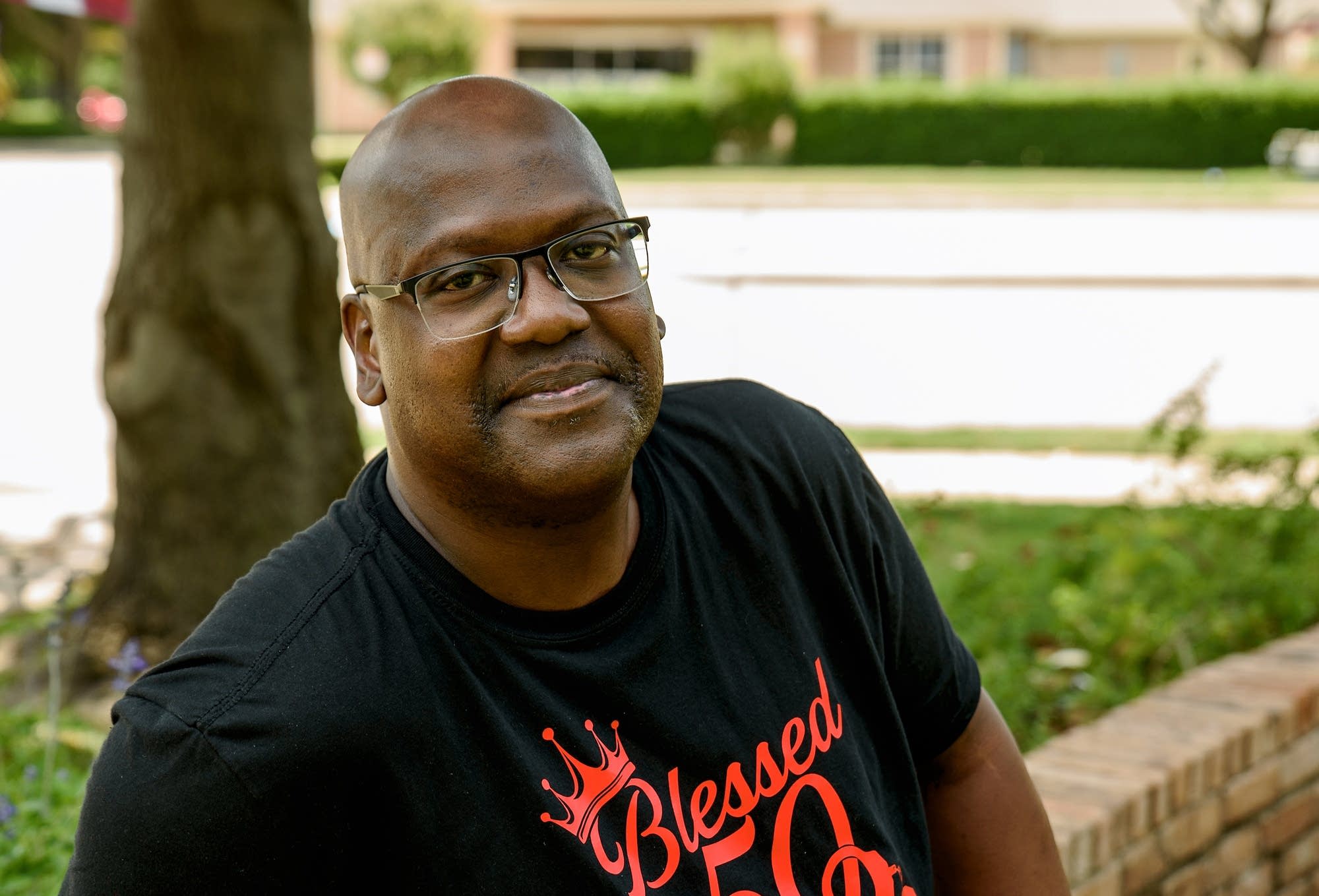
Host: Madeleine Baran | Case: Curtis Flowers and the 1996 murders in Winona, Mississippi
Season 2 is a masterclass in how a podcast can interrogate a legal system, not just a suspect. Over multiple trials and reversals, Curtis Flowers became a case study in prosecutorial discretion, jury selection, and how local power structures shape outcomes.
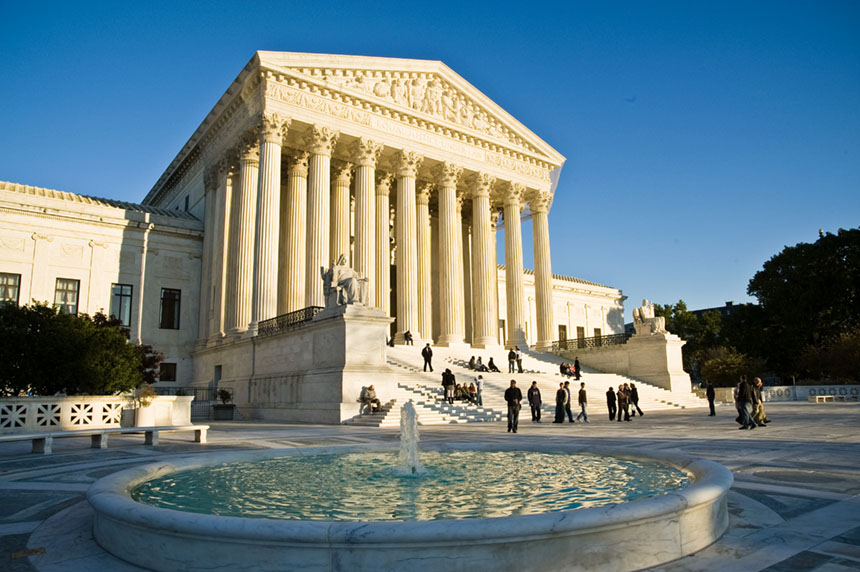
After extensive reporting and national attention, the U.S. Supreme Court ruled in 2019 that the prosecutor’s jury selection in Flowers’ sixth trial was unconstitutional. Prosecutors later dropped the charges, and Flowers was released.
- How it helped: Put sustained national attention on a case defined by repetition and procedural grind, aligning with and amplifying the legal questions that ultimately reached the highest court in the U.S.
- Source to verify: U.S. Supreme Court opinion: Flowers v. Mississippi (2019)
4) Bear Brook (2018)
Host: Jason Moon | Case: The unidentified victims found in barrels in New Hampshire
Bear Brook is one of those series I recommend with a deep breath, because the emotional toll is real. It is also one of the clearest examples of storytelling that stays anchored to victim identity and forensic reality.
Investigators used genetic genealogy and other methods to identify victims and connect the murders to Terry Peder Rasmussen, also known by multiple aliases. The podcast’s most defensible impact is not that it “caused” the breakthroughs, but that it helped translate evolving forensic work into public understanding as identifications unfolded and victims were named.
- How it helped: Kept the conversation centered on victim identification and the evolving forensic record, helping the public follow official updates with context instead of rumor.
- Source to verify: New Hampshire Public Radio coverage of Bear Brook case updates

5) Someone Knows Something (Season 5, 2018)
Host: David Ridgen | Case: The 1986 death of Kerrie Brown in Ontario
David Ridgen’s reporting style is gentle but relentless, the kind that sits with grief instead of stepping over it. Season 5 follows the still-unresolved case of Kerrie Brown, focusing on what was missed, what was dismissed, and what the community remembers.
The show’s impact here is best described as connective tissue. It gave the public a coherent timeline, created a clear on-ramp for people who had avoided the story for years, and invited anyone with relevant information to come forward through proper channels. Because “listener tips helped” is easy to say and harder to substantiate, I am keeping this claim narrow: the series publicly solicited information and increased visibility for an unresolved case, and CBC documented that audience response mattered to the production and ongoing attention around the case.
- How it helped: Increased visibility for an unresolved case and created a structured, respectful avenue for information-sharing, while keeping speculation and certainty separated.
- Source to verify: CBC: Someone Knows Something (see Season 5 materials and CBC coverage tied to the series for listener-response notes).
6) Up and Vanished (Season 1, 2016)
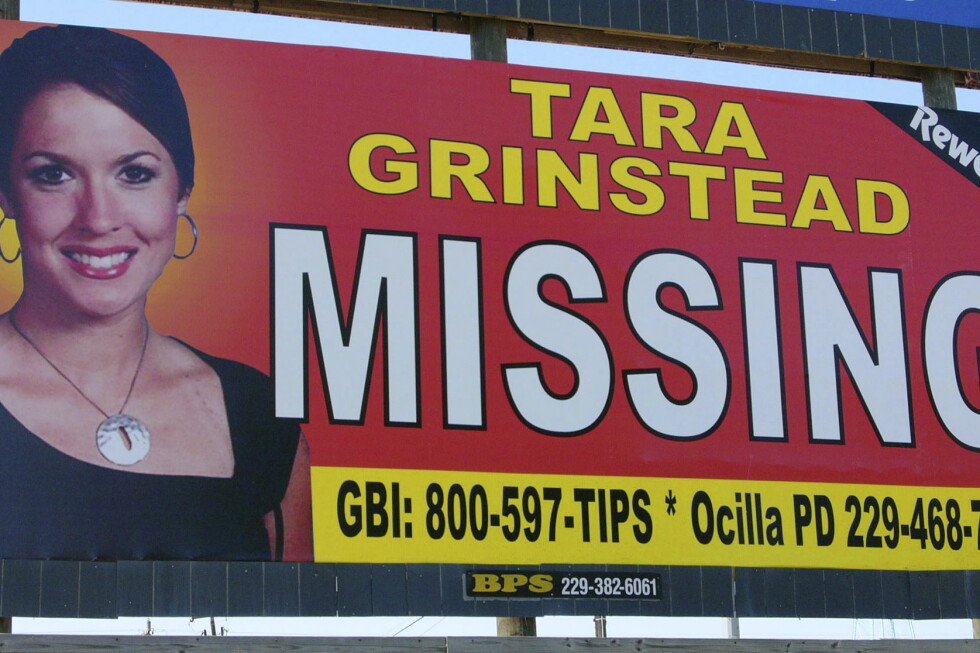
Host: Payne Lindsey | Case: The 2005 disappearance of Tara Grinstead
It is impossible to talk about podcast impact without mentioning Up and Vanished. Season 1 drew enormous attention to Tara Grinstead’s case. That attention came with an avalanche of public interest and tips, and it coincided with real investigative movement after years of stagnation.
In 2017, an arrest was made, followed by additional charges and a complicated court path. The causal role of any media project is always debated, but the mechanism is familiar to anyone who has watched a long-cold case thaw: renewed spotlight, renewed conversations, renewed willingness to talk, and investigators suddenly working in a world where the public is paying attention again.
- How it helped: Reenergized awareness and tip activity, coinciding with arrests and later prosecutions after a long period of dormancy.
- Source to verify: Georgia Bureau of Investigation case page (Tara Grinstead)
7) Your Own Backyard (2019)
Host: Chris Lambert | Case: The 1996 disappearance of Kristin Smart
This is one of the most cited modern examples of a podcast that meaningfully assisted a long-dormant case. Chris Lambert approached Kristin Smart’s disappearance with local familiarity, disciplined sourcing, and a willingness to do slow work in public.
The series helped keep attention on the case and encouraged tips, while also laying out details many listeners had never seen organized coherently. In 2021, arrests were made. In 2022, Paul Flores was convicted of Kristin Smart’s murder. Ruben Flores was later found not guilty on an accessory charge. Kristin Smart’s body has not been recovered, a painful reminder that verdicts do not always bring every kind of answer a family deserves.
- How it helped: Sustained visibility and tip momentum that accompanied arrests and courtroom outcomes, while organizing the public record into a narrative people could actually follow and act on responsibly.
- Source to verify: Los Angeles Times on the 2022 verdict
8) To Live and Die in L.A. (Season 1, 2019)
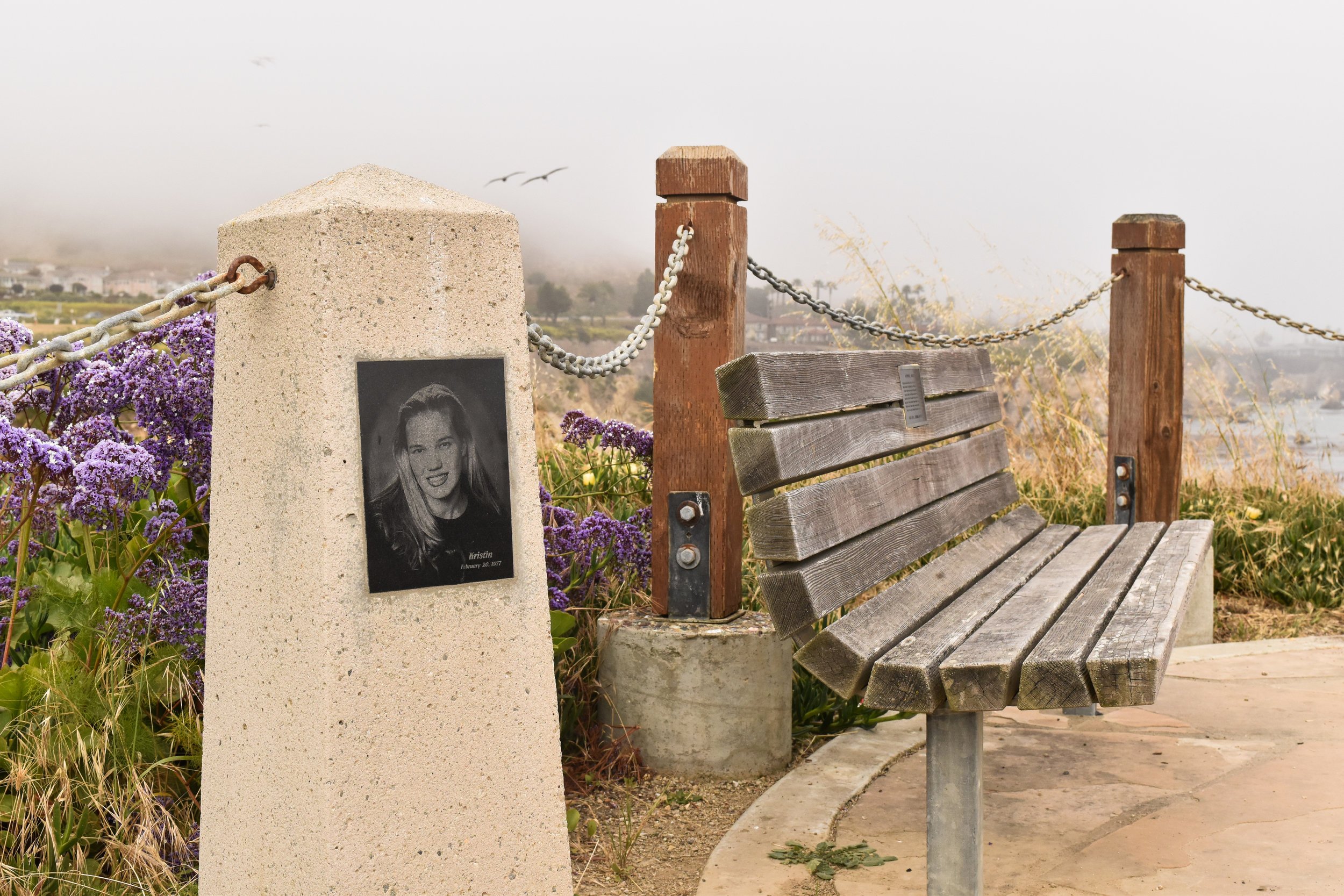
Host: Neil Strauss | Case: The disappearance of Adea Shabani
This series is tense in a way that feels almost real-time, because parts of it were. To Live and Die in L.A. followed the disappearance of Adea Shabani and the search for answers around her last known movements.
While the case developed across multiple channels, the podcast documented leads, interviews, and developments with an immediacy that kept public attention from evaporating. It is more accurate to say it chronicled and concentrated attention than to claim it directed outcomes. Sometimes the “impact” is that the record exists at all, captured while the world is still moving.
- How it helped: Created a detailed, time-stamped public narrative around a fast-evolving missing-person case, keeping urgency and visibility from fading.
- Source to verify: Rolling Stone on the podcast and case
9) The Teacher’s Pet (2018)
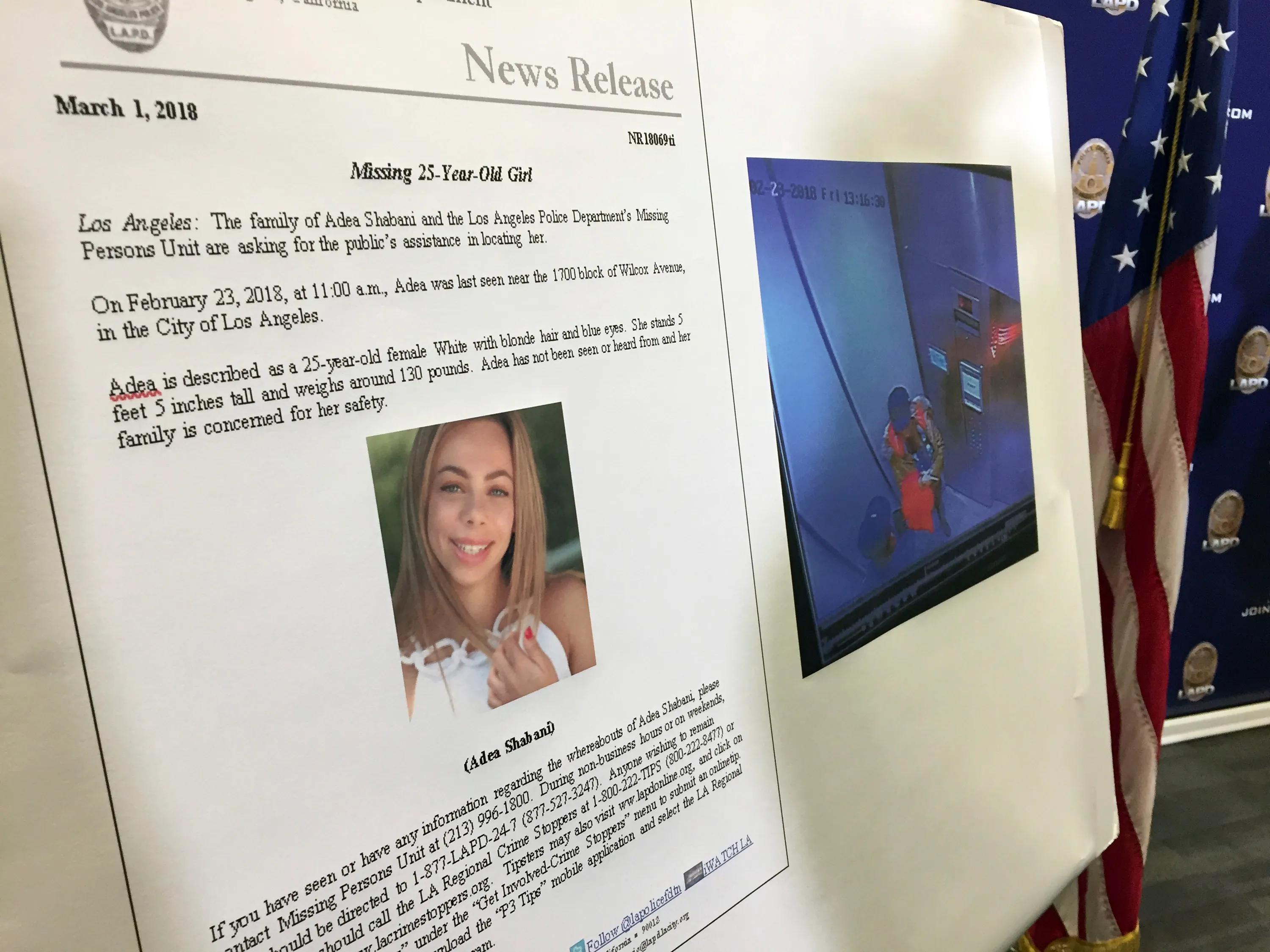
Publisher: The Australian | Host: Hedley Thomas | Case: The 1982 disappearance of Lynette Dawson
If you ever want a case study in the power of sustained, document-driven reporting, this is it. The Teacher’s Pet examined Lynette Dawson’s disappearance and the long-running allegations surrounding her husband, Chris Dawson.
The podcast’s impact was so significant it became part of a broader public reckoning in Australia around cold cases, media pressure, and the ethics of pre-trial publicity. In 2022, Chris Dawson was convicted of Lynette’s murder. Because appeals and post-trial proceedings can shift, this is a case worth checking for the latest status in current coverage. As of 2024, major outlets continued to report on ongoing legal proceedings connected to the conviction.
- How it helped: Reignited national attention and helped drive renewed investigative and legal action in a decades-old disappearance, while forcing a hard conversation about how attention and justice collide.
- Source to verify: ABC News (Australia) on the 2022 conviction
10) The Clearing (2019)
Hosts: Josh Dean and April Balascio | Case: Serial killer Edward Wayne Edwards and his possible crimes
The Clearing is as much about family trauma and accountability as it is about criminal investigation. April Balascio’s decision to speak publicly about her father, Edward Wayne Edwards, adds a complicated, human layer that most reporting simply cannot access.
The podcast surfaced personal testimony and renewed scrutiny around Edwards’ known crimes, as well as allegations about possible links to other cases. It is important to name the boundary here: some of those suggested connections remain unproven and contested. The value is in what it reveals about memory, complicity, and the long afterlife of violence, not in pretending every theory is settled.
- How it helped: Encouraged renewed examination of Edwards’ history and highlighted avenues for investigators and journalists to evaluate, while keeping speculation clearly labeled as speculation.
- Source to verify: Gimlet: The Clearing
What “helped” can mean
We love a clean ending, but the justice system rarely cooperates. When I say these podcasts “helped,” I mean at least one of the following happened in a way that is documented, attributable, or clearly aligned with renewed attention and reporting:
- New tips surfaced that investigators considered credible enough to pursue.
- Evidence was reexamined via updated forensics, genealogy, or improved case organization.
- Legal decisions shifted because weaknesses were exposed, litigated, or reviewed with fresh scrutiny.
- Witnesses reengaged after years of silence, fear, or community pressure.
- Victims were identified and named, which is its own kind of resolution.
If you are listening for impact, not just suspense, pay attention to the boring stuff. Court filings. Timelines. The difference between “rumor” and “record.” The moment a host says, “We filed a public records request,” and you can almost hear the paper trail click into place.
Listening notes
Before you press play
- Remember who the story belongs to. Victims and families are not supporting characters in a content universe.
- Be careful with amateur sleuthing. Tips should go to official channels, not comment threads.
- Check for updates. Some of these cases continue to change through appeals, rehearings, and post-trial rulings.
If you have a tip
Contact the investigating agency directly. If you are unsure who that is, look for the most recent official press release or the jurisdiction named in credible reporting. Do not post speculative accusations online. It can harm cases and people.
Where to listen
All of these series are widely available on major podcast apps. For the most current episode lists and updates, start with each show’s official site or publisher page linked above.