Every time a new true crime series drops, my DMs split into two camps. One side wants the cleanest possible chain of evidence, the full timeline, the documents, the nuance. The other wants the gut punch, the character work, the lived-in dread you feel in your bones when a story is told like a novel you can't put down.
That divide often maps onto format: scripted adaptations versus investigative documentaries. Both can be brilliant. Both can be irresponsible. And both can quietly shape what the public "knows" about a case, sometimes more than the actual court record ever did.
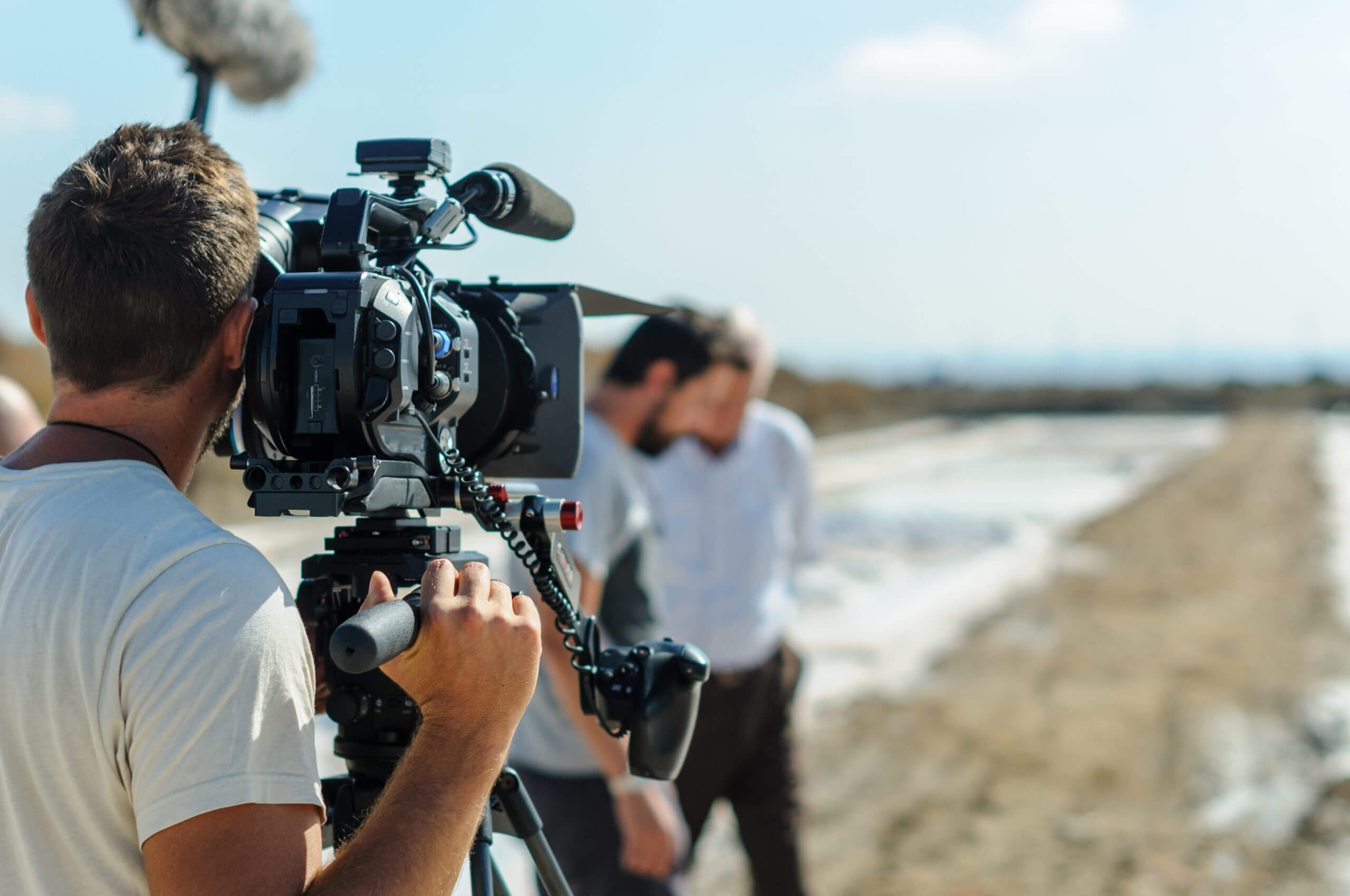
What each format is selling
Scripted sells emotional truth
Scripted true crime is built to simulate experience. It uses actors, production design, pacing, music, and dialogue to pull you inside a point of view. Even when it sticks close to known facts, it's still, at its core, an act of interpretation.
When it works, scripted can restore the humanity that gets flattened in headlines. It can show the long quiet stretches of fear, the social context around a victim, or the ripple effects on families and communities. You come away feeling like you met people, not just read about them.
Documentaries sell confidence
Documentary true crime is built to demonstrate. It leans on interviews, archival footage, contemporaneous reporting, courtroom audio, photographs, and often, a stated methodology. It also tends to be perceived as grounded in verifiable reality, and many docs market themselves that way, even when the finished product is more essay, advocacy, or argument than record.
In the best versions, documentary work offers what scripted usually can't: receipts. Not just what happened, but how we know, who disputes it, what still isn't proven, and what the record actually supports.
Emotional impact
There's a reason many viewers say a scripted adaptation "hit harder," even when they already knew the case. Scripted storytelling is engineered for emotional clarity.
- Interior life: Documentaries can interview loved ones, but scripted can inhabit a moment. A single silent scene can convey what a deposition never will.
- Coherence: Real cases are messy. Scripted adaptations can compress timelines and streamline cast lists, creating a narrative you can follow without a corkboard.
- Embodied fear and relief: Performance makes danger feel immediate. That can help audiences empathize, but it can also tip into spectacle if it's not handled carefully.
The risk is that emotional truth can masquerade as factual truth. If a scene feels real, we tend to remember it as real. That's powerful, and it's why the ethics have to be higher, not lower.

Factual rigor
If your goal is to understand a case rather than feel it, documentary is often the sturdier vehicle.
- Source transparency: When a film shows a document, plays original audio, or cites record requests, it signals how information was obtained.
- Multiple stakeholders: The strongest documentaries try to include prosecutors, defense attorneys, investigators, experts, and the people most affected. Sometimes they can't get access or participation, and that absence becomes part of the story whether a filmmaker admits it or not.
- Room for uncertainty: Some of the best doc work ends with "we don't know." Scripted projects rarely get to stop there.
But documentary isn't automatically neutral. Editing choices matter. A documentary can be as manipulative as a drama, just with a quieter vocabulary: ominous scoring, selective clips, leading questions, or a "twist" structure that treats real harm like entertainment.
The accuracy trap
How scripted misleads
Scripted true crime gets criticized for "making things up," but the more common issue is subtler: it fills gaps. Dialogue that was never recorded. Private conversations no one witnessed. A composite character who stands in for three people. A timeline tightened for momentum.
Sometimes those are reasonable storytelling tools. Sometimes they distort motive, shift blame, or accidentally create a new suspect in the public imagination. And once a version becomes the popular one, it's hard to unsee.
How documentaries mislead
Documentaries can keep every clip "real" and still build an inaccurate impression. The order of interviews, what's omitted, and whose voice is treated as authoritative can bend a viewer's conclusions.
One of my personal red flags is a doc that treats speculation as suspense. Another is a doc that presents a "big reveal" with no paper trail behind it. If the series can't show the foundation, you're being asked to feel certainty, not earn it.
Hybrids and blur lines
A lot of modern true crime doesn't stay in its lane. Docuseries use reenactments. Scripted shows flash real headlines, audio, and text on screen. Docudramas borrow the documentary voice to give dramatization a sheen of authority.
Hybrids can be excellent, but they raise one extra question: does the format make it easier for viewers to confuse dramatized moments with documented ones? If the answer is yes, the project owes you clearer labeling and cleaner sourcing.
Ethics
True crime isn't just a genre. It's a set of choices about real people who don't get to close the laptop and walk away from the story.
Consent and proximity
Documentaries often involve direct participation, which can offer agency, but it can also create pressure. Scripted adaptations can be made without a family's involvement, which may spare them retraumatizing interviews, or it may erase their preferences entirely.
Reputation as collateral
Both formats can permanently stain people adjacent to a case: witnesses, former partners, friends, jurors, investigators. Scripted tends to heighten archetypes. Documentary can amplify suspicion by simply replaying a person's worst 20 seconds on camera.
Profit and priority
The most ethical version of either format is transparent about what it knows, careful about what it doesn't, and unwilling to treat harm as a set piece. That also means practical choices: clear disclaimers, documented fact-checking, thoughtful use of composites, and a corrections posture when new facts emerge.
I always come back to the same gut check: is this story asking me to understand people, or just to consume them?
Pacing and depth
Scripted series often have tighter pacing and clearer escalation. Documentaries often have room for digressions that aren't really digressions at all; they're context: investigative failures, media narratives, community history, forensic limitations.
But both formats can overstay their welcome. A drama can stretch a case into melodrama. A documentary can stretch a case into eight episodes because a platform wants eight episodes.
The sweet spot is when the structure matches the story. A contained case with a clear arc might thrive as a limited scripted series. A case defined by conflicting evidence, institutional mistakes, or evolving information often needs documentary breathing room.
When scripted works
- The human story gets lost: If the public record is abundant but the people feel like footnotes, a careful scripted adaptation can restore dimensionality.
- The case is established: When major facts are settled and heavily documented, dramatization can explore aftermath, relationships, and societal context without inventing a new "answer."
- The goal is empathy: Some stories aren't about "whodunit" so much as how communities survive grief.
When documentary works
- The facts are disputed: If there are competing timelines, questionable confessions, or new evidence, documentary can show the seams.
- The story involves systems: Wrongful convictions, investigative bias, forensic issues, and prosecutorial decision-making benefit from documentation and expert analysis.
- You need the record: In cases where public belief has been shaped by rumor, a documentary can re-anchor viewers in what's provable.
My Case Radio test
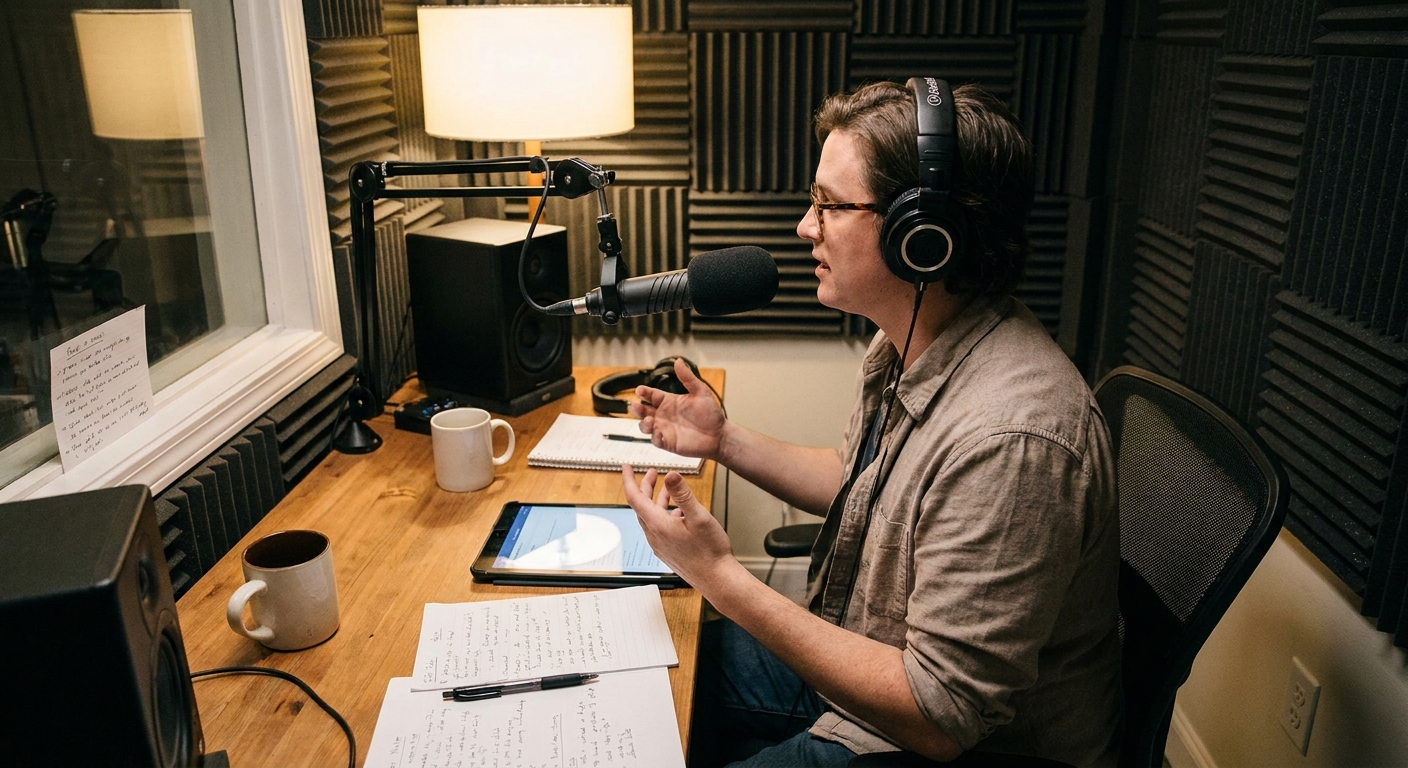
If you're new here, Case Radio is where I talk about how true crime gets made and how it lands with viewers. Whether you're pressing play on a drama or a doc, these questions help you stay a little more awake as a viewer.
- What is this story asking me to believe? And is it showing me how it knows?
- Whose perspective is centered? Victims and survivors, investigators, the accused, the media, the community?
- What is being omitted? Missing timelines, missing voices, missing alternative explanations.
- How does it handle uncertainty? Does it acknowledge it, or convert it into suspense?
- What will a casual viewer repeat as "fact" tomorrow? That's often the most consequential part.
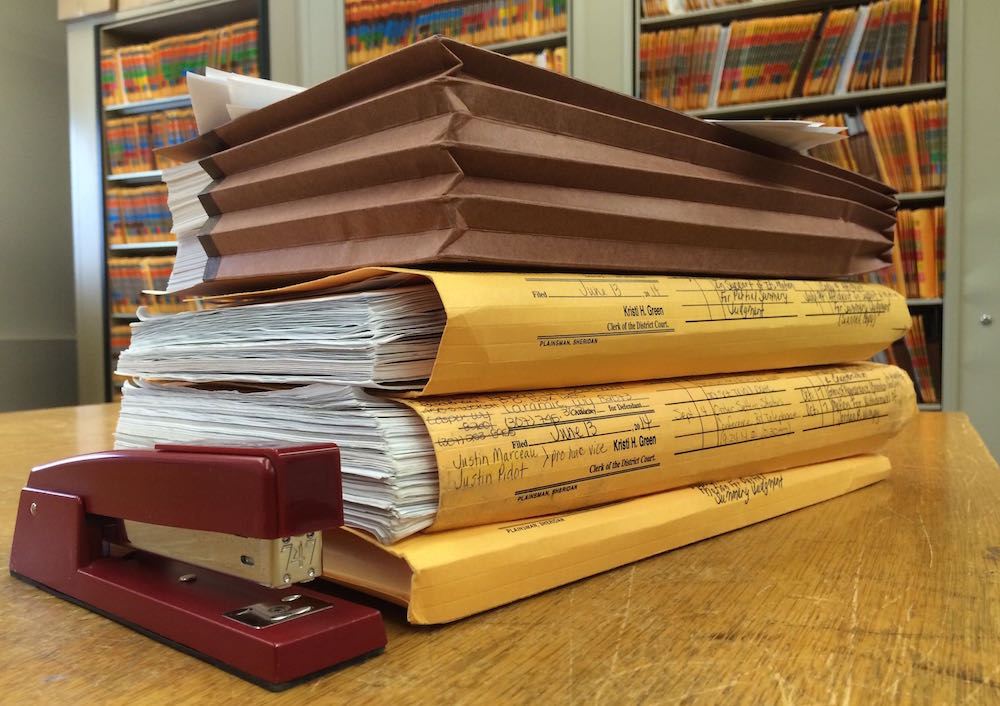
One practical move: if a claim changes how you view guilt, motive, or institutional misconduct, pause and look for a primary source. Court filings, sworn testimony, exhibits, and contemporaneous reporting will tell you fast whether you're in evidence or vibe.
So which is better?
The honest answer is that neither format owns the moral high ground or the storytelling crown. Scripted adaptations can bring empathy and intimacy, and documentaries can bring documentation and accountability. The best work in both lanes shares the same core trait: it respects the people at the center of the case and respects the audience enough to be clear about what's known, what's alleged, and what's unknowable.
If you want to feel the weight of a life interrupted, scripted may get you there faster. If you want to understand the machinery that led to a verdict, a documentary will usually do more for you. And if a piece of true crime does both, with care, you're probably watching something worth your time.
FAQ
Can scripted shows invent details?
Legally, it depends on things like defamation, privacy, and rights of publicity, and the rules can shift depending on whether the subject is living or deceased. Creatively, scripted projects often invent dialogue and compress timelines. Ethically, the question is whether those inventions change a viewer's understanding of responsibility, motive, or the harm done. This is general information, not legal advice.
Are documentaries always more accurate?
No. Documentaries can be rigorously sourced or heavily editorialized. Look for transparency: primary documents, clear attribution, on-the-record interviews, and an honest approach to uncertainty.
Which is better for victims and families?
There's no universal answer. Some families prefer documentary participation for control and advocacy. Others want privacy and oppose any adaptation. The most responsible projects in either format prioritize consent where possible, minimize sensationalism, and avoid turning real people into plot devices.