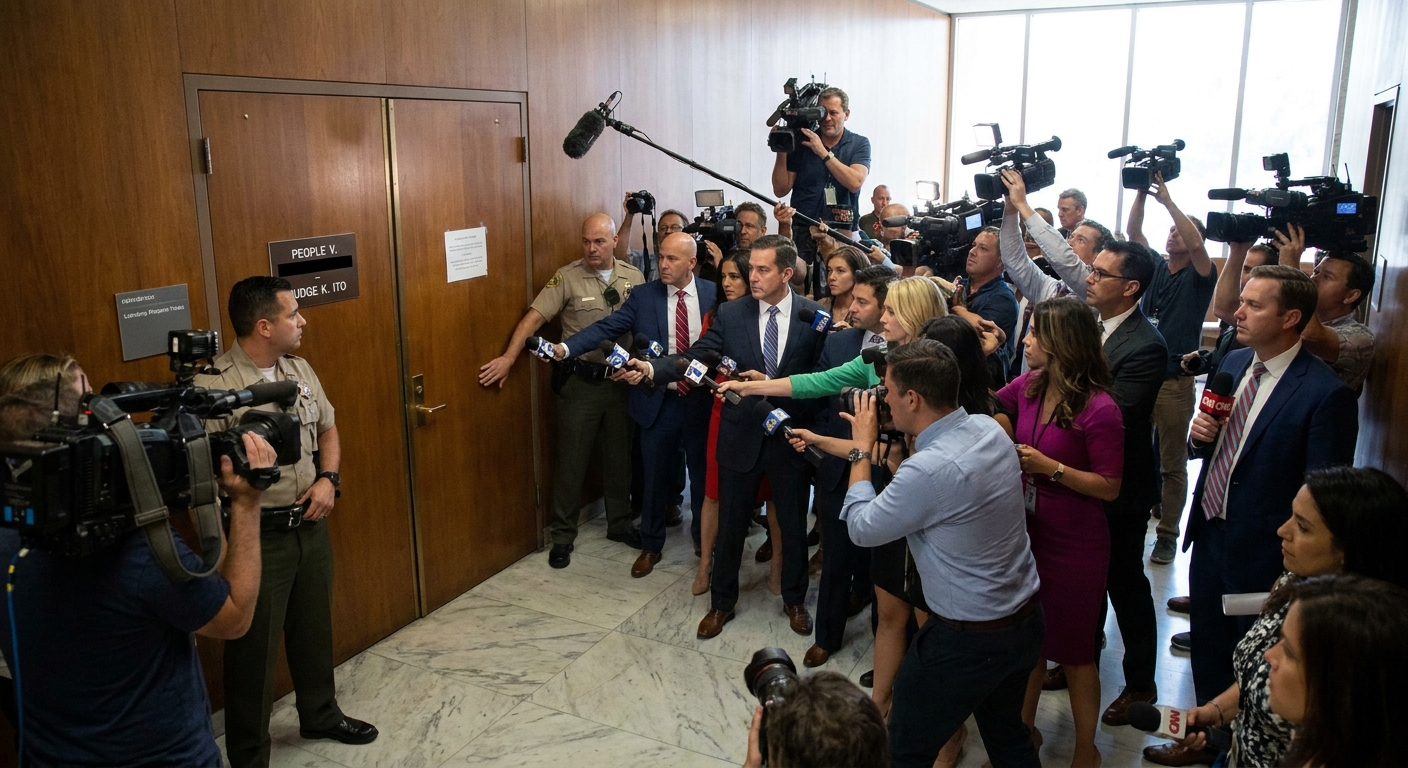
There is a moment in many streaming true crime dramatizations where you can feel the gears of entertainment engage. A detective says the perfect line at the perfect time. A clue arrives like a gift. A suspect stares into the middle distance, practically confessing with their eyes. It is compelling. It is also, very often, not how investigations actually move.
Real cases are messy on the page: timelines that double back, leads that collapse, paperwork that eats weeks, and the emotional whiplash of families living inside uncertainty. Dramatizations are built for momentum, not record-keeping. That gap is where “fact vs. fiction” lives , and it matters, because the people in these stories are not fictional characters. They are victims, survivors, families, investigators, and sometimes wrongfully accused people whose lives continue long after the credits.
One quick clarification up front: dramatizations (scripted reenactments with actors) are not the same thing as documentaries (primarily interviews and archival material), and docudramas sit in the middle. Each format has its own incentives and limitations, but scripted scenes are where the “feels true” effect most easily gets mistaken for “is true.”
Why dramatizations change real cases
If you have ever read a trial transcript or even a full probable cause affidavit, you know the truth is rarely clean. Dramatizations change details for a handful of predictable reasons, and recognizing those reasons helps you spot what is being “shaped.”
- Time compression: months or years get squeezed into a handful of days on screen.
- Character consolidation: multiple real people become one composite character, often to keep the cast manageable.
- Clear motives and clean arcs: ambiguity does not play well in episodic cliffhangers.
- Legal risk management: some details are altered to reduce liability when facts are disputed or when people were never charged.
- Production constraints: location changes, rights clearances, sealed records, and ongoing-case sensitivities can limit what can be shown or named.
- Emotional pacing: scenes are re-ordered to maximize tension, even if it muddles the real sequence of events.
None of these choices automatically make a series “bad.” But they can quietly change what viewers believe about how justice works, what evidence looks like, and how certainty is reached. Also worth clocking: those end-card notes like “some events have been dramatized” are not decorative. They are the show telling you, politely, that the scene you just watched may be an efficient story version, not the record.
The timeline problem
One of the biggest distortions in dramatized true crime is the idea that cases are solved in a fast, escalating sprint. In real investigations, time is a factor that changes witness memory, evidence integrity, media attention, and police resources.
What tends to happen on screen
- Key interviews happen back-to-back.
- Forensic results return instantly.
- Detectives stumble into breakthroughs at the exact moment the audience needs a twist.
What the real record often looks like
- Weeks between interviews because people are hard to locate, reluctant, or traumatized.
- Lab backlogs and retesting that can take weeks or months, depending on jurisdiction and workload.
- Dead ends that never make it into the show because they slow the story but dominated the actual work.
The danger of time compression is not just pedantic. It can make viewers assume incompetence or conspiracy when the real explanation is far more boring and far more common: limited staffing, overwhelmed labs, and procedures designed to prevent mistakes.
Composite characters
When a dramatization gives you a single heroic investigator who connects every dot, it is usually a narrative shortcut. In real cases, investigations are team sports: patrol officers, detectives, analysts, prosecutors, victim advocates, lab techs, and sometimes federal partners. Consolidating them into one or two faces makes storytelling easier, but it changes credit and accountability.
How composites reshape perception
- They inflate certainty: a composite investigator can appear more confident than a real team that debated every step.
- They simplify conflict: disagreements become personal drama instead of bureaucratic or evidentiary disputes.
- They shift empathy: the audience bonds with the “main detective,” sometimes at the expense of victims and families.
As a viewer, you do not need a personnel spreadsheet. But it is worth remembering that when a show makes one person the engine of the case, it is often borrowing labor, insight, and sometimes mistakes from a whole group.
Evidence edits
Dramatizations tend to treat evidence like a series of cinematic reveals. Real evidence is incremental, disputed, and frequently less “wow” than you want it to be. The most common evidence edits fall into a few buckets.
Forensics as instant truth
On screen, DNA results arrive like a lightning bolt and close the door on doubt. In real investigations, DNA can be partial, contaminated, transferred, or statistically complex. It can support a theory, not necessarily prove the story you want.
Confessions as clean endings
True confessions exist, but dramatizations can make interrogation feel like a moral monologue that inevitably leads to truth. In real life, false confessions are documented in case law and research, and the conditions surrounding admissions matter: long interrogations, sleep deprivation, minimization/maximization tactics, access to counsel, and what information was fed to the suspect.
The missing paperwork
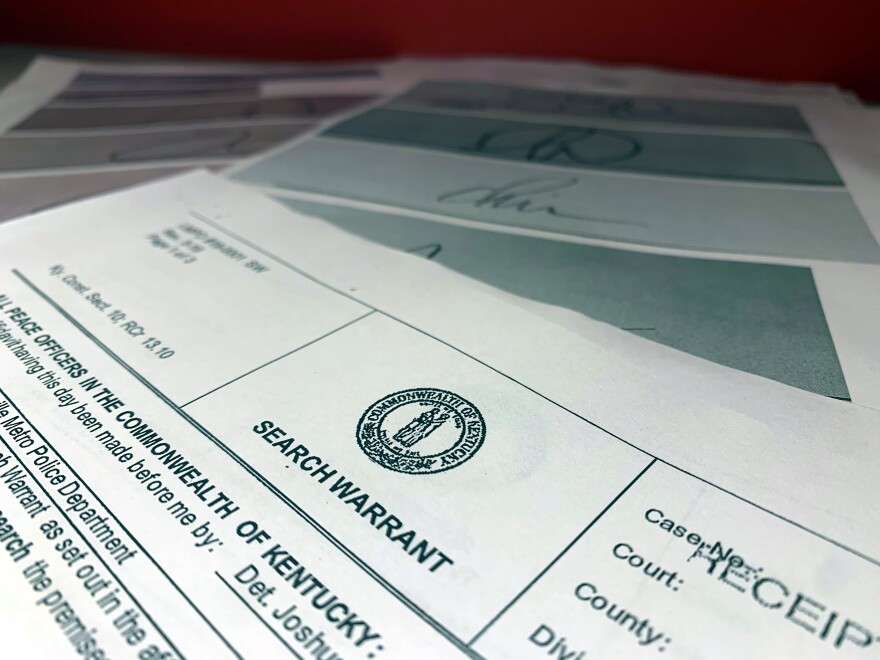
A show might hint that a warrant was obtained, but it rarely lingers on how warrants are justified, what was actually sworn to under oath, and how that framing influences everything that follows. Those documents are where many cases either become sturdy or start to wobble.
Reordered scenes
Even when individual events are real, dramatizations often rearrange them. This is one of the sneakiest changes because nothing is entirely invented; it is just repositioned. The effect is that the show creates a sense of inevitability.
- A witness interview might be moved earlier so it feels like investigators “had the answer” from the start.
- A suspect’s suspicious behavior might be shown before police even knew the person existed in the case.
- Two separate incidents might be placed on the same day to create a pressure-cooker spiral.
When you reorder reality, you also reorder responsibility. The audience learns who to blame and when, and that timing can change everything, especially in stories involving wrongful suspicion or shaky probable cause.
Centering the victim
This is where I get a little editorial for a moment, but stay with me. Dramatizations often say they are “about the case,” yet spend most of their runtime inside the minds of suspects, investigators, or journalists. Victims and their families can become emotional scenery.
Common patterns
- Victims reduced to a catalyst: we learn what happened to them, not who they were.
- Families used as plot devices: grief appears when the story needs intensity, then vanishes.
- Community context erased: issues like policing patterns, domestic violence dynamics, addiction, or poverty get flattened into “dark vibes.”
Ethical true crime does not require graphic detail. It requires accuracy, restraint, and attention to the human being at the center . If you finish a dramatization remembering the investigator’s catchphrases but not the victim’s life, something got skewed.
How investigations progress
Here is the part many dramatizations cannot afford to show: the grind. A realistic investigation includes long stretches of process designed to prevent error.
- Intake and triage: deciding what is credible, what is urgent, and what can wait.
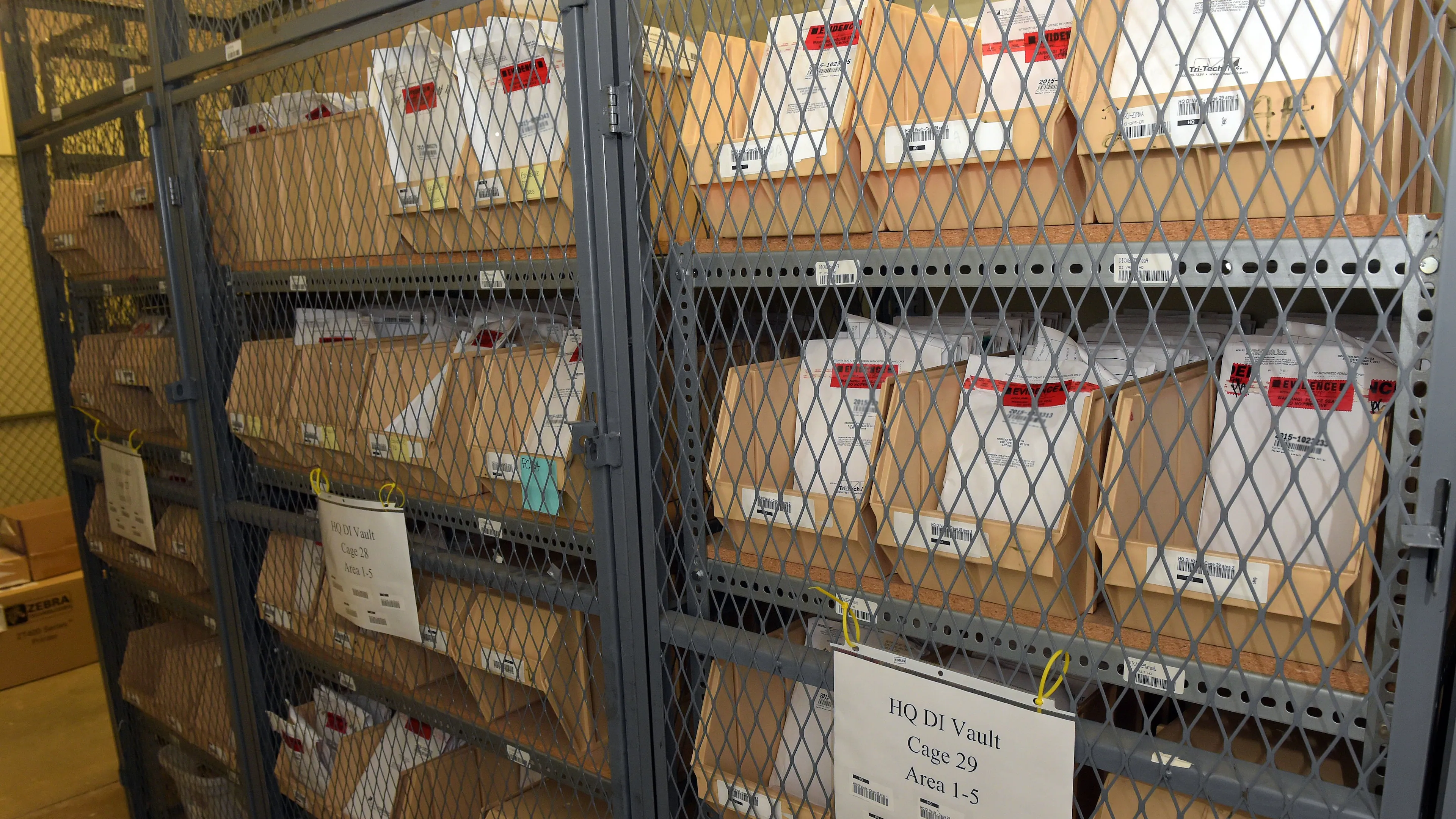
- Documentation: chain of custody, reports, supplemental reports, and updates that become the backbone of a prosecution.
- Corroboration: verifying witness claims with independent sources, sometimes repeatedly.
- Coordination with prosecutors: shaping a case that can survive motions, not just public opinion.
- Disclosure rules: managing what must be handed over to the defense and when.
And yes, sometimes the truth is simply that a case remains unsolved because evidence is thin, witnesses are afraid, or the responsible person left the area. Dramatizations often treat that as unsatisfying. For families, it is reality.
Pop culture fallout
Streaming dramatizations do not just depict cases. They create after-effects: new tips, renewed harassment, internet sleuth “suspect boards,” and sudden pressure on people who never asked to be public figures.
What can happen after a hit series
- Misidentification: viewers target the wrong people because a composite character “felt” guilty.
- Witness contamination: people reshape memories to match what they saw on screen.
- Trauma resurfacing: families relive the worst days of their lives through bingeable content cycles.
- Institutional defensiveness: agencies become less transparent if they feel they are being judged by a dramatized narrative.
None of this means audiences should stop watching. It means we should watch with our brains on, and maybe with a little more humility about what we do not know.
How to watch smarter
If you love dramatized true crime, you are not doing anything wrong. But you can protect yourself from accidental misinformation with a few small habits.
- Look for primary documents: charging documents, affidavits, appellate opinions, and trial transcripts when available.
- Read the disclaimers: end cards like “some scenes have been dramatized” usually signal invented dialogue, compressed timelines, and composite moments.
- Separate “scene truth” from “case truth”: a scene can feel emotionally true while being factually invented.
- Check what is omitted: especially alternative suspects, excluded evidence, and timeline gaps.
- Notice certainty language: “we knew,” “it was obvious,” “he had to be” is often a storytelling voice, not an investigative record.
- Be cautious with naming and sharing: if a person was not charged or was cleared, do not turn them into content .
And if you want one north star: whenever a dramatization makes something feel inevitable, that is your cue to ask, “What did they know at the time, and what did they only learn later?”
FAQ
Are Netflix true crime dramatizations reliable?
Sometimes they are reliable for the broad strokes, like the existence of a crime and certain public milestones. But reliability varies widely by production, and they are rarely reliable for precise timelines, dialogue, or the exact way evidence was discovered and interpreted. “Based on” is a wide umbrella.
Why do shows change names, dates, and locations if the case is public?
Sometimes it is legal caution, sometimes it is sensitivity, and sometimes it is narrative convenience. Changing a date can help condense a timeline. Changing a location can reduce production cost. Changing a name can also shift how identifiable a person is to casual viewers.
Do dramatizations ever help real cases?
They can. Renewed attention can generate tips, fundraising, and pressure for records release. But the same attention can also create noise, harassment, and misinformation . It is a high-impact spotlight, not a precision tool.
What is the biggest red flag that a series is taking major liberties?
When a show presents inner thoughts as facts, leans heavily on scenes with no sourcing, or offers a tidy motive where the real record is ambiguous. Real cases often resist neat explanations.
The takeaway
Netflix and other streaming dramatizations can be gripping, and sometimes they even push important conversations into the mainstream. But the real investigation is usually less cinematic and more human: slow, contested, procedural, and heavy with consequences.
If you watch these series as what they are, a story shaped for a screen, you can still enjoy the ride without losing the reality underneath. The people at the center deserve that much from us.