
There is “true crime as vibe,” and then there is true crime that actually investigates. The difference is time, receipts, and a willingness to sit with uncomfortable ambiguity. The best investigative documentaries do not just ask “what happened?” They ask “how do we know?” and “who paid the price for what we are calling entertainment?”
What I mean by investigative: these picks prioritize primary records (court filings, interviews, archival footage, documentation) and show the reporting and legal process, not just a recap of the strangest details.
Below are the most thorough and gripping investigative true crime docuseries and films streaming on Netflix as of August 2026 (US). Availability shifts by region and over time, so consider this a strong starting list, not a permanent guarantee.

1) American Murder: The Family Next Door
Format: Film (2020)
What it is: A documentary built largely from real digital artifacts, including social media posts, police body camera footage, and text messages, centered on the murders of Shanann Watts and her children, Bella and Celeste.
Why it makes this list: It is a case study in modern evidentiary storytelling, where the “paper trail” is a pixel trail. The film forces you to confront how perception gets engineered in real time, and how quickly a public narrative can harden before the full scope of harm is understood.
Viewer note: Devastating watch involving intimate partner violence and the deaths of children.

2) The Staircase
Format: Docuseries (2004; expanded editions later)
What it is: A sprawling, procedural deep dive into the death of Kathleen Peterson and the prosecution of her husband, Michael Peterson.
Why it makes this list: Few docuseries capture the long-haul churn of the justice system like this one. You see strategy, ego, doubt, and the quiet grind of post-conviction fights. It is also a lesson in how documentary access can shape what we think we are watching, which is exactly the kind of media literacy true crime needs.
Watch for: Courtroom mechanics, expert battles, and the way reasonable people can read the same facts and walk away convinced of opposite truths.
Availability note: This title has moved between platforms in some markets. If it is not on Netflix in your region, it is still worth seeking out elsewhere.
3) Making a Murderer
Format: Docuseries (2015)
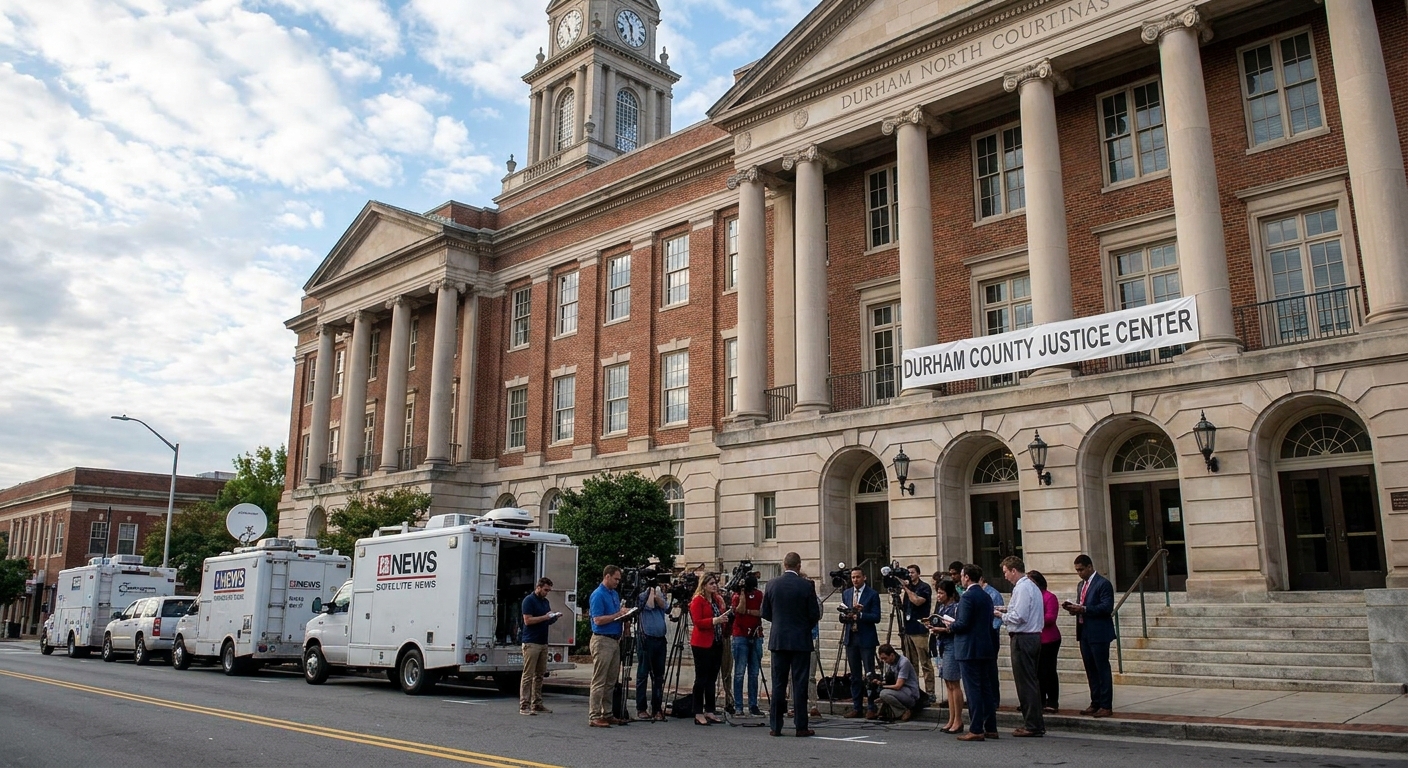
What it is: A landmark series following Steven Avery and Brendan Dassey, and the investigation and prosecution tied to the murder of Teresa Halbach.
Why it makes this list: Even if you have already seen it, it remains one of Netflix’s most influential examples of longform investigative true crime. The series does what strong investigative storytelling should do: it makes you interrogate process. Evidence handling, interrogation tactics, and institutional incentives are not side plots here. They are the engine.
Watch for: How procedure becomes a character, and how the same record can inspire radically different conclusions.
Viewer note: This case has an enormous public footprint. Pair with additional reporting and court documents if you want a fuller picture beyond the series’ framing.
4) The Keepers
Format: Docuseries (2017)
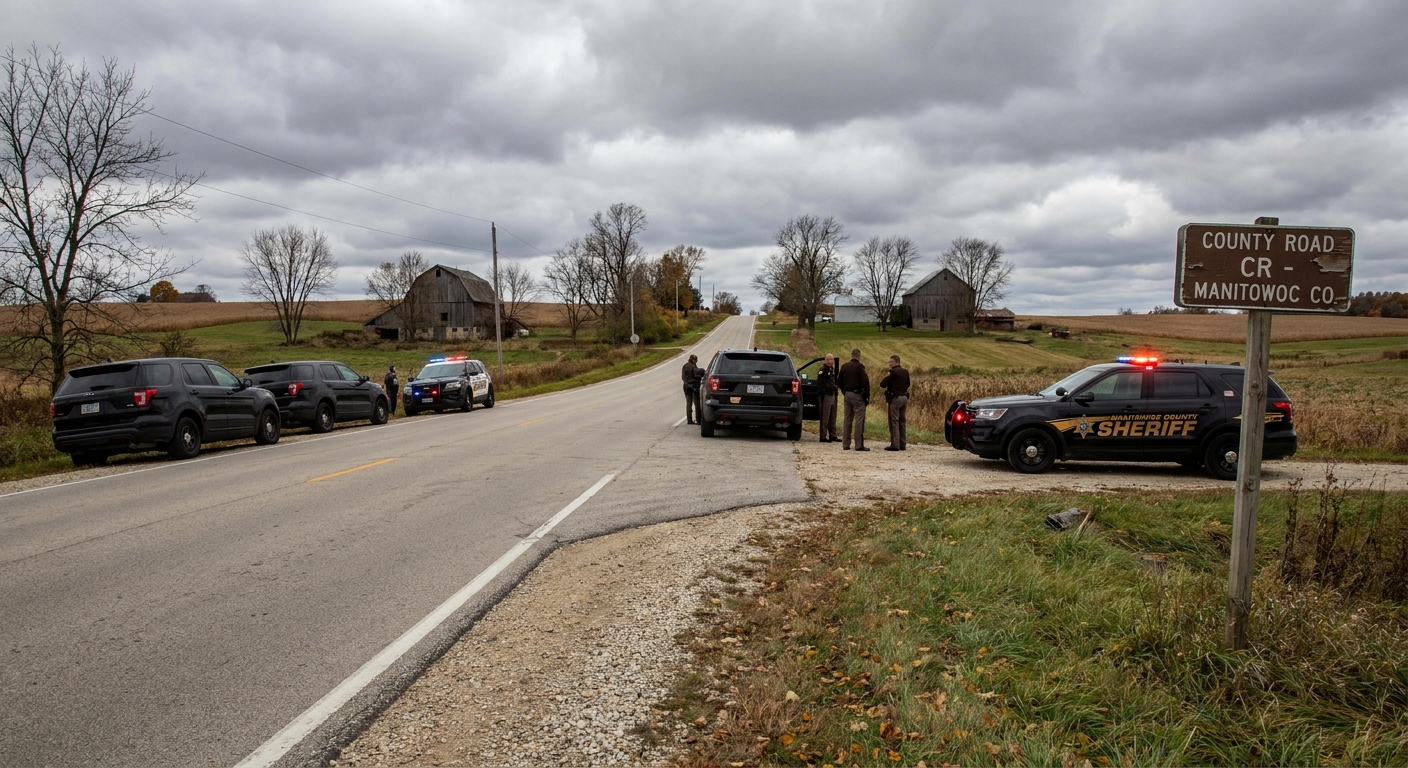
What it is: An investigation into the 1969 murder of Sister Catherine Cesnik and the broader allegations of abuse and institutional cover-up connected to her community.
Why it makes this list: The series is painstaking about survivor testimony and the long shadow of power. Its investigative strength is how it tracks patterns of silence, the cost of speaking, and the reality that “closure” is not a guarantee even when the truth is pursued relentlessly.
Viewer note: Contains accounts of sexual abuse and trauma.

5) Wild Wild Country
Format: Docuseries (2018)
What it is: A deep archival excavation of the Rajneesh movement in Oregon and the escalating conflict between the group and local residents that culminated in serious crimes.
Why it makes this list: This is investigative true crime as sociology. The series is excellent at showing how charismatic leadership, media attention, and local politics can fuse into a pressure cooker. The reporting is dense, the timeline is complex, and the story refuses to flatten people into simple heroes and villains.
Watch for: The mechanics of power, loyalty, and moral drift.

6) Evil Genius
Format: Docuseries (2018)
What it is: A twist-heavy investigation into the 2003 “pizza bomber” case in Erie, Pennsylvania, and the web of people and motives around it.
Why it makes this list: It is not just the shock factor. It is the methodical way the series maps conspiracy claims onto real investigative constraints: what police can prove, what witnesses will risk, and what communities absorb when a case becomes a spectacle. It is a strong example of how messy stories get when sensational details eclipse accountability.
Viewer note: Contains graphic discussion of a fatal bombing.

7) The Pharmacist
Format: Docuseries (2020)
What it is: A father’s investigation after his son is killed, which expands into a broader examination of pill mills and the opioid crisis.
Why it makes this list: This is investigative reporting that starts as personal grief and becomes civic work. It is meticulous about the systems that enable harm, including overprescribing, regulatory gaps, and the slow bureaucracy of consequences. It also avoids the trap of turning addiction into a moral failing, keeping the focus where it belongs: on preventable devastation and accountability.
Viewer note: Involves drug use, overdose, and violence.
8) Athlete A
Format: Film (2020)
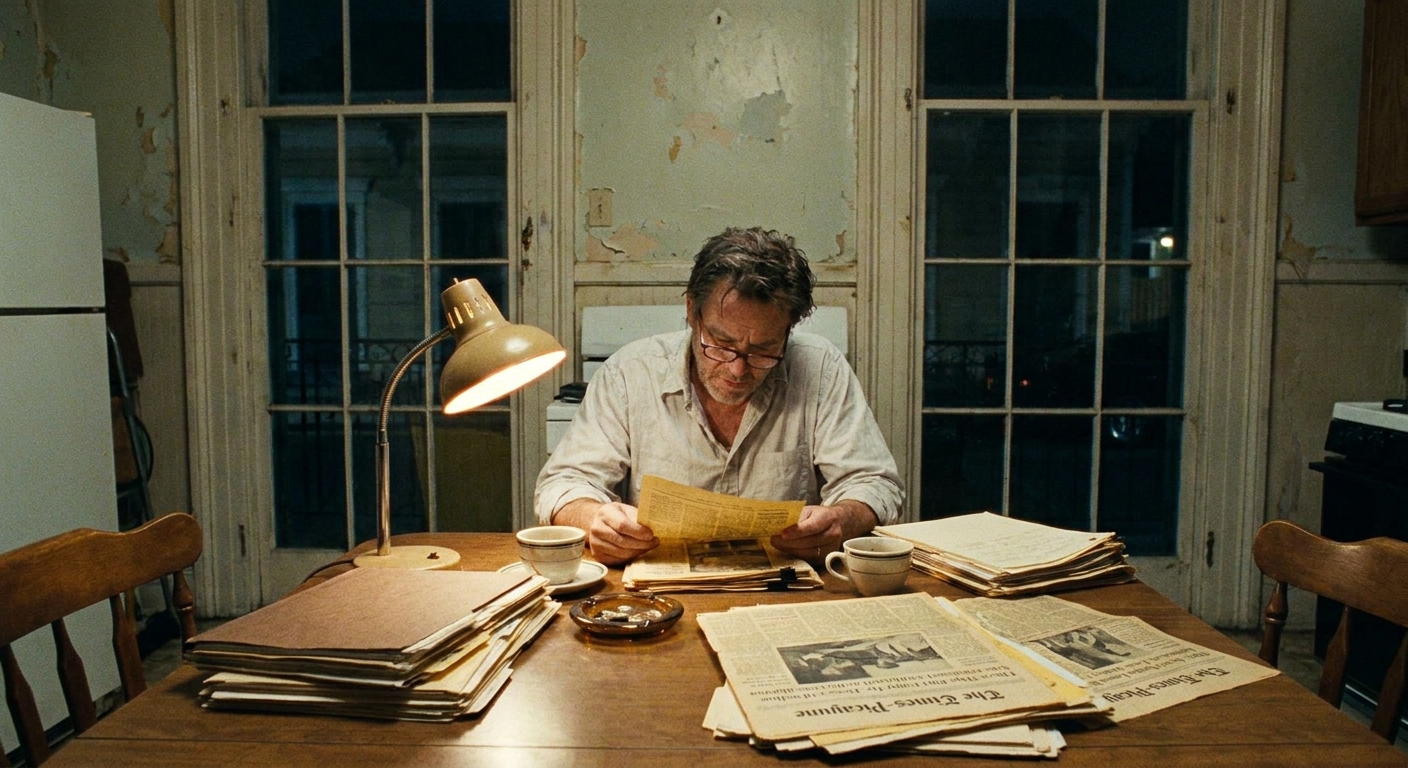
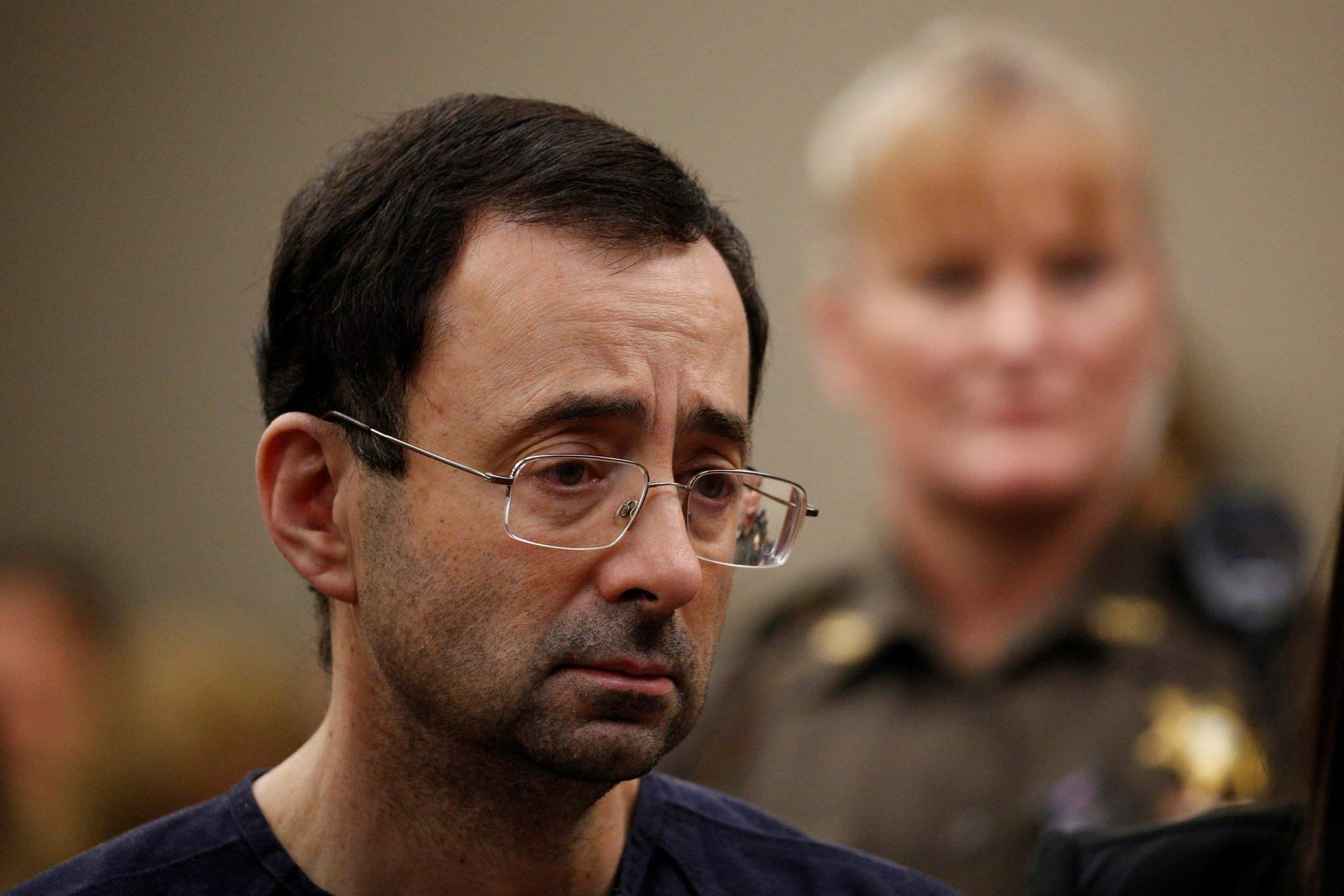
What it is: A documentary centered on the Indianapolis Star investigation and survivor testimony that helped expose sexual abuse by Larry Nassar, and the institutional failures surrounding USA Gymnastics.
Why it makes this list: It is an investigation into power and permission structures. The film is strongest when it tracks how warnings get buried, how institutions protect themselves, and why survivors so often have to become investigators just to be believed. The reporting process is part of the narrative, which makes it especially valuable for viewers who want more than a recap.
Viewer note: Covers sexual abuse and institutional betrayal.
9) The Tinder Swindler
Format: Film (2022)
What it is: A documentary about a man accused of using dating apps to defraud women, told through survivors’ accounts and financial documentation.
Why it makes this list: Scam stories can slip into punchlines. This one stays anchored in how coercion works, including social engineering, isolation, and shame. Investigatively, it is a smart primer on the paper trails behind modern fraud and the frustrating jurisdictional gaps that make accountability slippery.
Watch for: How quickly “romance” becomes leverage.

10) Don’t F**k with Cats
Format: Docuseries (2019)
What it is: A docuseries about online sleuths who attempt to identify a man linked to escalating violence, leading to the murder of Jun Lin, and the wider ecosystem of attention around the case.
Why it makes this list: It is one of the most pointed examinations of internet vigilantism and the ethics of attention. The series asks hard questions about spectacle, algorithmic amplification, and the way audiences can become part of a perpetrator’s performance. Crucially, it does not pretend message boards are law enforcement. It shows both the impulse to help and the collateral damage that can follow.
Viewer note: Contains distressing descriptions of animal cruelty and murder.
How I chose these picks
- Investigative backbone: Reporting, documentation, legal records, and clear sourcing, not just retelling.
- Ethical posture: A victim-first lens and restraint around sensational details.
- Systems, not just suspects: The best series show how institutions, culture, and incentives shape outcomes.
- Staying power: The kind of storytelling you keep thinking about after the credits.
Quick FAQ
What is the most investigative series here?
If you want process and legal complexity, The Staircase and Making a Murderer are the most procedural. If you want investigative journalism about institutional failure, start with Athlete A or The Pharmacist.
Which one is the most emotionally intense?
American Murder: The Family Next Door and The Keepers are heavy in different ways. If you are going through a tender season, consider something less intimate and more systems-focused like Wild Wild Country.
Any scam picks that still feel serious?
The Tinder Swindler stays grounded in coercion, documentation, and real-world consequences, not just the “can you believe this guy?” factor.
Are these good for true crime beginners?
Yes, with care. For a controlled on-ramp, try The Pharmacist or Athlete A first. They are investigative, but less reliant on gore or shock.
One last couch-side reminder: If a title starts feeling like it is asking you to root for harm, it is okay to tap out. The best investigative true crime should leave you more curious about justice than hungry for twists.