There is a version of true crime fandom that treats a case like a puzzle box and the people inside it like pieces. And then there is the rarer, harder version, where a series does what local reporters, exhausted families, and overworked detectives have been begging for: it puts attention back on a file that never should have gathered dust.
When people say a documentary “reopened” a case, it can mean a few different things. Sometimes it is literal, like a prosecutor formally reassessing evidence. Sometimes it is functional, like tips pouring in, witnesses calling back, or a lab finally agreeing to test something that sat untested for years. The through-line is this: the camera becomes a crowbar, prying open a door that power, bureaucracy, or time tried to shut.
Below are five docuseries and feature docs that did more than recap a tragedy. They changed the temperature of the room around a cold or stalled case, and in some instances helped move it toward accountability.
1) The Jinx (HBO)
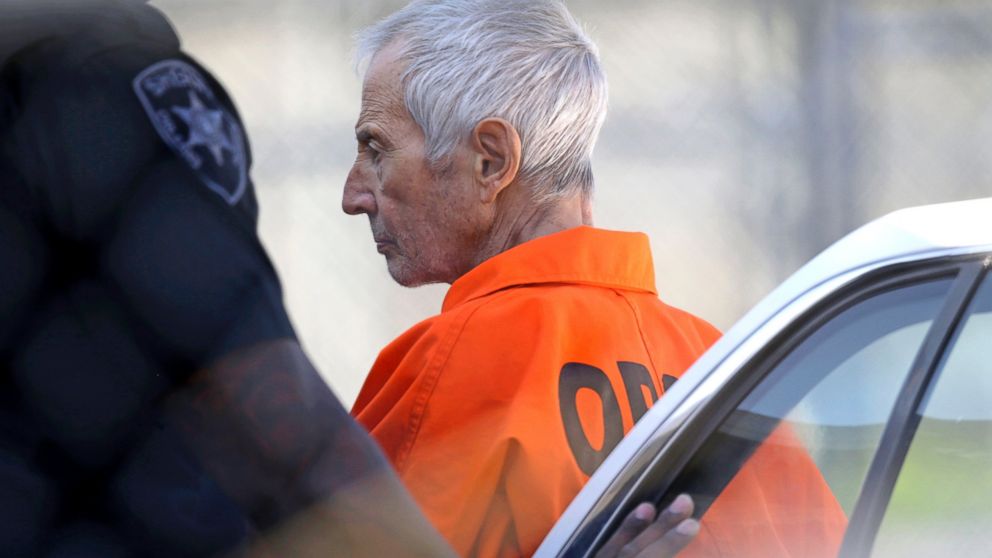
If you only know The Jinx as “the one with the hot mic confession,” it is worth slowing down and remembering what actually happened around that moment. Director Andrew Jarecki and his team spent years investigating real estate heir Robert Durst and the suspicious deaths tied to his orbit, including the 1982 disappearance of his wife, Kathleen McCormack Durst.
How it cracked the door open
- New evidence spotlighted: The series examined handwriting and a key piece of mail related to the 2000 murder of Susan Berman, a longtime Durst confidante.
- Pressure on officials: By putting inconsistencies and investigative gaps on screen, it renewed scrutiny on cases that had lingered for decades.
- Real-world legal impact: Durst was arrested in 2015 on the eve of the finale. The series became part of a broader momentum that led to his 2021 conviction for Berman’s murder (later upheld on appeal).
Why it matters: The Jinx is a case study in how a doc can function almost like parallel reporting, not replacing law enforcement, but forcing dormant questions back into public record.
2) Paradise Lost: The Child Murders at Robin Hood Hills (HBO)
The murders of three eight-year-old boys in West Memphis, Arkansas, in 1993 became a flashpoint for the era’s “Satanic Panic” anxieties. Paradise Lost did not just document a trial. It interrogated how a community’s fear can harden into certainty, and how that certainty can shape a prosecution.
How it helped unfreeze the story
- Public attention over time: The first film was followed by sequels that tracked evolving evidence and shifting narratives for years, keeping the case in the national conversation.
- Support for re-examination: The sustained spotlight helped fuel advocacy, fundraising, and legal efforts focused on forensic review and potential alternative suspects.
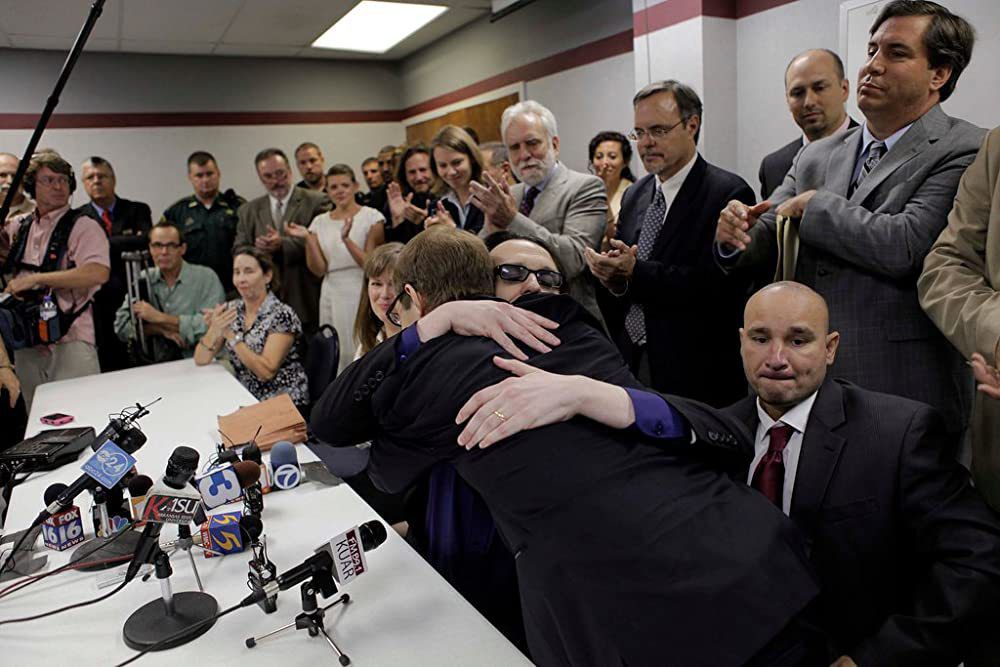
- Legal outcome: In 2011, Damien Echols, Jason Baldwin, and Jessie Misskelley were released after entering Alford pleas, which allowed them to maintain innocence while acknowledging the state’s evidence could likely convict.
Why it matters: It is impossible to isolate one documentary as “the reason” for a legal outcome, but Paradise Lost is one of the clearest examples of a film series serving as a long-term accountability engine, especially when the case has become culturally radioactive.
3) The Thin Blue Line (1988)
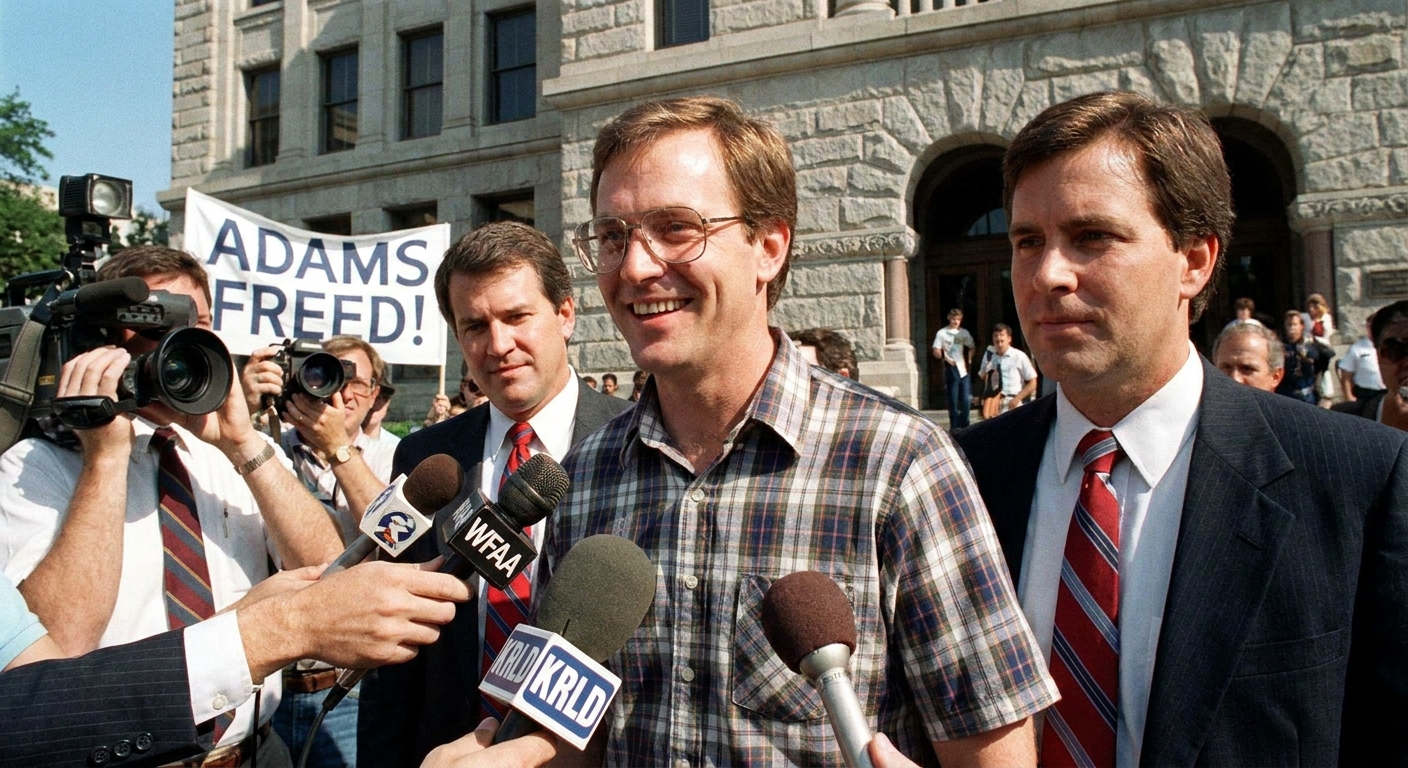
Errol Morris’s The Thin Blue Line is practically a sacred text in documentary circles, and not just because of its style. It revisited the 1976 murder of Dallas police officer Robert W. Wood and the conviction of Randall Dale Adams, who maintained he was innocent.
How it affected the case
- Witness scrutiny: The film exposed contradictions in testimony and raised questions about the reliability of key witnesses.
- New momentum: Its reporting helped drive public and legal reconsideration, drawing attention to flaws that had been flattened in earlier coverage.
- Legal impact: Adams’s conviction was ultimately overturned, and he was released in 1989.
Why it matters: This is the blueprint for what people now hope for when they press play on an investigative doc. Not vibes, not theories. A disciplined re-examination that makes it harder for a bad conviction to stay comfortable.
4) Who Killed Garrett Phillips? (HBO)
In 2011, 12-year-old Garrett Phillips was found murdered in his Potsdam, New York apartment. The case became entangled with small-town politics, scrutiny of police decision-making, and the intense public focus placed on a single suspect, Oral “Nick” Hillary, who had been dating Garrett’s mother and was later charged and put on trial.
The series also examines what can happen when an investigation narrows too fast, including questions about whether other plausible leads were handled with the same urgency, among them John Jones, a local deputy and the mother’s former boyfriend, who the documentary argues was problematically under-investigated.
How the series changed the conversation
- Reframing the investigative record: The series laid out timelines, interviews, and decision points that viewers could evaluate with a clearer sense of what was known and when.
- Spotlight on prosecutorial choices: It examined how a case can stall when the central theory collapses, and how that collapse can still leave reputational wreckage behind.
- Broader impact: While it did not “solve” the murder, it pushed the story beyond a single narrative, encouraging renewed public engagement and scrutiny of investigative steps that may have limited leads.
Why it matters: Reopening is not always a dramatic courtroom reversal. Sometimes it is the painstaking work of pulling a case back from tunnel vision, making room for other possibilities that should have been on the table all along.

5) The Keepers (Netflix)
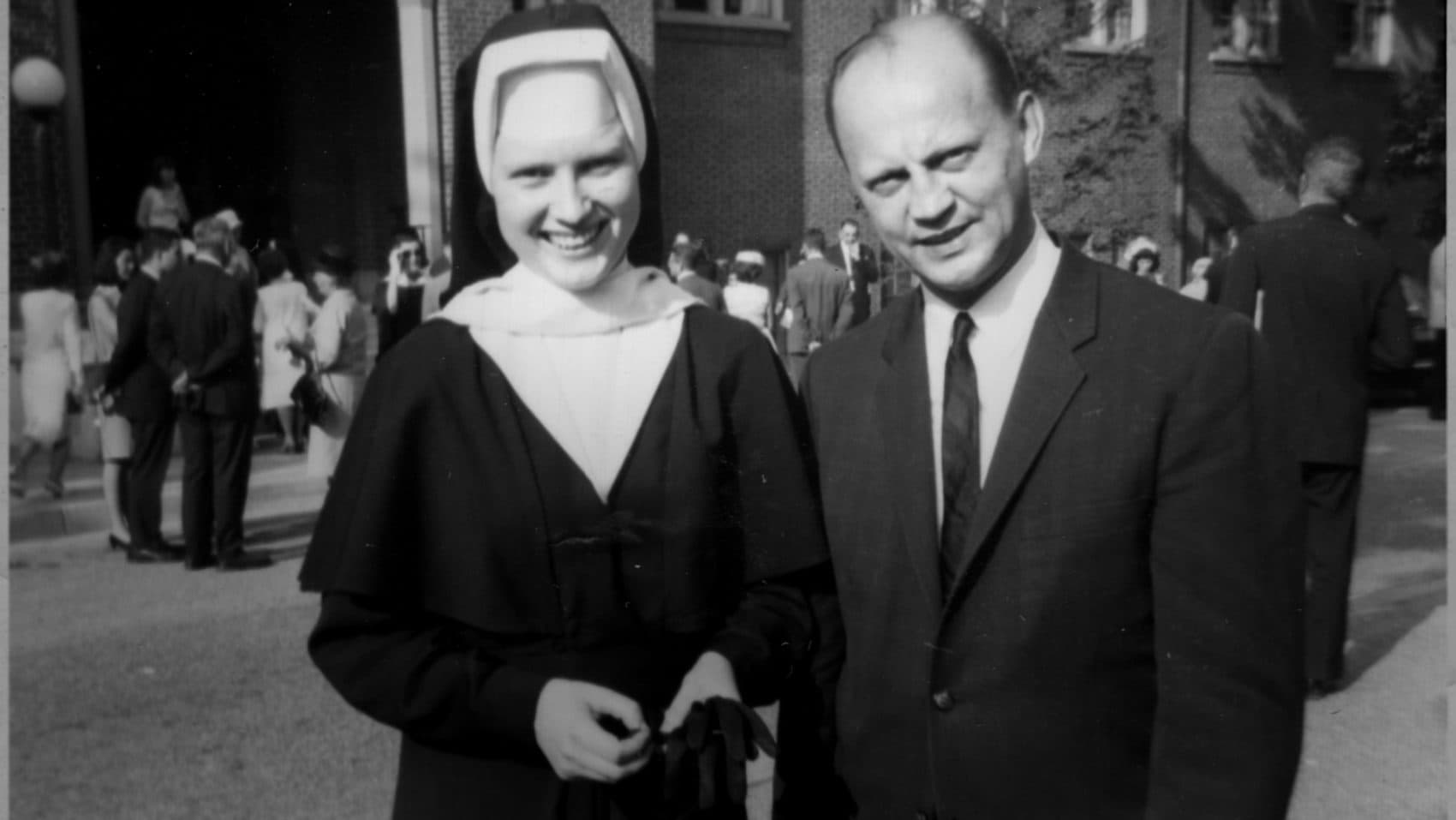
The Keepers begins with the 1969 disappearance and murder of Sister Catherine Cesnik, a Baltimore nun and teacher. But the series expands into something even more unsettling: allegations of abuse, institutional silence, and the long tail of trauma carried by survivors.
How it reopened lines of inquiry
- Witnesses and survivors centered: The series gave substantial space to voices that were historically minimized, which in turn encouraged additional people to come forward with information.
- Public pressure: It renewed attention to Cesnik’s homicide investigation and to broader questions about institutional accountability.
- Legal and investigative ripple effects: While Cesnik’s murder remains unsolved, the series amplified calls for renewed review of records, and it contributed to wider conversations about how abuse allegations are handled and investigated.
Why it matters: Not every case gets a neat “after” photo. But The Keepers shows what reopening can mean when the truth is fragmented across decades and held inside people’s bodies as much as it is inside file cabinets.
What “reopening” looks like
Docuseries do not have subpoena power. They cannot compel a reluctant witness or force a lab to prioritize a backlog. But they can do three things extraordinarily well when handled responsibly.
- Create a centralized record: A careful series synthesizes public documents, interviews, and timelines in a way that makes it easier for new eyes to spot contradictions or missing pieces.
- Generate tips: Attention can reach the one person who always thought their information was “too small” to matter.
- Shift incentives: When a case becomes a public accountability question, institutions sometimes find the resources and urgency they previously claimed were impossible.
There is also a risk here, and we should name it plainly. Attention can turn predatory. It can distort memories, encourage harassment, or reduce a life to a cliffhanger. The best investigative docs understand that the goal is not to win an argument on the internet. It is to get closer to the truth without leaving more damage behind.
How to watch ethically
I am not here to scold anyone for loving the genre. I love it too, which is exactly why I think it is worth watching with care.
- Follow the victims, not just the twists: Notice whose perspective is centered and whose is treated like background.
- Be cautious with amateur “suspect hunting”: Sharing speculation can become real-world harm fast, especially in smaller communities.
- Look for reporting, not vibes: Strong docs show their sourcing, acknowledge what they do not know, and avoid implying certainty where none exists.
FAQ
Do documentaries really reopen cold cases?
Sometimes. The most direct impact tends to come from new leads, renewed media attention, or a spotlight that pushes officials to re-test evidence or re-interview witnesses. But “reopened” can also mean a case is publicly reconsidered even if no formal announcement is made.
Which docuseries had the biggest legal impact?
In this list, The Thin Blue Line is closely tied to a wrongful conviction being overturned, and The Jinx directly preceded Robert Durst’s 2015 arrest and later conviction for Susan Berman’s murder. Paradise Lost helped sustain years of attention that culminated in the West Memphis Three’s release via Alford pleas.
Are there downsides to true crime docs getting involved?
Yes. They can oversimplify timelines, encourage harassment, and harden viewers into certainty without full access to evidence. Ethical filmmaking and ethical viewing both matter, especially when real people are still living with the consequences.