There is a particular kind of true crime documentary that makes my court archivist brain purr: the one that shows its work. Not the montage of ominous music and blurred faces, but the receipts. The timeline. The uncomfortable questions about why smart, kind, ordinary people end up inside systems that steadily reorganize their reality.
This guide is for that kind of viewing. Docuseries that bypass the carnival barker voice and instead lay out what happened, how it happened, and what it cost. These picks are not just about “look how weird this was.” They are about power, coercion, belonging, and the everyday gears of control.
What makes a cult docuseries worth it
Before we hit play, it helps to name what separates investigative work from glossy spectacle. The best series in this lane tend to share a few traits.
- Survivor-centered reporting: People who lived it are treated as sources with agency, not props for a twist.
- Documented claims: Court records, contemporaneous footage, internal documents, and on-the-record interviews carry the weight.
- Systems, not just villains: Yes, leaders matter. But so do enablers, institutions, and the social conditions that make recruitment possible.
- Psychological clarity: Coercive control is explained in human terms: love bombing, isolation, fear, sunk cost, identity fusion.
- Ethical restraint: Sensitive details are contextualized, not lingered on for shock value.
Best investigative cult docuseries
The Vow (Max)
Why it belongs here: The Vow is a long, sometimes frustrating watch in the way real-life deprogramming is frustrating. It captures the slow realization that “self-improvement” language can be a delivery system for coercion. The reporting lives inside the NXIVM ecosystem, with a heavy emphasis on how loyalty is manufactured and how doubt is punished.
What it reveals: The ordinary rhythm of control. The way jargon becomes a fence. The interpersonal wreckage that comes from turning every relationship into an “ethical” test.
Watch if you want: A deep look at how intelligent adults rationalize, compartmentalize, and then finally confront what they helped uphold.
Seduced: Inside the NXIVM Cult (Starz)
Why it belongs here: If The Vow is the slow panorama, Seduced is the close-up. It is structured around India Oxenberg’s experience and the specific, gendered mechanics of NXIVM’s inner circle.
What it reveals: Recruitment through intimacy, the use of shame as glue, and how “consent” language can be weaponized when options are engineered.
Content note: Includes discussions of sexual coercion and abuse.
Heaven’s Gate: The Cult of Cults (Max)
Why it belongs here: Many Heaven’s Gate treatments get stuck on the aesthetics. This one stays with the people. Former members speak with a steadiness that is both haunting and grounding, which is exactly what careful storytelling can do.
What it reveals: How isolation and a shared metaphysical story can become a substitute family. Also, how pop culture images can eclipse the quieter truth: most members were searching for belonging and meaning, not “weirdness.”
Watch if you want: A compassionate look at faith, surrender, and the psychology of leaving.
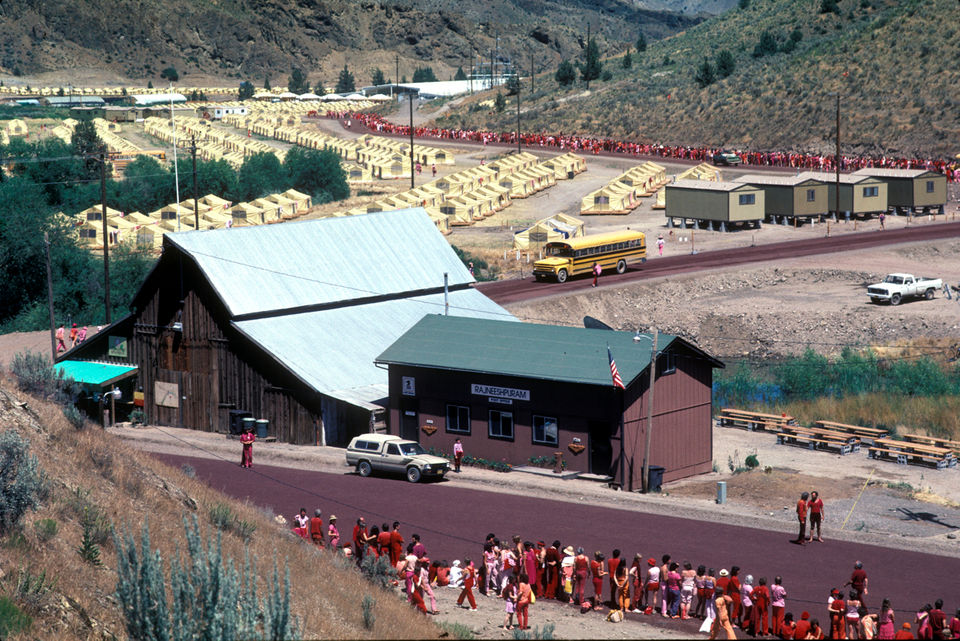
Wild Wild Country (Netflix)
Why it belongs here: Noted for its archival storytelling, this series shows how a movement can collide with local politics, fear, and media framing until everyone is radicalized in their own direction.
What it reveals: Power can look like a meditation hall. It can also look like voter rolls, zoning battles, and a community deciding who counts as “us.”
Watch if you want: A cult story where the question is not “who is the villain,” but “what happens when ideology meets infrastructure.”
Leah Remini: Scientology and the Aftermath (A&E)
Why it belongs here: This series is less about cinematic mood and more about testimonial accumulation, which is often what truth looks like in the aftermath of coercive environments. Episode after episode builds a record.
What it reveals: Disconnection policies, fear-based compliance, and how an organization can use internal justice systems to prevent external accountability.
Watch if you want: Survivor advocacy that functions like a public archive.
The Way Down: God, Greed, and the Cult of Gwen Shamblin (Max)
Why it belongs here: This series interrogates the intersection of diet culture, evangelical authority, and charisma. It avoids reducing Gwen Shamblin to hair and spectacle, focusing instead on how spiritual language can be used to discipline bodies and relationships.
What it reveals: The pipeline from self-control to control of others, and how “accountability” can become surveillance.
Content note: Includes discussions of emotional abuse and family estrangement.
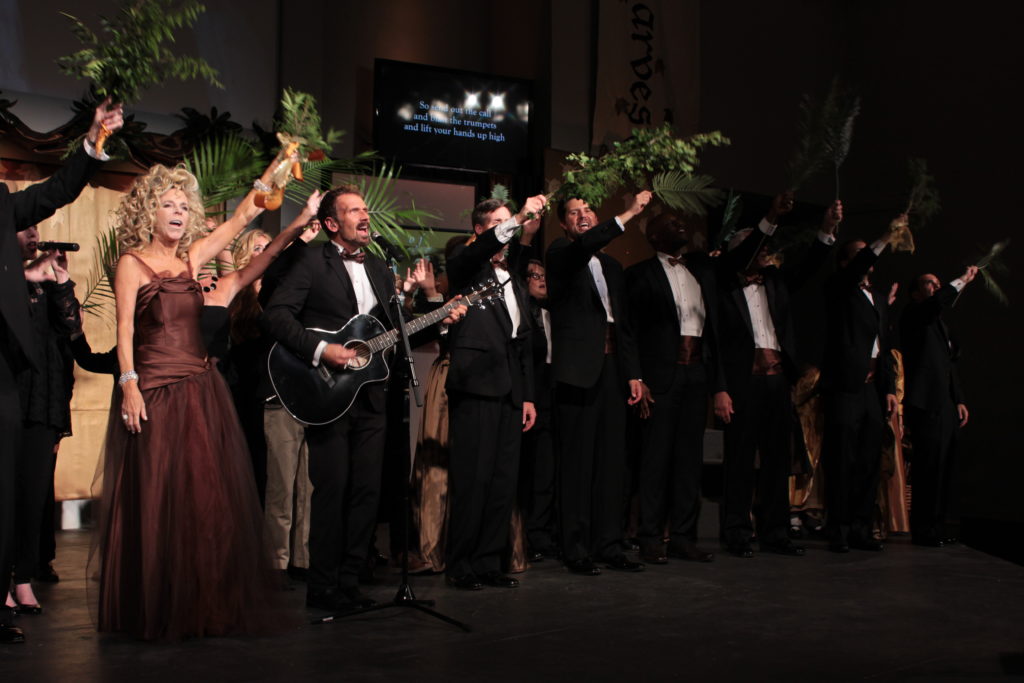
Keep Sweet: Pray and Obey (Netflix)
Why it belongs here: For many viewers, this is one of the clearer mainstream explanations of how coercive control operates across generations. The series uses investigative reporting and historical context to show how abuse can be normalized when it is framed as doctrine.
What it reveals: The role of secrecy, obedience training, and community enforcement, especially when the outside world feels like an existential threat.
Content note: Includes discussions of sexual abuse and child exploitation.
Escaping Polygamy (A&E)
Why it belongs here: Not a traditional prestige docuseries, but an important piece of the ecosystem because it follows practical extraction and support. The focus is on logistics, safety planning, and the reality that leaving is a process, not an episode-ending reveal.
What it reveals: How control survives through housing, employment, family ties, and fear of retaliation.
Watch if you want: A look at what “help” actually entails when someone has no paperwork, no money, and no safe social network.
Availability note: Streaming rights for this series move around by platform and region. If you cannot find it on A&E’s current lineup, check major rental platforms or your local library’s digital catalog.
Beyond the cult label
Not every high-control environment has a compound, a uniform, or a single leader on a throne. Some are networked, commercial, and algorithm-friendly. The docuseries below are useful because they show how manipulation travels in modern packaging.
The Deep End (Hulu, U.S.)
Why it belongs here: A close look at a contemporary spiritual influencer and the way harm can be reframed as “growth.” It is a study in how community language can be used to blur boundaries, especially when a brand is involved.
What it reveals: The soft power of wellness culture, where “healing” can become a shield against critique.
Unwell (Netflix)
Why it belongs here: Not strictly cult-focused, but essential for understanding the marketplace of belief. Several episodes illustrate how desperation, chronic illness, and distrust in institutions create openings for grifters and high-control groups.
What it reveals: The economics of hope, and how community can form around claims that are not testable but deeply felt.
Also worth your time
If you want to round out the field beyond the usual suspects, these are good supplements.
Going Clear: Scientology and the Prison of Belief (film)
Why it belongs here: Not a series, but a rigorous, widely cited adaptation of Lawrence Wright’s reporting. It is useful as a primer on structure, policy, and how belief can be formalized into a compliance engine.
Stolen Youth: Inside the Cult at Sarah Lawrence (Hulu, U.S.)
Why it belongs here: A tight, disturbing example of how coercive control can take hold without a big organization behind it. It keeps attention on patterns, not just personalities.
Holy Hell (film)
Why it belongs here: A firsthand account of life inside a spiritual community, told through extraordinary footage captured from within. It is a sharp case study in how charisma, art-making, and “family” language can be used to keep people orbiting harm long after the first red flags appear.
How to watch ethically
I know. “Ethically” can sound like homework. But it is honestly just a few couch-friendly habits that make you a better viewer and a less useful audience for exploitation.
- Follow survivor voices off-screen: If a participant has a memoir, a verified platform, or directs you to a nonprofit, consider listening there too, not just to the streaming edit.
- Notice what is missing: Does the series name institutions, policies, and gatekeepers, or does it act like the leader appeared from fog?
- Resist the “how could they” reflex: The more useful question is “what needs did this group promise to meet, and how did it punish people for needing them?”
- Do not turn viewers into a mob: Avoid doxxing, harassment, and amateur manhunts for rank-and-file members. Accountability is not the same thing as spectacle.
- Support accountability journalism: When a doc cites court records and local reporting, seek out that reporting. It is often where the real labor lives.
FAQ
What is the most accurate docuseries about a modern cult?
Accuracy is a combination of sourcing and framing. For modern high-control groups, Seduced and Leah Remini: Scientology and the Aftermath are strong picks for their survivor testimony and emphasis on documented patterns. For broader social context and archival rigor, Wild Wild Country remains among the most carefully constructed series in the genre.
Which cult docuseries are least sensational?
Heaven’s Gate: The Cult of Cults is notably restrained and humane. The Vow is also relatively patient, sometimes to a fault, and spends more time on mechanisms than shock.
Are these shows suitable if you are sensitive to graphic content?
Most of these series are not graphic in the gore sense, but several include discussions of sexual coercion, spiritual abuse, and harm to minors. If you are feeling sensitive, start with Wild Wild Country or Heaven’s Gate and read episode summaries before watching series like Keep Sweet: Pray and Obey or Seduced.
If you have a docuseries you want me to vet for rigor versus hype, send it my way. My love language is a well-sourced timeline and a narrator who does not confuse cruelty for intrigue.