Nearly a decade is long enough for a piece of true crime media to either fossilize into a time capsule or reveal itself as a turning point. HBO’s The Jinx: The Life and Deaths of Robert Durst is the rare series that feels even more consequential with distance. Not because it was the first glossy, bingeable crime doc, and not because Robert Durst was the first wealthy eccentric to attract cameras, but because the show fused storytelling with live investigation in a way that shifted what “true crime entertainment” could be.
But the real question is messier, and it is the one I keep circling back to when I rewatch those episodes with a notebook in my lap: did The Jinx change true crime for the better, or did it open a door we are still learning how to walk through responsibly?
The case
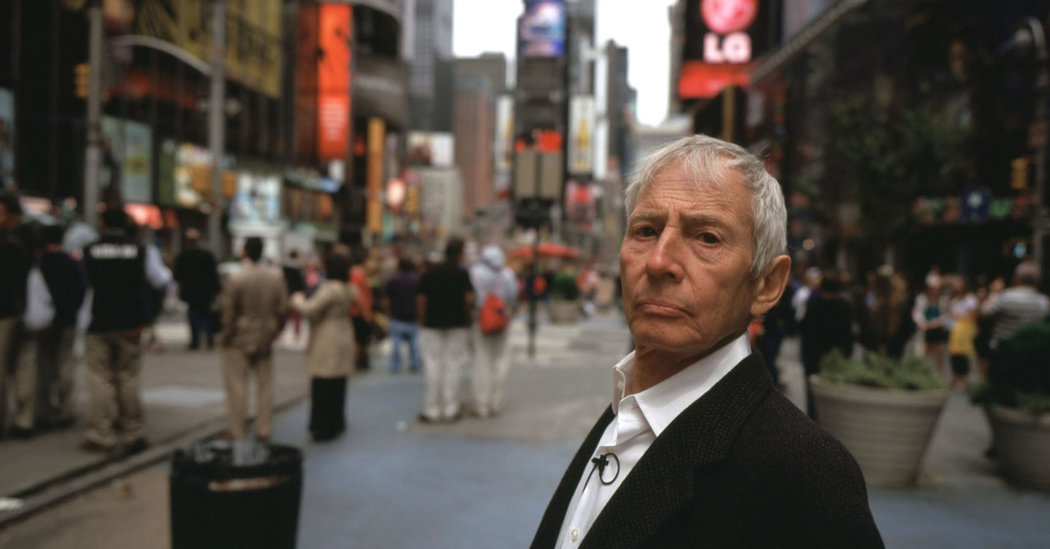
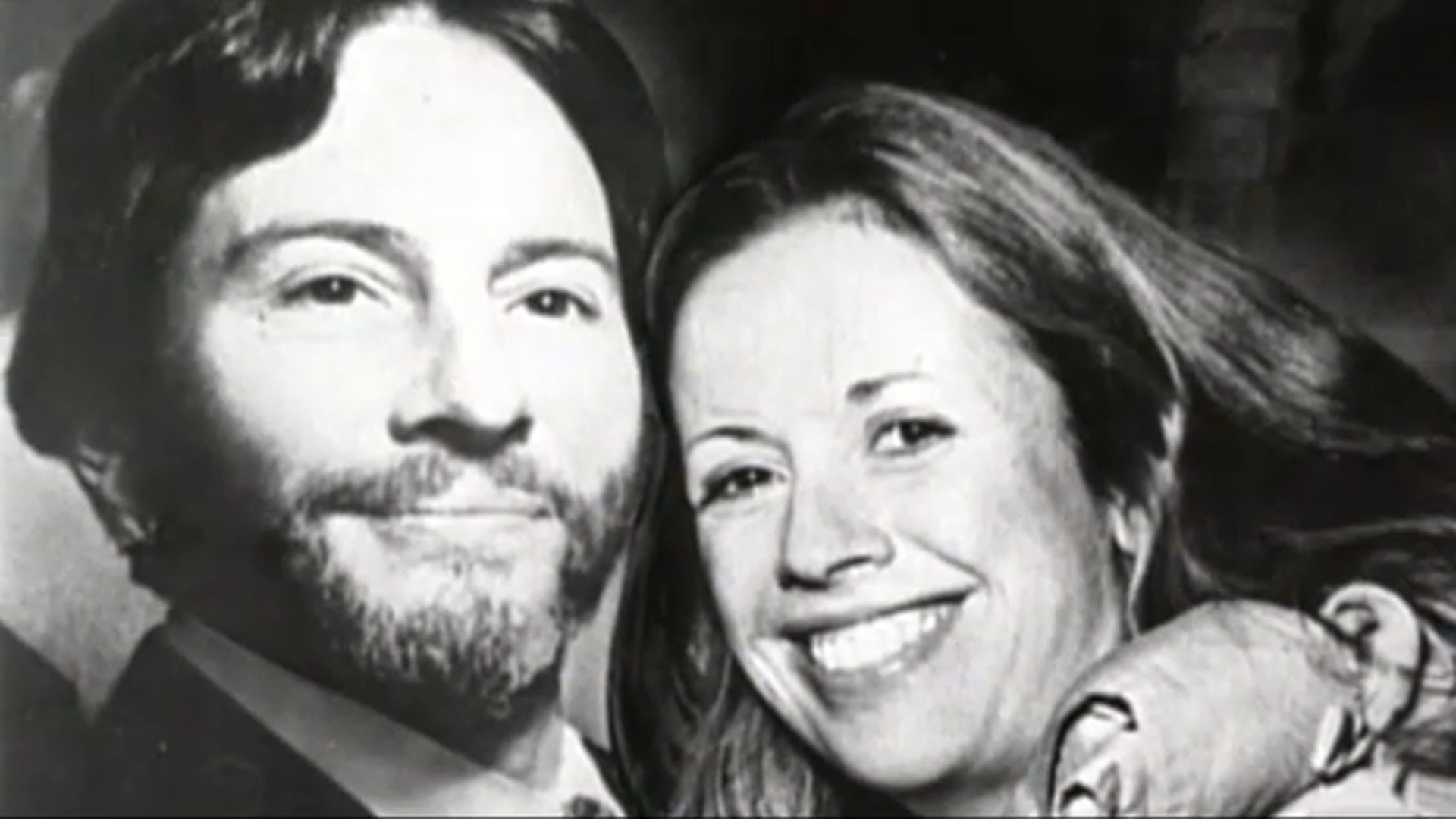
By the time The Jinx aired in early 2015, Robert Durst was already infamous to a certain subset of true crime readers and court-watchers. He was the heir to a New York real estate fortune. He was connected, in different ways and with different degrees of legal consequence, to three deaths across decades: the 1982 disappearance of his first wife, Kathleen McCormack Durst (never found), the 2000 murder of his longtime friend Susan Berman (for which he was later prosecuted and convicted), and the 2001 killing and dismemberment of his neighbor Morris Black in Galveston, Texas (in which Durst admitted the dismemberment and was acquitted of murder after claiming self-defense).
Those names matter. They tend to get flattened into “Durst’s victims” in casual retellings, but each person was a full life with relationships, histories, and people still living with the aftermath. The Jinx did something many productions still struggle with: it acknowledged that the spectacle of Durst was only one part of the story. The emotional gravity lives with the people left behind, and with the systems that failed to deliver answers for years.
Why it felt new
It is hard to explain to newer true crime viewers just how unusual The Jinx felt at the time. Today, we are surrounded by series that promise “exclusive access” and “never-before-seen evidence.” In 2015, the genre’s center of gravity was still heavily reenactments, talking heads, and neatly packaged mysteries with a light dusting of archival tape.
The Jinx brought a few ingredients together in a volatile mix:
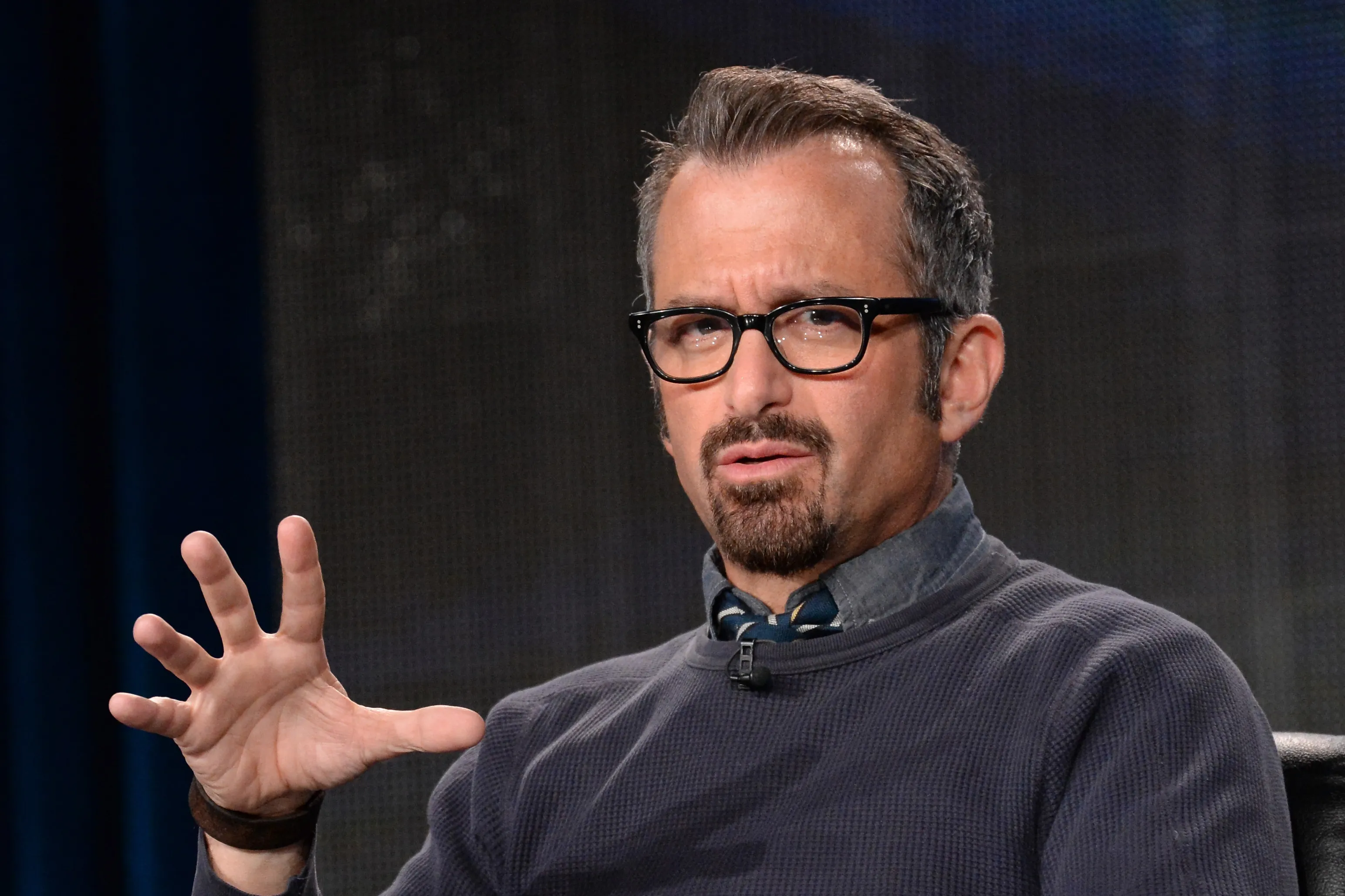
- Extraordinary access to the subject. Durst, famously guarded and unpredictable, agreed to extended on-camera interviews with director Andrew Jarecki and his team.
- A structure that treated reporting as a living thing. The series did not just summarize what happened. It showed the pursuit, the dead ends, the pivots, and the small revelations that change the temperature in a room.
- Primary-source texture. Letters, police reports, archival broadcasts, and courtroom material were not set dressing. They were part of the argument the show was making about what could be proven, what could be inferred, and what remained unresolved.
- Style that amplified unease without turning victims into props. The score and careful pacing created dread, but the series still largely anchored itself in documentation and testimony rather than gore or sensational reenactment.
In other words, it felt like a documentary that had absorbed the cadence of serialized audio and the tension of scripted drama while still keeping one foot in the records room.
It also arrived with predecessors in the rearview mirror. Documentary-as-investigation did not begin here. Films like Errol Morris’s The Thin Blue Line helped demonstrate, for a mass audience, that a camera can shift public attention and apply pressure to official narratives, even if the legal outcomes in real cases are always more complicated than any single film can claim.
The hot mic
There is no way around it: the ending is the thing people remember. Durst, alone in a bathroom, seemingly speaking to himself while still mic’d, mutters phrases that the series presents as deeply incriminating, including the line that became instantly iconic: “Killed them all, of course.”
Even now, the scene plays like a collective gasp. Not because it is a tidy confession in a legal sense, but because it feels like watching a narrative snap into place in real time.
It is also worth naming what later conversations made unavoidable: the broadcast presents a sequence of muttered fragments edited into a coherent beat. Durst’s defense team later argued that the bathroom audio was misleadingly arranged and that the presentation overstated what could be fairly inferred from the raw material. Prosecutors, by contrast, treated the recording as probative, not magical, and argued that it fit alongside other evidence rather than replacing it.
Still, the moment raised the kind of questions that haunt the genre:
- What is a confession, really? In court, words are weighed against context, intent, admissibility, and corroboration. In a documentary, a moment can become “truth” in the public imagination long before any judge ever rules on it.
- How much does editing shape meaning? Even with good faith, condensation and sequencing can change how viewers interpret a person’s words.
- What do we do with the thrill of being there? The Jinx taught audiences to crave the moment when the subject cracks. The genre has been chasing that high ever since, sometimes responsibly, sometimes not.
For better and worse, that ending became a reference point. It taught networks and streamers that true crime could deliver not just a mystery, but a climax.
What it changed
One of the most persistent misunderstandings about The Jinx is that it “caught” Robert Durst. The reality is more complicated, and honestly, more instructive.
Durst was arrested on March 14, 2015, in New Orleans, the day before the final episode aired. That timing helped cement the public belief that the documentary directly triggered law enforcement action. The series certainly intensified attention, and it surfaced and amplified key information. But arrests and prosecutions are the product of investigative work, legal strategy, and evidentiary thresholds that exist outside any production.
To keep this honest, I also have to note the practical reasons prosecutors have pointed to over the years: timing and flight risk mattered. The show did not operate like a magic trap that snapped shut. It operated more like a spotlight, and spotlights change behavior, including a suspect’s.
What The Jinx undeniably did was help reframe Durst from “bizarre rich guy with dark rumors” into the subject of a coherent, document-driven narrative that the public and, indirectly, the justice system could not ignore.
The letter
Among the series’ most discussed investigative threads is the comparison of an anonymous letter sent to police after Susan Berman’s murder and an old letter Durst sent to Berman. The misspelling “Beverley” appears in both. In The Jinx, that small detail functions like a hinge. Suddenly, handwriting, spacing, and an oddly spelled name feel like they could tilt decades of suspicion into something closer to proof.
This is where The Jinx arguably changed the genre most: it made “receipts” sexy.
After 2015, audiences came to expect:
- documents shown on screen, not just described
- experts walking through physical evidence in plain language
- process footage that shows how conclusions were reached
That expectation has pushed a lot of true crime in a better direction. Viewers are savvier now. They ask, “How do we know that?” more often than they used to. But there is a shadow side too: cherry-picked documentation can feel like airtight proof, even when it is not.

The genre after
If you trace the DNA of today’s biggest true crime hits, you can find The Jinx in the bone structure, not always in the best ways. You can see it in the appetite for evidence-on-camera and in the expectation that the storyteller is doing more than narrating.
It also sits alongside other major forces that shaped the boom. The Staircase predates The Jinx, but its streaming-era second life landed in a world The Jinx helped prime: an audience trained to binge, debate, and demand to see the underlying materials. Later hits like Netflix’s Making a Murderer and HBO’s I’ll Be Gone in the Dark made that appetite feel like the baseline rather than the exception.
Three shifts
1) The filmmaker
Before The Jinx, investigative reporting in documentary existed, of course. But The Jinx helped push the documentarian into the center of the action for mainstream audiences, not just as an interpreter of police work, but as someone pursuing leads and testing contradictions in real time. That shift helped create an era where creators are expected to pressure the story forward, which can be exhilarating, and which can also influence active cases.
2) Prestige
HBO’s production values set a tone: moody scoring, cinematic pacing, high-end archival integration. True crime began to look like prestige drama, which attracted new audiences and bigger budgets. It also raised the stakes for “entertainment value,” sometimes pressuring stories to fit clean arcs even when real life refuses them.
3) Payoff
The Jinx proved the commercial power of a finale that feels like a turning point. Since then, the genre has too often treated a “moment” as a requirement: a twist, a reveal, a confession, an arrest, or at least something built for the social feed. When a case does not provide that, some projects compensate with speculation or overreach. The lesson is not “never build tension.” It is “do not mistake tension for truth.”
The ethics
As someone who has spent too many hours reading transcripts that never become headlines, I think the most lasting impact of The Jinx is the ethical argument it forced the industry to have, even if we do not always have it well.
Here are the tensions The Jinx left us with:
- Access versus accountability. When a subject grants access, what does the production implicitly trade for it, if anything? And how does a filmmaker maintain rigor while sitting across from someone charismatic and evasive?
- Victim families and consent. A series can reopen wounds. Even when families participate willingly, the afterlife of a story on streaming platforms can feel endless.
- Public pressure and armchair prosecution. The show helped mobilize public opinion, which can be a tool for awareness but also a catalyst for harassment and misinformation.
- Entertainment incentives. When the genre becomes a business model, it can quietly encourage creators to prioritize the most telegenic suspects and the most cinematic cases, leaving marginalized victims and less “marketable” crimes in the dark.
The Jinx is often praised, and deservedly, for its investigative ambition. But its legacy also includes the copycats that chased shock over substance. The series did not create the ethical pitfalls, but it helped make the genre profitable enough that those pitfalls multiplied.
What court did
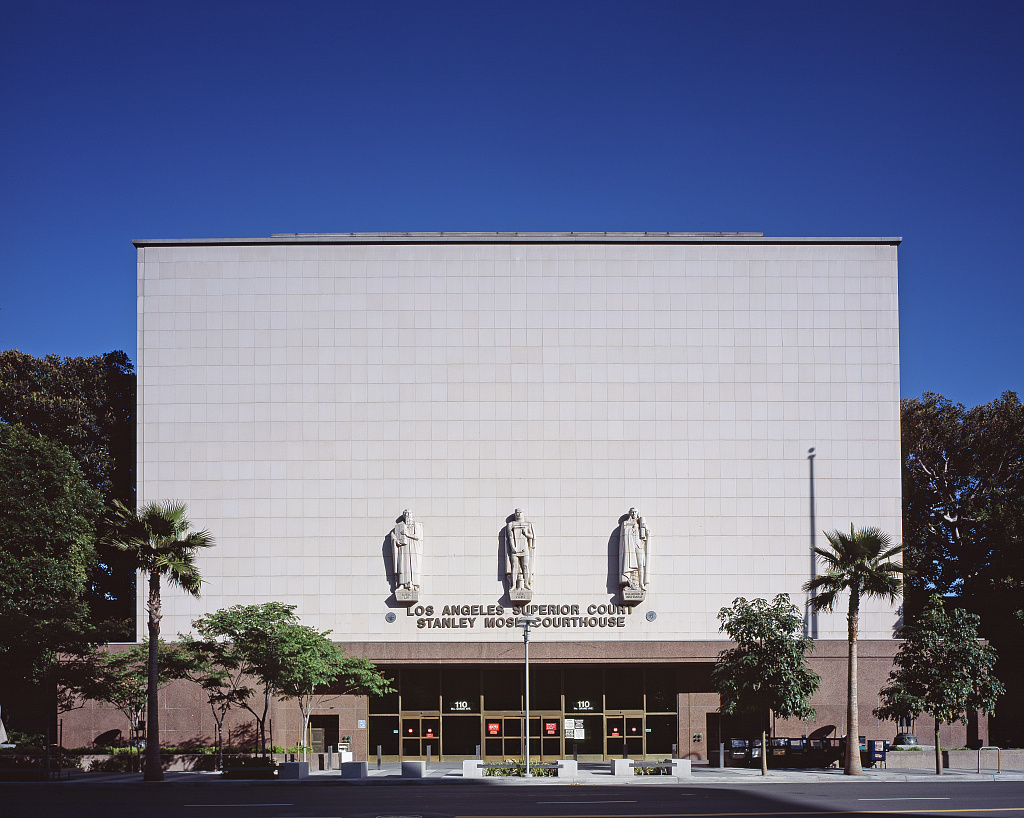
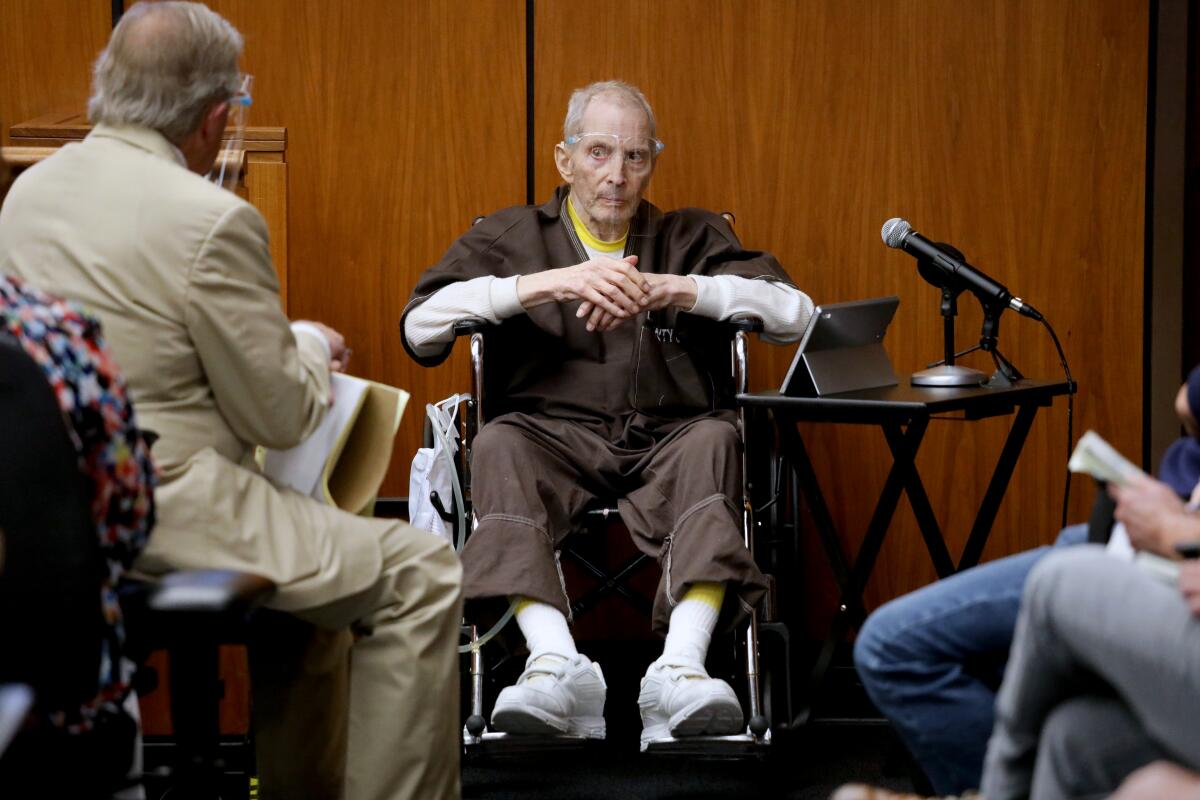
After the series, Durst faced renewed legal scrutiny, culminating in his prosecution in Los Angeles for the murder of Susan Berman. In 2021, he was convicted of first-degree murder. He died in custody in January 2022 while his conviction was on appeal.
For viewers who wanted a clean alignment between story and consequence, the conviction felt like the documentary’s narrative finally catching up to the law. For others, it underscored a tougher truth: the justice system moves on its own timeline, and the people most harmed often wait the longest for answers.
It also clarified something about the show’s signature evidence. The “Beverley” thread did not remain a clever montage. In court, handwriting became what it usually becomes: expert testimony, cross-examination, and competing explanations about what similarities mean and what they do not. The bathroom audio, the scene that lives forever online, did not float above the legal process as a standalone mic-drop either. It was treated like other contested evidence: argued over, contextualized, and weighed as part of a broader mosaic rather than a single, definitive key.
So what now
Yes, The Jinx changed true crime in ways you can track in craft, commerce, and culture, even if the exact degree depends on who you ask. It won major awards, dominated the weekly conversation while it aired, and became a shorthand reference point for “documentary-as-investigation” in mainstream TV.
- Craft: It elevated the expectation that true crime should show its work, using documents and investigative process rather than pure narration.
- Commerce: It proved that true crime could be prestige TV with appointment-viewing intensity, accelerating network investment and competition.
- Culture: It changed audience appetite. We now expect access, moral complexity, and a sense that something might happen because the cameras are rolling.
But the more honest answer is that The Jinx changed true crime and exposed its vulnerabilities at the same time. It demonstrated how powerful careful reporting can be inside an entertainment format. It also reminded us that the camera is never neutral, and that “closure” in a series is not the same as justice in real life.
How to watch
If The Jinx taught audiences to love investigative texture, we can use that same impulse to watch more critically. When a new docuseries promises a breakthrough, I suggest keeping a few questions close:
- Whose perspective is centered, and who is missing?
- What evidence is shown directly, and what is merely implied?
- Does the narrative depend on one explosive moment?
- Are victims treated as people with lives, or as plot devices?
- What impact might this have on a living person, a pending case, or a community?
True crime can be a lens for advocacy and accountability. It can also become a machine that turns grief into content. The Jinx sits right at that intersection, which is exactly why it still matters nearly a decade on from its 2015 premiere.
Quick FAQ
Was The Jinx responsible for Robert Durst’s arrest?
The documentary intensified public attention and highlighted key evidence, but law enforcement decisions involve broader investigative and legal factors. The arrest happened the day before the finale aired, which cemented the association in the public mind. Prosecutors have also cited practical concerns like timing and potential flight risk.
Did Robert Durst confess on the hot mic?
The bathroom audio is presented in the series as highly incriminating, but whether it constitutes a “confession” in a legal sense depends on context, admissibility, and corroboration. Durst’s defense disputed the edit and the implication of a clean confession, while prosecutors argued the recording mattered in context. Its cultural impact, however, was immediate and enormous.
What is The Jinx’s biggest legacy?
Many critics and creators point to the same trio: it normalized documentary-as-investigation at prestige-TV scale, raised audience expectations for primary-source evidence on screen, and set a modern benchmark for true crime that aims to be both reported and narratively propulsive.