There is a particular kind of true crime book that feels less like entertainment and more like a flashlight. Not the kind waved around for drama, but the steady beam that makes everyone in the room see the same thing: a record. A timeline. A name that was too easy to lose.
Most cold cases do not reopen because of a single “aha” moment. They reopen because pressure builds. A witness finally calls. A family gets a new audience. A detective gets cover to revisit a decision someone made years ago. Sometimes a book is part of that environment, not as a magic key, but as sustained attention and a cited narrative built from transcripts, interviews, and documents people can point to.
Below are five deep-dive books whose reporting did more than retell an old story. Some are tied to measurable outcomes like arrests, charges, or formal accountability. Others changed what could be ignored by making the facts harder to file away. I label the impact accordingly so the promise stays honest.

1) I’ll Be Gone in the Dark
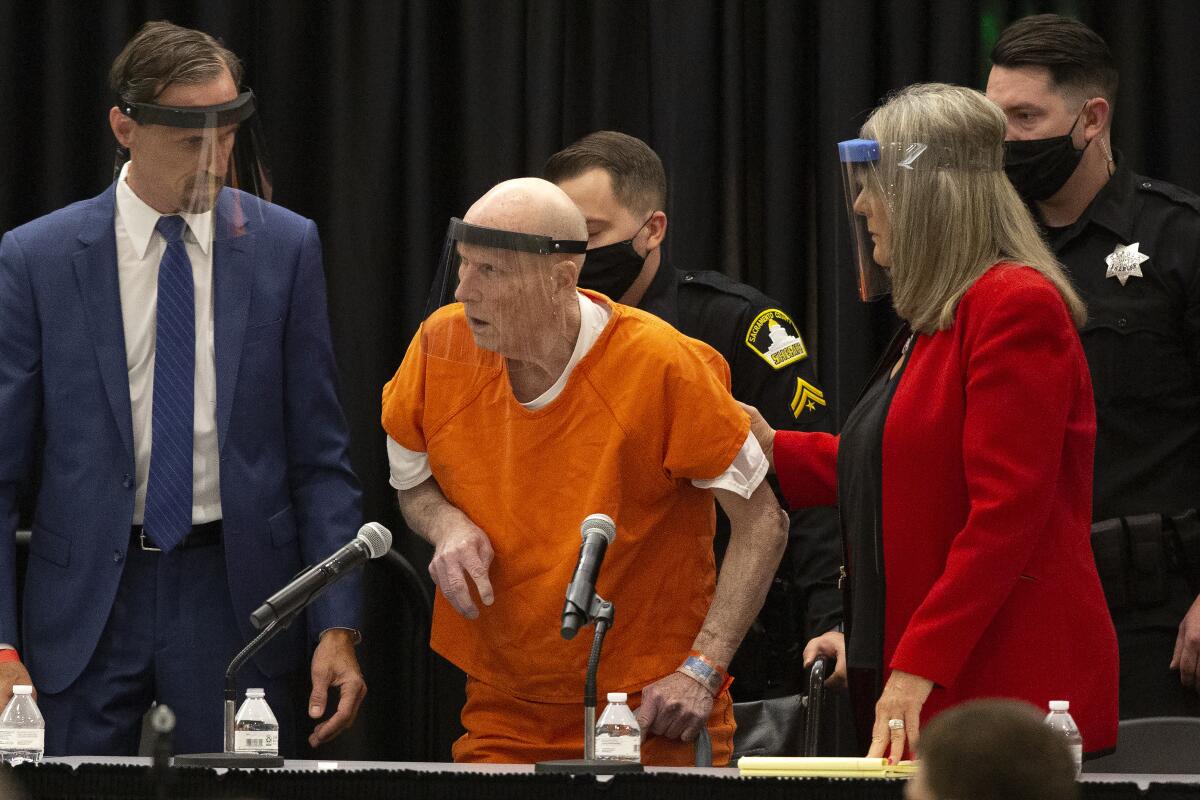
The case: The decades-long series of attacks linked to the East Area Rapist and Original Night Stalker, later identified as Joseph James DeAngelo (the Golden State Killer).
How the book mattered: McNamara did not solve the case, and the arrest came through law enforcement work and DNA genealogy. Where the book fits is narrower, and still worth naming. It helped keep the case vivid in public memory, it gathered details in one place for a wide readership, and it treated survivors as more than supporting characters in a police procedural.
It is also worth being precise about authorship. The book was published in 2018 after McNamara’s death and completed by her collaborators and editors from her notes and reporting.
What changed (direct vs indirect): Direct: no documented, single-step procedural change can be credited to the book. Indirect: it contributed to sustained public attention around the case in the period leading up to DeAngelo’s 2018 arrest, reinforcing that this was not a story that should quietly expire.
- Checkable detail: Published in 2018 (posthumous).
- What makes it a deep dive: Timeline discipline, original interviews, and a victim-centered scope that refuses to shrink the crimes into a “great mystery.”
- What to read it for now: How narrative focus can support long-term attention without pretending to replace investigative work.
2) Lost Girls
The case: The Long Island Serial Killer investigation and the missing and murdered women connected to the Gilgo Beach area.
How the book mattered: Kolker’s reporting widened the frame. Instead of treating the victims as a string of headlines, it documented lives, families, and the institutional friction that can stall investigations for years. The power here is not a neat causal chain to a later arrest. It is the creation of a widely readable, checkable narrative that makes neglect harder to deny.
What changed (direct vs indirect): Direct: the book itself is not documented as triggering a specific reinvestigation or later charging decision, and it should not be framed as a cause of recent case developments. Indirect: it elevated the victims’ stories and sharpened public scrutiny of investigative failures, which is often the precondition for reform and renewed seriousness.
- Checkable detail: Published in 2013.
- What makes it a deep dive: Family reporting, careful case history, and a clear-eyed look at how bias shapes investigative priorities.
- What to read it for now: How accountability reporting changes the climate around a stalled case, even when you cannot draw a straight line to an arrest.

3) Catch and Kill
The case: The reporting around Harvey Weinstein and the broader system that enabled alleged serial abuse, intimidation, and suppression of stories.
How the book mattered: This is not a single missing-person file pulled from a shelf. It is a different kind of cold case, the kind that stays cold because power is applied like a hand over a mouth. Farrow’s work documents how allegations were contained, how reporting was pressured, and how information was buried. It consolidates a public record of tactics, enablers, and decision points.
What changed (direct vs indirect): Direct: the Weinstein investigations and prosecutions were driven by prosecutors and multiple streams of reporting and testimony, not a single book. Indirect: the reporting and its publication helped sustain momentum and broaden public understanding of how suppression works, feeding a wider wave of institutional responses, including employer investigations and high-profile firings and resignations in media and entertainment as organizations confronted their own enabling.
- Checkable detail: Published in 2019.
- What makes it a deep dive: Document-backed reporting, source protection under pressure, and a clear chain of institutional decision-making.
- What to read it for now: How investigative publishing can expand what accountability looks like, even when legal outcomes depend on many actors.

4) A Wilderness of Error
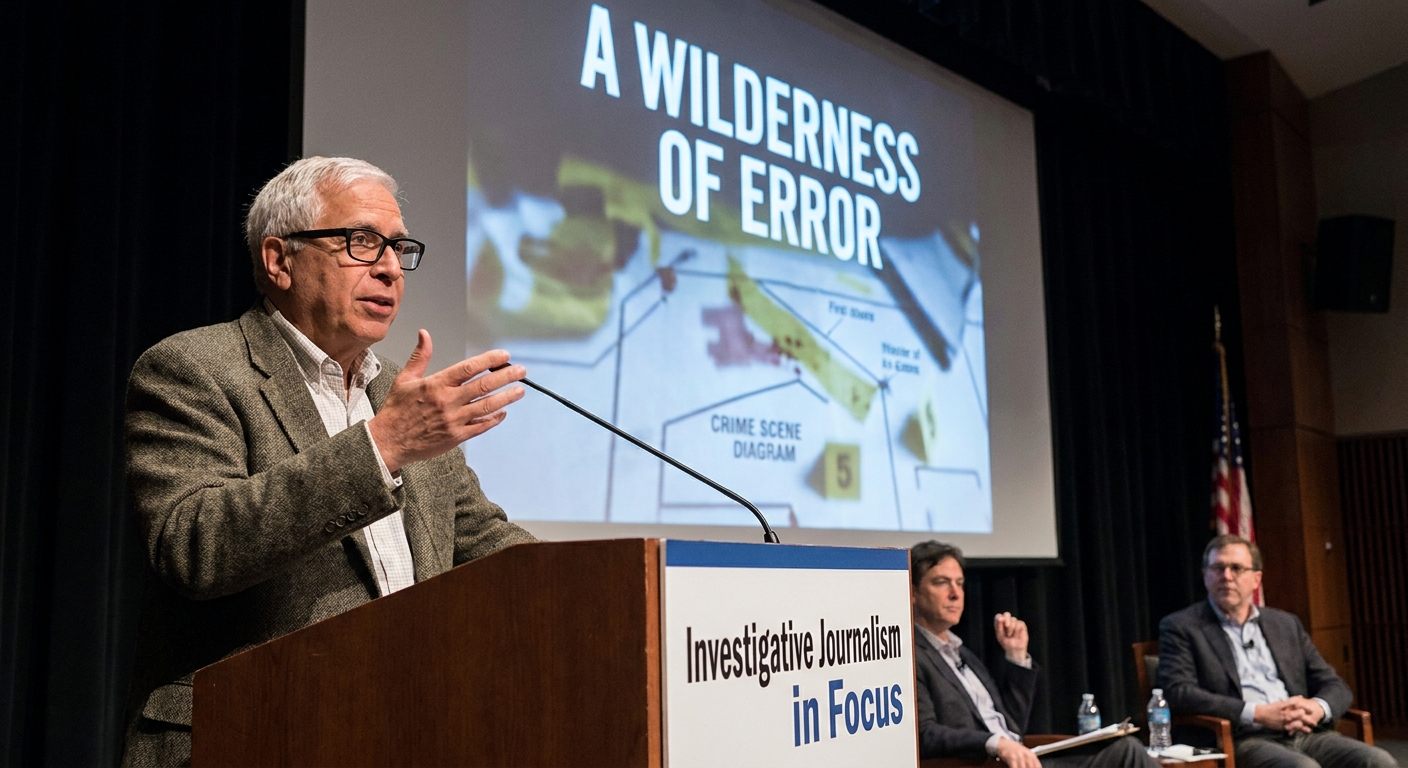
The case: The 1969 murders of Jeffrey MacDonald’s wife and daughters at Fort Bragg, and the long-running dispute over whether MacDonald was wrongfully convicted.
How the book mattered: Morris does not arrive as a hero with a tidy solution. He arrives with a crowbar. The book re-examines evidence, highlights contradictions, and shows how narrative certainty can harden inside a system until “settled” becomes a synonym for “untouchable.”
What changed (direct vs indirect): Direct: unless tied to a specific filing or official review, the book should not be credited with moving a particular legal lever. Indirect: it renewed public debate and media reappraisal by itemizing doubts and competing narratives in a way that invites, and withstands, scrutiny.
- Checkable detail: Published in 2019.
- What makes it a deep dive: A granular re-reading of trial records, competing accounts, and the way institutions defend earlier conclusions.
- What to read it for now: How doubt is built, not as vibes, but as an inventory.
5) Furious Hours
The case: The 1977 murder of Alabama pastor Willie Maxwell, the courtroom shooting of attorney Tom Radney, and Harper Lee’s unfinished attempt to write the story.
How the book mattered: Cep’s book is not an “investigation reopened” story, and it should not be sold as one. Its contribution is different and, in some communities, just as necessary. It reconstructs a case shaped by rumor, intimidation, and local power, then lays down a record sturdy enough to outlast the fog.
What changed (direct vs indirect): Direct: no clear procedural movement follows from this book. Indirect: it reshapes public understanding by replacing inherited lore with court records, reporting, and a mapped chain of events, which is a form of accountability in stories that were never allowed to be clean.
- Checkable detail: Published in 2019.
- What makes it a deep dive: Court records, local reporting, and a careful braid of true crime narrative with media history.
- What to read it for now: How a community’s version of events can become a kind of weather, and what it takes to forecast it accurately.

What they share
If you are looking for the pattern across titles that shift real-world outcomes or, at minimum, change what can be ignored, here is what tends to show up:
- Document weight: Transcripts, filings, contemporaneous notes, and direct sourcing that can be rechecked.
- Time depth: Authors who stay with a story long enough to see recantations, new leads, and institutional drift.
- Pressure without spectacle: Urgency without turning people into characters.
- Clear stakes: Not “will we be entertained,” but “what did the system do, and who paid for it.”

Ethics
I love a bingeable book as much as anyone. But if a title is going to sit anywhere near a living case, it matters how it treats the people inside it. A good rule of thumb: look for authors who name their sources when they can, show their work, correct the record when it shifts, and resist the urge to turn grief into a twist.
One more distinction helps keep expectations honest. “Impact” does not have to mean “case solved.” Sometimes it means a family is heard on the record. Sometimes it means a department cannot pretend it never saw the file. Sometimes it means the public learns how silence gets manufactured, and starts refusing to buy it.
Cold cases are not only puzzles. They are unfinished lives, and sometimes unfinished accountability.