Some true crime books entertain you. The ones that redefine investigative journalism do something harder: they change how we expect facts to be gathered, verified, and told. They show what it looks like when a writer becomes part archivist, part skeptic, and still keeps the human cost in view.
This list is for the readers who like their page-turners with receipts. By “redefine,” I mean the books that pushed the genre toward more rigorous sourcing, sharper ethics, bolder narrative craft, or real-world consequences, sometimes all at once.
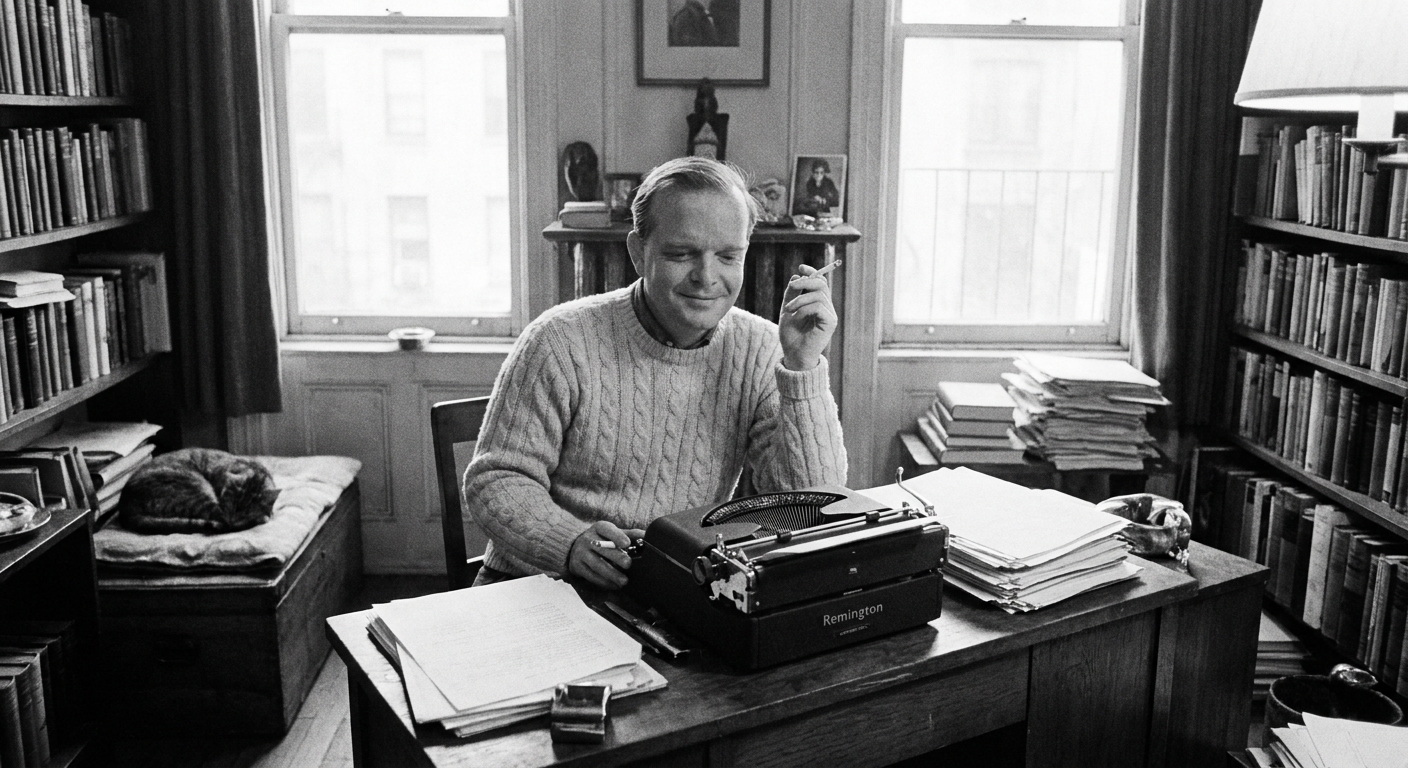
1) In Cold Blood (1966) by Truman Capote
Love it, critique it, argue about it over coffee, then read it again. In Cold Blood is one of the earliest lightning bolts for narrative nonfiction in the crime space, mapping a brutal family murder in Holcomb, Kansas, with novelistic pacing and a reporter’s eye for detail.
Why it redefined the work: Capote helped popularize what became known as the nonfiction novel, proving that exhaustive reporting could coexist with a literary style that made readers feel like they were in the room.
Read it with a critical lens: Its influence is enormous, and so are the ethical debates that followed, especially around access, authorial presence, and the power imbalance between a celebrated writer and incarcerated subjects.
2) Helter Skelter (1974) by Vincent Bugliosi and Curt Gentry
This is the blueprint for the courtroom behemoth. Prosecutor Vincent Bugliosi’s account of the Charles Manson murders is exhaustive, procedural, and unavoidably a product of its vantage point. (Publication dates can vary by edition and market, but it is widely associated with the mid-1970s.)
Why it redefined the work: It established a mass-market appetite for trial-level detail: strategy, evidence, witness credibility, and the slow grind of building a case. It also cemented how deeply prosecution narratives can shape public memory.
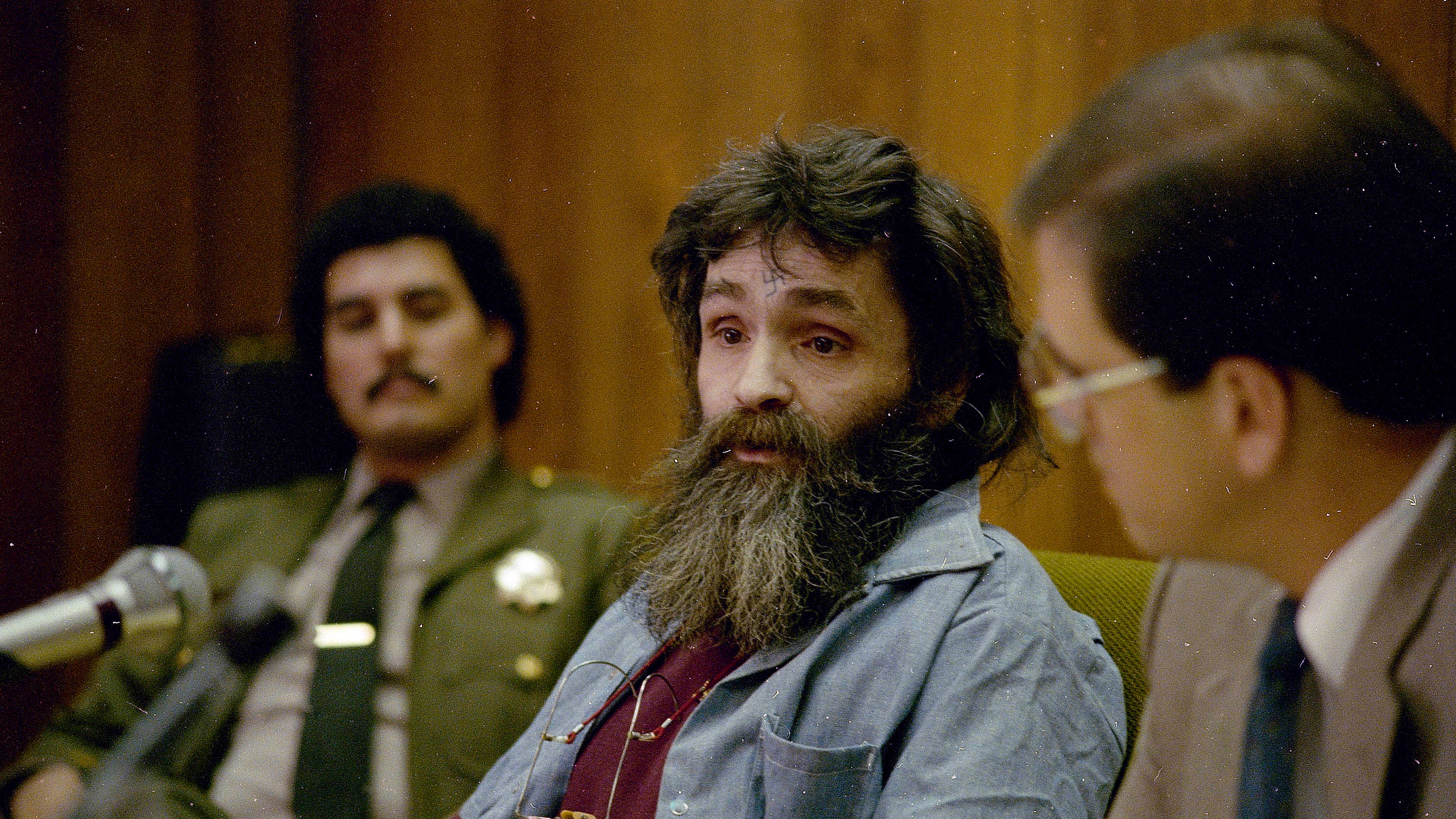
3) The Executioner’s Song (1979) by Norman Mailer
True crime often turns into a morality play. Mailer’s book resists that temptation by sprawling across the life and execution of Gary Gilmore, presenting a chorus of voices in a style that feels documentary, long before podcasts made that word trendy.
Why it redefined the work: It treated the story as social history, not just an individual crime. The reporting scale is enormous, and the structure helped expand what crime narrative could look like on the page.
Best for: Readers who can sit with ambiguity, contradiction, and the uncomfortable fact that a person can be both monstrous and human at the same time.
4) The Journalist and the Murderer (1990) by Janet Malcolm
This is not a whodunit. It is the book you read when you want to interrogate the very act of writing about someone else’s worst day, or their worst years. Malcolm dissects a notorious author-subject relationship and asks the question most of us would rather avoid: who is the story really for?
Why it redefined the work: It is foundational to conversations about ethics in true crime and longform reporting. If you have ever felt uneasy about “access,” “trust,” or “friendship” between journalist and subject, this is your syllabus.

5) Dead Man Walking (1993) by Sister Helen Prejean
Prejean’s account of spiritual counsel on death row became a cultural touchstone for a reason. It forces readers to confront capital punishment as a system, not a spectacle, and it does so without flattening victims or the condemned into symbols.
Why it redefined the work: It broadened the center of gravity in crime writing, focusing on the machinery of punishment and the ripple effects on families, communities, and conscience.
What it does well: It models a form of witness that is compassionate without being credulous, and unflinching without being voyeuristic.
6) The Stranger Beside Me (1980; revised editions later) by Ann Rule
Ann Rule did something few writers could survive doing in public: she wrote about a serial killer she knew personally. Her connection to Ted Bundy gives the book a chilling intimacy, but her training as a reporter keeps it anchored in documentation.
Why it redefined the work: It showed how proximity can complicate a narrative, and how a writer can be honest about what they missed, what they misunderstood, and how charisma can camouflage violence.
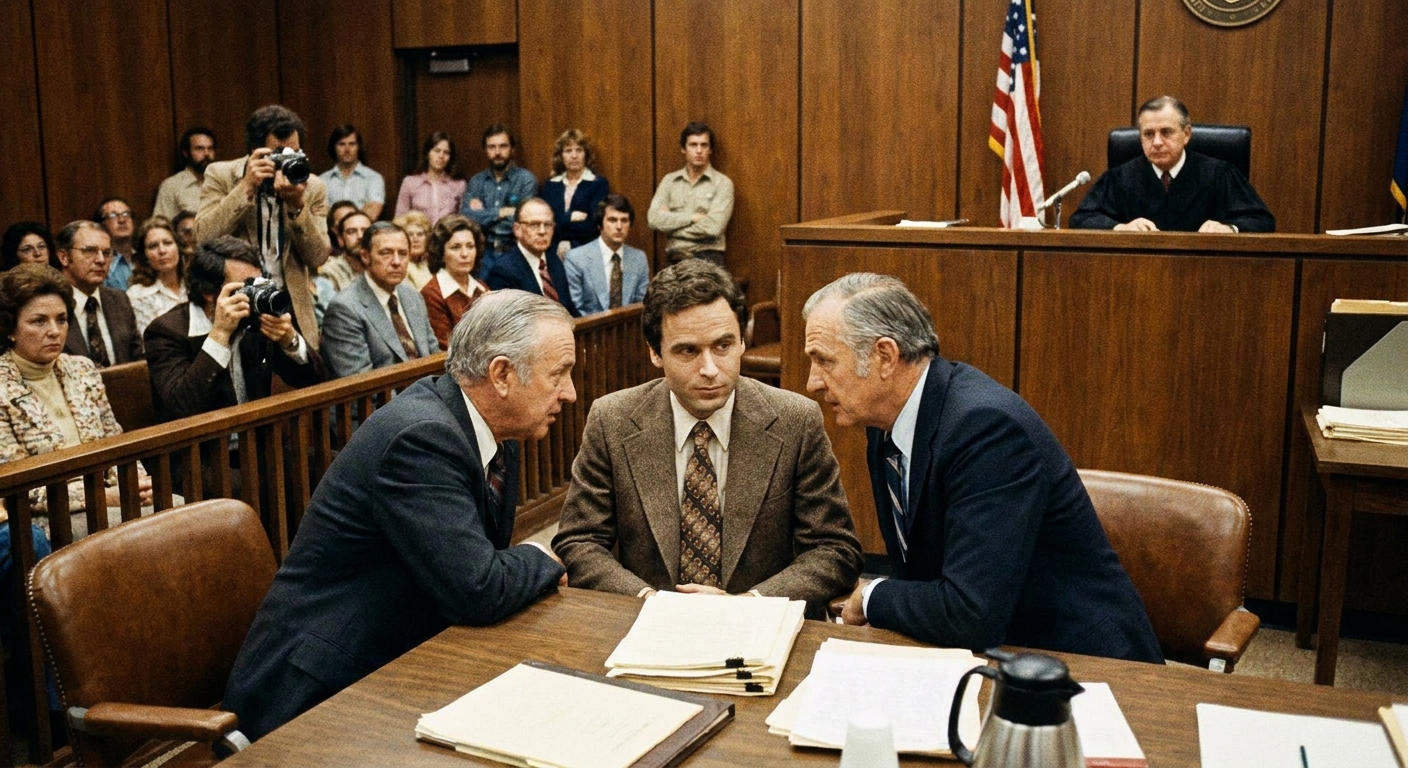
7) Midnight in the Garden of Good and Evil (1994) by John Berendt
Berendt’s Savannah is humid, glittering, and full of eccentrics, but the book’s lasting impact is its proof that crime reporting can double as cultural anthropology. The murder case is the spine, and the city is the soul.
Why it redefined the work: It made “place” a central character in modern crime storytelling and helped cement the idea that atmosphere, social hierarchy, and local myth can be part of the investigative record.
For readers who love: A slow burn, a strong sense of setting, and the feeling of eavesdropping on a community that is half performance and half confession.
8) Homicide: A Year on the Killing Streets (1991) by David Simon
Before The Wire changed television, David Simon embedded with Baltimore homicide detectives and wrote one of the most influential policing books ever published. It’s granular, exhausting, and often emotionally brutal in its realism.
Why it redefined the work: Simon translated day-to-day institutional pressure into narrative. He showed how clearance rates, paperwork, budget constraints, and burnout shape outcomes as much as any single detective’s skill.
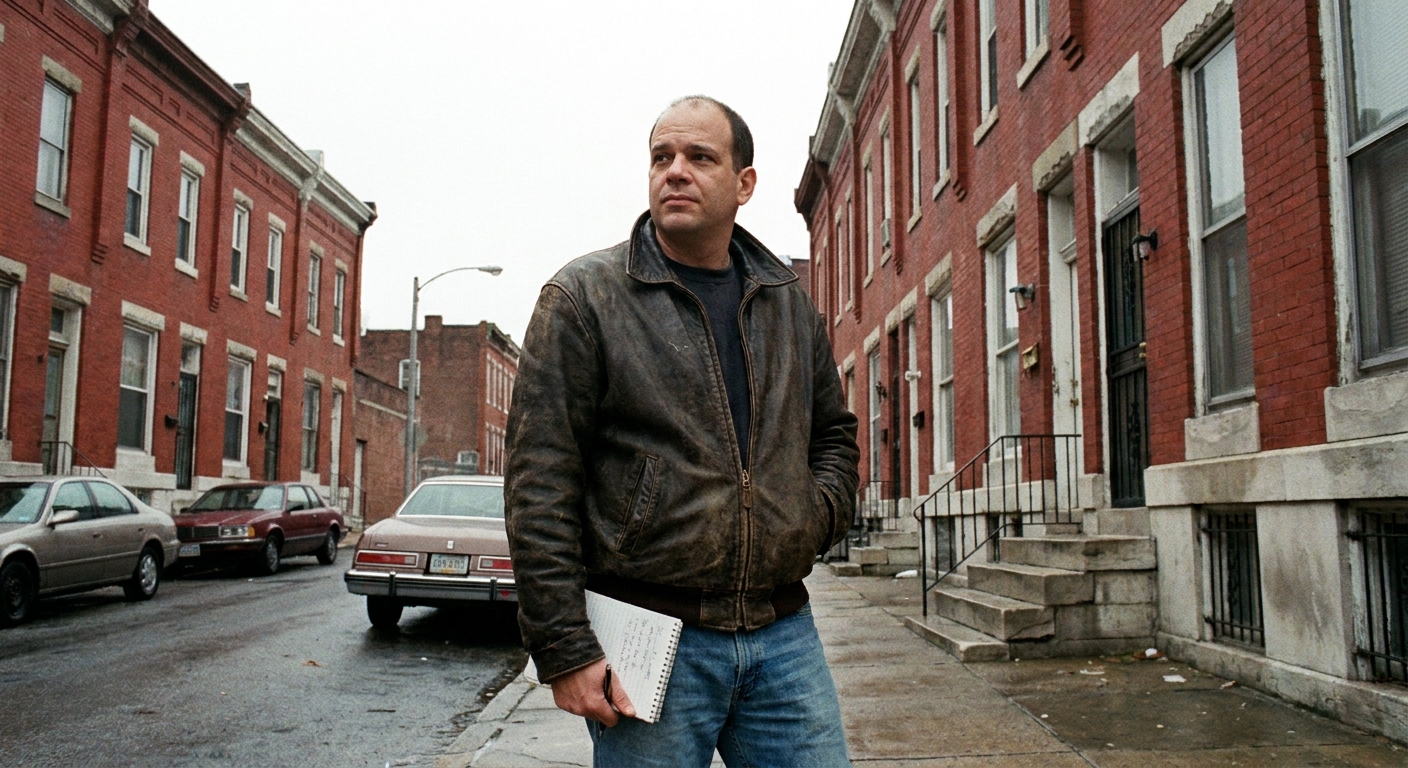
9) The Men Who Stare at Goats (2004) by Jon Ronson
Not all investigative journalism is about blood and courtroom exhibits. Ronson’s book is a master class in digging into official absurdity and discovering that “too weird to be real” is often exactly how the real story looks from the inside. (In some markets, the publication year is listed as 2004 or 2005.)
Why it redefined the work: It expanded what “crime-adjacent” investigation could mean, exposing government experiments and institutional belief systems with humor that never stops being methodical.
Takeaway: The tone is playful, but the reporting is serious, and the ethical questions about power and accountability land hard.
10) I’ll Be Gone in the Dark (2018) by Michelle McNamara
McNamara’s book reframed how many readers understood a case that spanned decades and jurisdictions: the Golden State Killer, later identified as Joseph James DeAngelo. It’s part investigation, part obsession diary, part love letter to the idea that victims deserve persistence.
Why it redefined the work: It brought citizen sleuthing into the mainstream conversation while still respecting traditional reporting, showing how online communities and open-source research can amplify attention across jurisdictions. It also helped keep public focus on EAR/ONS in the years leading up to the arrest.
How to read responsibly
- Follow the sourcing. Notice when an author uses transcripts, interviews, records, and when they rely on atmosphere or insinuation.
- Note the point of view. Prosecutor narratives, police narratives, victim family narratives, and community narratives each have blind spots.
- Ask who gets interiority. If the most vivid person on the page is the perpetrator, the book is telling you something about its priorities.
- Respect the living. Some of these stories involve survivors and families still carrying the aftermath. Read with that reality in mind.
Quick picks
If you want reporting scale: Homicide, Helter Skelter
If you want ethics and self-interrogation: The Journalist and the Murderer, The Stranger Beside Me
If you want systems, not just suspects: Dead Man Walking, The Executioner’s Song
If you want place and culture as evidence: Midnight in the Garden of Good and Evil
If you want modern obsession, thoughtfully handled: I’ll Be Gone in the Dark
One last note
True crime books that “redefine” journalism are rarely comfortable. They ask you to hold facts and feelings in the same hand, and to notice how power moves through a narrative. If you pick up any of these, take your time. Read the footnotes. Sit with what makes you uneasy. That discomfort is often where the genre stops being entertainment and starts being accountability, with real-world consequences.