True crime reading can feel like walking into a library where every spine is yelling at once. Some books are painstaking courtroom reconstructions. Others are intimate portraits of victims and survivors. Some are, frankly, products of their era and require a little context before you decide how you feel about them.
This guide is for beginners who want to start with the pioneers, the authors whose work helped define what “true crime” even means on the page. I will give you the essential titles, what you will get out of each, and a suggested reading order depending on what kind of reader you are.
Before you start: what “pioneering” means
When people talk about pioneers, they usually mean one of three things:
- Form: the writer popularized a narrative style that made factual reporting read like a novel.
- Access: the writer gained unusual proximity to investigators, attorneys, defendants, or families.
- Impact: the book shifted public perception of a case, a system, or the genre itself.
One gentle heads-up: some classic works contain language, attitudes, or speculation that would not pass today’s ethical bar. That does not mean they are unreadable. It means we read them with our eyes open, and we keep the real people at the center of the story, not the author’s cleverest line.
The pioneers and the books
Truman Capote
Start with: In Cold Blood (1966)
If true crime has a “big bang” moment in mainstream publishing, this is the title that gets named most often. Capote’s approach, which he framed as a “nonfiction novel,” helped set the template for immersive narrative reportage. The book is also a masterclass in atmosphere and character, and a cautionary tale about the power imbalance that can come with access.
Read with context: Capote’s reporting methods and factual accuracy have been disputed over the years, including questions about reconstructed scenes and altered details.
- What it does best: narrative momentum, scene-building, psychological portraiture.
- Read it if you like: literary nonfiction, slow-burn dread, moral ambiguity.

Vincent Bugliosi (with Curt Gentry)
Start with: Helter Skelter (1974)
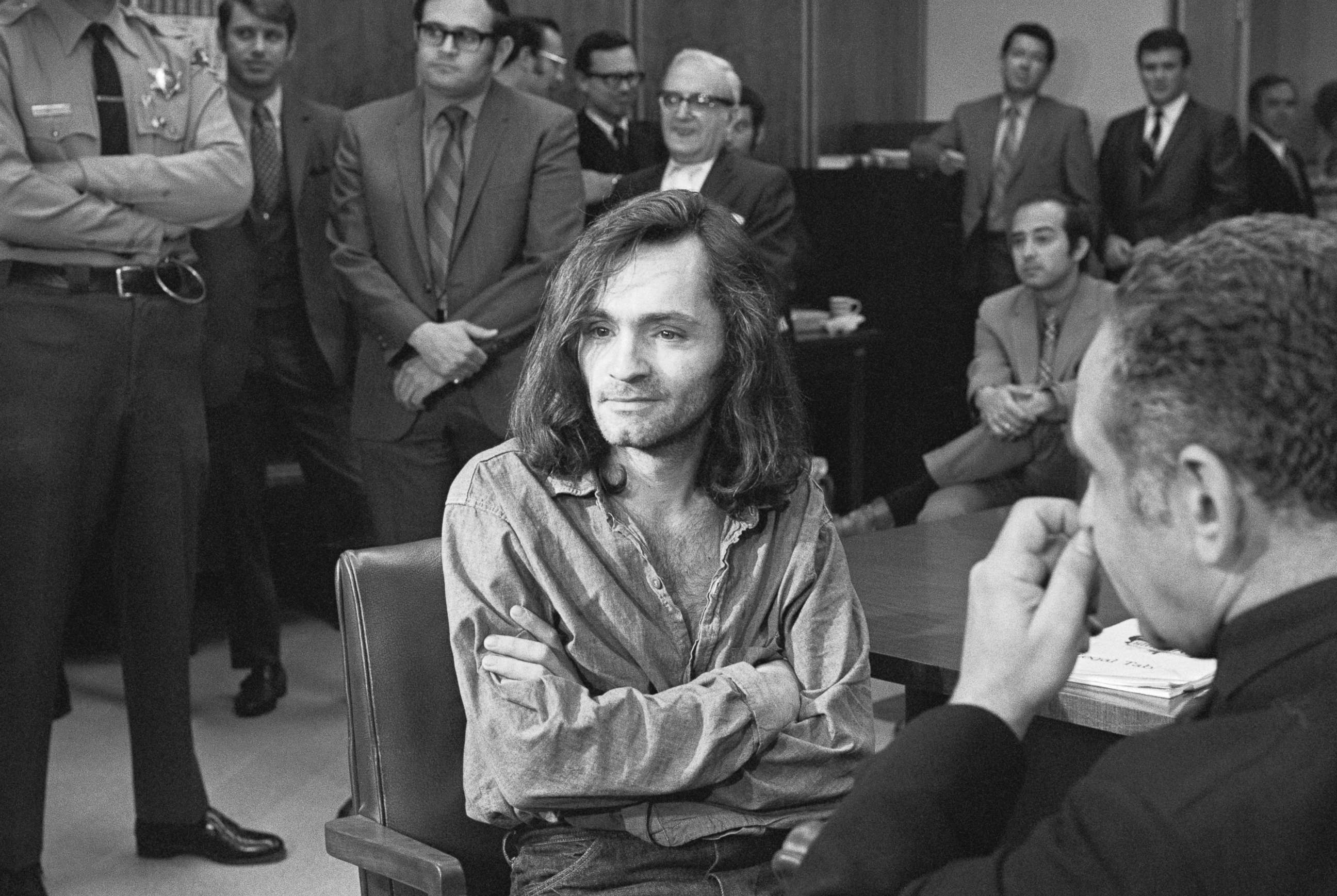
Bugliosi, the prosecutor in the Manson case, delivers one of the most influential legal-and-investigative narratives in the genre. It reads like a procedural engine, and it shows how prosecutors build a theory of motive and hold it together in court. It is also a book that shaped pop culture’s version of Manson for decades, for better and for worse.
Read with context: the book is hugely influential, but parts of its motive framework and emphasis have been debated by later writers and researchers.
- What it does best: trial strategy, evidence scaffolding, courtroom storytelling.
- Read it if you like: case-building, legal drama, “how did they prove it?” details.
Joe McGinniss
Start with: Fatal Vision (1983)
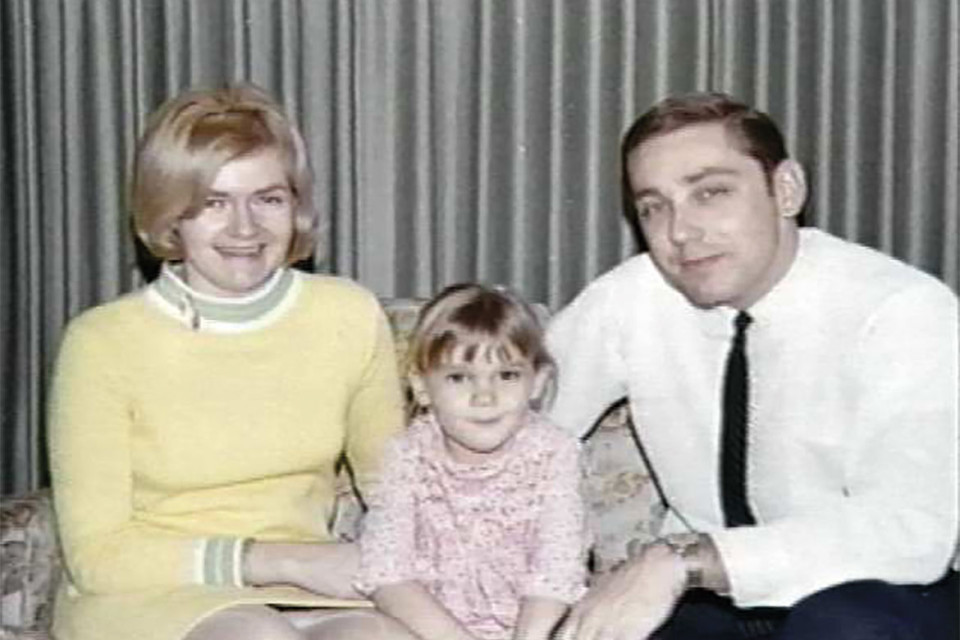
This is a landmark in terms of narrative force and controversy. McGinniss’s book about Jeffrey MacDonald became famous not only for its account of a high-profile case, but also for questions about the author’s relationship to his subject and the ethics of embedded reporting. For beginners, it is a compelling read, and also a useful prompt to ask: what does a writer owe the people they are writing about?
- What it does best: suspenseful structure, character perspective, cultural impact.
- Read it if you like: morally complex nonfiction and debates about media ethics.
Ann Rule
Start with: The Stranger Beside Me (1980)
Rule’s work is foundational because it brought a specific kind of empathy and psychological attentiveness into the genre, without losing the investigative thread. This particular book, shaped by her personal proximity to Ted Bundy, forces a reader to sit with the discomfort of how “normal” violence can appear from the outside.
- What it does best: human behavior, relationships, warning signs, victim sensitivity.
- Read it if you like: psychological insight and a voice that feels like someone talking to you, not at you.
Thomas Thompson
Start with: Blood and Money (1976)
Thompson helped steer true crime toward deeply reported, systems-aware storytelling. Blood and Money blends investigative reporting with a sharp view of how power, money, and reputation can shape an investigation and its aftermath. In practice, that means you watch institutions protect themselves, and you watch a community decide what it is willing to ignore.
- What it does best: reportage, social context, community dynamics.
- Read it if you like: Southern Gothic atmosphere without the fiction.

Jack Olsen
Start with: Son (1983) or I: The Creation of a Serial Killer (1994)
Olsen is one of those genre-defining journalists that longtime readers cite like a secret handshake. His work is known for depth, clarity, and an insistence on the broader human and institutional realities around violence. If you want “classic true crime” that still feels like rigorous reporting, Olsen is a strong bet.
- What it does best: investigative discipline, narrative restraint, larger context.
- Read it if you like: journalism-forward true crime with minimal sensational flourish.
John Berendt
Start with: Midnight in the Garden of Good and Evil (1994)
Not every pioneer is a courtroom-heavy writer. Berendt’s bestseller is part true crime, part social chronicle, and it brought a ton of new readers into the genre through voice and place. You come for a death and a trial, and you stay for Savannah as a character with its own mood swings.
- What it does best: setting, eccentric character studies, cultural texture.
- Read it if you like: pop culture true crime and “I can see the scene” writing.

Harold Schechter
Start with: Deviant (1998)
Schechter is a key bridge between academic history and accessible true crime. His books often revisit older cases with an eye for primary sources and period detail, which makes them especially useful for readers who love the “how did society see this then?” angle.
- What it does best: historical context, archival storytelling, readability.
- Read it if you like: historical true crime and deep background.

Michelle McNamara
Start with: I’ll Be Gone in the Dark (2018)
McNamara is not a pioneer in the earliest sense, but she is foundational to modern true crime reading culture. Her work is emblematic of the internet-era blend of amateur sleuthing, obsessive research, and narrative intimacy, and it helped push a new wave of attention toward victim impact and community fear. It is also a sobering portrait of what this kind of work can take from the person doing it.
- What it does best: voice, lived experience of fear, community ripple effects.
- Read it if you like: contemporary narrative nonfiction and case timelines.

Edmund Pearson
Start with: Studies in Murder (1924)
If you are curious about the pre-Capote roots, Pearson is an early, genre-formative voice: essay-driven, historically minded, and obsessed (in a good way) with how a case becomes a story people repeat. It is not modern reportage, but it is a clear ancestor of the true crime reader brain.
- What it does best: early true crime style, historical cases, narrative voice.
- Read it if you like: vintage crime writing and literary essays.
Choose your starting path
If you want the origin story
- In Cold Blood (Capote)
- Fatal Vision (McGinniss)
- The Stranger Beside Me (Rule)
If you want courtroom detail
- Helter Skelter (Bugliosi and Gentry)
- Blood and Money (Thompson)
- Then circle back to In Cold Blood for the literary contrast
If you want place and culture
- Midnight in the Garden of Good and Evil (Berendt)
- In Cold Blood (Capote)
- Deviant (Schechter)
If you like podcast pacing
- I’ll Be Gone in the Dark (McNamara)
- The Stranger Beside Me (Rule)
- Helter Skelter (Bugliosi and Gentry)
If you want the older roots
- Studies in Murder (Pearson)
- In Cold Blood (Capote)
- Blood and Money (Thompson)
Read true crime ethically
I am not here to police anyone’s bookshelf. But if you are new to the genre, a little intention goes a long way.
- Prioritize victim-centered reporting. If a book treats victims like props, you will feel it.
- Watch for certainty creep. Some authors write theories like facts. Notice when evidence ends and interpretation begins.
- Respect living people. Families and survivors often live with the consequences of our “entertainment.”
- Do not turn reading into participation. Avoid doxxing, armchair accusations, or “let’s contact the family” impulses that spill out of online true crime spaces.
- Balance the canon. Classics can be important and still incomplete. Pair them with newer work that reflects updated ethics and language.
My personal test is simple: does the author seem more interested in being right, or in being responsible?
FAQ
What is the best first true crime book?
If you want a foundational starting point, In Cold Blood is the classic gateway. If you prefer a warmer, more psychologically intimate voice, start with Ann Rule’s The Stranger Beside Me.
Are these all serial killer books?
No, though the genre’s publishing history leans heavily in that direction. This list includes courtroom-driven books, community studies, and cultural portraits. If you want fewer serial narratives, you will likely enjoy Thompson, Berendt, and Pearson most.
Do I need to read these in order?
Not at all. Think of this as a set of doors. Pick the one that matches your taste, then backtrack to the others once you have your footing.
What if a classic feels exploitative?
Trust that reaction. You can stop mid-book. You can also switch to a more victim-centered author like Rule, or a more journalism-forward approach like Olsen, and come back later with more context.
Your next read
If you want one clean starting recommendation, here is mine: begin with The Stranger Beside Me if you read for people, or Helter Skelter if you read for process, then move to In Cold Blood once you are ready for the genre’s most famous mirror.
And when you are done, tell me what grabbed you: the investigation, the courtroom, the community, or the psychology. That answer usually predicts your next five books better than any algorithm ever could.