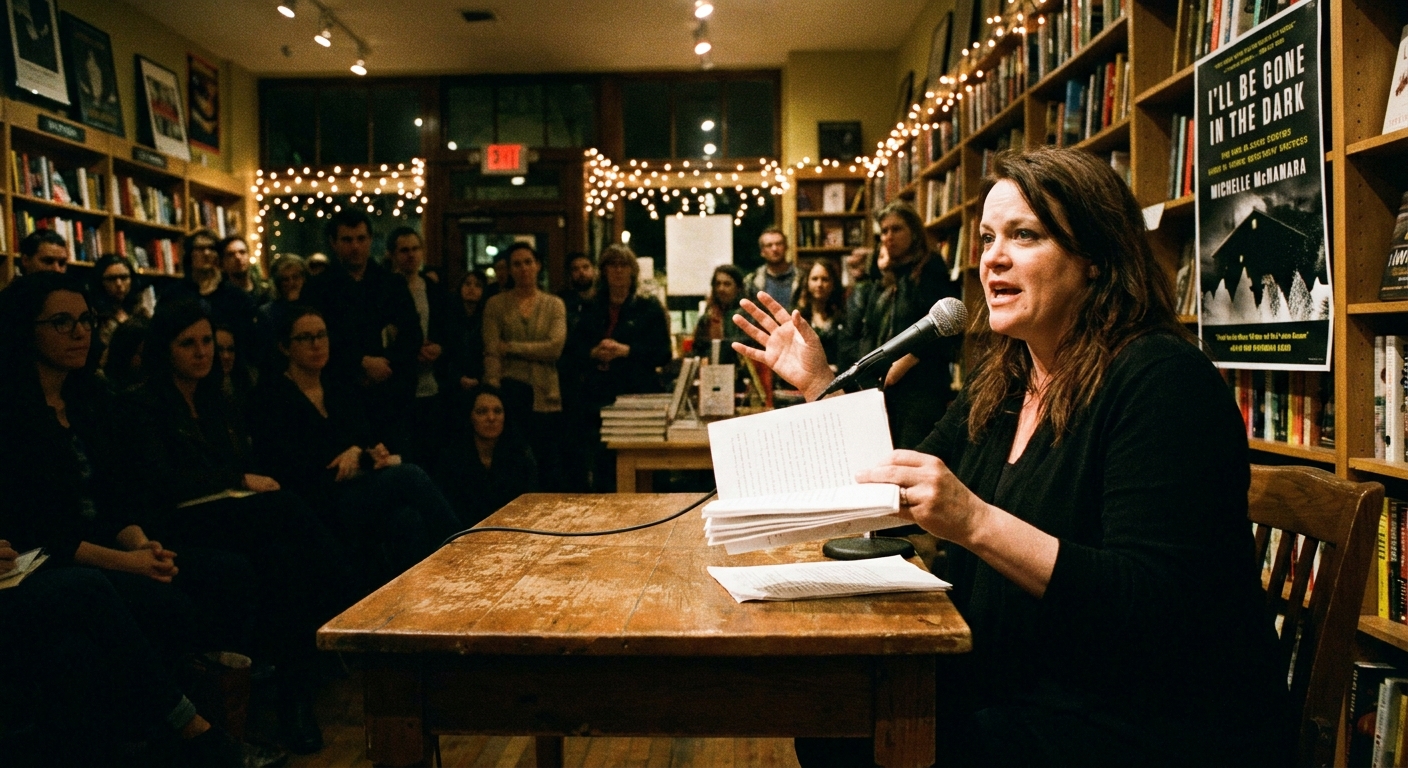
There are true crime stories that feel like a locked room, and then there are the ones that feel like a long hallway you have to keep walking even when the lights get weird. I’ll Be Gone in the Dark is the latter. Michelle McNamara’s book is not just a record of the Golden State Killer case. It is a portrait of the work: the late nights, the message boards , the pattern recognition, the dread, and the stubborn belief that details matter because people matter.
HBO’s docuseries had an impossible task. It had to translate a book that is simultaneously investigative reporting, memoir, and a critique of how media and institutions handle violence against women into a visual language that tends to reward clean arcs and neat reveals. It also arrived in a world where the case changed mid-adaptation, with Joseph James DeAngelo’s arrest in 2018 and later guilty plea in 2020. That shift is part of the story now, whether we like it or not.
What the book is doing
McNamara’s prose is meticulous, but it is never sterile. She writes like someone who knows that case files are made of human lives, and that the public tends to treat those lives like props. The book moves through the East Area Rapist and Original Night Stalker attacks, the evolution of the offender’s behavior, and the sheer scope of the crimes across California. It also moves through McNamara’s own process: how obsession forms, how it warps time, how it can feel like a duty and a compulsion at once.
Structurally, the book is a braid. One strand is the case history. Another is the investigative present, where McNamara collaborates with online sleuths and retired investigators and keeps tugging at small inconsistencies. The third is her interior voice, which never pretends she is an unfeeling camera. That voice is the book’s signature, and it is also the hardest thing to adapt without flattening her into either a saint or a cautionary tale.
It also matters, culturally, that McNamara helped popularize the name “Golden State Killer,” giving the public a single term for a set of crimes that had been split across jurisdictions and labels. Naming is not justice, but it can be a kind of focus, and focus can become pressure.

What HBO foregrounds
The HBO series, led by filmmaker Liz Garbus, leans into a different braid. It keeps the case timeline and the investigative thread, but it widens the frame to include the people who lived through the attacks and the ripple effects on families and communities. Where the book can live in McNamara’s head for pages, the docuseries has to show impact. That means survivor testimony, family interviews, and a visual atmosphere that conveys fear without sensational set pieces.
For general viewers, a few anchors help: the book was published in 2018, and the HBO adaptation premiered in 2020 as a six-episode series. By the time it aired, the story already contained its own interruption, with an arrest that changed the question from “will this be solved” to “what does solving even mean here.”
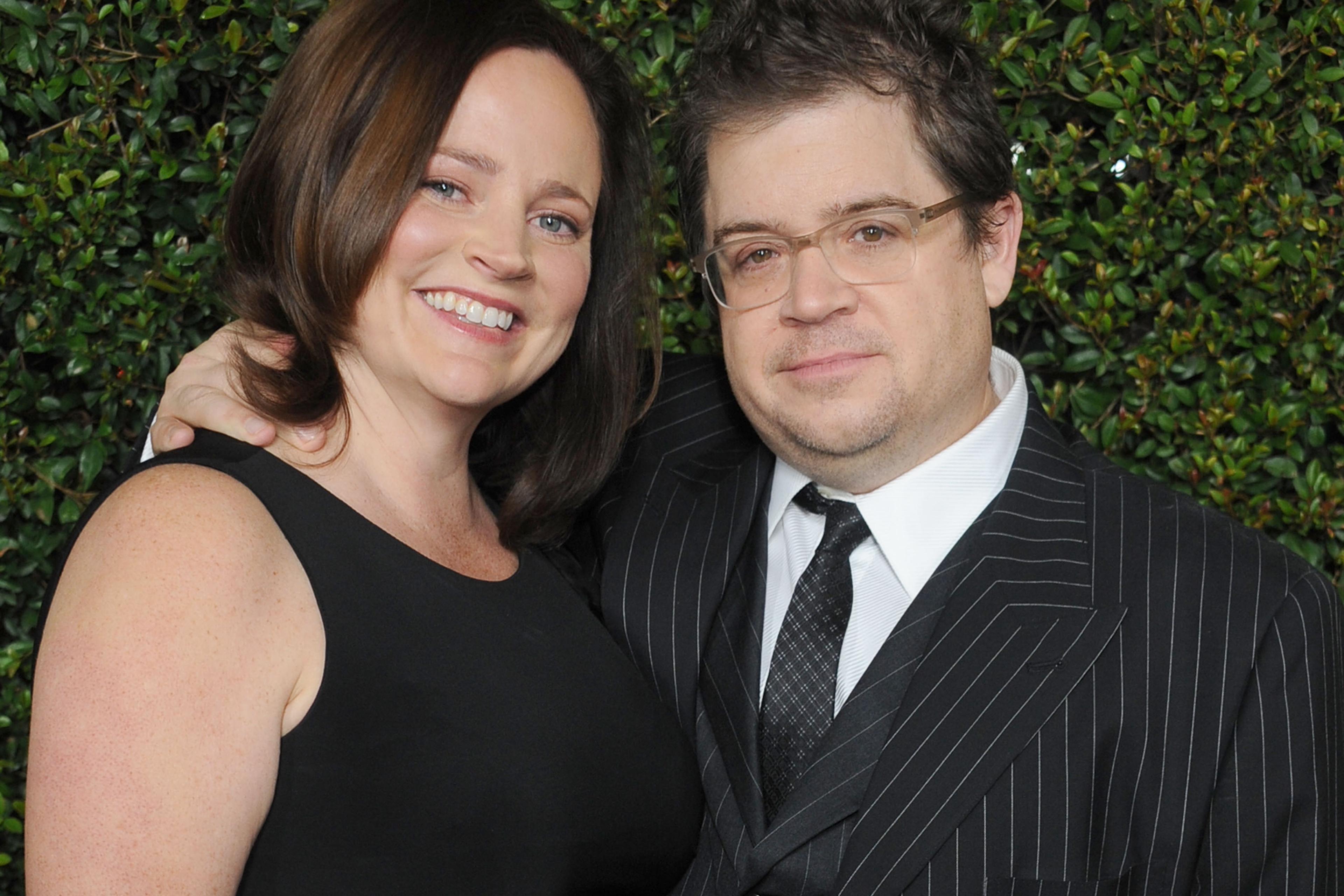
The series also becomes, inevitably, a story about authorship. McNamara died in 2016. The manuscript was prepared for publication posthumously with the assistance of Patton Oswalt and investigators Billy Jensen and Paul Haynes, alongside editorial work that shaped her drafts into the book readers know. HBO, in turn, adapts that finished text while acknowledging the tragedy of the unfinished life. Those layers matter because they shape what “closure” even means here.
Voice
The book: a mind at work
McNamara’s voice is intimate but disciplined. She is careful with what she asserts, often flagging uncertainty and distinguishing fact from inference. She zooms in on small forensic and behavioral details, then zooms out to examine how systems failed to connect jurisdictions, how women’s safety was dismissed, and how the public was trained to forget.
Because it is a book, it can be honest about the texture of research. The phone calls. The old reports. The rabbit holes. The moments when a theory seems promising and then collapses. That is catnip for readers who care about process, not just outcomes.
The series: voice as a chorus
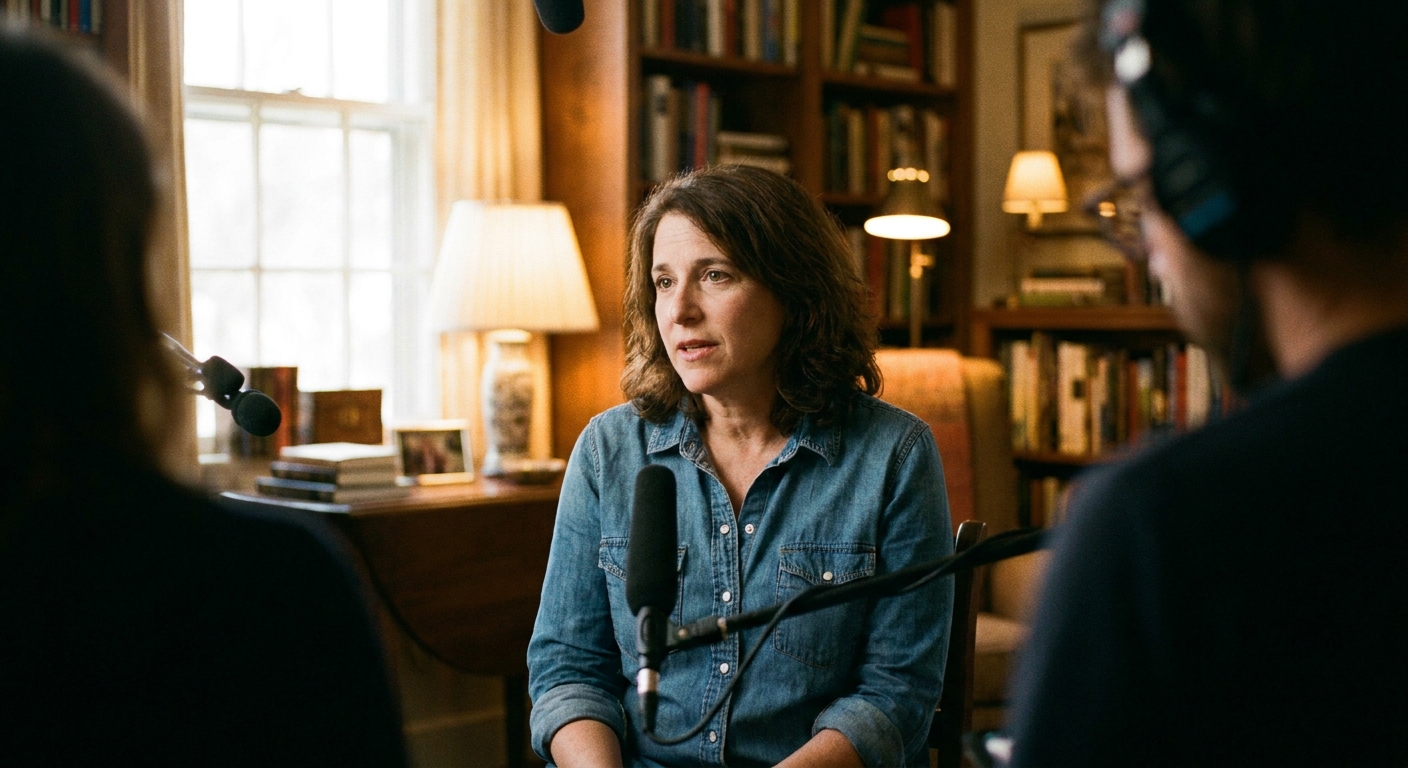
HBO keeps McNamara present through excerpts, recordings, and the way the series circles her notes. But the emotional center of gravity shifts to an ensemble: survivors, investigators, and people who knew McNamara. Instead of one guiding consciousness, you get a chorus that sometimes harmonizes and sometimes pulls the narrative in competing directions.
This is not a flaw. It is a translation choice. In a visual medium, a single internal narrator can become either repetitive or too performative. The series avoids that by letting the case’s stakeholders speak for themselves. The tradeoff is that the specific, quietly radical intimacy of McNamara’s prose is harder to replicate.
Case detail
One of the book’s strengths is its capacity for density. McNamara can lay out patterns across attacks, highlight shifts in MO, and revisit earlier assumptions with new context. Readers can pause, reread, and absorb. The page is patient.
HBO’s series has to make choices about cognitive load. It uses maps, archival footage, and a controlled drip of information to keep viewers oriented. That means some case complexity gets streamlined, and some nuance becomes implied rather than spelled out. You feel the breadth of the crimes, but you do not always get the same granular scaffolding that the book provides.
Where the series excels is in demonstrating the lived reality of that breadth. The book can tell you that neighborhoods changed. The series can show you the way a street looks when someone explains how they stopped opening windows, stopped trusting the dark, stopped sleeping the same way.
The arrest challenge
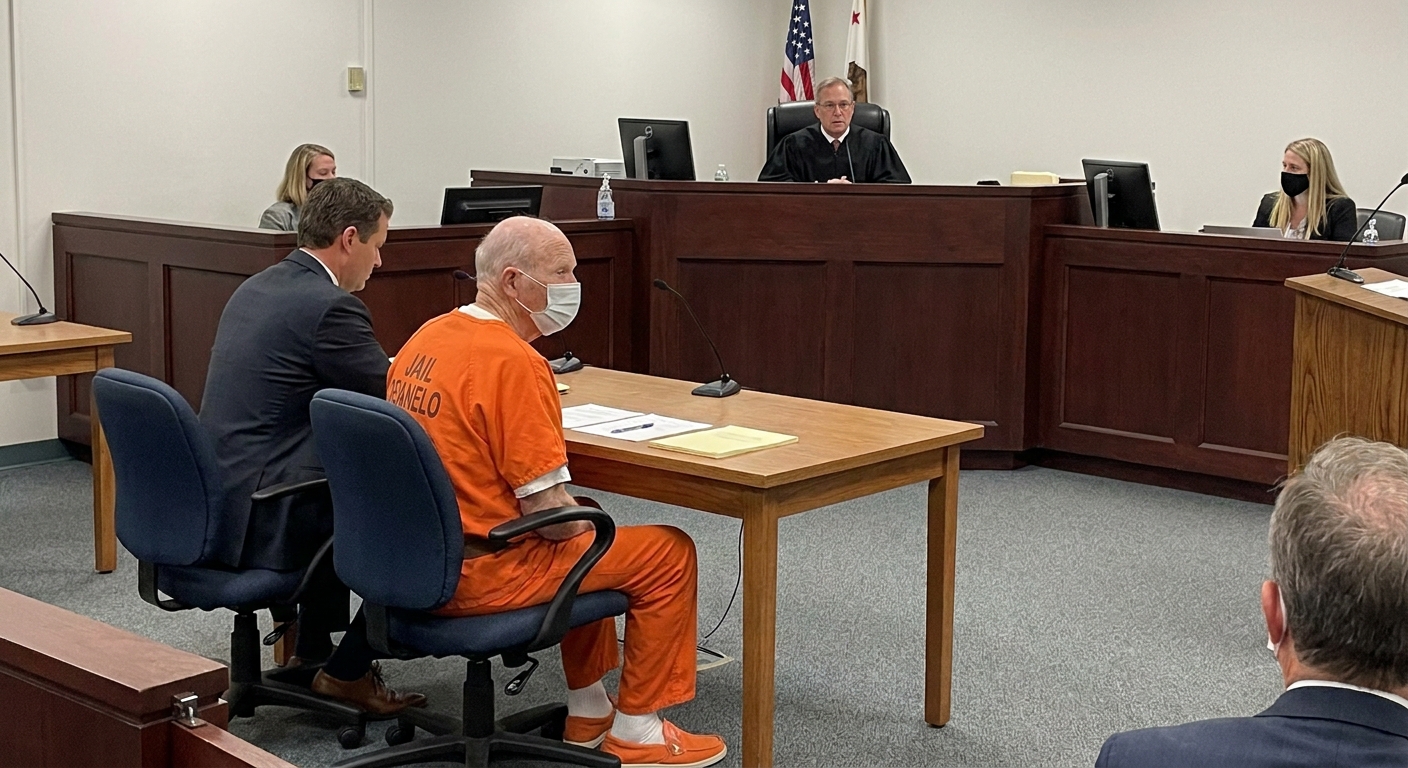
McNamara wrote most of the book without the resolution the public now associates with this case. The book’s suspense is not “who is he” in a whodunit sense. It is “how could this happen for so long, and what would it take to stop him.” When DeAngelo is arrested, the real question becomes what the pursuit did to the pursuers, and what accountability can and cannot repair for victims.
HBO has to incorporate the arrest because it is part of the cultural memory. But doing so creates a tonal challenge: the series needs to honor McNamara’s investigative urgency while acknowledging that the case moved forward after her death, including through genetic genealogy and interagency work.
If you have only heard the phrase, genetic genealogy is, at its simplest, the use of consumer DNA databases and family-tree research to narrow a suspect pool in cold cases. It did not replace traditional policing so much as change the starting point, turning “we have no name” into “we have a family line.”
In practical terms, the series frames the arrest as both a breakthrough and a complicated endpoint. It does not pretend that an arrest erases trauma. It also does not over-credit a single person for a collective investigative outcome, which is a common trap in true crime adaptations.
Ethics
This is where the adaptation choices matter most. The book is explicit about respecting victims and resisting lurid re-creation. McNamara is interested in the offender, yes, but largely as a way to understand patterns and failures and to push toward identification. Her empathy sits with survivors and families, even when she is writing about her own obsession.
HBO largely follows that ethic by prioritizing survivor testimony and limiting sensational visuals. The series is at its best when it gives survivors space to narrate their own lives, not just their victimization. It is careful about tone, sound design, and pacing, avoiding the rollercoaster beats that can make viewers feel entertained by pain.
Still, the docuseries has to contend with a reality of prestige true crime: the camera can aestheticize even restraint. Moody shots and ominous music can unintentionally signal “thriller” even when the intent is “witness.” The series tries to counterbalance that with grounded interviews and an emphasis on the long-term impact of violence, not the adrenaline of it.
McNamara on screen
The book lets McNamara be complicated because she is the narrator. She can admit fear, excitement, grief, and the strange intimacy that comes from living with a case for years. She can also show her own blind spots. That self-awareness is part of why the book landed the way it did. It does not treat true crime consumption as morally neutral, and it does not exempt the writer from that scrutiny.
The HBO series, understandably, sometimes places her in a halo. Friends and colleagues talk about her brilliance and her drive, and the series treats her death with tenderness. But it also touches on the cost of obsession and the way internet-era reporting can blur boundaries between work and self. It does not fully interrogate that cost in the way the book implicitly does, partly because she is not here to speak for herself, and partly because a visual tribute can drift toward reverence.
If you come to the docuseries hoping to “meet” McNamara, you will. If you come hoping for the full complexity of her interior life, the book remains the more honest portal.
What each leaves out
- The book leaves out visual immediacy. It cannot give you the faces, pauses, and body language that make survivor testimony feel present. Readers imagine, which can be both gentler and more abstract.
- The series leaves out some investigative granularity. It cannot linger on certain timelines and cross-jurisdictional minutiae without losing viewers. The tradeoff is clarity and momentum.
- Both leave out total closure. DeAngelo’s guilty plea answers a legal question, not an existential one. Many survivors still live with ambiguity, triggers, and a justice system that is not designed for emotional repair.
Which works better
If you want the full architecture of McNamara’s thinking, read the book. It is a masterclass in investigative attention and ethical narration, and it treats the reader like someone capable of holding complexity without needing theatrics.
If you want to understand the human cost at scale, watch the series. HBO brings forward voices that a single-author narrative cannot fully contain, and it uses the strengths of the medium to situate the crimes in lived spaces and memories.
They are not competitors so much as companion pieces with different responsibilities. The book is McNamara’s sustained act of witness. The series is an attempt to carry that witnessing forward without turning it into spectacle. Neither is perfect. But both, at their best, ask the question true crime should always be brave enough to ask: what do we owe the people whose lives became the “case”?
Quick FAQ
Does the HBO docuseries follow the book closely?
Broadly, yes in spirit and structure, but not line-by-line. The series adapts the book’s investigative backbone while expanding survivor and family perspectives and incorporating post-book developments like the arrest and legal proceedings.
Did McNamara’s reporting lead to the arrest?
Her work helped reshape public attention and encouraged renewed focus, but the arrest of Joseph James DeAngelo is generally attributed to a combination of law enforcement work and genetic genealogy advances. The most accurate takeaway is that McNamara contributed meaningfully to momentum and visibility, not that she single-handedly solved the case.
Is the docuseries hard to watch?
It can be. The series centers survivors and the long aftermath of trauma. It avoids gratuitous reenactments, but the subject matter is heavy, and the emotional impact comes from listening to what people endured.