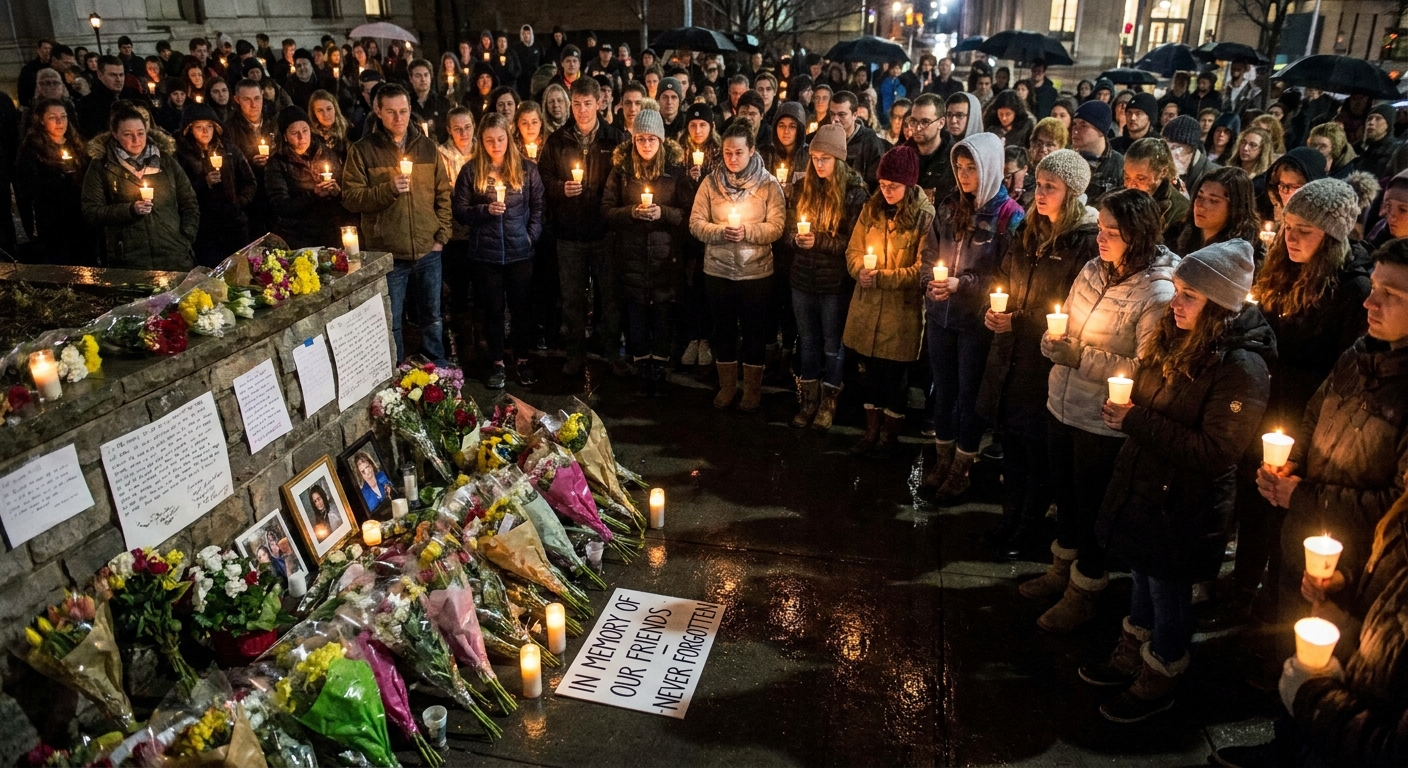
Missing-person cases can turn a whole community inside out. A single unanswered question, where did they go?, becomes years of flyers, tip lines, and families trying to keep a loved one’s name in the public eye without losing them to spectacle.
The podcasts below are the ones I return to when I want reporting that treats disappearance as more than a hook. Some are deep, season-long investigations; others are weekly case files built for listeners who want breadth. For each, I’m noting what it covers, the tone, and why it clicks for people who love investigative storytelling.
Long-form investigations
If you like a podcast that unfolds like a case file, with interviews, records requests, and timeline pressure, start here. These shows are built to sit with uncertainty and keep asking better questions.
Up and Vanished
What it covers: Season-long investigations into disappearances, beginning with the 2005 case of Tara Grinstead.
Tone: Propulsive and puzzle-forward, with a strong sense of on-the-ground reporting as leads develop.
Why investigative listeners care: It’s a clear example of what sustained attention can do to the mix of investigators, locals, tips, and media focus around a cold case. The reporting and renewed public interest became part of a wave of attention that preceded later arrests in the Grinstead case, and even when you disagree with a theory, the process is the point. You feel the mechanics of a modern investigation step by step.
Missing & Murdered
What it covers: A CBC News investigative series that examines cases involving missing and murdered Indigenous people in Canada, with seasons including Who Killed Alberta Williams? and Finding Cleo.
Tone: Careful, community-centered, and deeply human. There is urgency, but it never comes at the expense of dignity.
Why investigative listeners care: It combines rigorous reporting with cultural and institutional context, showing how gaps in policing and media attention can become part of the story, not just the backdrop.
Someone Knows Something
What it covers: Season-by-season examinations of unresolved cases, many involving missing persons.
Tone: Reflective and patient, with room for atmosphere, memory, and the emotional reality of long-term not knowing.
Why investigative listeners care: It models persistence. You hear what it sounds like to follow a lead that might go nowhere, and why that still matters to families.
The Teacher’s Pet
What it covers: The case of Lynette Dawson, who was reported missing in 1982 in Australia, and the long trail of conflicting accounts, rumors, and relationships that followed. The story has continued to evolve through later legal proceedings and court coverage.
Tone: Methodical and relentless, with a focus on witnesses, inconsistencies, and what people said then versus now.
Why investigative listeners care: The series shows how sustained reporting can pressure-test an old narrative that lived for decades in the space between “missing” and “explained.” It’s also a reminder that cases can change legally over time, and that listeners should keep an eye on updated reporting as court outcomes evolve.
In the Dark (Season 1)
What it covers: The 1989 abduction of 11-year-old Jacob Wetterling and the investigation that followed, reported by APM Reports.
Tone: Clear, rigorous, and institutionally focused. The storytelling is compelling, but it’s anchored in documentation.
Why investigative listeners care: It’s essential for understanding how investigative missteps, tunnel vision, and community pressure shape missing-child cases over decades. The case was solved in 2016, and the podcast’s strength is how plainly it shows the cost of getting the early years wrong.
Weekly and episodic shows
These are the podcasts you can dip into when you want a wide range of missing-person cases, patterns, and investigative angles. If you’re deciding what to trust, look for clear sourcing, a corrections mindset, and a track record of centering the people who are actually living with the loss.
The Vanished
What it covers: One missing person per episode, often featuring extensive interviews with family members and friends.
Tone: Compassionate and victim-forward. The show gives families room to speak in full sentences, not soundbites.
Why investigative listeners care: You get details that rarely make headlines: routines, relationships, and small timeline facts that can matter. It’s also a sobering catalog of how frequently adults can disappear with limited media attention.
Missing Persons (Spotify)
What it covers: A broad range of missing-person cases, typically with a structured narrative and calls for tips when appropriate.
Tone: Straight-ahead, case-file storytelling.
Why investigative listeners care: It’s a solid “what we know, what we don’t” format, useful if you want to compare investigative approaches across cases and jurisdictions.
Casefile (Missing-person episodes)
What it covers: Casefile is not exclusively a missing-person show, but its disappearance cases are among its strongest episodes, especially when a timeline is contested or witness statements conflict.
Tone: Minimalist and fact-driven.
Why investigative listeners care: The writing tends to be crisp about chronology and evidence, which is exactly what you want when you’re trying to understand how a person can vanish between Point A and Point B.
Crimelines (Disappearances)
What it covers: A wide mix of crimes, including disappearances, unidentified persons, and cases that hinge on missing time.
Tone: Research-heavy with a clear, conscientious narrator presence.
Why investigative listeners care: It’s a strong option when you want sources, careful framing, and fewer theatrics. Great for listeners who care about process and context.
Systems-focused reporting
Some missing-person stories cannot be understood without looking at the institutions around them: policing resources, jurisdictional confusion, media coverage, and bias in whose disappearance becomes a “national story.” These shows keep that bigger frame in view.
Finding Cleo
What it covers: A family’s search for a missing relative in the context of Canada’s Sixties Scoop and the forced separation of Indigenous families.
Tone: Intimate, emotional, and investigative, with the history treated as a living force rather than background.
Why investigative listeners care: You’ll hear how “missing” can be produced by bureaucracy and displacement as much as by individual harm, and how documentation can both hide and reveal truth.
Uncover (selected seasons)
What it covers: CBC’s anthology series, with certain seasons especially relevant to disappearances and institutional failure. If you’re browsing, look at seasons like The Village (about missing men in Toronto’s Gay Village) and Sharmini (about a death surrounded by unanswered questions and systemic gaps).
Tone: Journalistic and scene-driven.
Why investigative listeners care: It’s strong at showing how systems set the stage for people to vanish, and why solving a case sometimes requires examining power, not just suspects.
How to choose
- If you want active-reporting momentum: pick a serialized investigation like Up and Vanished or In the Dark.
- If you want family voices centered: start with The Vanished or Missing & Murdered.
- If you want a calm, evidence-first tone: try disappearance episodes from Casefile.
- If you want societal context with the case: add Finding Cleo or select seasons of Uncover.
One gentle note: in missing-person cases, “answers” can arrive unevenly. Sometimes a case shifts categories from missing to homicide, or from “unknown” to “identified,” and it can be emotionally jarring to listen in a binge. It’s okay to pace yourself. These are real lives, and the uncertainty is not a twist. It’s the wound.
Listening with care
When you’re picking a missing-person podcast, I always recommend asking three questions: Does the show name its sources clearly? Does it treat family members like humans rather than character witnesses? And does it avoid turning speculation into a personality?
One more thing, because the genre sometimes blurs the line between attention and interference: if a show shares a tip line, use official channels rather than contacting witnesses, suspects, or families directly. Share missing-person posters from law enforcement or established organizations, not rumor threads. If you feel compelled to do something beyond listening, consider supporting organizations that assist searches and family advocacy in your area.
The best investigative storytelling does two things at once: it keeps the narrative tight, and it keeps the person at the center. If a show can manage both, it’s usually worth your time.