There is a particular kind of intimacy to a true crime podcast. You are walking the dog, washing dishes, driving home, and a voice in your ear is asking you to sit with uncertainty. Then Hollywood shows up with a camera, a budget, and a mandate to make the story visible.
Sometimes that translation is electric. Sometimes it is messy. Almost always, it reveals what audio can do that television cannot, and vice versa. Below is a Case Radio guide to notable true crime podcast-to-TV adaptations, what shifted when the stories went visual, and where you can stream the screen versions.
How adaptations change the story
Before we get into titles, it helps to name the most common changes you will notice when a podcast becomes a series.
- A single narrator becomes an ensemble. Audio often relies on one guiding voice. TV tends to distribute authority across multiple talking heads, experts, and participants to keep scenes moving.
- Chronology gets reshaped. Podcasts can sustain long ambiguity. TV frequently rearranges timelines into cliffhangers and episode arcs, sometimes revealing information earlier to create momentum.
- Ambience becomes evidence. In audio, a pause can be the point. On screen, visuals fill those pauses, sometimes with archival footage, reenactments, location shoots, or graphic explainers.
- Legal and ethical constraints get louder. Names, faces, and allegations that were carefully contextualized in audio may become headline text on screen. The best adaptations build in guardrails. The worst ones flatten nuance into a vibe.
Keep those patterns in mind as you browse. They will help you spot where a show is adding clarity, and where it might be adding heat.
The essentials
Dirty John (podcast) to Dirty John (TV)
Original podcast: Dirty John (Los Angeles Times, hosted by Christopher Goffard)
On screen: Dirty John (anthology series, originally premiered on Bravo. Later broadcast and streaming windows have shifted by network and region.)
What changed for TV: The podcast thrives on accumulation, the slow realization that charm is not character. The TV version leans harder into domestic thriller pacing and gives more room to scenes that were only described after the fact in audio. You also feel the shift from reported narrative to performed narrative, which can sharpen emotional beats while simplifying ambiguity.
What you will notice fast: Episode one is built like a seduction. The show lets you watch the charm land, then starts threading the unease in the margins.
Why it works: The core story is character-driven and rooted in relationships, which dramatization can explore without needing to invent the investigation itself.
Where to stream: Availability varies by country and licensing window. In the US, seasons have appeared on services like Netflix and Peacock at different times, and may rotate elsewhere depending on region. Check a title tracker before committing.
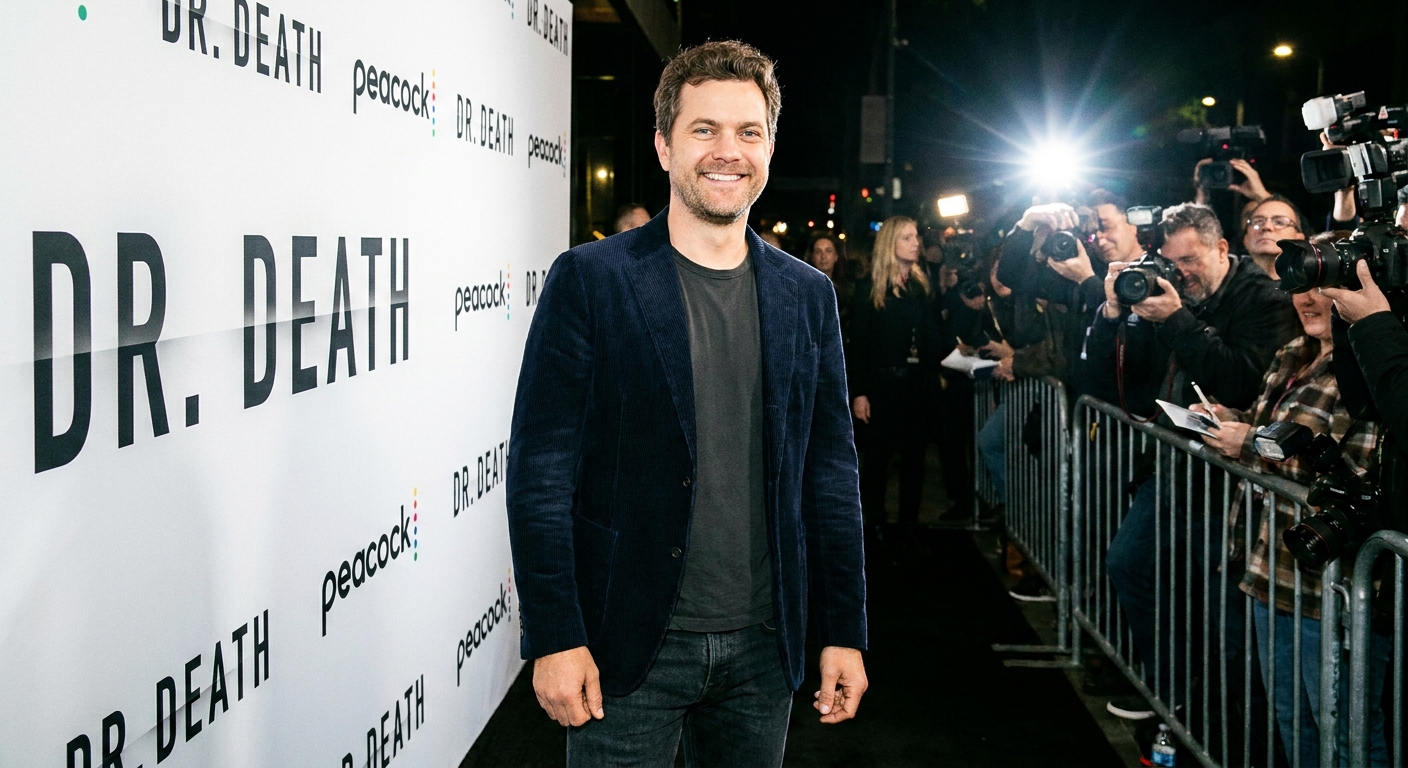
Dr. Death (podcast) to Dr. Death (series)
Original podcast: Dr. Death (Wondery)
On screen: Dr. Death (Peacock)
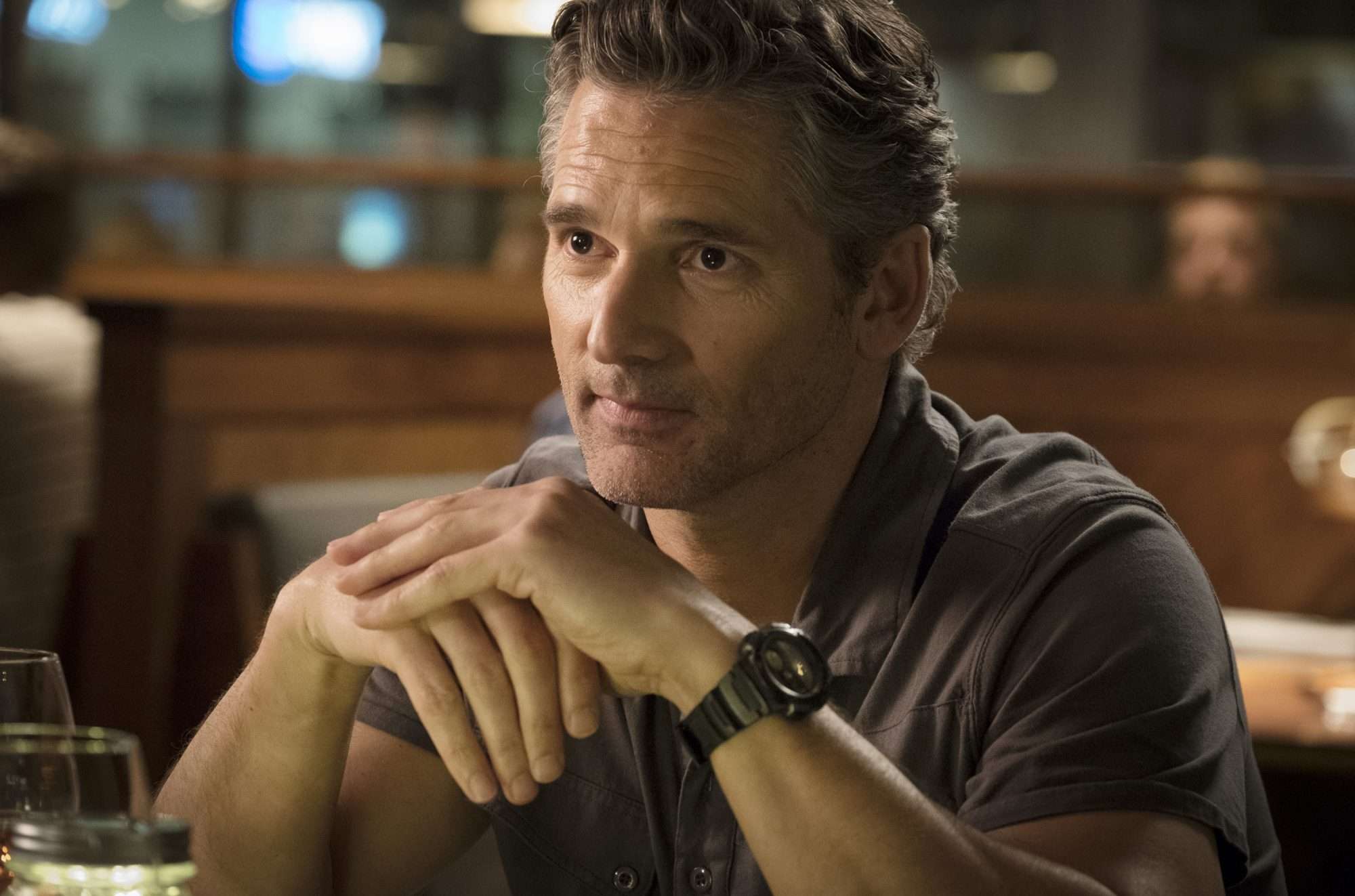
What changed for TV: The podcast is a procedural about institutional failure, told through reporting and interviews that make the system feel claustrophobic. The series dramatizes key moments and foregrounds the investigators and medical professionals as protagonists, which gives viewers someone to hold onto amid the horror.
What TV adds: Visuals can communicate the stakes of medical oversight and professional consequences in a way audio sometimes has to explain at length.
What you will notice fast: The show turns the paper trail into confrontations. It is less about hearing how the system failed and more about watching people realize it in real time.
Where to stream: Peacock (US). International availability varies by distributor.
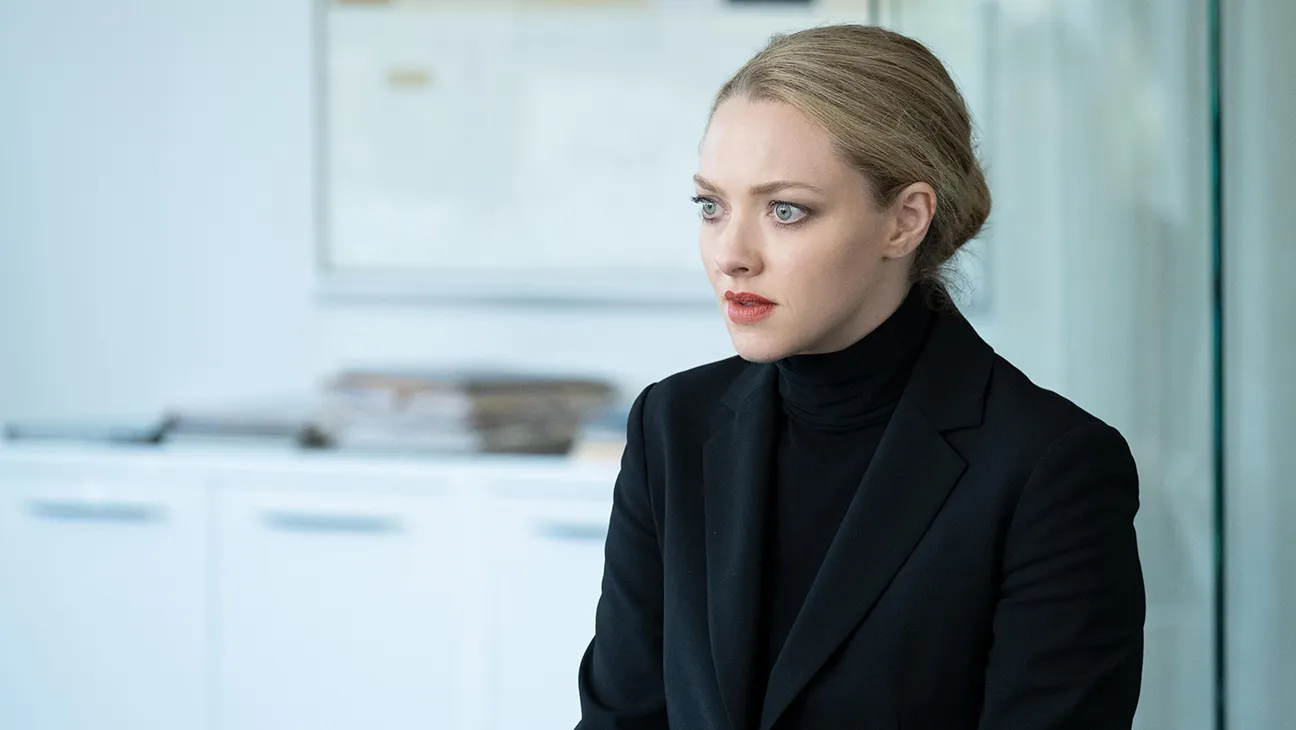
The Dropout (podcast) to The Dropout (series)
Original podcast: The Dropout (ABC News, hosted by Rebecca Jarvis)
On screen: The Dropout (Hulu)
What changed for TV: The podcast is clean, report-forward, and built on documented contradiction. The series turns that contradiction into lived tension: boardrooms, labs, and the private performance of confidence. It also has to externalize what audio can simply state, which means more emphasis on interpersonal dynamics and less time living in the paper trail.
What you will notice fast: The first episodes play like a string of rooms where everyone is trying to keep the story straight, including the people telling it.
Why it works: The story already has set pieces: pitches, product demos, press scrutiny, and the long, slow clang of consequences. TV is good at those pressure-cooker rooms.
Where to stream: Hulu (US). Elsewhere, availability varies by Disney distribution.
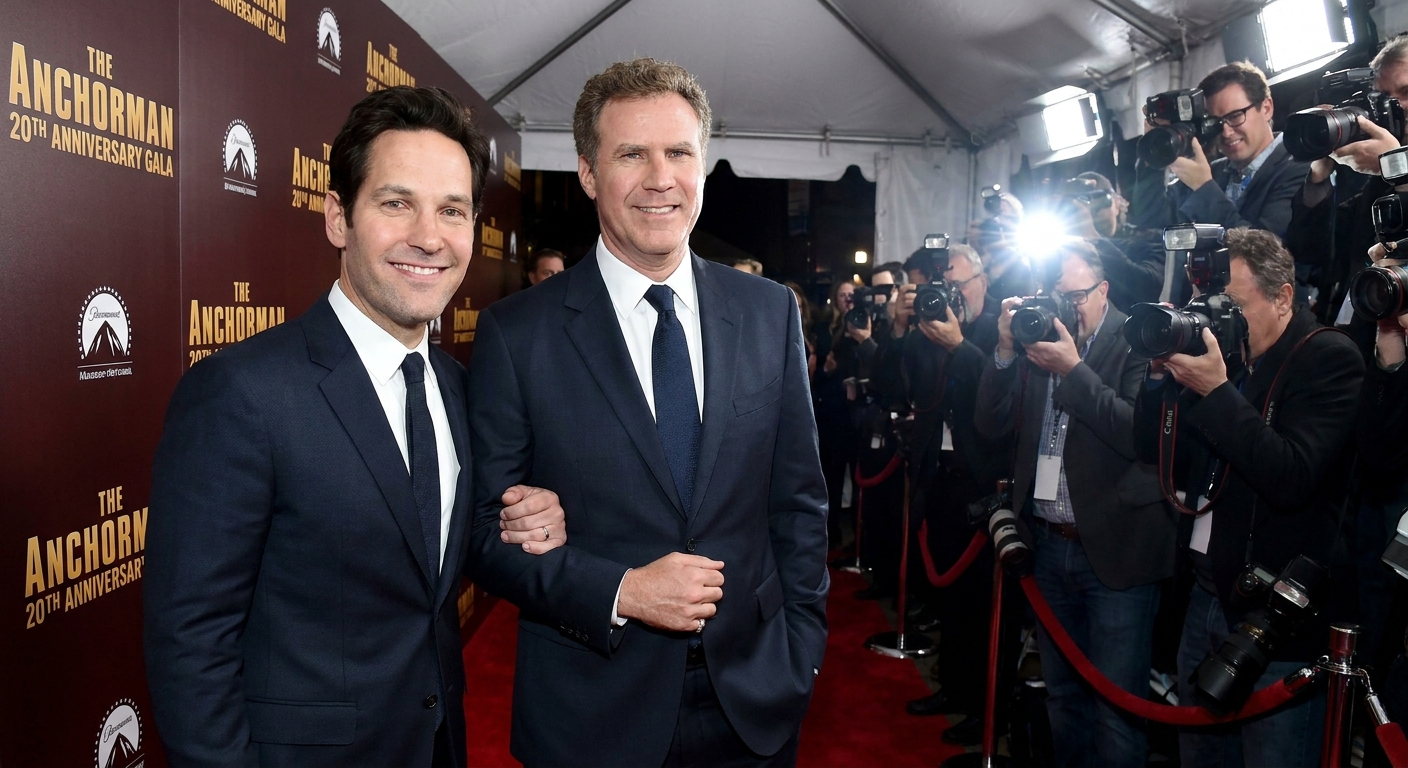
The Shrink Next Door (podcast) to The Shrink Next Door (series)
Original podcast: The Shrink Next Door (Wondery and Bloomberg)
On screen: The Shrink Next Door (Apple TV+)
What changed for TV: The podcast’s power is in the slow creep, the way boundaries erode until the listener realizes how far the relationship has drifted from care into control. The series leans into discomfort and dark comedy, giving the manipulation a visual rhythm: gestures, silences, and that particular polite smile that means someone is steering the room.
What you will notice fast: The show does not rush the turning point. It shows you how small compromises become a new normal, one awkward visit at a time.
Why it works: The case is intimate and psychological, and it is about power more than plot. Screen acting can make that power visible without needing constant narration.
Where to stream: Apple TV+.
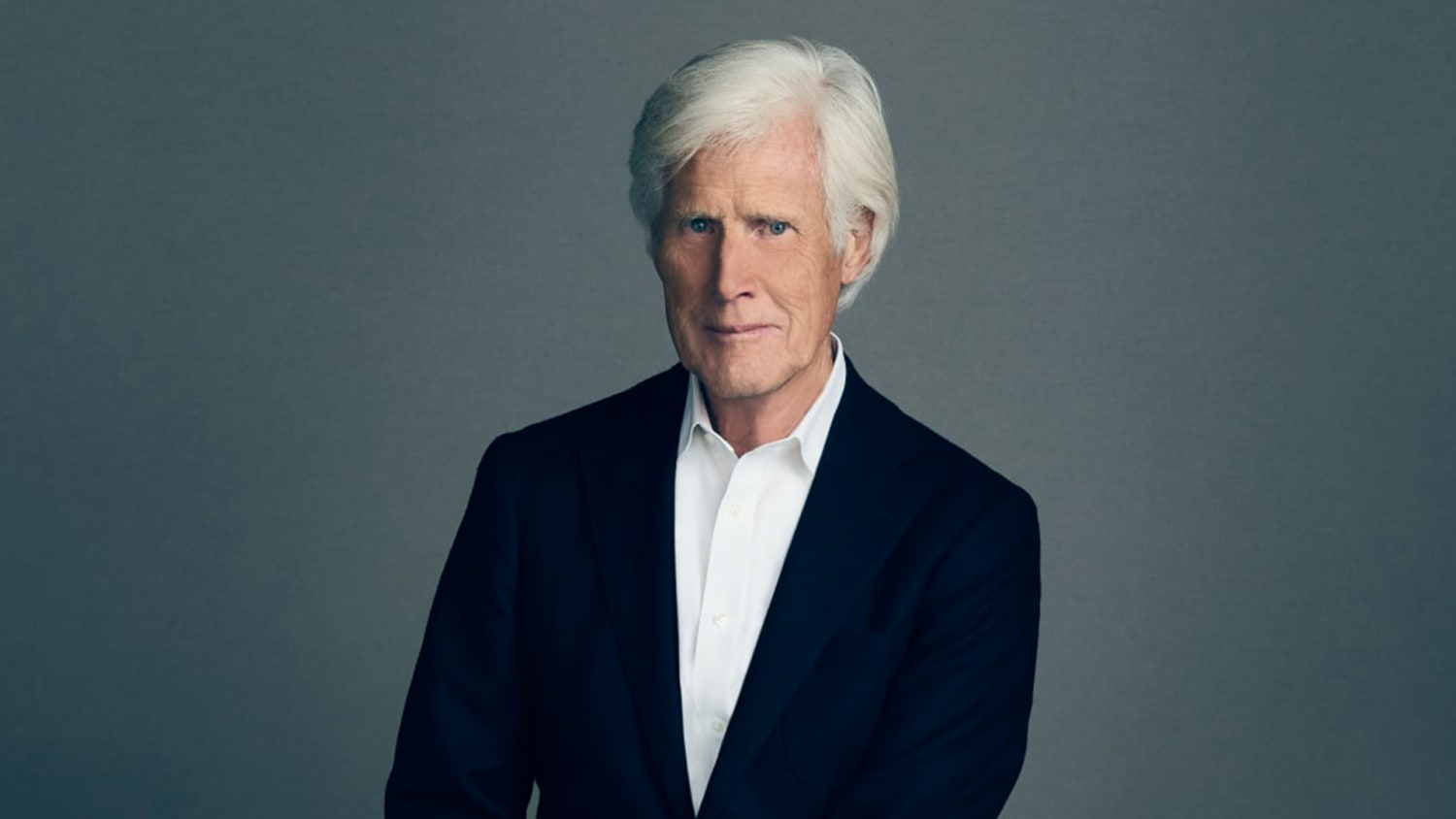
The Thing About Pam (podcast) to The Thing About Pam (series)
Original podcast: The Thing About Pam (NBC News, anchored by Keith Morrison)
On screen: The Thing About Pam (NBC, often available via Peacock depending on rights)
What changed for TV: The podcast plays like a tightening knot, one revelation cinched against the next, powered by Morrison’s patient delivery. The series pushes harder into heightened character portrayal and tonal swings, which makes it bingeable but can also make the story feel more stylized than the reporting tone suggests.
What you will notice fast: The show telegraphs tone through performance. The podcast lets the facts do the smirking.
Why it works: There is a strong procedural spine here, with courtroom pivots and investigative turns that translate naturally into episodic structure.
Where to stream: Often Peacock in the US, but availability can move with licensing windows.
Homecoming (podcast) to Homecoming (series)
Original podcast: Homecoming (Gimlet Media)
On screen: Homecoming (Amazon Prime Video)
Why it belongs here: It is not a true crime podcast in the traditional sense, but it is one of the clearest examples of audio storytelling evolving into prestige TV with thriller DNA. If your definition of true crime includes institutional secrecy and harm done behind paperwork, it sits adjacent in the same neighborhood.
What changed for TV: The podcast uses a found-audio structure: therapy sessions, phone calls, and institutional recordings. The series translates that into sleek paranoia, making memory and surveillance visual motifs rather than purely auditory ones.
Where to stream: Amazon Prime Video (subject to region).
Inspired by, not identical
This is where things get interesting, and sometimes contentious. Inspired by can mean the show buys the premise, some reporting, or the broad arc, then fictionalizes names, composites characters, and retools events. Done responsibly, it can protect privacy and tighten narrative. Done sloppily, it can muddy accountability.
Joe Exotic (podcast) to Joe vs. Carole (scripted)
Original podcast: Joe Exotic (Wondery)
On screen: Joe vs. Carole (Peacock)
Clarifying note: This is separate from the Netflix docuseries Tiger King, which became the cultural shorthand for the whole saga. The Wondery podcast’s scripted TV adaptation is Joe vs. Carole.
What shifts in this lane: Once a real person becomes a character, the center of gravity can move from verifiable events to voice and spectacle. A responsible scripted take has to work twice as hard to signal what is documented, what is inferred, and what is pure storytelling glue.
Watch for: Whether the adaptation keeps the human costs in frame, not just the meme-ready moments.
WeCrashed and the dropout effect
Connection: WeCrashed (Apple TV+) is based on the Wondery podcast WeCrashed: The Rise and Fall of WeWork.
Why it fits here: It is not a murder case, but it is an adjacent species of true crime for people who follow harm with a balance sheet: power, persuasion, and fallout distributed across employees and believers.
What shifts on screen: Audio can be cool-headed and chronological. TV is more likely to stage seduction as a scene, then stage collapse as a sequence of ruptures. The result feels less like a report and more like a breakup you watched happen in public.
Relationship scams as dramatized cautionary tales
Dirty John cracked open a template that TV keeps returning to: the relationship-based true crime story as bingeable thriller. In podcasts, the ethical frame is often built through context, interviews, and slow revision as facts land. On screen, the same story can tilt toward seduction and shock, because that is what scenes do best. The good versions keep the victim’s interiority intact. The cheap versions treat charisma like a special effect.
Medical and institutional horror beyond one surgeon
Dr. Death did more than spawn its own series. It popularized a screen-ready form of dread centered on systems that fail loudly and repeatedly: licensing boards, hospital administrations, gatekeepers with rubber stamps. On screen, these often become battles between whistleblowers and bureaucracy. In audio, they can stay closer to documentation and due process, which is less cinematic and more devastating.
Ethical pressure points
True crime is already a high-wire act. Adapting it adds more weight to the line.
- Victim perspective. Does the series widen the lens beyond the perpetrator’s charisma? Are survivors given dimensionality, not just reaction shots?
- Reenactments and realism. If reenactments appear, are they clearly framed and restrained, or do they chase shock value?
- Unresolved cases. If a case is still legally active or publicly disputed, does the show keep uncertainty intact, or does it manufacture certainty for closure?
- Credit and transparency. Many viewers never circle back to the podcast. A responsible series makes its sourcing obvious and encourages deeper context.
Streaming cheat sheet
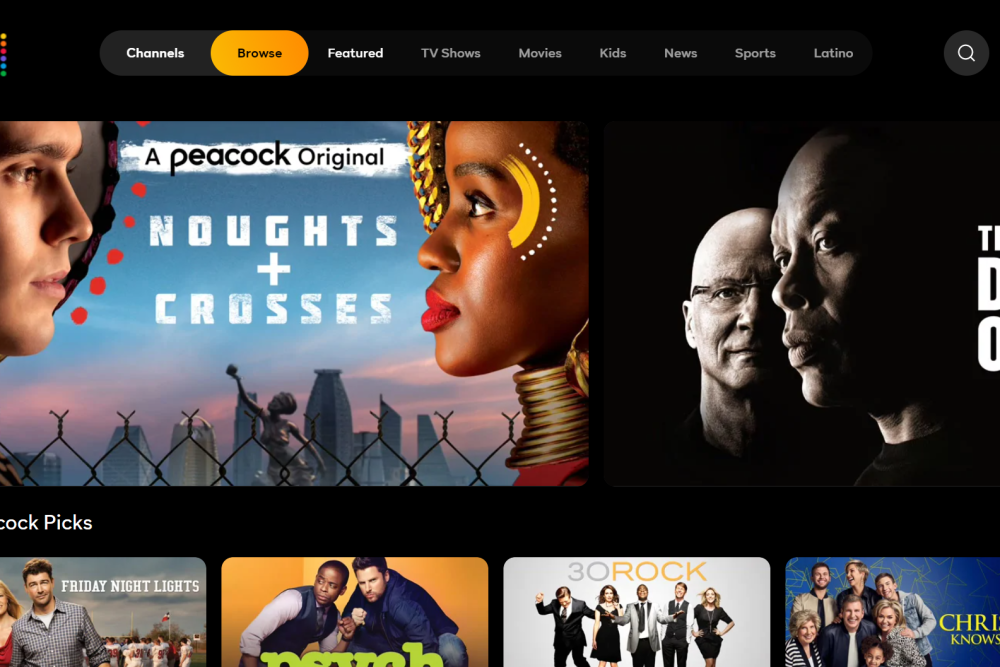
Licensing changes fast, so consider this a starting map rather than a forever promise. If you cannot find a title, check the network’s own app, then major aggregators and your local library’s digital catalog.
- Dr. Death: Peacock (primary home in the US)
- The Dropout: Hulu (US)
- The Shrink Next Door: Apple TV+
- The Thing About Pam: NBC and often Peacock in the US (rights can shift)
- Homecoming: Amazon Prime Video
- Dirty John: streaming availability rotates by region and window, and may appear on major services at different times
- Joe vs. Carole: Peacock (US)
- WeCrashed: Apple TV+
FAQ
Why do some adaptations feel less detailed?
Podcasts can live in the footnotes. They can spend ten minutes on a timeline discrepancy and let the tension come from not knowing. TV usually needs a visible engine: scenes, characters, and an episode structure that rewards weekly viewing. That can mean fewer caveats and less granular reporting.
Do TV versions add new reporting?
Sometimes. A strong adaptation team continues interviewing sources, secures additional archival material, or includes updated legal outcomes. But many series primarily adapt what the podcast already established, then build dramatized scenes around it.
Listen first or watch first?
If the case involves ongoing debate or complex evidence, listen first so you can hear context and uncertainty in the reporter’s framing. If you are here for a character-driven cautionary tale, watching first can be a smoother entry point, then the podcast becomes the deeper dive.
One last note
My rule of thumb: audio is where I go to understand, screen is where I go to feel. The best adaptations honor both, and they never forget that the story is a person’s life, not just a plot twist.
If you want a Part Two with more niche picks and international adaptations, send it to us. I have a running list, and it is not exactly short.