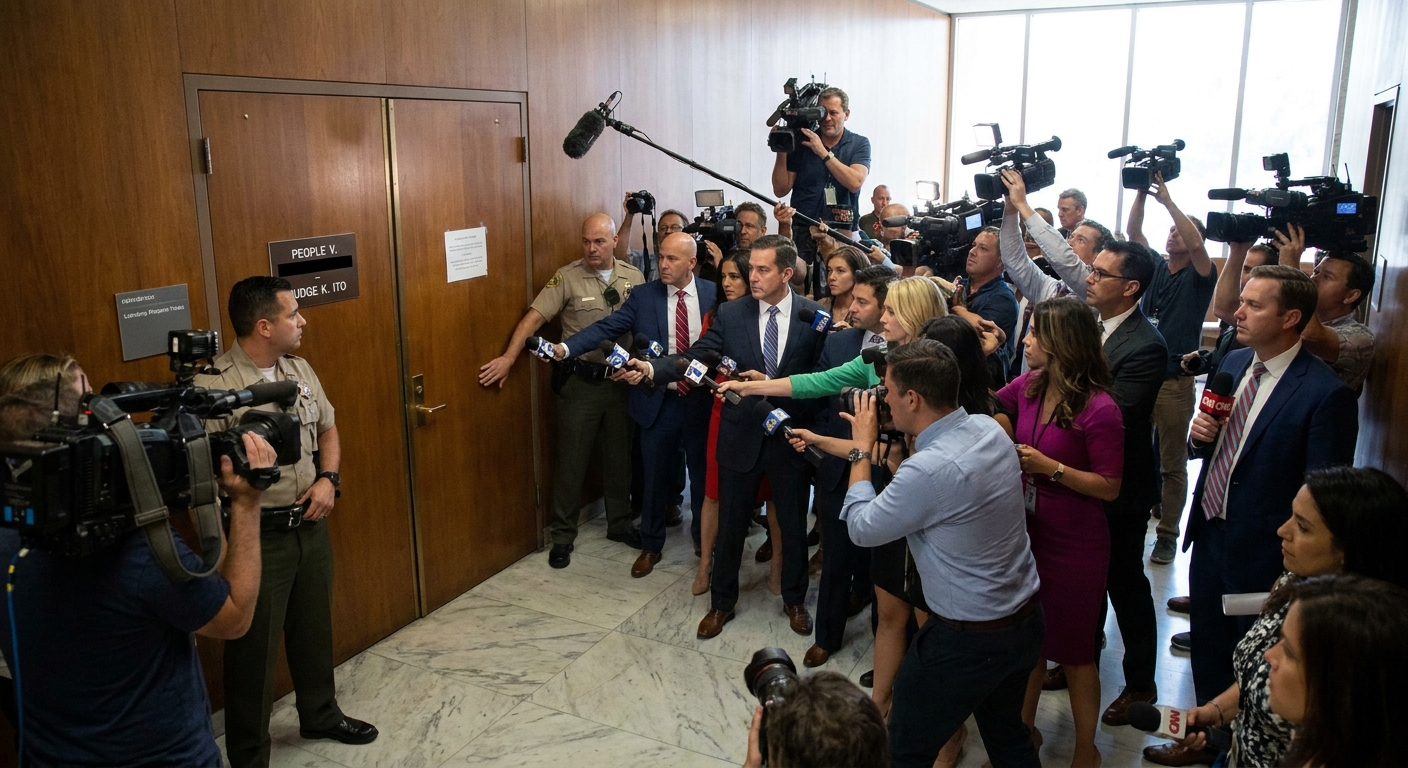
There is a particular kind of whiplash that happens when a story you lived through in headphones suddenly has faces, lighting, and a casting director. The best podcast-to-TV adaptations respect what audio does uniquely well, then translate it without sanding down the messy parts that made the reporting matter.
Below is my Case Radio ranking of the strongest true crime and investigative podcast adaptations for television, scored on three things: factual accuracy (how responsibly the show handles the record), narrative translation (how well it turns reporting into screen storytelling), and overall entertainment value (because yes, we are still talking about TV). I am also including adjacent fraud and business investigations, plus one fiction benchmark, because they live in the same adaptation ecosystem and draw the same viewers.
When a series uses composites or dramatized scenes, I call that out, not as a gotcha, but as a viewer heads-up.
How we ranked these adaptations
Podcast reporting and television storytelling share DNA, but they do not share the same body. Audio can live in nuance for long stretches. TV needs momentum, visual context, and emotional clarity, sometimes faster than real life can provide.
- Factual accuracy: Uses court records, reporting, and documented timelines carefully. Avoids implying guilt beyond what is established. Treats victims as people, not props.
- Narrative translation: Keeps the spine of the podcast, whether that is an investigation, a character study, or a systemic failure, without turning it into a generic thriller.
- Entertainment value: Watchable, coherent, and emotionally intentional, even when the material is bleak.
The ranking
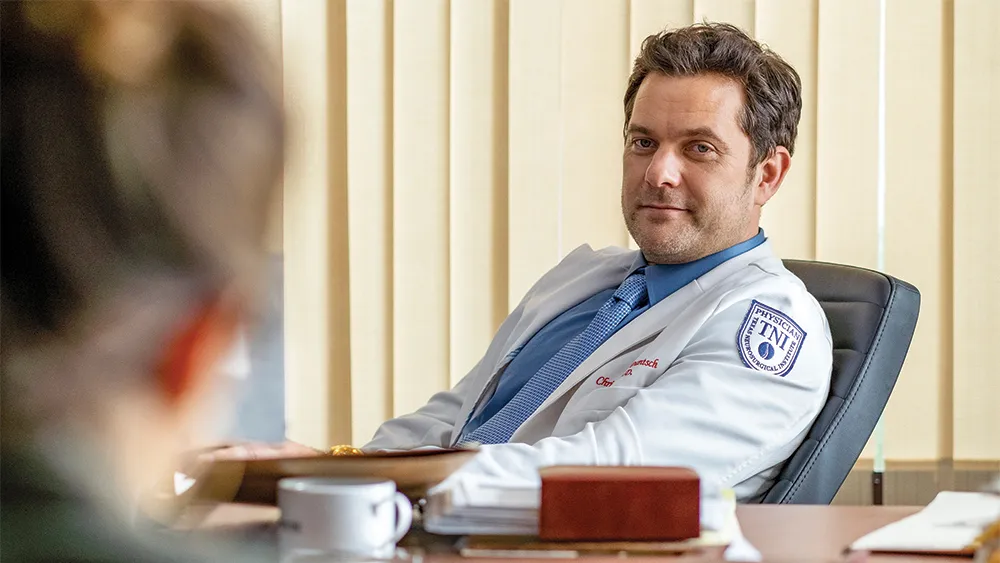
1) Dr. Death (Wondery) to Dr. Death (Peacock)
Why it ranks first: This is one of the rare dramatizations that keeps the original podcast’s central argument intact: the horror is not just one bad actor, it is a system that let him keep operating.
- Accuracy: High. The major beats align with widely reported facts, including the medical, legal, and institutional failures documented in the original reporting.
- Translation: Excellent. TV makes the consequences visceral while preserving the investigative framework.
- Entertainment value: High, in the grim sense. It is tense, upsetting, and hard to stop watching.
What TV changes: The show leans into courtroom and hospital drama to externalize what audio conveyed through interviews and documentation. That comes with inevitable compression, but the underlying accountability story survives.
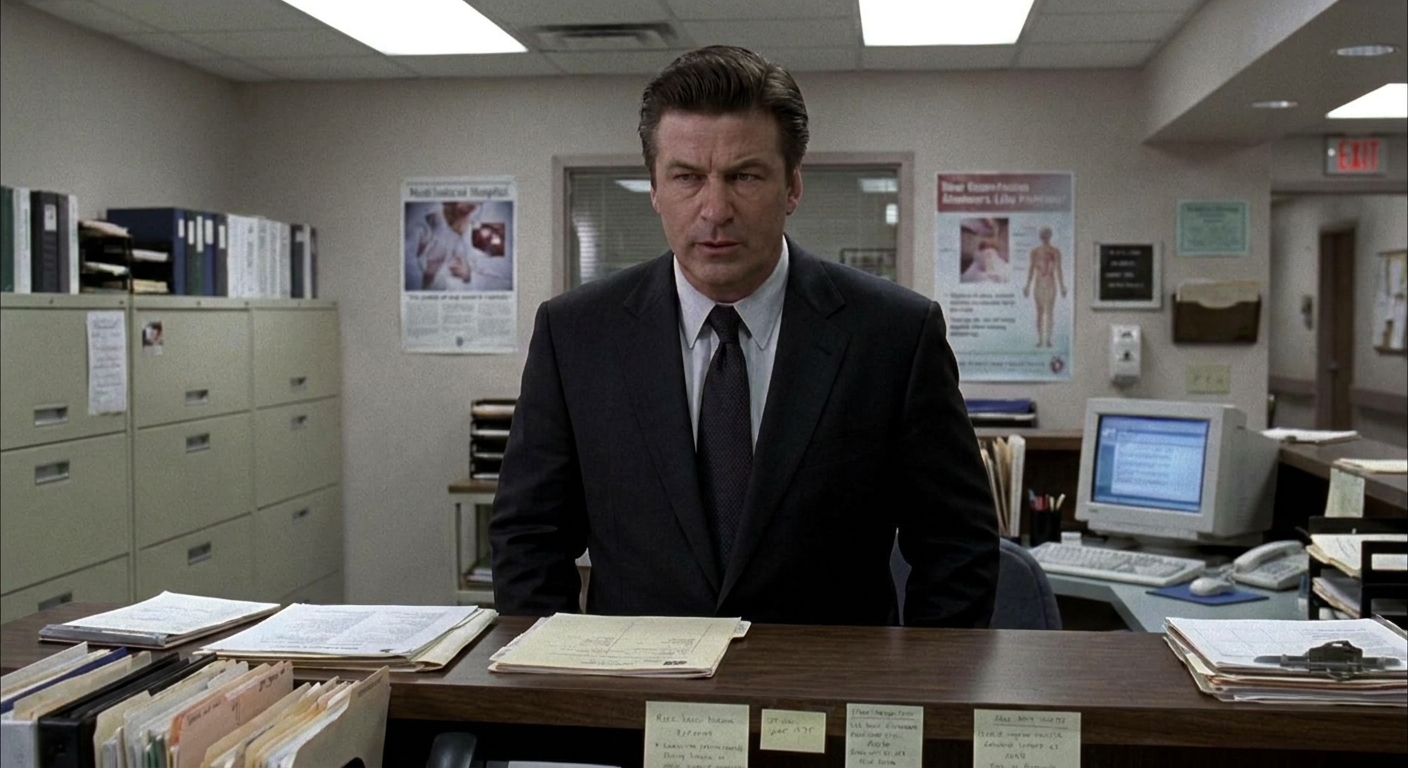
2) Dirty John (Los Angeles Times / Wondery) to Dirty John (Bravo)
Why it works: The original podcast was a character-driven warning label, and the series preserves that slow creep from charm to control in a way that is painfully recognizable.
On accuracy and craft: The core story is well documented, and the show builds dramatized dialogue around known events. It mostly earns the intimacy it’s reaching for, even when it edges toward romance-plot framing.
- Accuracy: High to medium-high.
- Translation: Strong, with pacing that mimics the podcast’s escalating dread.
- Entertainment value: Very high. Bingeable, but also a gut check about coercive control.
Where to find it: It premiered on Bravo in the US and has been licensed to streamers (including Netflix) in some regions and windows, so availability can vary.
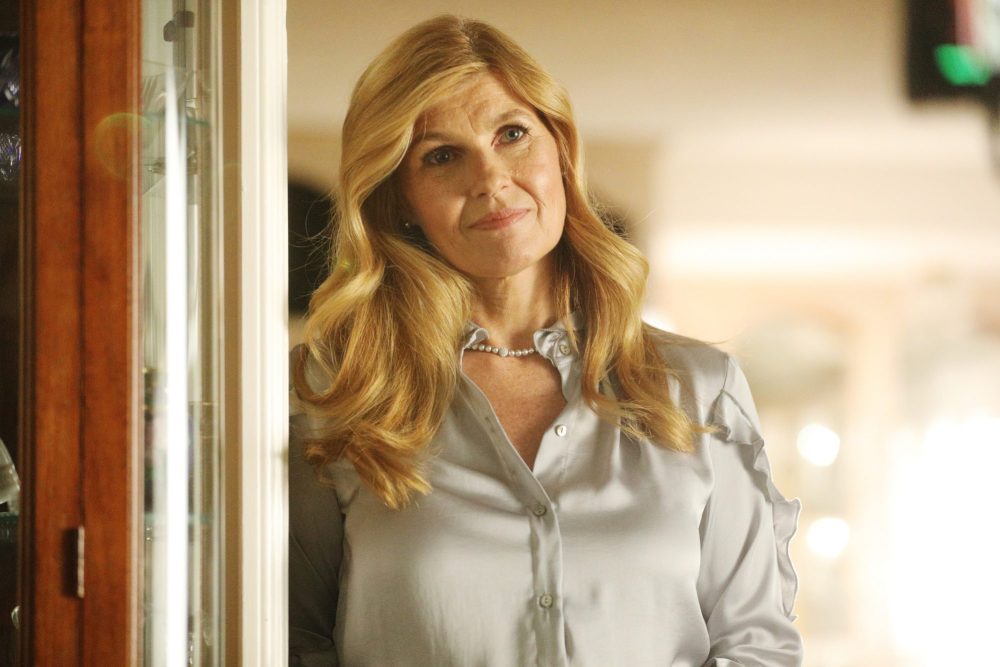
3) The Shrink Next Door (Wondery) to The Shrink Next Door (Apple TV+)
Why it earns a top slot: This one is less about a single shocking crime and more about long-term psychological manipulation, boundary erosion, and the quiet ways power can look “helpful” until it is not.
- Accuracy: Medium-high. The broad strokes track the reported story, with dramatized moments filling in private interactions.
- Translation: Very strong. TV excels at showing incremental control, not just telling you it happened.
- Entertainment value: High. Uncomfortable in a slow-burn way, which is exactly the point.
What TV changes: The adaptation prioritizes mood and character psychology over procedural detail. If you want footnotes, start with the podcast. If you want to feel how it happens, the show delivers.
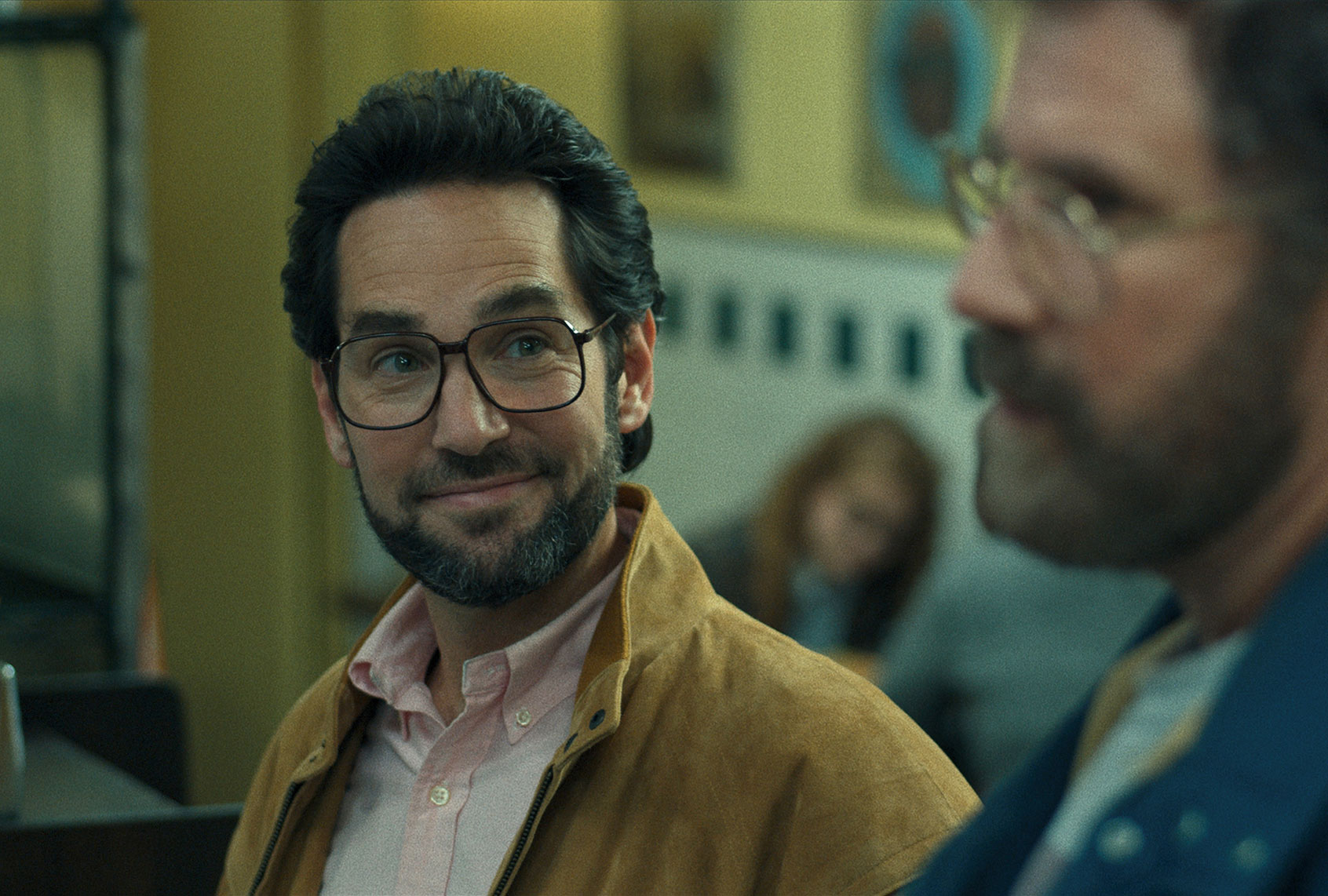
4) Homecoming (Gimlet) to Homecoming (Amazon Prime Video)
Fiction, but useful: Homecoming is scripted fiction, not a reported case. I am including it anyway as a benchmark for adaptation craft, because it scratches the same institutional-secrets itch that draws people to investigative series.
- Accuracy: Not applicable as reporting. It is scripted fiction.
- Translation: Excellent. The show keeps the conspiracy tension while building a confident visual language.
- Entertainment value: High. A smart, stylish watch for listeners who love shadowy systems.
What TV changes: The series expands the world beyond what audio could “show,” which is an advantage here. It is a reminder that adaptation works best when it does not treat the source as a cage.
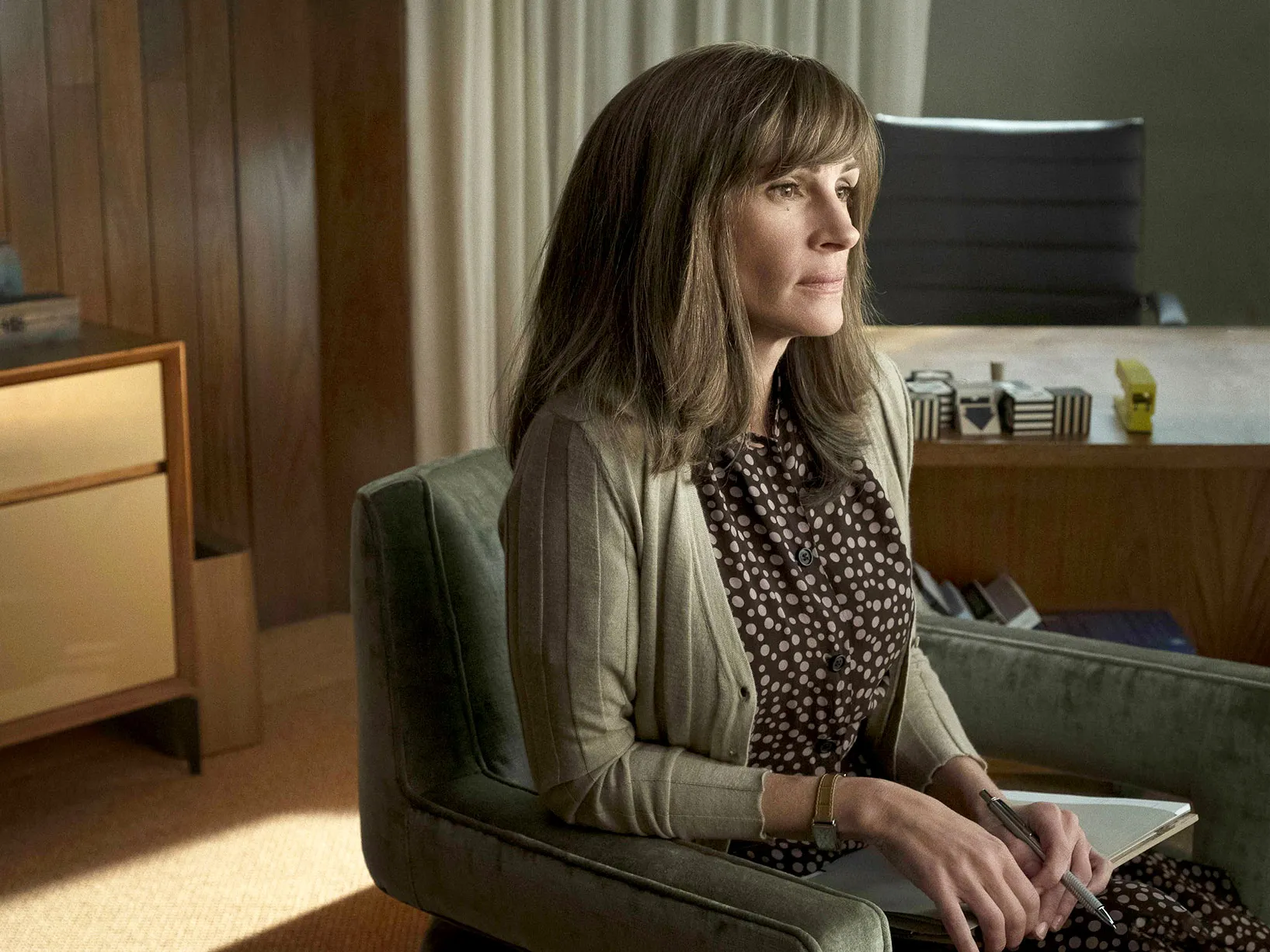
5) WeCrashed (Wondery) to WeCrashed (Apple TV+)
Why it belongs on this list: Corporate rise-and-fall stories live right at the pop culture and criminal justice intersection. Not every fraud story ends in cuffs on camera, but the harm is real, and the reporting matters.
- Accuracy: Medium-high. It follows the public record closely, while inventing some private conversations for texture.
- Translation: Strong. It turns an audio business narrative into character-forward television.
- Entertainment value: Very high. Glossy, propulsive, and sometimes infuriating.
What TV changes: The show heightens the couple dynamics and compresses timelines for drama. Treat it as an adaptation of a reported story, not as the primary source document.

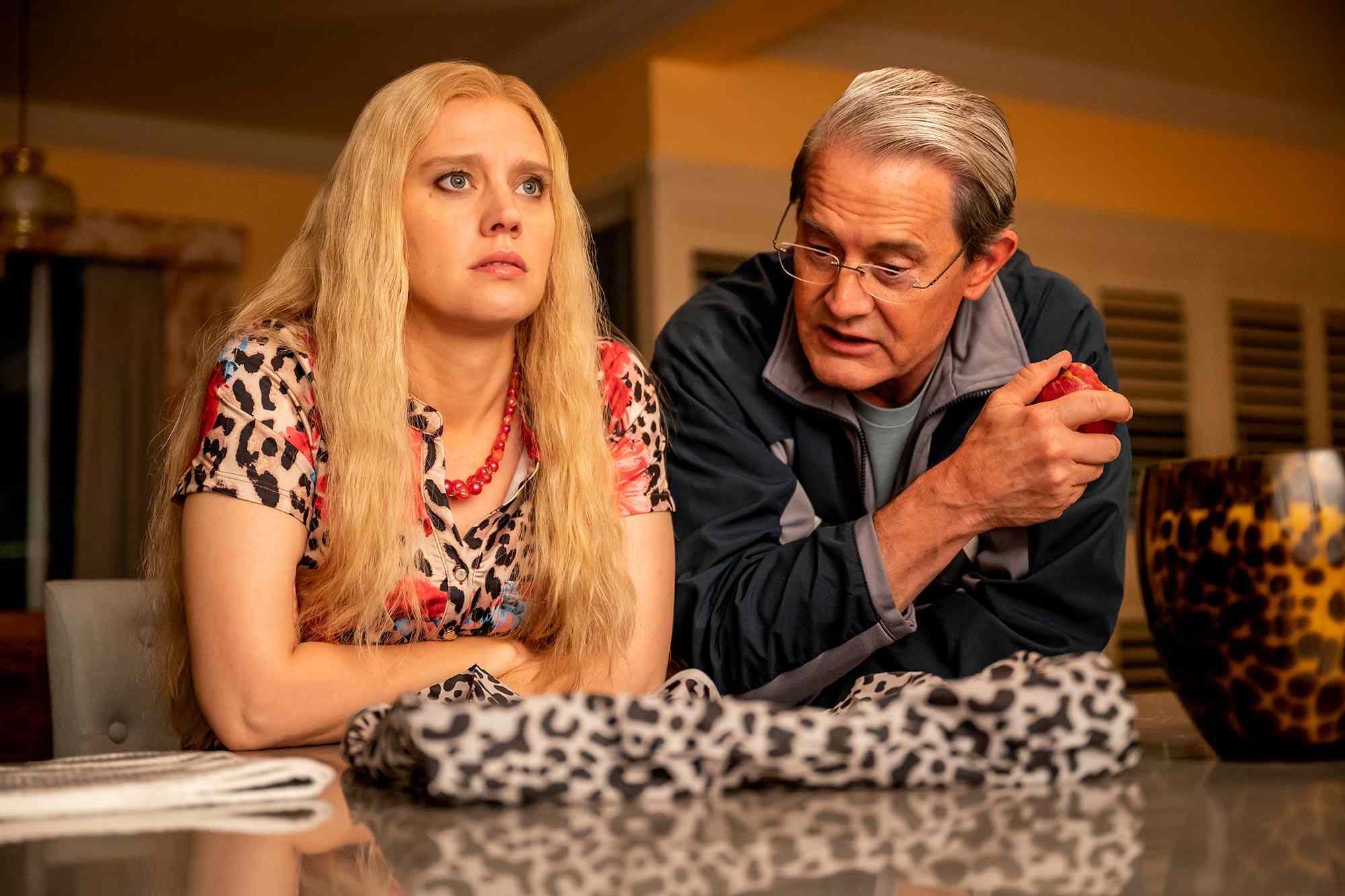
6) Joe Exotic (Wondery) to Joe vs. Carole (Peacock)
The correction, and the real tie-in: The Wondery podcast Joe Exotic is not what Netflix’s Tiger King adapted. Those were separate projects developed on their own tracks. The primary scripted adaptation tied to the Wondery podcast is Peacock’s Joe vs. Carole, led by Kate McKinnon.
- Accuracy: Medium. It is a stylized dramatization of real people and real legal conflict, and it plays loose with tone and some specifics in the name of satire.
- Translation: Medium-high. It takes an audio reported narrative and makes a clear choice: go big, go weird, and lean into the larger-than-life characters.
- Entertainment value: High if you like heightened true crime TV. If you want a sober, document-forward approach, this is not that lane.
What TV changes: The show amplifies caricature and comedic framing to externalize what the podcast often handled through reporting and context. Consider this one an adaptation inspired by the record rather than a replacement for it.
7) The Dropout (ABC News / ABC Audio) to The Dropout (Hulu)
Another pop culture and justice crossover: Not a violent crime story, but a modern American fraud saga with serious consequences. The Hulu series is one of the more effective translations of reported material into character drama.
- Accuracy: Medium-high. It stays aligned with the documented public record broadly, while dramatizing private interactions.
- Translation: Strong. It makes complex business and legal stakes legible without flattening the human cost.
- Entertainment value: High. A binge that also makes you pause and ask how we reward confidence over competence.
What TV changes: The show necessarily imagines moments no reporter could be in the room for. The best way to watch is to pair it with the podcast and the larger reporting ecosystem it came from.

One more to try
If you are building out your queue and wondering what else counts, here is one more adaptation that tends to land well with the same audience.
- The Thing About Pam (Dateline / NBC) to The Thing About Pam (NBC)
Ethical adaptations
When a podcast becomes television, the audience grows. That can mean more awareness, more pressure, and sometimes more noise. The most responsible adaptations tend to share a few traits.
- Victim-centered storytelling: Not just naming victims, but giving them dimensionality and avoiding suffering as set decoration.
- Clarity about what is known: Even in dramatizations, the show should not quietly smuggle in speculation as fact.
- Systemic context: The strongest series do not treat the story as a one-off monster tale. They show how institutions, incentives, and blind spots played a role.
- Restraint with cliffhangers: Suspense is not inherently unethical, but it becomes ugly fast when it treats real trauma like a season finale twist.
What to watch next
Here is the quick mood guide I give friends when they text me at night with the classic, “I need something gripping, but not gross.”
- For rigorous, anger-fueled accountability: Dr. Death
- For relationship dread you can learn from: Dirty John
- For psychological manipulation, slow and chilling: The Shrink Next Door
- For a slick conspiracy vibe (fictional): Homecoming
- For scam culture and big personalities: WeCrashed or The Dropout
- For heightened chaos, scripted: Joe vs. Carole
FAQ
Are these shows as accurate as the podcasts?
Usually, no. Even the best adaptations compress timelines, combine side characters, and dramatize private conversations. The most trustworthy ones keep the meaning of the record intact even when the packaging changes.
Which adaptation is closest to investigative reporting?
Dr. Death is the clearest example here, because the story’s power comes from documentation and institutional failure, not just personality.
What should I listen to or read after watching?
If a series grabs you, go back to the original podcast for sourcing, nuance, and voices that TV cannot always hold onto, especially survivors, family members, and reporters walking through the record step by step.